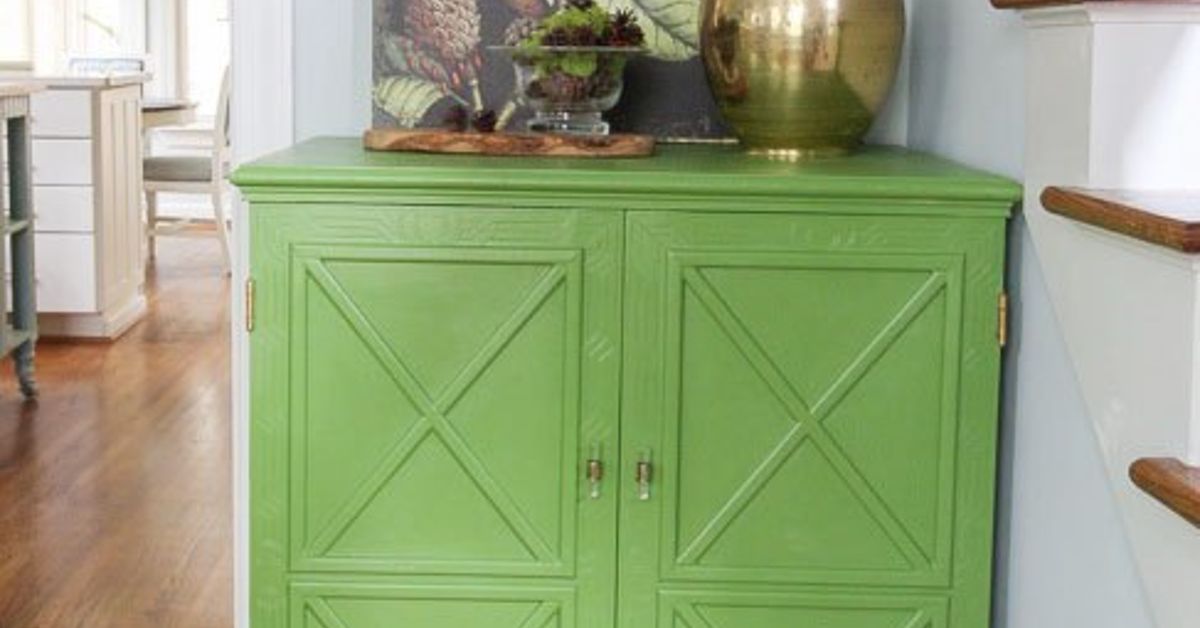
Some furniture walks into a room politely. Other pieces kick the door open, clear their throat, and demand attention with enough carved trim to qualify as a supporting actor. A simplified cabinet makeover is what happens when you look at one of those overworked pieces and say, “You know what? You’d be a lot cooler if you calmed down.”
That is the charm of a geometric transformation. It does not erase personality. It edits it. Instead of relying on ornate detailing, it uses shape, proportion, and clean lines to create visual interest. The cabinet still has presence, but it now speaks in a lower, more confident voice. Think less costume jewelry, more one great watch.
This kind of update has become especially appealing as homeowners lean toward cabinets that feel tailored, practical, and visually quiet. Clean-lined fronts, restrained hardware, matte finishes, and thoughtful storage all help cabinetry feel modern without becoming cold. And geometry is the secret weapon in that equation. Repeating rectangles, framed panels, diagonal trim, and carefully balanced lines can transform a basic cabinet into a piece that looks custom, intentional, and surprisingly expensive.
Whether the cabinet lives in a dining room, kitchen, entryway, bedroom, or awkward little corner that currently houses a pile of things you promise to deal with later, the same design logic applies: simplify the silhouette, sharpen the lines, improve the function, and let geometry do the decorating.
Why a Geometric Cabinet Makeover Works So Well
Geometry brings order. That sounds dramatic, but it is true. A cabinet covered in ornate scrollwork or dated paneling can feel visually busy even when the room itself is neat. The eye has too many places to land. Once the decorative clutter is removed or covered, the piece becomes easier to read. It looks calmer. Better proportioned. More at home in a modern interior.
That is why simplified cabinet design often starts with the face of the cabinet. Flat or flatter panels instantly create a more current foundation. From there, added trim can introduce pattern without chaos. A grid of rectangles feels classic. Diagonal insets feel playful and architectural. Even a subtle framed border can make an old cabinet look like a custom built-in rather than a relic from a previous decorating era.
The beauty of geometric detail is that it creates depth without requiring fuss. A repeated pattern gives the cabinet rhythm. It catches light. It adds shadows. It makes paint feel more dynamic. And it does all that while staying cleaner and more disciplined than ornate appliqués or overly carved fronts.
In other words, geometry is basically the organized friend who labels the pantry and still somehow looks effortless.
The Anatomy of a Simplified Cabinet
1. A cleaner surface
The first move in many successful cabinet transformations is reducing visual noise. That can mean covering old decorative panels with thin wood sheets, replacing busy doors, or sanding down details that make the piece feel stuck in another decade. Once the surface is simplified, every other decision becomes easier. Paint looks smoother. Hardware stands out more elegantly. The overall shape reads as intentional instead of improvised.
2. Geometric trim that adds structure
After the surface is simplified, geometric trim becomes the star. Narrow molding arranged into rectangles, angled frames, or intersecting lines gives the cabinet a custom look. The trick is restraint. One repeated motif is usually enough. A good geometric cabinet is memorable because the pattern is disciplined, not because it resembles a math teacher’s fever dream.
3. A finish that supports the shape
Paint choice matters more than many people expect. Matte, satin, and low-sheen finishes tend to flatter geometric patterns because they emphasize form rather than glare. Color also changes how the cabinet reads. Deep green, charcoal, warm cream, clay, mushroom, muted blue, and soft black can all make a simplified cabinet feel sophisticated. Natural wood finishes work beautifully too, especially when the grain adds warmth to an otherwise minimal design.
4. Hardware that knows when to hush
One of the fastest ways to ruin a streamlined cabinet is to top it off with hardware that looks like it belongs on a pirate ship. Simplified cabinetry usually looks best with understated pulls, small knobs, edge pulls, or even nearly invisible hardware. Brass, matte black, brushed nickel, and aged bronze all work well, depending on the room. The goal is not for the hardware to disappear completely. It just should not hijack the conversation.
5. Storage that earns its square footage
A cabinet makeover should improve function as much as style. Deep shelves for platters, adjustable shelves for changing storage needs, interior organizers, pull-out trays, concealed trash storage, and divided compartments all make a cabinet more useful. A beautiful cabinet that stores exactly three candles and one mystery charger is not a transformation. It is a decorative decoy.
How to Design the Geometric Pattern Without Overdoing It
The most successful geometric cabinet designs feel balanced because the pattern respects the cabinet’s proportions. The lines should work with the door and drawer sizes, not fight them. If the cabinet has tall doors, vertical framing or elongated rectangles can make the piece feel elegant. If the cabinet is squat and wide, broader horizontal divisions usually feel more grounded.
Symmetry helps. Repetition helps. Negative space helps even more. A simplified cabinet needs breathing room around the pattern so the geometry can read clearly. If every inch is divided, framed, crossed, beveled, and trimmed, you have simply reinvented fuss in a trendier accent.
Here are a few reliable geometric approaches:
Framed rectangles: timeless, clean, and easy to integrate into traditional, transitional, or modern homes.
Diagonal overlays: bold and energetic, especially good for a statement piece in a dining room or entry.
Grid layouts: ideal for a cabinet that needs a more architectural, built-in feel.
Mixed wood and paint panels: great for adding contrast while keeping the design quiet.
If the room already has strong pattern elsewhere, such as a dramatic tile backsplash, bold wallpaper, or busy rug, let the cabinet geometry stay subtle. If the room is mostly plain, the cabinet can carry a bit more visual drama. Design is often less about adding beauty than about deciding where the beauty should live.
Color, Material, and Finish: The Trio That Makes It Look Expensive
A geometric cabinet makeover succeeds when shape, color, and texture all pull in the same direction. If the geometry is sharp and modern but the finish is yellowed and glossy, the cabinet may feel confused. If the color is gorgeous but the surface prep was sloppy, the cabinet will advertise every flaw like a billboard.
That is why prep work matters. Old finishes, wax, residue, and rough spots must be properly cleaned and sanded so the new finish can actually perform. Once the cabinet is smooth, the transformation becomes much more convincing. Paint levels better. Trim sits flatter. Edges look crisp. The final piece feels custom because it has been treated with the kind of discipline custom work requires.
For a warmer look, wood veneer or natural wood fronts can soften geometric lines and keep the cabinet from feeling sterile. White oak, walnut, maple, and ash all pair beautifully with simplified shapes. For a painted cabinet, muted colors tend to age gracefully because they let the form shine. A punchy color can absolutely work, but it should feel deliberate, not like the cabinet lost a bet.
Topcoats also matter. A good protective finish helps painted cabinets resist scuffs, fingerprints, and daily life, which is important because cabinets live hard. They are opened while cooking, bumped by chairs, leaned on during conversations, and occasionally treated like ladders by people who should know better.
Where a Simplified Cabinet Fits Best in the Home
Dining room
This may be the perfect location for a geometric cabinet makeover. A dining room cabinet often stores platters, glassware, linens, candles, and serving pieces, so it needs depth and flexibility. Because the room is also visual by nature, the cabinet can act almost like functional art. A geometric front adds enough interest to anchor the room without crowding it.
Kitchen
In kitchens, simplified cabinet design works especially well because it complements the larger move toward cleaner lines, smarter storage, and more efficient layouts. Slab-style fronts, restrained pulls, and thoughtful inserts all support a kitchen that looks streamlined but still works hard. If you want a geometric touch in a kitchen, it is often smartest to apply it selectively to an island, pantry cabinet, or hutch-style section rather than every single front.
Entry or mudroom
A simplified cabinet can help an entry feel less chaotic. Shoes, bags, dog leashes, seasonal accessories, and mail all need a home, and cabinetry with clean lines makes that storage feel intentional instead of improvised. Geometry adds style, while the cabinet itself handles the daily mess of real life.
Bedroom or living room
Repurposed cabinets also shine in bedrooms and living spaces. They can serve as media consoles, bedside storage, bookcase bases, or display cabinets. A geometric update gives older furniture a more architectural look, which helps it blend with newer pieces rather than feeling like the one cousin at Thanksgiving still telling stories from 1997.
Common Mistakes to Avoid
Ignoring scale: Tiny trim on a large cabinet can disappear. Oversized trim on a delicate piece can feel clumsy.
Forcing trend over function: A cabinet that looks modern but stores poorly will become annoying very quickly.
Using too many competing details: Choose one main pattern and let it lead.
Skipping prep: Bad surface prep is the silent saboteur of cabinet makeovers.
Choosing flashy hardware: Simplified cabinets usually need hardware with a light touch.
Forgetting the room around it: The cabinet should relate to the surrounding furniture, finishes, and mood.
The Real Design Lesson: Simplifying Is Not the Same as Stripping Away Character
Some people hear the word simplified and picture something blank, cold, or boring. But a simplified cabinet is not a design surrender. It is a design decision. It says the piece does not need excessive ornament to feel beautiful. Its proportions, materials, and details can carry the weight.
That is why geometric cabinet design feels so compelling right now. It bridges old and new. It can modernize a traditional piece without erasing its usefulness. It can make a humble cabinet look more expensive. It can add order to a busy room. And perhaps most importantly, it proves that transformation does not always require starting over. Sometimes the smartest design move is not buying something new. It is seeing fresh potential in what you already own.
A cabinet with a cleaner face, better storage, and a geometric pattern does more than hold things. It changes the tone of a room. It tells a story about restraint, intention, and quiet confidence. And that, frankly, is a pretty impressive résumé for a piece of furniture whose original job was basically “stand there and hold plates.”
Experience Section: What Living With a Simplified Geometric Cabinet Actually Feels Like
The experience of living with a simplified cabinet is different from merely admiring one in a photo. In pictures, you notice the lines first. In real life, you notice the relief. The room feels less noisy. Even when nothing else has changed, a cabinet with a cleaner silhouette somehow makes the whole space appear more edited. That effect is especially noticeable in multipurpose rooms, where furniture often has to work hard and still look composed.
People who tackle this kind of cabinet transformation often discover that the process is equal parts design exercise and attitude adjustment. At first, there is usually a moment of hesitation. Cover the decorative panels? Cut new trim? Commit to a paint color? It feels risky because older furniture can carry a strange emotional weight. Maybe it was inherited. Maybe it was a bargain rescue. Maybe it has been repainted three times and still refuses to cooperate. But once the visual clutter comes off and the new geometric pattern begins to take shape, the piece starts looking less like a problem and more like a possibility.
There is also something deeply satisfying about the rhythm of the work itself. Measuring repeated lines teaches patience. Fitting trim teaches precision. Sanding humbles everyone equally. And painting a cabinet well is one of those jobs that sounds easy right up until you are crouched on the floor trying to keep dust, drips, fingerprints, and your own questionable life choices off a freshly coated surface. Still, when the finish levels out and the edges go crisp, the reward is immediate. The piece suddenly looks intentional.
Functionally, the improvement can be even bigger than the visual upgrade. A cabinet that once held random leftovers from three unrelated decorating phases can become genuinely useful. Platters finally stack properly. Table linens are easy to grab. Glassware has a home. The cabinet starts earning its footprint every day instead of just occupying it. That practical payoff is often what makes the transformation feel worthwhile long after the novelty of the makeover wears off.
There is an emotional side too. Simplifying a cabinet often changes how you feel about the room around it. Because the cabinet is calmer, the surrounding décor gets to breathe. Artwork looks better. Lighting feels more deliberate. Even the objects stored on top of the cabinet seem more curated, when in reality it may just be a lamp, a bowl, and your determination not to clutter it again.
Perhaps the best part of the experience is that it reshapes your eye. After living with one successful geometric furniture makeover, you start spotting potential everywhere. An old media console could become a dining room server. A forgettable nightstand could become an entry cabinet. A basic flat-front piece could gain character with trim, better paint, and smarter hardware. The transformation teaches you that furniture does not have to be precious to be beautiful. It just has to be thoughtfully resolved.
And that is the enduring appeal of the simplified cabinet. It is not showy. It is not loud. It is not trying to win a talent competition against your backsplash. It simply works, looks polished, and makes the room feel better organized and more grown up. In the world of home design, that kind of quiet competence is rare. And yes, a little geometric swagger does not hurt either.
Conclusion
A geometric transformation turns a cabinet from fussy to focused, from dated to deliberate, and from merely useful to genuinely design-forward. By simplifying the face, introducing balanced geometric detail, choosing a thoughtful finish, and improving storage, you can create a cabinet that feels current without feeling disposable. It is proof that great design is often less about adding more and more about choosing better.