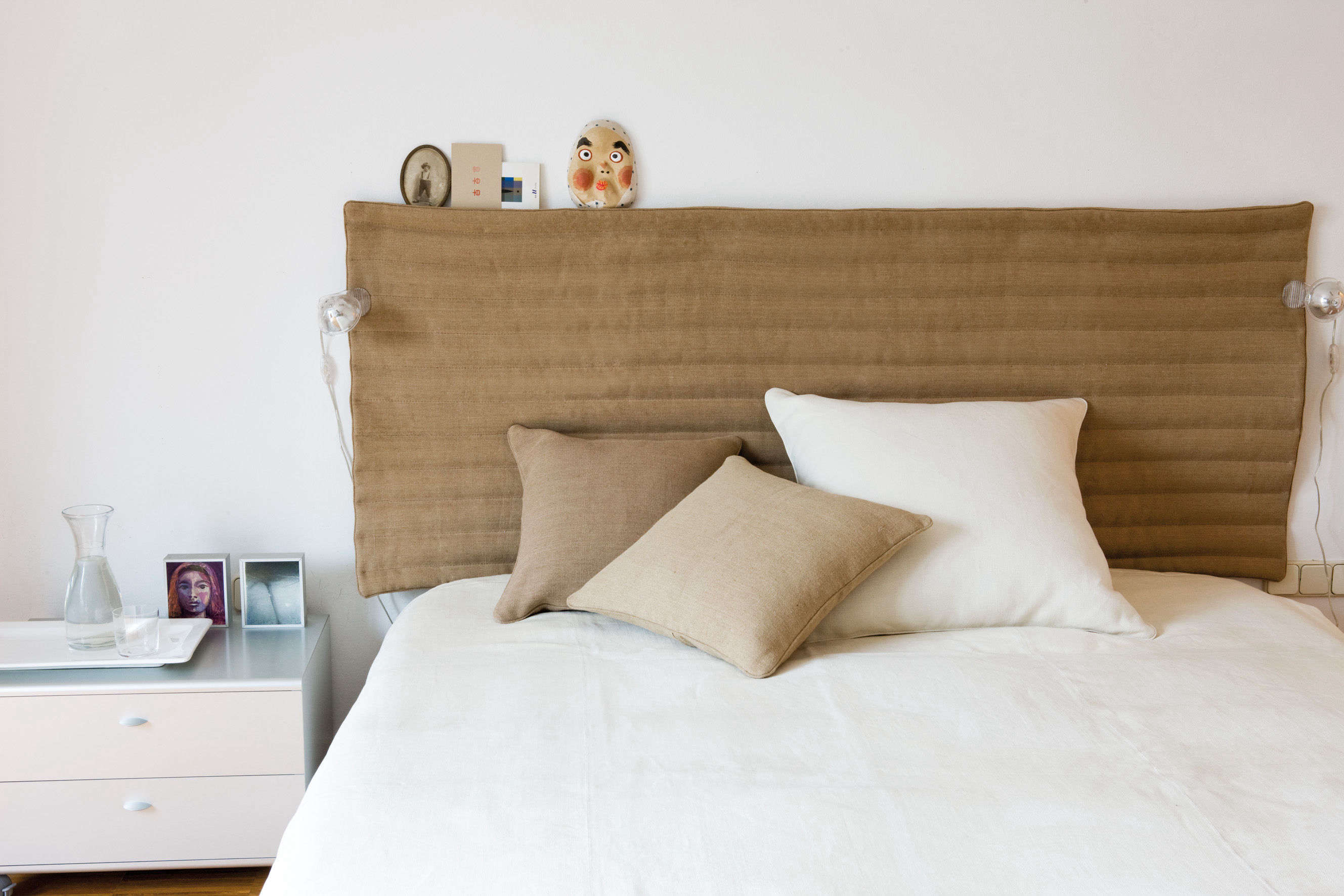
Some design ideas arrive with trumpets. Others stroll in quietly, wearing excellent texture. A headboard from the doyenne of handmade rugs belongs firmly in the second camp. It is not trying to out-yell your paint color, compete with your pendant light, or bully your nightstands into submission. It just shows up, looking impossibly tactile, calmly sophisticated, and a little smug about how good it makes the whole room feel.
That is the genius of a rug-maker’s approach to the bed. While a standard headboard often leans on shape, upholstery, or size for impact, a textile-driven headboard brings a different set of strengths: softness, craft, warmth, and a sense that the room has been assembled by an adult with opinions instead of a panicked shopper with free shipping. In other words, it can turn a perfectly nice bedroom into a memorable one.
When people talk about A Headboard from the Doyenne of Handmade Rugs, they are really talking about a larger design idea: what happens when a brand known for artisanal floor coverings applies that same material intelligence to the wall behind your bed. The answer is surprisingly compelling. The bedroom becomes more layered, more intimate, and more human. And, perhaps most important, it stops looking like the bed wandered in and never introduced itself to the rest of the room.
Why This Headboard Idea Works So Well
A good headboard does at least three jobs. First, it anchors the bed visually. Second, it introduces comfort and personality. Third, it gives the room a focal point without requiring a full renovation or a small personal loan. Textile headboards do all three with unusual grace.
Unlike many wooden or heavily padded options, a rug-inspired headboard brings texture to eye level. That matters more than people realize. Bedrooms are full of flat surfaces: walls, sheets, dressers, windows, and often a deeply uninspired rectangle of drywall behind the bed. Add a handwoven surface to that same wall, and suddenly the space has depth. It feels collected instead of assembled, considered instead of merely furnished.
That tactile quality is part of the charm. Handmade rugs have always had the power to soften a room, visually and physically. Bringing that language to a headboard means the bed is no longer just where you sleep; it becomes the emotional center of the room. The look is cozy without being sloppy, artistic without being precious, and expressive without screaming, “Look at me, I once pinned three thousand boho bedrooms.”
The Doyenne Effect: Why a Rug Designer Sees the Bedroom Differently
There is a reason design lovers perk up when a handmade rug specialist touches furniture. Rug designers think in fibers, touch, rhythm, and irregular beauty. They understand that materials are never just materials. Wool can feel tailored or cloudlike. Jute can read breezy, earthy, and architectural all at once. A woven pattern can behave like artwork, but warmer. A seam can become a detail. A subtle spiral or geometric motif can shift the entire mood of a room.
That perspective is what makes a headboard from a rug house feel more interesting than a generic upholstered panel. It is not simply a headboard covered in fabric. It is a textile object designed with the logic of weaving, craftsmanship, and surface variation in mind. You can sense that difference immediately. The piece has soul. It has nuance. It has the kind of material richness that makes guests casually ask where it came from while pretending they are not mentally redecorating their own bedrooms.
And that is before we even get to the poetic part: a rug is usually what greets your feet in the morning, but here it also frames your head at night. There is something satisfyingly symmetrical about that. The floor and the bed begin speaking the same design language.
What Makes This Style of Headboard Special
1. It puts craftsmanship front and center
Handmade textiles carry subtle variations that factory-perfect pieces often lack. Those tiny shifts in weave, thickness, and texture are not flaws. They are the whole point. In a bedroom, where sameness can easily slip into blandness, that kind of material honesty feels refreshing.
2. It adds warmth without visual clutter
A statement headboard does not have to be loud. In fact, the best ones often rely on texture more than color. A woven headboard can warm up a stark room, soften a minimalist scheme, or add depth to a neutral palette without requiring six decorative pillows and a dramatic monologue.
3. It feels more architectural than expected
Because a textile headboard sits broad and flat against the wall, it can read almost like a soft installation. The effect is especially strong in rooms that need a visual anchor but not more bulk. It creates presence without feeling heavy.
4. It balances artistry and practicality
One of the smartest things about this concept is that it treats a decorative textile as both art and function. You get the visual payoff of wall decor and the grounding effect of a headboard in one piece. That is efficient, elegant, and frankly the kind of multitasking we should all aspire to.
How to Style a Headboard Inspired by Handmade Rugs
The first rule is easy: let the texture lead. If the headboard has a strong woven surface, keep the bedding supportive rather than competitive. Crisp cotton, washed linen, matte coverlets, and lightly quilted layers tend to play nicely here. Glossy satin trying to flirt with rough jute can work, but it can also turn into a very strange first date.
Second, repeat the material story elsewhere in the room. That does not mean buying a matching rug, matching bench, matching basket, and matching existential crisis. It means echoing the headboard’s tactile language in small ways: a woven shade, a nubby throw, a ceramic lamp with a handmade finish, or a natural fiber rug underfoot.
Third, think carefully about color. A handmade rug headboard shines in earthy neutrals, mineral blues, clay tones, muted greens, and warm creams. These shades support the craft-driven mood and keep the room relaxed. High-contrast palettes can also work, especially if the headboard is the main softening element in a sharper, more modern space.
Finally, pay attention to scale. A headboard should feel proportionate to both the bed and the room. Too small, and it looks apologetic. Too large, and it starts behaving like a wall treatment with boundary issues. A wide textile headboard can be gorgeous, especially in rooms where you want a cocooning feel, but it should still look intentional rather than accidental.
Where This Look Fits Best
This kind of headboard is surprisingly flexible. In a minimalist bedroom, it brings warmth and keeps the room from feeling sterile. In a bohemian space, it adds polish and structure. In a coastal or organic-modern room, it deepens the natural-material palette. In a small bedroom, it can create impact without the visual heaviness of a bulky wood frame.
It also works beautifully in guest rooms. Guests may not remember the exact paint color you chose, but they will remember the room that felt unusually calm, tactile, and finished. A textile headboard helps create that impression. It says, “You are welcome here,” instead of, “Please enjoy this mattress I shoved against a wall on Tuesday.”
Practical Things Worth Knowing Before You Fall in Love
Yes, a rug-inspired headboard is romantic. No, that does not mean practicality leaves the chat. Material matters. Wool tends to feel richer and softer, while jute brings a drier, more casual texture. Both are beautiful, but they create different moods. Think about how the piece will interact with your bedding, your climate, and your tolerance for maintenance.
Texture also affects perception. A deeply tactile woven surface reads warmer and more artisanal, while a tighter weave can feel cleaner and more tailored. If your room already contains a lot of pattern, choose a quieter weave. If the room is mostly smooth and simple, a more dimensional surface can do the heavy lifting.
Cleaning is worth considering too. One advantage of textile-based systems is that the decorative component can sometimes be handled more thoughtfully than a permanently attached upholstered headboard. Dust happens. Life happens. Bedrooms are not museum vitrines, no matter how persuasive your throw blanket may be. Choosing a design that acknowledges real maintenance is always a smart move.
Why This Trend Has Lasting Power
Design trends come and go, but the appeal of handmade materials keeps returning for a reason. People want homes that feel personal, tactile, and grounded. In recent years, bedrooms have become more than just places to sleep. They are retreat spaces, reading rooms, scrolling zones, nap laboratories, and occasional sanctuaries from the circus of modern life. That shift makes texture more important, not less.
A headboard from the doyenne of handmade rugs fits neatly into that cultural mood. It offers craft over flash, depth over gimmick, and comfort over performance. It feels curated, but not fussy. Luxurious, but not showy. It is the kind of piece that reflects a broader move toward artisanal materials, natural fibers, and rooms that feel lived in rather than staged for a photo shoot where nobody is allowed to sit down.
Most important, it proves that headboards do not have to be conventional to be timeless. A woven textile on the wall behind the bed may seem unconventional at first, but once you see it done well, it starts to feel obvious. Of course the bed should have texture. Of course the room should be anchored by something handmade. Of course a rug designer would know exactly how to make that happen.
The Real Luxury Is How It Makes the Room Feel
Luxury in a bedroom is not always about price, size, or pedigree. Often, it is about atmosphere. It is about walking into the room at the end of the day and feeling your shoulders drop half an inch. It is about softness where you expect hardness, warmth where you feared flatness, and detail where other rooms settle for generic solutions.
That is why this headboard idea lands so well. It takes one of the most overlooked zones in the bedroom and turns it into a tactile focal point. It brings the intelligence of handmade rugs off the floor and into the architecture of sleep itself. And it does so with a confidence that never needs to shout.
So yes, a headboard from the doyenne of handmade rugs is beautiful. But more than that, it is persuasive. It makes a strong case that the bedroom deserves materials with memory, texture with intention, and design that feels as good as it looks. Honestly, your bed has been waiting for this upgrade longer than it cares to admit.
Experience Section: Living With a Headboard Inspired by Handmade Rugs
To really understand the appeal of A Headboard from the Doyenne of Handmade Rugs, you have to imagine the experience of living with one day after day. Not in the heroic lighting of a showroom. Not in a “styled but untouched” bedroom where no one has ever lost a sock. In real life, where mornings are rushed, evenings are tired, and a bedroom has to earn its square footage.
In the morning, the first thing you notice is not just how the headboard looks, but how it changes the room’s mood before you have even had coffee. The woven texture catches soft light differently from painted drywall or plain upholstery. It gives the wall dimension, so the bed feels established, intentional, and grounded. Even when the bedding is a little rumpled, the room still looks composed. That is no small miracle. Some bedrooms collapse emotionally the moment a duvet gets crooked. A textile headboard is much more forgiving.
There is also a sensory comfort to it. Handmade textures make a room feel quieter, even when they do not literally absorb sound. They visually hush the space. A woven surface behind the bed removes some of the coldness that can come from too many hard finishes. If you have wood floors, painted walls, metal lamps, and crisp bedding, the headboard becomes the peacemaker. It steps in like a diplomatic ambassador and says, “Everyone relax. We are a cohesive room now.”
Reading in bed feels better, too. Not because the headboard magically improves your novel selection, though that would be helpful, but because it makes the bed feel more enclosed and finished. A room with a thoughtful headboard encourages lingering. You are more likely to sit up with tea, stack books on the nightstand, and actually use the bedroom as a retreat instead of just a charging station for your body.
Guests notice it immediately. They may not know the name of the designer or the brand history, but they understand the effect. The room feels layered. It feels warm. It feels like someone cared about materials, not just furniture categories. And that is the secret power of a rug-inspired headboard: it communicates thoughtfulness without requiring a speech.
Over time, the piece becomes part of your routines. It frames weekend breakfasts in bed, lazy Sunday scrolling, late-night catch-up calls, and the small rituals that make a bedroom feel personal. It helps the room age well because texture tends to deepen a space rather than date it. Trends may move on, but natural fibers, handwork, and tactile surfaces usually hold their dignity. Unlike certain shiny acrylic decor moments we shall never speak of again.
Most of all, living with a headboard like this changes how you see the bedroom itself. The room stops being a place where a bed happens to be. It becomes a designed environment centered on comfort, craft, and calm. That is what makes the experience memorable. The headboard is not just a backdrop. It is part of the atmosphere, part of the ritual, and part of why the room feels so good to come home to.
Conclusion
A headboard from the doyenne of handmade rugs is more than a clever design crossover. It is a reminder that bedrooms benefit enormously from texture, craftsmanship, and a focal point with soul. By borrowing the language of woven textiles and applying it to the wall behind the bed, this approach creates warmth, softness, and visual depth in one smart move. It is refined, tactile, and deeply livableproof that the most memorable design ideas are often the ones that make a room feel better, not just look trendier.