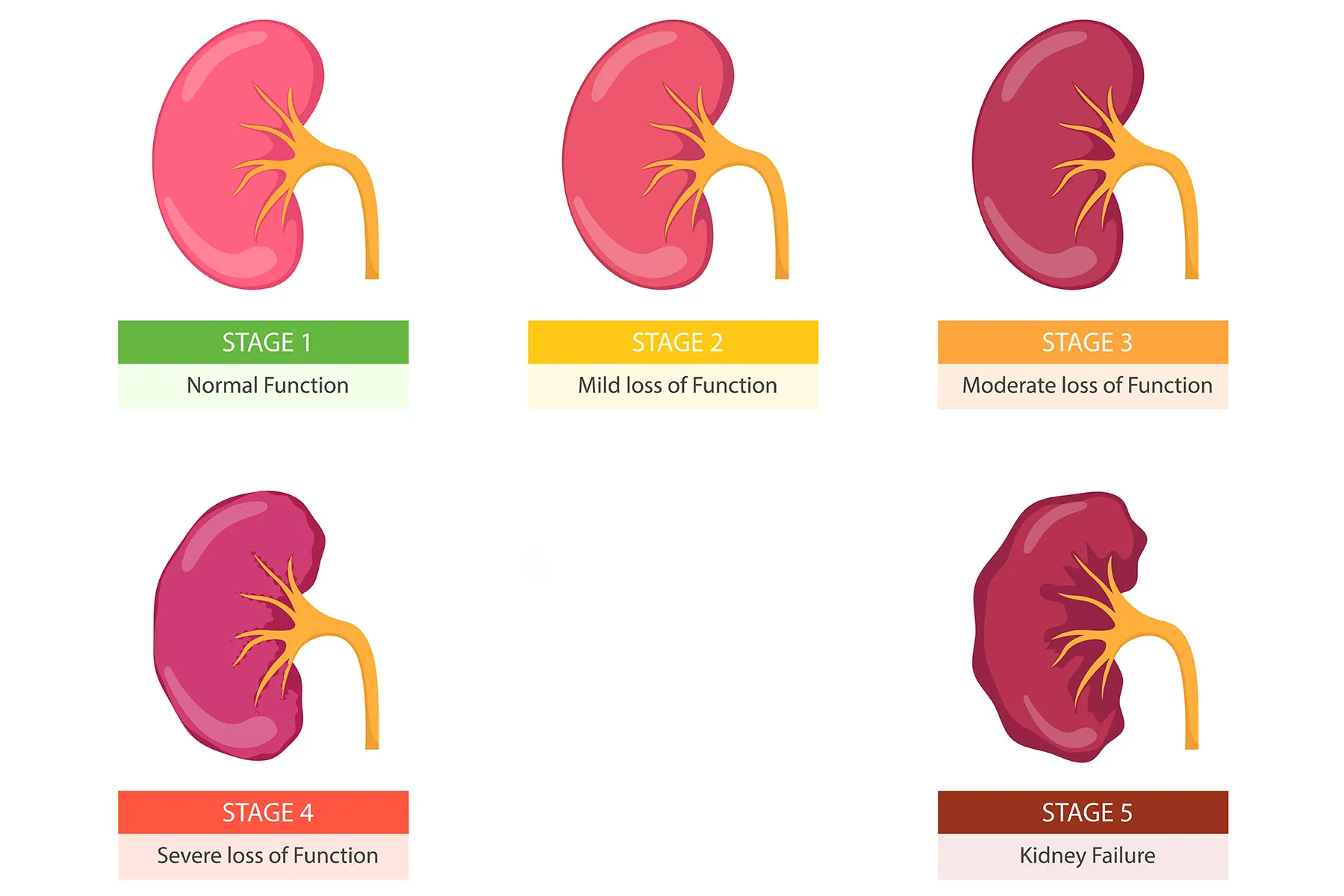
Acute kidney failure, also called acute renal failure or more commonly acute kidney injury (AKI), is the medical version of your kidneys suddenly putting up a “closed for maintenance” sign. The problem is that your kidneys do not get to take casual coffee breaks. They filter waste, balance fluids, regulate electrolytes, support blood pressure control, and help keep the body’s chemistry from turning into a chaotic science experiment.
Unlike chronic kidney disease, which usually develops slowly over months or years, acute kidney failure can happen within hours or days. It is especially common in people who are already seriously ill, hospitalized, recovering from surgery, dehydrated, taking certain medications, or living with conditions such as diabetes, high blood pressure, heart disease, or liver disease.
The good news? Acute kidney failure is often treatable, and in many cases kidney function can improve when the underlying cause is found early and managed quickly. The not-so-good news? AKI can become dangerous fast, sometimes leading to fluid overload, high potassium, severe acid buildup, confusion, breathing problems, or the need for dialysis. In other words, this is not one of those “let’s wait and see after the weekend” health issues.
What Is Acute Kidney Failure?
Acute kidney failure occurs when the kidneys suddenly lose their ability to filter waste products from the blood. As waste, fluid, and electrolytes build up, the body can become unbalanced quickly. Doctors often use the term acute kidney injury because the condition can range from mild, temporary kidney stress to severe kidney shutdown.
Your kidneys are small but mighty organs located on either side of your spine, just below the rib cage. They filter blood, remove waste through urine, help control blood pressure, activate vitamin D, and balance minerals such as sodium, potassium, calcium, and phosphorus. When kidney function drops suddenly, many body systems feel the impact.
Acute Kidney Failure vs. Chronic Kidney Disease
Acute kidney failure and chronic kidney disease are related but not the same. Think of acute kidney failure as a sudden power outage. Chronic kidney disease is more like a dimmer switch slowly turning down over time.
Acute Kidney Failure
Acute kidney failure develops rapidly, often within hours to a few days. It may happen after severe dehydration, infection, blood loss, medication toxicity, surgery, blocked urine flow, or sudden illness. With fast treatment, kidney function may return fully or partially.
Chronic Kidney Disease
Chronic kidney disease usually progresses over at least three months and is commonly linked to diabetes, high blood pressure, inherited kidney conditions, autoimmune disease, or long-term kidney damage. Chronic kidney disease may not be reversible, but treatment can slow its progression.
One important detail: acute kidney injury can increase the risk of future chronic kidney disease, especially if the injury is severe, repeated, or not fully resolved.
Common Symptoms of Acute Kidney Failure
Acute kidney failure symptoms can be sneaky. Some people have clear warning signs, while others have few symptoms until blood tests reveal a problem. This is why AKI is often discovered in hospitals during routine lab monitoring.
Early Symptoms
- Urinating less than usual
- Swelling in the feet, ankles, legs, face, or hands
- Fatigue or unusual weakness
- Nausea or vomiting
- Loss of appetite
- Shortness of breath
- Confusion, brain fog, or trouble concentrating
- Chest pressure or irregular heartbeat
- Muscle cramps
- High blood pressure
More Serious Warning Signs
Seek urgent medical care if you or someone else has very low urine output, sudden swelling, severe vomiting, confusion, fainting, chest pain, trouble breathing, blood in the urine, severe flank or back pain, or symptoms after a major illness, surgery, injury, or infection.
Here is the tricky part: urine output can sometimes remain normal even when kidney function is declining. So yes, your kidneys can be in trouble even if the bathroom schedule seems business as usual. Blood and urine tests are often needed to know what is really happening.
What Causes Acute Kidney Failure?
Doctors often group the causes of acute kidney failure into three broad categories: reduced blood flow to the kidneys, direct kidney damage, and blocked urine flow. These categories help guide treatment because fixing the cause is the main event.
1. Reduced Blood Flow to the Kidneys
The kidneys need a steady blood supply to filter properly. When blood flow drops, the kidneys may not get enough oxygen and nutrients. Common causes include:
- Severe dehydration from vomiting, diarrhea, heat illness, or poor fluid intake
- Major blood loss
- Sepsis or severe infection
- Heart failure or heart attack
- Severe burns
- Shock from injury or illness
- Liver failure or advanced liver disease
- Overuse of diuretics or blood pressure medicines in certain situations
Example: A person gets a stomach virus, cannot keep fluids down for two days, continues taking a water pill, and becomes severely dehydrated. Their kidneys may suddenly struggle because the “water pressure” in the system drops too low.
2. Direct Damage to the Kidneys
Sometimes the kidney tissue itself becomes injured. This may happen because of inflammation, toxins, infection, or reduced oxygen. Possible causes include:
- Acute tubular necrosis, often caused by low blood flow, toxins, or severe illness
- Certain antibiotics, antivirals, chemotherapy drugs, or contrast dyes used in imaging tests
- Heavy or prolonged use of NSAIDs such as ibuprofen or naproxen, especially in high-risk people
- Autoimmune diseases such as lupus or vasculitis
- Glomerulonephritis, an inflammation of the kidney’s filtering units
- Rhabdomyolysis, when severe muscle breakdown releases damaging proteins into the blood
- Severe infections
- Blood clots in or around the kidneys
Medications are a major reason doctors ask what you take, including over-the-counter drugs and supplements. Your kidneys do not care whether a pill came from a prescription bottle, a pharmacy shelf, or a wellness influencer’s “miracle stack.” If it affects blood flow or kidney tissue, it matters.
3. Blocked Urine Flow
When urine cannot leave the body properly, pressure can build up and damage the kidneys. Causes of urinary blockage include:
- Kidney stones
- Enlarged prostate
- Blood clots in the urinary tract
- Bladder or prostate cancer
- Cervical, colon, or pelvic tumors pressing on the urinary tract
- Nerve problems that affect bladder emptying
Blocked urine flow is like a sink with a clogged drain. The faucet may still work, but pressure and backup can cause damage if the blockage is not cleared.
Who Is at Higher Risk?
Acute kidney failure can happen to anyone, but some people are more vulnerable. Risk factors include older age, hospitalization, intensive care treatment, major surgery, diabetes, high blood pressure, heart disease, liver disease, chronic kidney disease, cancer treatment, severe infection, dehydration, and use of kidney-stressing medications.
People who work outdoors in extreme heat, athletes training heavily without proper hydration, and individuals with repeated episodes of dehydration may also face increased kidney stress. Hydration is not a magic shield, but it is one of the kidneys’ favorite love languages.
How Doctors Diagnose Acute Kidney Failure
Diagnosis usually begins with symptoms, medical history, medication review, and laboratory tests. A doctor may ask about recent illness, surgery, infections, fluid loss, imaging studies with contrast dye, new medications, supplements, and changes in urination.
Common Tests
- Blood creatinine: A waste product that rises when kidney filtration drops.
- Blood urea nitrogen (BUN): Another waste marker that may increase with kidney dysfunction or dehydration.
- Electrolytes: Potassium, sodium, bicarbonate, and other levels help identify dangerous imbalances.
- Urinalysis: Checks for protein, blood, casts, infection signs, and concentration.
- Urine output monitoring: Helps determine how much urine the kidneys are producing.
- Ultrasound or imaging: May look for blockage, swelling, stones, or structural problems.
- Kidney biopsy: Rarely needed, but useful when inflammation or specific kidney disease is suspected.
Doctors may also estimate glomerular filtration rate, or eGFR, although in acute kidney failure this number can shift quickly and must be interpreted carefully.
Treatment for Acute Kidney Failure
Treatment depends on the cause, severity, and complications. The main goal is simple: support the body, correct the trigger, prevent further kidney damage, and give the kidneys a chance to recover.
Treating the Underlying Cause
If dehydration is the problem, IV fluids may be needed. If infection is the trigger, antibiotics and sepsis treatment may be urgent. If a medication is harming the kidneys, it may need to be stopped or changed. If urine flow is blocked, doctors may use a catheter, procedure, or surgery to relieve the obstruction.
Balancing Fluids
Some people with AKI need fluids because they are dehydrated. Others need fluid restriction or diuretics because the body is overloaded. This is why “drink more water” is not always the correct answer. In kidney failure, fluid advice should match the person’s condition.
Managing Electrolytes
High potassium is one of the most dangerous complications of acute kidney failure because it can affect heart rhythm. Treatment may include medications, dietary potassium restriction, IV therapies, or dialysis in severe cases.
Diet Changes
A temporary kidney-friendly diet may limit sodium, potassium, phosphorus, and sometimes protein. The plan depends on lab results and whether dialysis is needed. This does not mean everyone with AKI must eat bland food forever, but it may mean giving the kidneys a quieter workload while they heal.
Dialysis
Dialysis may be needed if waste products, potassium, acid, or fluid build up to dangerous levels. It may also be used when symptoms such as severe confusion, breathing trouble, or uncontrolled swelling occur. In many acute kidney failure cases, dialysis is temporary. However, some people with severe injury or previous kidney disease may need longer-term treatment.
Can Acute Kidney Failure Be Reversed?
Yes, acute kidney failure can often improve, especially when treated early and when the person had healthy kidneys before the episode. Recovery may take days, weeks, or longer. Some people return to normal kidney function, while others recover partially. A severe AKI episode can leave lasting kidney damage and increase future risk for chronic kidney disease.
Follow-up testing is important after discharge from the hospital or after treatment in a clinic. Kidney numbers may look better before they are fully stable, so skipping follow-up is like turning off the smoke alarm because the kitchen stopped smelling smoky.
Complications of Acute Kidney Failure
Without proper treatment, acute kidney failure can lead to serious complications, including:
- Fluid buildup in the lungs or legs
- High potassium and dangerous heart rhythms
- Metabolic acidosis, when acid builds up in the blood
- Uremia, a buildup of waste products that may cause nausea, confusion, or bleeding problems
- High blood pressure
- Seizures or coma in severe cases
- Permanent kidney damage
- Higher risk of chronic kidney disease
Prevention: How to Protect Your Kidneys
Not every case of acute kidney failure can be prevented, especially when it happens during severe illness or emergency surgery. Still, many kidney injuries can be reduced with smart habits and early care.
Stay Hydrated, Especially During Illness or Heat
Dehydration is a common AKI trigger. Drink fluids during hot weather, intense exercise, fever, vomiting, or diarrhea. If you cannot keep fluids down, feel dizzy, stop urinating normally, or become very weak, seek medical care.
Use NSAIDs Carefully
NSAIDs such as ibuprofen and naproxen can reduce blood flow to the kidneys, especially in people with kidney disease, dehydration, heart failure, high blood pressure, or diabetes. Use them only as directed, and ask a healthcare professional if they are safe for you.
Manage Blood Pressure and Diabetes
High blood pressure and diabetes are major kidney stressors. Keeping blood pressure and blood sugar in target ranges helps protect kidney function over time and may lower the risk of severe injury during illness.
Tell Doctors About Kidney Risk Before Imaging Tests
Some imaging tests use contrast dye. Most people tolerate it well, but those with kidney disease or other risk factors may need extra precautions, alternative imaging, or hydration planning.
Review Medications Regularly
Ask your doctor or pharmacist to review prescription drugs, over-the-counter medicines, and supplements. This is especially important after hospital stays, new diagnoses, or changes in kidney function.
Do Not Ignore Urinary Symptoms
Trouble urinating, severe flank pain, blood in urine, repeated urinary tract infections, or symptoms of kidney stones deserve medical attention. A blockage caught early is much easier to handle than one that has been quietly pressurizing the kidneys.
When to See a Doctor
Contact a healthcare professional promptly if you notice reduced urination, swelling, persistent nausea, unusual fatigue, confusion, shortness of breath, or symptoms after dehydration, infection, surgery, or medication changes.
Go to urgent care or the emergency room for severe weakness, fainting, chest pain, difficulty breathing, confusion, inability to urinate, severe dehydration, or symptoms of sepsis such as fever, rapid breathing, fast heart rate, clammy skin, or extreme sleepiness.
Living Through Acute Kidney Failure: Practical Experiences and Lessons
Many people who experience acute kidney failure describe it as surprising because the symptoms do not always scream “kidney problem.” One person may feel wiped out after several days of vomiting and assume they are just exhausted. Another may notice swollen ankles and blame salty takeout. Someone recovering from surgery may think confusion or fatigue is part of the healing process. AKI often wears a disguise, and that is what makes awareness so valuable.
A common experience is learning that “normal habits” may not be safe during illness. For example, a person with high blood pressure may take their usual medications while also having diarrhea and poor fluid intake. Another may take ibuprofen for body aches during a fever. These choices are understandable, but in certain situations they can strain the kidneys. The lesson is not to panic about every pill or every stomach bug. The lesson is to ask for guidance when illness changes hydration, blood pressure, or urine output.
People recovering from AKI often say that follow-up appointments matter more than they expected. After the emergency is over, it is tempting to celebrate by never thinking about creatinine again. Fair enoughcreatinine is not exactly dinner-party material. But repeat blood and urine tests help confirm that kidney function is truly recovering. They also help doctors adjust medications, review diet needs, and catch lingering problems before they become long-term damage.
Another real-world lesson is that kidney-friendly living does not have to be dramatic. It often begins with ordinary, unglamorous steps: drink fluids appropriately, avoid medication overuse, control blood pressure, manage diabetes, keep follow-up visits, and speak up when urination changes. The kidneys are not asking for a parade. They mostly want consistency, circulation, and fewer surprise attacks from dehydration or risky drug combinations.
Family members and caregivers can help by watching for subtle changes, especially in older adults. New confusion, sudden sleepiness, swelling, poor appetite, or fewer bathroom trips can be clues. Keeping a simple list of medications, recent illnesses, and symptoms can make medical visits more productive. In emergencies, that information can save time, and time is precious when kidney function is dropping quickly.
The emotional side also deserves attention. Being told your kidneys are failing, even temporarily, can be frightening. Dialysis, hospital stays, and abnormal lab results can make anyone feel as if their body has betrayed them. But acute kidney failure is often a treatable event, not a life sentence. Many people recover well, especially when the cause is identified early and care is coordinated. The best mindset is calm urgency: take it seriously, act quickly, ask questions, and follow the recovery plan.
Conclusion
Acute kidney failure is a sudden decline in kidney function that can become serious quickly, but early recognition and treatment can make a major difference. Symptoms may include reduced urination, swelling, fatigue, nausea, confusion, shortness of breath, and high blood pressure. Causes often involve reduced blood flow, direct kidney damage, or blocked urine flow. Treatment focuses on correcting the cause, balancing fluids and electrolytes, stopping harmful medications when appropriate, and using dialysis when necessary.
Prevention starts with protecting kidney blood flow, staying hydrated during illness or heat, managing diabetes and high blood pressure, using NSAIDs carefully, and getting medical care for urinary symptoms or severe infections. Your kidneys work quietly, but they are not optional equipment. Treat them like the loyal, hardworking filters they are.
Note: This article is for educational purposes only and does not replace professional medical advice, diagnosis, or treatment. Anyone with symptoms of acute kidney failure or sudden changes in urination, swelling, breathing, or mental status should seek medical care promptly.