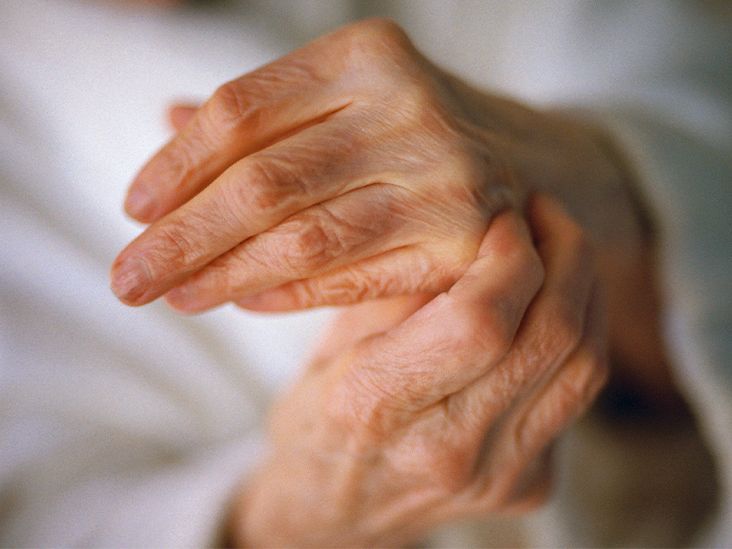
Joint pain has a talent for making itself the main character. One day your knee complains when you climb stairs. Another day your fingers feel stiff enough to negotiate a labor contract. Naturally, many people reach for the word “arthritis” whenever a joint hurts. But here’s the plot twist: not all joint pain is arthritis. Sometimes the more accurate word is arthralgia.
Understanding arthritis vs. arthralgia is more than a vocabulary exercise. It can help you describe symptoms clearly, know when to seek medical care, and understand why one person may need anti-inflammatory treatment while another may simply need rest, physical therapy, or evaluation for an injury. In plain English, arthralgia means joint pain. Arthritis means a joint condition that typically involves inflammation, damage, or disease affecting the joint.
Think of arthralgia as the smoke alarm and arthritis as one possible fire. The alarm tells you something hurts. The cause could be arthritis, but it could also be strain, infection, gout, bursitis, tendon irritation, medication side effects, or yesterday’s heroic decision to move a sofa without help.
What Is Arthralgia?
Arthralgia is the medical term for pain in one or more joints. It describes a symptom, not a diagnosis. That distinction matters. Saying “I have arthralgia” is similar to saying “I have a headache.” It tells us what you feel, but not why it is happening.
Arthralgia may affect the knees, hips, shoulders, wrists, fingers, ankles, toes, or nearly any joint in the body. It can be mild and temporary, such as soreness after overuse, or intense and persistent, such as pain related to autoimmune disease or infection. Some people feel sharp pain with movement. Others notice a dull ache at rest. The joint may look completely normal, or it may come with swelling, warmth, stiffness, or limited range of motion.
Common Causes of Arthralgia
Arthralgia can have many causes. Some are simple and short-lived. Others deserve prompt medical attention. Common possibilities include:
- Overuse from exercise, repetitive work, or sudden activity changes
- Sprains, strains, or direct joint injuries
- Viral or bacterial infections
- Inflammatory conditions, including rheumatoid arthritis or lupus
- Osteoarthritis or cartilage wear
- Gout, which can cause sudden severe joint pain
- Tendonitis or bursitis near a joint
- Medication reactions or certain medical treatments
Because arthralgia is only the symptom, the key question is not “Do I have arthralgia?” but “What is causing my joint pain?” That answer usually depends on the pattern of pain, how long it lasts, whether inflammation is present, and whether other symptoms appear.
What Is Arthritis?
Arthritis refers to a large group of conditions that affect joints. The word literally points to joint inflammation, but in everyday medical use it includes many disorders that can cause joint pain, stiffness, swelling, reduced movement, and sometimes long-term joint damage.
There are more than 100 types of arthritis and related rheumatic conditions. The most familiar are osteoarthritis and rheumatoid arthritis, but others include gout, psoriatic arthritis, ankylosing spondylitis, juvenile arthritis, and infectious arthritis. Each type has its own causes, risk factors, symptoms, and treatment approach.
Common Signs of Arthritis
Arthritis often includes joint pain, but pain alone does not prove arthritis. Doctors look for a broader pattern, such as:
- Swelling around the joint
- Warmth or redness
- Morning stiffness or stiffness after rest
- Reduced range of motion
- Joint tenderness
- Symptoms lasting for weeks or returning repeatedly
- Fatigue, fever, rash, or other body-wide symptoms in some inflammatory conditions
In other words, arthritis is not just a cranky joint having a bad day. It often reflects a disease process in or around the joint.
Arthritis vs. Arthralgia: The Core Difference
The simplest difference is this: arthralgia means joint pain; arthritis means a joint disease or inflammatory joint condition that may cause pain. Arthralgia can happen without arthritis, but arthritis commonly causes arthralgia.
Here is a practical comparison:
| Feature | Arthralgia | Arthritis |
|---|---|---|
| Meaning | Joint pain | Joint inflammation, damage, or disease |
| Type of term | Symptom | Diagnosis or disease category |
| Inflammation required? | No | Often yes, depending on type |
| Examples | Knee pain after overuse, wrist pain after strain | Osteoarthritis, rheumatoid arthritis, gout |
| Treatment focus | Find and treat the cause of pain | Manage the specific arthritis type and protect joints |
A person with rheumatoid arthritis may have arthralgia in both hands. A person with arthralgia after twisting an ankle may not have arthritis at all. That is why the two terms overlap but should not be used as twins wearing matching sweaters.
Types of Arthritis That Can Cause Arthralgia
Osteoarthritis
Osteoarthritis is the most common type of arthritis. It often develops when cartilage and other joint structures change over time, leading to pain, stiffness, and reduced function. It frequently affects the knees, hips, hands, spine, and feet. People may notice symptoms that worsen with activity and improve with rest, although advanced osteoarthritis can ache even when the joint is not working overtime.
Osteoarthritis is not simply “old age in your knees.” Age is a risk factor, but joint injury, excess body weight, genetics, muscle weakness, and repetitive stress can also contribute. Treatment often includes exercise, weight management when appropriate, physical therapy, assistive devices, pain relief strategies, and sometimes injections or surgery.
Rheumatoid Arthritis
Rheumatoid arthritis, or RA, is an autoimmune disease. Instead of politely defending the body, the immune system attacks joint lining and may cause swelling, pain, stiffness, and damage. RA often affects smaller joints of the hands and feet and commonly appears in a symmetrical pattern, meaning both sides of the body may be involved.
Morning stiffness lasting a long time, swollen knuckles, fatigue, and symptoms lasting more than several weeks may raise concern for inflammatory arthritis. Early diagnosis matters because treatment can help control inflammation and reduce the risk of joint damage.
Gout
Gout is a form of inflammatory arthritis caused by uric acid crystal buildup in a joint. It can arrive dramatically, like a villain kicking open the door at 2 a.m. The big toe is a classic target, but gout can affect ankles, knees, wrists, and fingers. Attacks may cause sudden severe pain, redness, warmth, and swelling.
Psoriatic Arthritis
Psoriatic arthritis can occur in people with psoriasis, though joint symptoms may appear before obvious skin changes. It may cause swollen fingers or toes, nail changes, back pain, tendon pain, and joint stiffness. Because symptoms can vary widely, diagnosis may require careful evaluation.
How Doctors Tell the Difference
When a healthcare provider evaluates joint pain, they are not just asking, “Where does it hurt?” They are building a detective board, hopefully with fewer red strings than a crime show. Important clues include:
- Which joint or joints hurt
- Whether the pain is on one side or both sides
- When symptoms started
- Whether there was an injury
- How long morning stiffness lasts
- Whether the joint is swollen, warm, or red
- Whether movement makes pain better or worse
- Whether there are fevers, rashes, fatigue, eye symptoms, or weight changes
- Family history of autoimmune disease or arthritis
Diagnosis may involve a physical exam, medical history, blood tests, X-rays, ultrasound, MRI, or joint fluid analysis. For example, blood tests can help evaluate inflammation or autoimmune markers in suspected rheumatoid arthritis. Imaging can show joint damage, cartilage loss, or other structural problems. Joint fluid testing may help diagnose gout or infection.
When Joint Pain Is More Than “Just Pain”
Some joint pain can be managed with rest and simple self-care. However, certain symptoms should not be ignored. Seek medical care if joint pain is severe, follows a significant injury, comes with fever, causes sudden swelling, makes the joint look red or hot, prevents walking or normal use, or lasts longer than a few days without improvement.
You should also talk with a healthcare professional if joint pain keeps returning, involves several joints, causes long morning stiffness, or comes with fatigue, rash, unexplained weight loss, or eye inflammation. Those signs can suggest a systemic condition rather than a temporary ache.
Treatment: Why the Difference Matters
Treatment for arthralgia depends on the underlying cause. If the pain comes from a minor strain, rest, ice or heat, gentle movement, and temporary over-the-counter pain relief may help. If the pain comes from inflammatory arthritis, the treatment plan may include disease-specific medications that target inflammation and immune activity.
For osteoarthritis, care often focuses on improving function, strengthening muscles around the joint, reducing stress on painful areas, and managing pain. For rheumatoid arthritis, treatment may include disease-modifying antirheumatic drugs, biologic medications, monitoring, and regular care from a rheumatology team. For gout, treatment may involve medication to calm flares and strategies to reduce uric acid levels.
This is why self-diagnosing every joint ache as “arthritis” can lead you down the wrong hallway. A sore knee after hiking and autoimmune joint inflammation are not the same medical story, even if both complain loudly.
Self-Care Strategies That Support Joint Health
Keep Moving, But Be Kind to Your Joints
Movement is often helpful for joint health, especially low-impact activities such as walking, swimming, cycling, tai chi, and gentle strength training. The goal is not to punish your joints into obedience. The goal is to improve flexibility, support muscles, circulation, balance, and function.
Use Heat and Cold Wisely
Heat may help relax stiff joints and muscles, especially in the morning. Cold packs may help reduce swelling or calm pain after activity. A simple rule: heat for stiffness, cold for swelling. Your joints may have opinions, so pay attention to what actually helps.
Protect Painful Joints
Joint protection can include using supportive shoes, changing repetitive motions, adjusting workstations, using jar openers or larger grips, and taking breaks before pain escalates. There is no trophy for opening a stubborn pickle jar with inflamed fingers. Use the tool. Preserve the hand.
Track Symptoms
A symptom journal can help you and your healthcare provider spot patterns. Note when pain happens, which joints are involved, what activities trigger it, how long stiffness lasts, and whether swelling appears. Patterns often tell the story that a single appointment cannot capture.
Real-Life Examples: Arthritis or Arthralgia?
Example 1: The Weekend Warrior Knee
Marcus plays basketball for the first time in six months and wakes up with knee pain. There is no swelling, redness, or warmth. The pain improves over several days with rest and gentle stretching. This is arthralgia, likely from overuse or strain, not necessarily arthritis.
Example 2: The Stiff Morning Hands
Linda has pain and swelling in both hands. Her fingers feel stiff for more than an hour every morning, and symptoms have lasted eight weeks. This pattern raises concern for inflammatory arthritis, such as rheumatoid arthritis, and deserves medical evaluation.
Example 3: The Big Toe Emergency
Jordan wakes up with sudden, severe pain in the big toe. The joint is red, hot, and swollen. Even a bedsheet feels offensive. This could be gout, a type of inflammatory arthritis that can cause intense arthralgia.
Experience-Based Insights: Living With Joint Pain Without Guessing Wrong
People who live with recurring joint pain often learn one lesson quickly: the body is a terrible texter. It sends vague messages like “knee angry” or “wrist suspicious,” and then expects you to decode the meaning. That is why understanding arthritis vs. arthralgia can change the way you respond to symptoms.
One practical experience many people share is that pain alone can be misleading. A joint may hurt badly after a long day of gardening, painting, typing, or carrying groceries, but then improve with rest. That kind of arthralgia may be related to overuse. On the other hand, a joint that becomes swollen, warm, stiff every morning, and painful for weeks is sending a more serious message. It is not being dramatic; it may be asking for a proper medical evaluation.
Another common experience is the temptation to stop moving completely. When joints hurt, the couch starts looking like a licensed medical professional. Rest can be useful after an injury or flare, but long periods of inactivity may increase stiffness and weakness. Many people do better with gentle, joint-friendly movement. A short walk, water exercise, stretching, or physical therapy routine can feel small, but consistency often matters more than intensity.
People with chronic arthritis also learn the value of pacing. Instead of cleaning the entire house in one heroic Saturday mission, they may divide tasks into smaller rounds. Instead of carrying every grocery bag in one trip like a competitive raccoon, they use a cart or make multiple trips. These adjustments are not signs of weakness. They are smart joint management.
Communication is another major lesson. Saying “my joints hurt” is useful, but saying “both wrists are swollen, stiff for 90 minutes in the morning, and worse after rest” gives a healthcare provider much better information. Details help separate general arthralgia from possible inflammatory arthritis.
Finally, many people discover that joint pain affects mood, sleep, work, and confidence. It can make simple tasks feel like negotiations. That emotional burden is real. The good news is that accurate diagnosis, early treatment, movement, supportive tools, and lifestyle adjustments can help many people stay active and independent. The first step is naming the problem correctly: arthralgia is the pain; arthritis may be one reason for it.
Conclusion
The difference between arthritis and arthralgia is simple but important. Arthralgia means joint pain. Arthritis refers to joint disease, inflammation, or damage that can cause pain, stiffness, swelling, and reduced function. Arthritis can cause arthralgia, but arthralgia does not always mean arthritis.
If your joint pain is mild and short-lived, it may improve with careful self-care. But if pain is severe, persistent, swollen, warm, red, symmetrical, or paired with fatigue or long morning stiffness, it is worth getting checked. Your joints do a lot for you. The least you can do is listen before they start filing formal complaints.