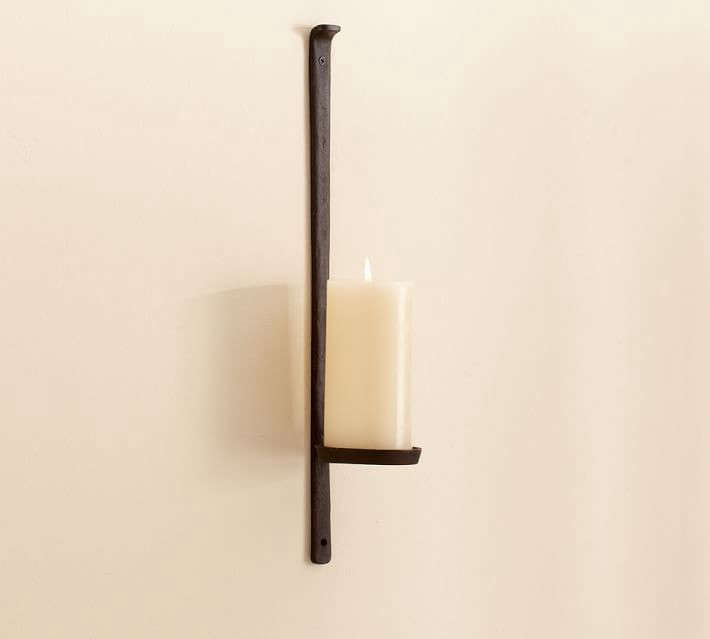
There is lighting, and then there is candlelightthe flattering little magician that makes dinner look more elegant, furniture look more expensive, and everyone at the table look as though they recently returned from a relaxing vacation.
Artisanal candle holders make that glow even more compelling. Unlike anonymous, factory-perfect accessories, handmade candle holders reveal how they were shaped. You may see the potter’s fingerprints, the hammer marks of a metalsmith, tiny bubbles in blown glass, or the grain of hand-turned wood. These details are not defects. They are the decorative equivalent of a signature.
Available in ceramic, brass, iron, glass, stone, concrete, and mixed materials, artisanal candle holders can function as practical objects, small sculptures, or both. Museums and craft organizations document candle holders made from everything from glazed ceramic and bronze to carved wood, recycled glass, and elaborate combinations of metal and glass, showing how long designers have treated the humble candlestick as an opportunity for artistic expression.
What Makes a Candle Holder Artisanal?
The word artisanal is used rather freely these days. It can describe a hand-thrown bowl, a small-batch loaf of bread, or apparently a bag of potato chips wearing a rustic-looking label. In the case of candle holders, the term should indicate meaningful involvement by a skilled maker.
Evidence of the Human Hand
A genuinely handcrafted candle holder usually contains subtle variations. A ceramic rim may be slightly irregular. A forged iron arm may curve differently from the one beside it. Handblown glass may contain tiny bubbles, while carved wood may show tool marks or natural changes in color.
Uniformity is not necessarily the goal. The appeal comes from the relationship between design and process. The maker responds to the material rather than forcing every object to look as though it marched out of the same mold wearing the same tiny uniform.
Small-Batch or Individual Production
Many artisan candle holders are made individually or in limited batches. A potter may throw twenty bases and glaze each one differently. A metalworker may cut and weld a series by hand. A glass artist may repeat a form while allowing heat, gravity, and color to create natural variation.
Small-batch production also makes experimentation possible. Makers can test unusual silhouettes, combine reclaimed materials, or introduce seasonal colors without committing to thousands of identical units.
A Clear Material Story
Good artisanal work lets the material remain recognizable. Clay looks earthy rather than disguised as plastic. Hammered brass displays texture. Wood retains its grain. Glass plays with transparency, refraction, and color.
Contemporary craft coverage frequently highlights handmade candle holders in clay, metal, and glass as functional objects that make the simple act of lighting a candle more beautiful. Responsible design reporting also points toward reclaimed, recyclable, natural, locally made, and fair-trade materials as increasingly important parts of thoughtful home decorating.
Popular Materials for Handmade Candle Holders
Ceramic Candle Holders
Ceramic is one of the most expressive choices because clay can be pinched, coiled, slab-built, carved, molded, or thrown on a wheel. The finished holder might be smooth and minimalist, deliberately lumpy, painted with folk motifs, or coated in a glossy glaze that reflects the flame.
Stoneware and porcelain are common choices for refined pieces, while terra-cotta brings warmth and a casual, sunbaked quality. Because glaze results can vary during firing, two holders from the same collection may look like siblings rather than identical twins.
Ceramic holders work especially well in organic modern, Mediterranean, farmhouse, eclectic, and Scandinavian-inspired interiors. Neutral versions blend easily with existing tableware, while colorful glazed designs can become the main event on a mantel or dining table.
Hand-Forged Metal Candle Holders
Iron, brass, bronze, copper, and steel can produce everything from slender taper holders to dramatic multi-arm candelabras. Forged metal often carries visible hammer marks, welded joints, oxidized areas, or a developing patina.
Metal is particularly effective when the design relies on narrow lines, long arms, or sculptural curves. A dark iron holder can introduce contrast to a pale room, while brass and bronze reflect warm candlelight and become richer-looking as their surfaces age.
Recent design coverage has featured hand-forged iron, patinated brass, wrought iron, sculptural sconces, and folk-inspired candelabras, reinforcing the idea that a candle holder can operate as “tabletop jewelry” even when no candle is burning.
Art Glass Candle Holders
Glass brings light into the object itself. Clear glass creates sparkle and visual airiness, colored glass casts tinted shadows, and frosted glass softens the flame. Handblown pieces may include swirls, trapped bubbles, stretched color, ribbed surfaces, or thick sculptural bases.
Historical and contemporary glass collections demonstrate just how inventive the category can become, from colorful candlesticks with contrasting bases to multi-arm pieces combining hot-worked glass, metal fittings, and decorative drops. Recycled bottles can even be cut, joined, etched, and transformed into sophisticated holders.
Glass candle holders are useful when a room already contains heavy furniture or dense patterns because they add interest without creating too much visual weight. They are also excellent on a holiday table, where every flame gets a little extra sparkle for doing almost no additional work.
Wooden Candle Holders
Hand-turned wood candle holders offer warmth, grain, and a reassuring sense of substance. Walnut feels polished and dramatic, maple appears clean and light, and reclaimed wood can introduce knots, cracks, and traces of an earlier life.
Look for smooth shaping, a balanced base, and a properly fitted candle cup. Because wood is combustible, the area directly surrounding the flame should be thoughtfully designed, commonly with adequate distance, a protective insert, or a metal candle socket.
Wooden holders pair naturally with linen, stoneware, woven fibers, and seasonal greenery. A single oversized holder can look sculptural, while a group of turned pieces in different heights creates an easy, collected arrangement.
Stone and Concrete Candle Holders
Marble, soapstone, travertine, cast stone, and concrete provide stability and architectural presence. These materials are ideal for simple geometric designs because their veining, pores, and tonal variation create enough interest without decorative acrobatics.
Concrete can be surprisingly playful. Small-batch makers have shaped it into forms that resemble pillows, folded fabric, pebbles, and other soft objectsthe sort of visual joke that makes guests touch the piece and say, “Wait, that is concrete?”
How to Choose Artisanal Candle Holders
Match the Holder to the Candle
Taper holders need sockets that grip candles securely and keep them upright. Pillar holders require broad, level surfaces with enough room to catch wax. Tea-light and votive holders should provide ventilation while shielding nearby surfaces from heat.
Measure the candle opening before buying. “Standard taper” is helpful language, but actual diameters vary. A beautiful candlestick that cannot hold a candle straight is merely a tiny sculpture with an identity crisis.
Check the Weight and Balance
A reliable holder should sit flat and resist tipping. Tall designs need wider or heavier bases, especially when used on dining tables, sideboards, or surfaces that may be bumped.
Inspect photographs from multiple angles when shopping online. Look for a clear view of the underside, candle socket, drip tray, and overall proportions. Product descriptions should identify the material, dimensions, recommended candle size, care instructions, and whether the surface has been sealed.
Look Closely at Craftsmanship
Handmade does not mean carelessly made. Charming irregularity is different from instability, sharp unfinished edges, weak joints, or a badly tilted candle cup.
For ceramics, examine the base and glaze coverage. For metal, look at welds and seams. For wood, check whether the grain has been sanded and sealed. For glass, distinguish intentional bubbles from cracks or structural damage.
Buy for Your Home, Not a Passing Photograph
Choose a piece that works with objects you already own. Consider your tableware, furniture finishes, wall colors, and the places where the holder will spend most of its time.
Neutral handmade candle holders are versatile, but color should not be feared as though it has arrived carrying legal paperwork. Deep cobalt glass, tomato-red ceramic, green glaze, or aged brass can energize an otherwise quiet room.
Styling Artisanal Candle Holders at Home
Create a Collected Dining-Table Arrangement
Mixing holders of different heights produces rhythm and keeps a centerpiece from looking flat. A tall taper holder can be paired with a lower ceramic piece, a small vase, and a simple bowl. Repeating one color, finish, or material prevents the arrangement from becoming visual soup.
Design publications regularly recommend staggered holders, varied candle heights, clustered displays, and intentionally mismatched tabletop objects. A long table can support a sequence of individual candles, while a smaller round table usually benefits from one compact group that leaves room for plates, glasses, and the heroic arrival of dessert.
Style a Mantel or Shelf
On a mantel, arrange artisanal candle holders asymmetrically. Place two or three pieces on one side and balance them with artwork, a vase, books, or a smaller object on the other. Leaving open space keeps the display relaxed.
Groups often appear more intentional when the holders share one feature, such as blackened metal, rounded shapes, earthy glazes, or a common color family. Collections of varied candlesticks can also be displayed together like miniature sculpture, allowing their differences to become the point.
Add Character to an Entryway
An entry console is an ideal location for a distinctive candle holder because the piece can make an impression before anyone has had time to notice the pile of shoes nearby. Pair it with a mirror, shallow dish, or small arrangement of branches.
For frequently used entryways, flameless candles may be the more practical choice. They preserve the silhouette and glow without placing an open flame in a high-traffic area.
Use Wall-Mounted Candle Sconces
Handmade candle sconces add light to narrow hallways, reading corners, stair landings, and dining rooms without requiring electrical wiring. Metal, ceramic, and carved wood versions can function as wall sculpture during daylight hours.
Current interiors coverage has renewed interest in candle sconces that combine historic shapes with modern finishes. Their appeal comes from the intimate light, flexible placement, and ability to turn an overlooked wall into a deliberate design moment.
Candle Safety Without Spoiling the Mood
Artistry matters, but gravity and fire remain stubbornly committed to the laws of physics. Use holders that are sturdy, heat-resistant, appropriately sized, and placed on stable surfaces.
Trim wicks to approximately one-quarter inch before lighting. Keep burning candles away from drafts, children, pets, curtains, books, bedding, greenery, and other combustible materials. The National Candle Association advises maintaining at least 12 inches from flammable objects and spacing multiple burning candles at least three inches apart. Never leave a flame unattended or move a holder while the wax is liquid.
Check whether the holder is intended for actual candle use. Some sculptural objects are decorative only. When shopping in the United States, information related to ASTM F2058 can provide useful reassurance because that standard addresses fire-safety requirements for candle holders.
Cleaning and Caring for Handmade Candle Holders
Allow every holder to cool completely before cleaning it. Hardened wax can often be loosened gently with a wooden or plastic tool. Avoid knives and metal scrapers, which can scratch glaze, glass, stone, or polished metal.
Some sturdy holders can be chilled briefly so hardened wax contracts and lifts away more easily, but sudden temperature changes may damage delicate glass or ceramics. Always follow the maker’s care instructions first.
Dust carved surfaces with a soft brush. Wipe sealed wood with a barely damp cloth and dry it immediately. Unlacquered brass may develop a natural patina; polish it only when you prefer a brighter finish. Abrasive cleaners should be avoided unless the maker specifically recommends them.
Store fragile pieces with space between them. A handblown glass holder should not be tossed into a crowded cabinet beside cast-iron cookware unless you enjoy learning expensive lessons.
Why Handmade Candle Holders Are Worth Considering
An artisanal candle holder rarely competes with mass-produced décor on price alone. Its value comes from design, labor, material knowledge, limited production, and the possibility of a direct connection with the maker.
A well-chosen piece can remain useful through multiple homes and decorating phases. Change the candle color, move the holder from table to mantel, or combine it with newer pieces. Quality craft tends to adapt because its appeal is rooted in material and form rather than a short-lived printed slogan.
Buying directly from a local studio, craft fair, gallery, cooperative, or verified maker can also reveal who produced the object and how. Useful questions include where the materials came from, whether reclaimed content was used, how finishes were applied, and whether replacement pieces or repairs are available.
Living With Artisanal Candle Holders: The Real Experience
The experience of owning artisanal candle holders often begins with appearance but becomes more interesting through use. A piece that looked attractive in a product photograph starts responding to its surroundings. Morning light reveals texture in a ceramic glaze. Evening flame warms the color of brass. Wax collects in small ridges, and polished surfaces slowly develop marks that make the object feel lived with rather than merely displayed.
Consider a typical weeknight dinner. The meal may be ordinarypasta, salad, and a heroic attempt to call store-bought bread “rustic.” Place two hand-thrown candle holders on the table, add unscented tapers, and dim the overhead lights. The food has not changed, but the pace of the evening often does. People sit longer. Phones appear less urgent. Even cleanup feels slightly less insulting when performed in a pleasantly glowing room.
Handmade holders also tend to become conversation pieces. Guests notice an irregular glaze, an unexpected curve, or a metal surface shaped by visible hammering. The story behind the object gives them something to discuss: who made it, where it was found, why that color was chosen, or how the material was transformed.
A collected group creates an especially personal effect. One holder may come from a neighborhood pottery market, another from a road trip, and a third from a family member. They do not need to match. Their relationship comes from memory, scale, or the simple fact that someone chose each one deliberately.
There are practical lessons, too. Very tall taper holders can interrupt conversation across a small table. Lightweight designs may be better for shelves than active dining areas. Deeply textured ceramic can hold wax more stubbornly than smooth metal. Clear glass shows every fingerprint, apparently because glass enjoys assigning chores.
Owners often discover that the most useful pieces are neither extremely elaborate nor aggressively neutral. They have enough personality to look complete when empty but enough restraint to work with changing flowers, linens, dinnerware, and seasonal decorations.
Seasonal styling becomes easier as well. The same blackened iron holders can support cream tapers in spring, rust-colored candles in fall, and deep red candles during the holidays. A blue glass holder may feel wintry beside silver accents and summery beside white linen and citrus branches. The object remains constant while its context changes.
Perhaps the most rewarding experience is the development of ritual. Lighting a candle before dinner, during an evening bath, while reading, or at the end of a workday creates a visible transition. The holder gives that transition a physical anchor. It is no longer only a decorative accessory; it becomes part of how the room is used.
This relationship between handmade objects and everyday ritual is frequently explored in contemporary craft writing. Artists and collectors describe handmade ceramics, candle holders, tableware, and other useful objects as sources of connectionto a maker, a place, a tradition, or a daily practice.
Over time, small imperfections may become favorite details. A faint asymmetry helps identify which side faces the room. A brass surface darkens where it is handled. A repaired chip records an accident and a decision not to throw the object away. In a home full of replaceable products, that sense of continuity can feel quietly luxurious.
Conclusion
Artisanal candle holders prove that practical objects do not have to be visually silent. Through clay, metal, glass, wood, stone, and concrete, makers turn a basic support for a candle into an expressive piece of functional art.
The best choice is one that fits the candle securely, remains stable in use, complements your home, and offers enough character to be enjoyed even when unlit. Whether you select a single sculptural holder or build a mismatched collection, handmade pieces can bring texture, warmth, and individuality to everyday spaces.
Choose thoughtfully, care for the material, respect the flame, and allow the holder to age. Candlelight may provide the glow, but craftsmanship gives it somewhere memorable to land.