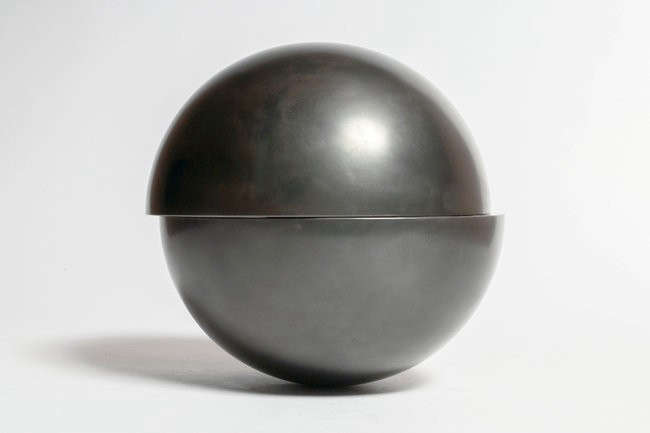
Choosing a cremation urn is one of those tasks nobody puts on a vision board. Yet when the moment arrives, families often discover that an urn is not just a container. It is a small piece of architecture for memory, a quiet object that may sit on a mantel, bookshelf, console table, or bedside stand for years. In other words, it has a job bigger than “hold ashes and don’t look awkward next to the family photos.”
As cremation becomes increasingly common across the United States, more people are thinking about how memorial objects fit into real homes. A modern urn no longer has to look like it escaped from a Victorian parlor with dramatic organ music playing in the background. Today’s best cremation urns can be sculptural, minimal, rustic, handmade, colorful, or nearly invisible within a well-styled room. The right choice respects grief, honors personality, and still manages to pass the important home décor test: “Would this look strange if Aunt Linda came over for coffee?”
This guide explores five mantel-worthy urn styles that balance beauty, practicality, and emotional meaning. It also covers sizing, materials, personalization, display ideas, and what families should know before buying an urn online or through a funeral home.
Why Mantel-Worthy Urns Matter More Than Ever
Cremation has changed the way many Americans think about memorials. Instead of a single cemetery plot, families may choose to scatter remains, divide them among relatives, place them in a columbarium, bury them, or keep them at home. For those who choose home display, the urn becomes part of daily life. It may sit near framed photos, a favorite candle, a vase of fresh flowers, or a small object that belonged to the person being remembered.
A mantel-worthy urn should do three things well. First, it should safely hold the cremated remains. Second, it should feel emotionally appropriate. Third, it should belong visually in the space where it will be placed. That does not mean it needs to match your throw pillows, although if it does, congratulations: grief has unexpectedly met interior design.
Families should also know they have options. Under the FTC Funeral Rule, consumers generally have the right to buy only the funeral goods and services they want, and a funeral provider cannot require a family to buy an urn directly from the funeral home. This matters because urn prices, styles, and customization options vary widely. Shopping carefully is not disrespectful. It is practical.
Before You Choose: The Practical Urn Checklist
Capacity Comes First
Most adult urns are measured in cubic inches. A common rule of thumb is one cubic inch of urn capacity for each pound of body weight before cremation. Many standard adult urns hold around 200 cubic inches, while companion urns for two people are often around 400 cubic inches. Keepsake urns are much smaller and are designed to hold only a portion of cremated remains.
If the urn will hold all remains, confirm the capacity before purchasing. A beautiful urn that is too small is like buying a gorgeous suitcase that cannot fit socks. Lovely, but not helpful.
Think About Where the Urn Will Live
A mantel, bookshelf, bedroom dresser, home office shelf, or dedicated memorial table each calls for a different style. A heavy stone urn may feel grounded on a sturdy mantel but risky on a narrow floating shelf. A glass urn may look radiant in natural light, but it should be placed where it will not be bumped by pets, elbows, or enthusiastic toddlers conducting indoor Olympics.
Consider the Closure
Look for secure lids, threaded openings, bottom closures, or sealed compartments, depending on the design. If the urn may be moved between homes, placed in a niche, or transported, a secure closure becomes especially important.
Plan for Travel or Shipping
If you may travel with cremated remains, choose a temporary or travel-friendly container that can pass through airport screening. Dense metal or stone can be difficult to scan. For mailing, USPS has specific packaging requirements for cremated remains, including secure, sift-proof inner packaging and appropriate labeling. In short: the urn may be beautiful, but logistics still want a seat at the table.
1. The Sculptural Ceramic Urn
A ceramic urn is ideal for families who want something artistic, warm, and visibly handmade. Ceramic has a calm presence. It can be matte, glossy, speckled, raku-fired, porcelain-smooth, or shaped like a modern vessel that would not look out of place in a design magazine. On a mantel, ceramic catches light softly and pairs beautifully with framed photos, dried flowers, greenery, or a simple brass candleholder.
The beauty of ceramic is personality. A blue-glazed urn may evoke the ocean. A soft white vessel may feel peaceful and understated. A hand-thrown form may carry the charm of visible craft, which is especially meaningful for someone who loved pottery, cooking, gardening, art, or anything made by human hands instead of factory robots having a productive Tuesday.
Best For
Ceramic urns are best for indoor display, especially in living rooms, bedrooms, and quiet memorial corners. They work well for families who want the urn to feel like art rather than a formal funeral object.
What to Watch
Ceramic can chip or break if dropped. Choose a stable shape with a broad base if the urn will sit in a busy area. If you live with curious cats, consider this your official warning: cats believe every elevated surface is a research laboratory.
2. The Warm Wooden Urn
Wooden cremation urns are among the most comforting choices for home display. Walnut, cherry, oak, maple, mahogany, and bamboo each offer a different tone and grain pattern. A simple wooden box urn can feel timeless and architectural, while a turned wooden vessel may feel organic and gentle.
Wood works especially well on mantels because it blends with other home materials: picture frames, furniture, floors, bookshelves, and woven baskets. It is dignified without being flashy. A wooden urn can also be engraved, inlaid, or paired with a small nameplate. For families who want personalization without turning the urn into a billboard, wood is a graceful option.
Best For
Wooden urns suit nature lovers, craftspeople, readers, teachers, veterans, gardeners, and anyone whose memory feels connected to warmth, simplicity, and home. They also work beautifully in traditional, rustic, farmhouse, mid-century, and minimalist interiors.
What to Watch
Wood can be sensitive to humidity and direct sunlight. Keep it away from damp areas and avoid placing it where harsh sun may fade or dry the finish. Dust it gently with a soft cloth rather than attacking it with industrial-strength cleaning enthusiasm.
3. The Minimal Metal Urn
Metal urns are the dependable overachievers of the memorial world. Brass, bronze, stainless steel, and aluminum urns offer durability, secure construction, and a wide range of finishes. They can be polished, brushed, hammered, engraved, painted, or finished in soft matte tones that look surprisingly modern.
For a mantel, a minimal metal urn can create a clean focal point. A brushed bronze cylinder, matte black vessel, or pewter-toned keepsake urn can sit comfortably beside black-and-white photography, modern art, or a simple vase. Metal can feel formal, but the newer designs lean less “museum trophy” and more “quiet design object with emotional weight.”
Best For
Metal urns are excellent for families who want long-term durability. They are practical if the urn may be moved, displayed during a memorial service, placed in a columbarium niche, or eventually buried with proper cemetery guidance.
What to Watch
Metal urns may be less ideal for air travel because some materials can be difficult to scan. If travel is likely, keep the cremated remains in a temporary, scannable container until reaching the final destination. Also check the finish: polished metal shows fingerprints, which means somebody in the family will become the unofficial urn-polishing intern.
4. The Stone or Marble Urn
Stone and marble urns have a sense of permanence. They feel grounded, substantial, and quietly elegant. Each piece of stone has natural veining, so no two urns look exactly alike. A white marble urn can feel serene and classical, while dark stone can create a dramatic, refined presence on a mantel.
For families who want a memorial object that feels lasting, stone is a powerful choice. It pairs well with simple décor: a single framed portrait, a low arrangement of greenery, or a small lamp. Because stone already has visual weight, it usually does not need much styling. Let it breathe. Give it space. Do not surround it with seventeen decorative pumpkins unless autumn truly demands it.
Best For
Stone urns suit formal living rooms, traditional interiors, quiet libraries, and mantel displays where stability and permanence are priorities. They are also meaningful for someone who loved architecture, history, mountains, sculpture, or timeless materials.
What to Watch
Stone urns are heavy. Before placing one on a mantel, confirm the surface can safely support it. Also check dimensions if the urn may eventually go into a columbarium niche, since niche sizes vary.
5. The Art Glass or Keepsake Urn
Art glass urns are for families who want color, light, and individuality. These pieces can look like hand-blown vessels, small sculptures, or luminous keepsakes. Some are full-size urns, while others are keepsake urns designed to hold a small portion of cremated remains. This makes them useful when several family members want a personal memorial.
Glass has emotional range. A blue and green urn may suggest sea glass and summer vacations. Amber tones may feel warm and sunset-like. Clear or frosted glass may feel airy and peaceful. On a mantel, glass can catch morning light in a way that makes the memorial feel present without feeling heavy.
Best For
Art glass urns are best for creative personalities, colorful homes, and families who want the memorial to feel expressive. Keepsake versions are also helpful when ashes are shared, scattered in part, or combined with another memorial plan.
What to Watch
Glass is fragile. Choose placement carefully, avoid narrow ledges, and consider museum putty or a stable display stand if appropriate. If your household includes dogs with powerful tails, glass and coffee-table height should not be introduced without supervision.
How to Style an Urn on a Mantel Without Making It Feel Like a Shrine in a Movie Scene
A mantel display should feel intentional, not crowded. Start with the urn as the anchor. Add one framed photo, one small organic element such as flowers or greenery, and perhaps one meaningful object: reading glasses, a fishing lure, a military coin, a tiny ceramic bird, a favorite shell, or a handwritten note in a small frame.
Use odd numbers when arranging objects. Three or five items often look more natural than pairs. Vary height and texture. A low bowl, a tall frame, and a medium-height urn can create balance. If the urn is ornate, keep the surrounding objects simple. If the urn is minimal, the photo or flowers can provide warmth.
Lighting also matters. A small lamp nearby can create softness. Battery-operated candles can be safer than open flames, especially around wood, paper, dried flowers, or curious children. Real candles are beautiful, but the goal is remembrance, not a surprise visit from the fire department.
Personalization: Meaningful, Not Overloaded
Personalization can transform a cremation urn into a tribute. Common options include engraved names, dates, short phrases, symbols, military emblems, religious icons, nature motifs, or small photo medallions. The best inscriptions are usually brief. A name, a date range, and a line such as “Forever in our hearts” or “Loved beyond words” can be enough.
Think about the person’s voice. Were they formal, funny, poetic, outdoorsy, spiritual, practical, or famously allergic to sentimental language? A minimalist inscription may suit someone who preferred simplicity. A playful line may be appropriate for someone who lived with humor. The key is not to impress visitors. The key is to make the family feel, “Yes, that feels like them.”
Common Mistakes to Avoid When Buying a Cremation Urn
The first mistake is choosing by appearance alone. Beauty matters, but capacity, closure, material, and placement matter too. The second mistake is rushing. Unless there is an immediate burial, niche placement, or travel deadline, families can take time to choose. The temporary container provided after cremation can be used while deciding.
The third mistake is forgetting the room. A tall vase-shaped urn may look elegant online but too large for a low mantel. A very ornate urn may compete with an already busy room. A tiny keepsake urn may feel lost on a wide fireplace mantel unless styled with other objects.
The fourth mistake is ignoring family dynamics. If multiple relatives want a portion of ashes, keepsake urns or matching mini urns may prevent conflict. Few things test diplomacy like grief, inheritance, and the phrase “Mom would have wanted me to have the blue one.” Plan gently and communicate early.
Experience Section: What Families Often Discover When Choosing a Mantel-Worthy Urn
Many families begin the urn search expecting a simple purchase and end up having a surprisingly emotional conversation. One person may want something traditional. Another may want something modern. Someone else may say, “Honestly, Dad would have hated anything fancy,” and suddenly everyone is laughing through tears because it is absolutely true. That moment matters. The urn becomes less about shopping and more about remembering accurately.
A common experience is realizing that the best urn is not always the most expensive one. A simple wooden box may feel more honest than a grand marble vessel. A small ceramic urn from an artist may feel warmer than a polished metal design. A minimal black urn may be perfect for someone who wore black turtlenecks and had strong opinions about fonts. The right choice often creates a quiet click in the room. People look at it and stop debating.
Families also discover that home display changes over time. In the first weeks, the urn may sit with sympathy cards, flowers, and photos from the service. Later, the display may become simpler. A mantel that once looked like a memorial table may gradually return to being part of the home, with the urn integrated among books, art, and seasonal objects. This is not forgetting. It is living with memory in a sustainable way.
Another real-life lesson: placement is emotional. Some people want the urn in the center of the living room because visibility feels comforting. Others prefer a bedroom shelf or quiet study because grief feels private. There is no universal rule. A mantel-worthy urn does not have to be on a mantel. It simply means the urn is beautiful and meaningful enough to be seen.
Families with children often choose to explain the urn gently and plainly. They may say, “This is a special container that helps us remember Grandpa.” Children usually take cues from adults. If the urn is treated with calm respect rather than fear, it becomes part of the family story. Pets, however, require a less philosophical approach: stable surface, safe distance, no dangling decorations.
Some families eventually move the urn. It may begin at home, then later be placed in a columbarium, buried, scattered in part, or divided among keepsakes. Choosing a mantel-worthy urn does not lock a family into one forever plan. It gives them a respectful place for remembrance while grief is still finding its shape.
The most helpful advice from families who have been through the process is simple: do not let the urn carry all the meaning by itself. Pair it with stories. Say the person’s name. Keep a photo nearby. Make their favorite recipe. Play the song they loved, even if everyone secretly agrees it was a questionable song. An urn is an object. Memory is the living part.
Conclusion: The Best Urn Is the One That Feels at Home
A mantel-worthy urn does not need to be dramatic, expensive, or perfectly matched to the furniture. It needs to feel right. Ceramic offers artistry. Wood offers warmth. Metal offers durability. Stone offers permanence. Glass offers light and color. Each style can honor a different kind of life, from the quiet minimalist to the family storyteller, from the nature lover to the person who believed every room needed “just a little more sparkle.”
When choosing a cremation urn, start with practical needs: size, material, closure, placement, and future plans. Then move toward the emotional questions: What would feel true to this person? What would comfort the people who love them? What object can sit in the home without shouting, yet still speak?
That is the quiet power of a well-chosen urn. It holds remains, yes, but it also holds a place in the household. It says: this person mattered here. They still do.
Note: This article is for general informational and editorial purposes. Families should confirm sizing, travel rules, cemetery or columbarium requirements, and local regulations with the appropriate funeral provider, airline, postal service, or memorial facility before making final arrangements.