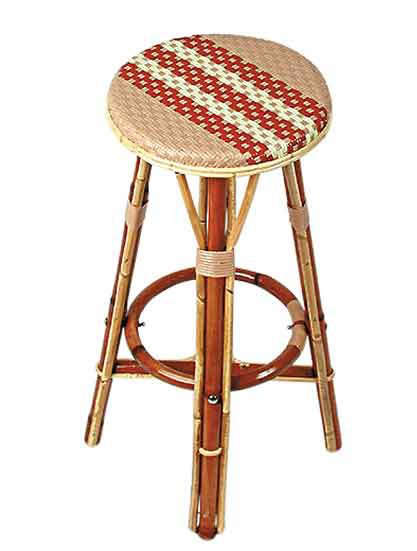
A bad barstool is a little like a bad date: it looks promising from across the room, then lets you down the second you sit on it. A great one, though? That’s a keeper. The best handmade bistro barstools bring together charm, comfort, and craftsmanship in a way mass-produced seating often struggles to match. They do more than fill space at a kitchen island or home bar. They create atmosphere. They make coffee taste slightly more sophisticated. They quietly suggest that maybe, just maybe, your Tuesday omelet deserves Paris-café energy.
If you’re shopping for an authentic bistro barstool handmade with care, the real question is not just “Does it look good?” It’s “Will it feel good, hold up to daily use, and still look beautiful after years of breakfasts, homework sessions, late-night snacks, and dramatic kitchen monologues?” The right stool should balance style and structure, with quality materials, smart proportions, and details that show a human hand was involved somewhere along the way.
What Makes a Bistro Barstool Feel Authentic?
The word bistro instantly brings to mind small café tables, bentwood silhouettes, woven textures, polished wood, and that relaxed European look that somehow makes even a tiny kitchen corner feel cinematic. An authentic bistro barstool handmade in this spirit usually borrows from classic café design: curved backs, light visual weight, natural materials, and a shape that feels timeless instead of trendy.
The Bistro Look Is Effortless, but Not Accidental
Authenticity usually lives in the details. A true bistro-inspired stool tends to feel airy rather than bulky. It may include a woven seat, a sculpted wooden saddle, a rounded backrest, or slender legs that keep the piece from feeling heavy. Some lean rustic and farmhouse-friendly. Others look polished enough for a city apartment with brass pendants and very strong opinions about espresso. Either way, the best designs have that easy café vibe: relaxed, inviting, and quietly confident.
Historically, café furniture became iconic because it was practical as well as attractive. Bentwood chairs and stools earned their reputation by being durable, lightweight, and elegant all at once. That legacy still shapes what buyers look for today. When a handmade barstool nods to bistro history through curved lines, natural textures, or classic wood craftsmanship, it feels rooted instead of random.
Handmade Means More Than “Looks Rustic”
Let’s clear something up: distressed finish does not automatically equal craftsmanship. A handmade barstool should show substance, not just costume. Real signs of quality include solid wood instead of flimsy veneers, stable joinery instead of mystery wobble, carefully shaped seats, thoughtful footrests, and finishes that let the grain or texture shine through.
In high-quality pieces, you’ll often see old-school construction cues that furniture people love and the rest of us appreciate every time the stool does not squeak under pressure. Peg detailing, mortise-and-tenon-style construction, wedged-through tenons, hand-planed surfaces, hand-bent rattan, and hand-finished or hand-polished surfaces all signal a more intentional build. In plain English: somebody cared.
How to Choose the Right Size Without Guessing and Hoping
Buying a beautiful stool that is the wrong height is the furniture equivalent of ordering stunning shoes two sizes too small. Painful. Unnecessary. Easy to avoid.
Start With the Counter Height
Most kitchen counters and islands work best with counter stools, while taller pub-style surfaces need bar-height stools. The goal is comfortable legroom, not knees pressed into the underside of the countertop like you’re apologizing to the furniture.
A smart rule of thumb is to leave enough space between the seat and the underside of the counter for easy sitting and standing. That little gap matters more than people think. Too little, and the stool feels cramped. Too much, and it feels awkwardly low, like you’re dining at a desk designed for giants.
Spacing Matters Too
Even a gorgeous handmade bistro barstool will lose its charm if stools are packed together like commuters on a delayed subway. Give each seat enough width so people can move naturally, pull the stool out without bumping elbows, and enjoy the strange luxury of personal space. Backless stools can fit a little tighter. Swivel stools, stools with arms, and broader seats need more breathing room.
In small kitchens, this is especially important. A bistro look works beautifully in compact spaces because it tends to feel lighter and more open than oversized seating. Slim frames, visible legs, and textured natural materials help the room breathe instead of visually shouting, “I am furniture, behold my bulk.”
The Best Materials for an Authentic Handmade Bistro Barstool
Solid Wood: The Heart of the Stool
Solid wood is often the gold standard for a handmade stool, especially if you want warmth, longevity, and a piece that ages with grace instead of drama. Oak, walnut, ash, cherry, and mango wood each create a slightly different mood. Walnut feels richer and moodier. Oak and ash often look brighter and more casual. Mango wood can bring organic texture and character. Cherry develops a beautiful patina over time, which is design-speak for “it gets better with age, unlike your old college futon.”
Wood also suits the bistro look because it carries natural visual texture. Grain variation, knots, and subtle tonal changes help a stool feel unique. That matters when you want a kitchen or bar area to feel curated rather than copied from a catalog page that also sells twenty-seven identical throw pillows.
Rattan and Woven Details: Café Charm in Material Form
If you want that unmistakable French-inspired bistro personality, rattan and woven seats are hard to beat. Hand-bent rattan frames and woven surfaces add movement, softness, and visual texture. They are especially good at making a kitchen feel relaxed and welcoming, which is ideal if your kitchen doubles as your office, snack station, and emotional support room.
Woven details also pair beautifully with painted cabinetry, butcher block, marble-look counters, or warm brass hardware. The look says “collected over time,” even if you ordered it online at 11:43 p.m. while pretending you were just browsing.
Leather, Upholstery, and Metal Accents
Not every handmade bistro barstool needs to be all wood, all the time. Leather seats add richness and can make a stool feel more tailored. Upholstery makes longer sitting more comfortable, especially if the island is used for meals or work. Metal accents can bring a more industrial café edge, particularly in black, brass, or hand-polished aluminum finishes.
The trick is balance. If the room already has a lot of hard surfaces, a leather or upholstered seat can soften the space. If the room is full of soft textures, wood or woven seating may keep things crisp and grounded.
Where Quality Shows Up in Daily Use
The difference between a merely pretty stool and a truly well-made handmade bistro barstool usually becomes obvious after a few weeks of actual life. Good construction reveals itself in the silent stuff: stability, comfort, durability, and finish performance.
Joinery and Structure
First, check how the stool is built. Strong joinery matters. Quality stools often rely on proven methods that keep the frame tight and sturdy over time. A footrest or lower stretcher should feel supportive, not decorative-only. The stool should sit flat on the floor without rocking. That sounds basic, because it is. Yet here we are in a world where some stools behave like nervous flamingos.
Comfort and Ergonomics
Next comes comfort. A shaped or sculpted seat can make a huge difference. So can a slight curve in the back, the placement of the footrest, and the depth of the seat. If the stool is intended for quick morning coffee, backless may work perfectly. If it is likely to host full dinners, work calls, or a teenager eating cereal for forty consecutive minutes, a backrest becomes a very good idea.
Finish and Maintenance
Finally, think about maintenance. Handmade does not mean delicate. Many high-quality stools are designed for real homes, which means spills, scuffs, shifting humidity, and the occasional dramatic dragging across the floor. Durable finishes, contract-grade engineering, and easy-care materials are all worth considering. The most beautiful stool in the world loses points if you’re afraid to actually sit on it.
How to Style an Authentic Bistro Barstool Handmade in Your Home
The beauty of bistro-inspired seating is how flexible it is. It can lean rustic, coastal, traditional, modern, or eclectic depending on the surrounding finishes.
In a classic kitchen, pair warm wood stools with cream cabinets, unlacquered brass, and simple pendants. In a modern space, use sculptural wood or leather-upholstered stools with clean-lined stone counters. In a farmhouse kitchen, choose hand-finished wood, woven textures, and a gently weathered look. In a small apartment, airy bentwood or rattan-inspired stools can bring charm without visually crowding the room.
If your goal is the full bistro mood, think beyond the stool. Add café-style lighting, a small tray for olive oil or flowers, a linen runner, or vintage-inspired hardware. You do not need to turn your kitchen into a movie set. A little atmosphere goes a long way.
Is a Handmade Bistro Barstool Worth It?
For many buyers, yes. A well-made handmade stool often costs more up front, but it also tends to offer better materials, better construction, and better longevity. That means less replacing, less wobbling, and less regret. It can also bring character that factory-perfect furniture sometimes lacks.
There is something satisfying about owning a piece that feels substantial and personal. A handmade bistro barstool does not have to scream for attention. In fact, the best ones rarely do. They just work beautifully, age gracefully, and make the room feel more considered. They are the furniture equivalent of effortless style, which, as everyone knows, usually takes quite a bit of effort behind the scenes.
Experiences With an Authentic Bistro Barstool Handmade
Living with an authentic bistro barstool handmade for everyday use is a very different experience from simply admiring one in a product photo. On a screen, you see shape and color. In real life, you notice the texture of the woven seat under your hand, the smooth curve of a solid wood backrest, and the reassuring sturdiness when you sit down with your morning coffee. That tactile quality is part of the appeal. Handmade seating often feels more alive, less anonymous. You start noticing small variations in grain, tone, and finish that make the stool feel like a piece with personality rather than just another household object doing its shift in the kitchen.
Many people also discover that a handmade bistro barstool changes how they use their space. The kitchen island becomes less of a food-prep zone and more of a social hub. Someone lingers there with tea while another person chops vegetables. Kids do homework there. Guests naturally migrate to the stools during parties because good seating acts like a magnet. A comfortable stool with the right footrest and seat height invites people to stay longer. That matters. Furniture quietly shapes behavior, and well-designed seating encourages connection without making a big speech about it.
There’s also the visual experience over time. Handmade bistro stools often age better than cheaper alternatives. Wood develops depth. Leather softens. Rattan gains character. Even minor wear can look charming instead of tragic. That aging process can make the furniture feel more integrated with the home each year. Rather than looking old, it starts to look settled, like it belongs there. In homes that value warmth and texture, that lived-in quality is often exactly the point.
Another common experience is that buyers become surprisingly picky after owning one good stool. Once you’ve sat on a stable, thoughtfully made barstool, the difference is hard to ignore elsewhere. Suddenly you notice poor balance, awkward seat depths, flimsy joints, or finishes that feel plasticky. Your standards rise. This can be inconvenient for bargain hunting, but excellent for your back.
There is a practical side, too. Handmade pieces often feel easier to trust in busy households. If a stool is built with strong joinery and quality materials, you worry less when someone climbs on it to reach a cabinet or drags it across the floor for “just a second.” Not that anyone should use a barstool as a ladder, of course. People absolutely will, but they should not. Still, sturdier construction inspires confidence, and confidence is a wonderful design feature.
Emotionally, handmade furniture can create a stronger sense of attachment. That sounds dramatic for a stool, but it is true. Objects that show craft tend to feel more meaningful because they do not seem interchangeable. You remember where you found them. You notice them in the room. You recommend them to friends with an enthusiasm usually reserved for restaurants and skin-care products. An authentic handmade bistro barstool may not change your life, but it can absolutely improve the small daily moments that make up a home. And honestly, that is more than enough.
Conclusion
An authentic bistro barstool handmade with care is more than a seat. It is a blend of style, utility, and craftsmanship that can elevate an island, breakfast bar, or home café corner in a way generic seating rarely does. The best options combine the right height, smart spacing, durable construction, and honest materials like solid wood, woven rattan, leather, or well-finished metal. They feel inviting, look timeless, and earn their place through everyday use.
If you want furniture that adds character without sacrificing comfort, this category is worth serious attention. Choose a stool that fits your counter properly, supports the way you live, and brings a little bistro soul into the room. Because your kitchen deserves better than a wobbly compromise with commitment issues.