Breast cancer survival rates can sound like a weather forecast for your entire life: mostly sunny, partly cloudy, and possibly terrifying if you read the wrong number at 2 a.m. The truth is more userates are big-picture estimates based on large groups of people, not crystal balls for one individual. They help doctors discuss prognosis, compare treatment progress, and explain why early detection matters so much.
In the United States, breast cancer is one of the most studied cancers, and survival has improved dramatically over the past several decades. Better screening, more precise surgery, improved radiation, hormone therapy, targeted drugs, immunotherapy, genetic testing, and better supportive care have changed the outlook for many people. Still, survival depends on several important factors: stage at diagnosis, tumor biology, age, overall health, access to care, treatment response, and whether the cancer has spread.
This guide explains breast cancer survival rates in plain English, without turning your brain into alphabet soup. We will look at 5-year relative survival rates, what localized, regional, and distant breast cancer mean, why subtype matters, and how patients can use statistics wisely without letting them take over the steering wheel.
What Does “Survival Rate” Mean in Breast Cancer?
A survival rate describes the percentage of people with a certain cancer who are alive after a specific period of time. The most common number you will see is the 5-year relative survival rate. This compares people with breast cancer to people in the general population who are similar in age, sex, and other basic factors.
For example, if the 5-year relative survival rate is 92%, it means people with that cancer are, on average, about 92% as likely as similar people without that cancer to be alive five years after diagnosis. It does not mean a person has only five years to live. Many people live far beyond five years, especially when breast cancer is found early and treated effectively.
Think of survival rates as a map, not a GPS voice yelling, “Turn left into panic.” A map gives direction, but it cannot know every road condition. Your individual outlook may be better or worse depending on details that do not fit neatly into a public statistic.
Current Breast Cancer Survival Rates by Stage
Breast cancer survival rates are often grouped by how far the cancer has spread at diagnosis. Public health databases commonly use SEER summary stages: localized, regional, and distant. These are not exactly the same as clinical stage 0, I, II, III, and IV, but they are helpful for understanding the big picture.
Localized Breast Cancer: Over 99% 5-Year Relative Survival
Localized breast cancer means the cancer is found only in the breast and has not spread to nearby lymph nodes or distant organs. This is the best-case category for survival statistics. Current U.S. data places the 5-year relative survival rate for localized invasive breast cancer at over 99%.
This is why screening and prompt evaluation of breast changes matter. When breast cancer is found early, treatment may be less extensive, options are broader, and long-term outcomes are often excellent. Early diagnosis does not make treatment “easy”no one is sending breast cancer a thank-you cardbut it can make treatment more successful.
Regional Breast Cancer: About 87% 5-Year Relative Survival
Regional breast cancer means cancer has spread beyond the breast to nearby lymph nodes or nearby tissues, but not to distant organs. The 5-year relative survival rate is about 87%.
Regional disease can include a wide range of situations. A person with one small lymph node involved is not the same as someone with many lymph nodes involved or a larger tumor. Doctors look at tumor size, lymph node status, grade, hormone receptors, HER2 status, genomic tests, and response to treatment. That is why two people may both hear “regional breast cancer” but receive very different treatment plans.
Distant or Metastatic Breast Cancer: About 33% 5-Year Relative Survival
Distant breast cancer, also called metastatic breast cancer or stage 4 breast cancer, means cancer has spread to distant parts of the body such as the bones, liver, lungs, or brain. The 5-year relative survival rate is about 33%.
This number can feel heavy, and it is. But it also hides a lot of variation. Some people with metastatic breast cancer respond well to modern treatments and live for many years. Others have more aggressive disease that is harder to control. Treatment for metastatic breast cancer often focuses on controlling cancer, reducing symptoms, preserving quality of life, and extending survival. It is not one single road; it is more like a complicated highway system with detours, new exits, and, thankfully, better vehicles than we had years ago.
All Stages Combined: About 92% 5-Year Relative Survival
Across all stages combined, the 5-year relative survival rate for breast cancer in the United States is about 92%. This combined number is encouraging, but it should not be used alone. It includes people diagnosed very early and people diagnosed after the cancer has already spread. Stage at diagnosis remains one of the strongest predictors of survival.
Breast Cancer Stage vs. SEER Stage: Why the Labels Differ
Doctors often use the TNM staging system, which looks at T for tumor size, N for lymph node involvement, and M for metastasis. You may hear stage 0, stage I, stage II, stage III, or stage IV. Public survival tables, however, often use SEER categories: localized, regional, and distant.
Here is a practical translation:
- Localized often overlaps with earlier-stage invasive breast cancer that has not spread beyond the breast.
- Regional often includes cancers that have reached nearby lymph nodes or nearby structures.
- Distant generally corresponds to metastatic or stage IV breast cancer.
Stage 0 breast cancer, such as ductal carcinoma in situ (DCIS), is noninvasive. DCIS has not spread outside the milk ducts. It is highly treatable, but it is often discussed separately from invasive breast cancer survival tables.
Why Breast Cancer Subtype Changes Survival Rates
Breast cancer is not one disease wearing the same pink ribbon outfit. Different tumors behave differently. A major reason survival rates vary is tumor subtype, especially hormone receptor status and HER2 status.
Hormone Receptor-Positive Breast Cancer
Hormone receptor-positive breast cancers grow in response to estrogen, progesterone, or both. These cancers are often treated with hormone therapy, also called endocrine therapy. Common examples include tamoxifen and aromatase inhibitors, depending on menopausal status and other factors.
Hormone receptor-positive, HER2-negative breast cancer is the most common subtype and often has a favorable prognosis, especially when found early. However, it can recur years later, which is why some patients take hormone therapy for five to ten years. In other words, this subtype can be the slow-burn mystery novel of breast cancer: usually more manageable, but doctors still read all the chapters carefully.
HER2-Positive Breast Cancer
HER2-positive breast cancer used to be considered more aggressive, but targeted therapies have changed the story. Drugs that target HER2 have significantly improved outcomes for many patients. Treatment may include HER2-directed medicines along with chemotherapy, surgery, and radiation depending on stage and response.
For localized and regional HER2-positive disease, modern treatment can be very effective. For metastatic HER2-positive disease, newer targeted therapies have also extended survival for many people. The subtype still matters, but it is no longer the gloomy headline it once was.
Triple-Negative Breast Cancer
Triple-negative breast cancer does not have estrogen receptors, progesterone receptors, or excess HER2. Because it lacks those common targets, it can be more aggressive and harder to treat. Survival rates are generally lower than for many hormone receptor-positive cancers, especially when triple-negative breast cancer is diagnosed at a distant stage.
That said, treatment has improved. Chemotherapy remains important, and immunotherapy may be used in certain cases. Clinical trials continue to expand options. Triple-negative breast cancer deserves urgency, not hopelessness.
Factors That Influence Breast Cancer Prognosis
Survival rates are shaped by more than stage. Doctors build a prognosis using several layers of information, almost like assembling a medical lasagna. Each layer matters.
Tumor Size and Lymph Node Involvement
Smaller tumors usually have a better outlook than larger tumors. Lymph node involvement is also important. If cancer cells are found in nearby lymph nodes, the risk of recurrence may be higher, and additional treatments may be recommended.
Tumor Grade
Tumor grade describes how abnormal the cancer cells look under a microscope and how quickly they may grow. Low-grade cancers often grow more slowly. High-grade cancers may behave more aggressively and require stronger treatment.
Biomarkers and Genomic Testing
Biomarkers such as estrogen receptor, progesterone receptor, and HER2 guide treatment. In some early-stage hormone receptor-positive cancers, genomic tests can help estimate recurrence risk and whether chemotherapy is likely to provide meaningful benefit. This is one reason breast cancer treatment has become more personalized.
Age and Overall Health
Younger patients may sometimes have more aggressive tumor biology, while older patients may have other health conditions that affect treatment choices. Heart disease, diabetes, kidney disease, frailty, or previous treatments can influence what therapies are safe and effective.
Access to Timely, High-Quality Care
Survival is not only biology; it is also access. Regular screening, fast diagnostic follow-up, insurance coverage, transportation, specialist availability, and culturally respectful care can all affect outcomes. Racial and socioeconomic disparities remain serious issues in breast cancer survival. Better medicine only helps when people can actually receive it.
How Screening Improves the Odds
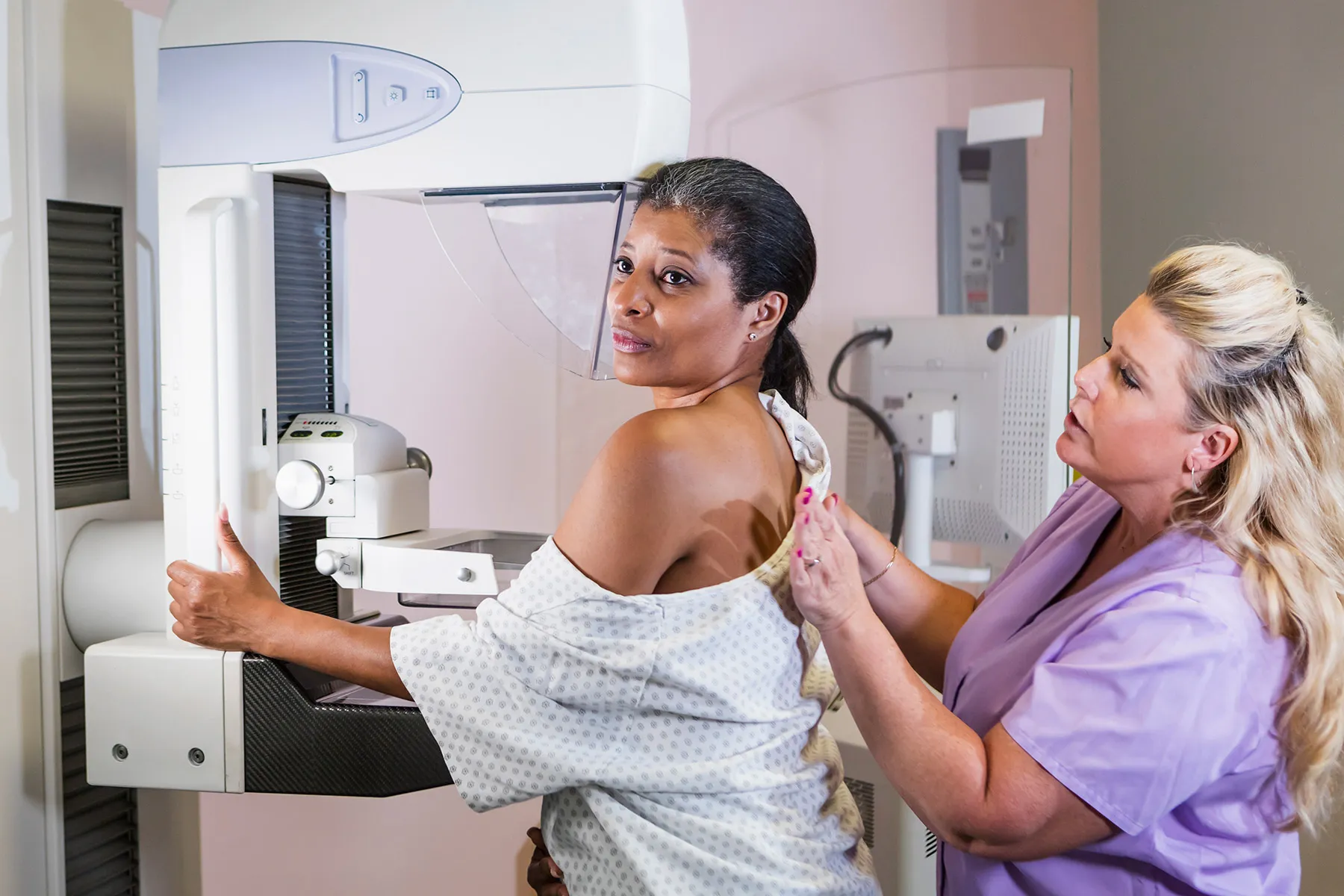
Mammograms can find breast cancer before it causes symptoms, sometimes years before a lump can be felt. Current U.S. preventive guidance recommends that women at average risk begin mammography at age 40 and continue every two years through age 74. Some medical organizations recommend annual screening or different schedules, especially for people with higher risk.
People with a strong family history, known genetic mutations such as BRCA1 or BRCA2, prior chest radiation, dense breasts, or previous high-risk breast findings may need a personalized screening plan. That plan may include earlier mammograms, breast MRI, genetic counseling, or more frequent follow-up.
Screening is not perfect. Mammograms can miss some cancers, especially in dense breast tissue, and they can also lead to false alarms. But for many people, screening is still one of the most powerful tools for finding breast cancer when survival rates are highest.
What Treatments Help Improve Survival?
Breast cancer treatment depends on stage, subtype, tumor features, patient preferences, and overall health. Most treatment plans combine local therapy and systemic therapy.
Surgery
Surgery may involve lumpectomy, which removes the tumor and a margin of surrounding tissue, or mastectomy, which removes the breast. Some patients also have lymph node surgery. Breast reconstruction may be done at the same time or later, depending on the patient’s goals and medical situation.
Radiation Therapy
Radiation uses targeted energy to kill remaining cancer cells in a specific area. It is often used after lumpectomy and sometimes after mastectomy, especially when tumors are larger or lymph nodes are involved.
Chemotherapy
Chemotherapy treats cancer cells throughout the body. It may be given before surgery to shrink a tumor or after surgery to reduce recurrence risk. It is especially important for certain aggressive cancers, including many triple-negative and HER2-positive tumors.
Hormone Therapy
Hormone therapy helps reduce recurrence risk in hormone receptor-positive breast cancer. It may be taken for several years. Side effects vary, so patients should talk openly with their care team instead of silently suffering like they are trying to win an Olympic medal in discomfort.
Targeted Therapy and Immunotherapy
Targeted therapies attack specific cancer features, such as HER2 or certain genetic pathways. Immunotherapy helps the immune system recognize and fight cancer and may be used in selected patients, including some with triple-negative breast cancer. These treatments are major reasons survival has improved for several breast cancer subtypes.
Can Breast Cancer Come Back After Treatment?
Yes, breast cancer can recur. Recurrence can be local, meaning it returns in the breast or chest area; regional, meaning it appears in nearby lymph nodes; or distant, meaning it spreads to organs or bones. The risk of recurrence depends on original stage, subtype, grade, treatment, and other factors.
Follow-up care is important after treatment. Patients may have regular physical exams, annual mammograms when breast tissue remains, medication monitoring, and management of long-term side effects. Routine scans are not always recommended for people without symptoms because they may not improve outcomes and can lead to unnecessary anxiety and procedures.
However, new symptoms should be reported. Bone pain that does not go away, unexplained weight loss, persistent cough, shortness of breath, severe headaches, neurologic changes, or unusual swelling should be discussed with a healthcare professional.
How to Use Survival Rates Without Letting Them Use You
Survival statistics can be helpful, but they can also become emotional quicksand. Here are better questions to ask your doctor than “What are my chances?”
- What is my exact breast cancer stage?
- What subtype do I have?
- Has the cancer spread to lymph nodes or distant organs?
- What treatments are recommended and why?
- Is my treatment plan curative, controlling, or palliative?
- What is my risk of recurrence?
- Are genomic tests, genetic counseling, or clinical trials appropriate for me?
- What symptoms should I report during and after treatment?
The best survival estimate is not pulled from a random chart online. It comes from your oncology team, using your pathology report, imaging, lab results, treatment response, medical history, and personal goals.
Examples: How Two People Can Have Different Outlooks
Imagine two people diagnosed with breast cancer in the same week. Patient A has a small, localized, hormone receptor-positive tumor with no lymph node involvement. Surgery removes the cancer completely, and hormone therapy lowers the risk of recurrence. Patient A’s outlook may be excellent.
Patient B has breast cancer that has spread to several lymph nodes and is triple-negative. Treatment may include chemotherapy, surgery, radiation, and possibly immunotherapy. Patient B may still do well, but the risk profile is different. The same cancer name does not mean the same prognosis.
Now imagine Patient C, diagnosed with metastatic HER2-positive breast cancer. The word “metastatic” is serious, but HER2-targeted therapies may offer meaningful disease control. Patient C’s treatment goal may be long-term management rather than cure. Again, the details matter.
Living Beyond the Numbers
A breast cancer diagnosis often introduces a person to a new vocabulary: margins, nodes, receptors, scans, infusions, endocrine therapy, recurrence risk. It can feel like enrolling in medical school without applying. Survival rates are part of that vocabulary, but they are not the whole story.
Quality of life matters. Fertility questions matter. Body image matters. Fatigue, intimacy, work, finances, parenting, caregiving, anxiety, and the strange experience of everyone suddenly recommending turmeric smoothiesthese things matter too.
Supportive care can make a real difference. Nutrition counseling, physical therapy, lymphedema care, mental health support, exercise programs, pain management, social work, financial counseling, and survivorship clinics can help people move through treatment and life after treatment with more stability.
Experience Section: What Breast Cancer Survival Rates Feel Like in Real Life
Survival rates are clean numbers on a page. Real life is messier, louder, and usually holding a stack of appointment papers. Many people describe the first days after diagnosis as a blur. They hear “breast cancer,” then maybe “stage,” then maybe “survival rate,” and suddenly the room feels like it has bad Wi-Fi. Words arrive, but the meaning loads slowly.
One common experience is the urge to search everything immediately. A person may go home, type “breast cancer survival rates” into a search bar, and fall into a tunnel of statistics. Some numbers are reassuring. Others are frightening. The problem is that search engines do not know the full pathology report. They do not know whether the tumor is hormone receptor-positive, HER2-positive, small, large, slow-growing, high-grade, node-negative, or already responding beautifully to treatment. Online statistics can inform, but they cannot personalize.
Patients often say the most helpful moment comes when a doctor translates the numbers into their actual situation. Instead of asking, “Am I going to survive?” the conversation becomes more specific: “What stage is this? What is the goal of treatment? What lowers my recurrence risk? What signs tell us treatment is working?” Those questions turn fear into a plan. Fear may still sit in the passenger seat, but at least it is not driving the car while eating chips.
Families have their own experience with survival rates. Loved ones may cling to the best number they can find, saying, “Look, it’s over 99% when found early!” That can be comforting if it matches the diagnosis, but it can feel dismissive if the patient has regional or metastatic disease. Others may focus only on the worst-case scenario, which can make the patient feel like a walking tragedy before treatment even begins. The best support usually sounds like: “I’m here. I’ll go with you. Let’s write down questions. We’ll listen to your doctor, not random internet doom.”
During treatment, survival rates may fade into the background as practical life takes over. There are rides to appointments, insurance forms, medication schedules, drains after surgery, radiation fatigue, hair loss decisions, menopause symptoms, appetite changes, and the emotional weirdness of looking fine while feeling anything but fine. Some people want pink ribbons and public encouragement. Others want privacy, sweatpants, and one friend who does not say, “Everything happens for a reason.” Both responses are valid.
After treatment, many survivors describe a new kind of anxiety. Everyone else celebrates the last infusion or final radiation session, while the patient wonders, “Now what?” Follow-up visits can trigger scan anxiety or fear of recurrence. A headache becomes suspicious. A backache becomes a midnight research project. Survivorship is not always instant relief; sometimes it is learning how to live with uncertainty without letting it redecorate the whole house.
For people with metastatic breast cancer, survival rates can feel especially complicated. They may not want to be treated as statistics or inspirational posters. Many are working, parenting, traveling, dating, creating, resting, and making treatment decisions one step at a time. Their experience reminds us that survival is not only measured in years. It is also measured in comfort, dignity, meaningful time, good communication, symptom control, and being seen as a whole person.
The most human way to understand breast cancer survival rates is this: numbers can guide care, but people live the story. Statistics help doctors choose treatments and help patients understand risk. But hope is not a percentage, and neither is courage. A person is not “33%” or “87%” or “over 99%.” A person is a personwith a diagnosis, a care team, choices, fears, jokes, bad days, better days, and a future that deserves careful, compassionate attention.
Conclusion
Breast cancer survival rates are encouraging overall, especially when the disease is found early. Localized breast cancer has a 5-year relative survival rate of over 99%, regional breast cancer is about 87%, distant breast cancer is about 33%, and all stages combined are about 92%. These numbers show why early detection, accurate diagnosis, and personalized treatment matter.
Still, survival rates are averages, not personal predictions. Your individual outlook depends on stage, subtype, tumor grade, lymph node involvement, treatment response, overall health, and access to care. The smartest move is to use survival statistics as a starting point for better questionsnot as a final answer written in stone. If you or someone you love has breast cancer, ask the oncology team to explain the diagnosis in detail and connect the statistics to the actual treatment plan.
Note: This article is for educational purposes only and is based on current information from reputable U.S. cancer and medical organizations, including national cancer statistics and major clinical guidance sources. It should not replace diagnosis, treatment, or personalized advice from a qualified healthcare professional.