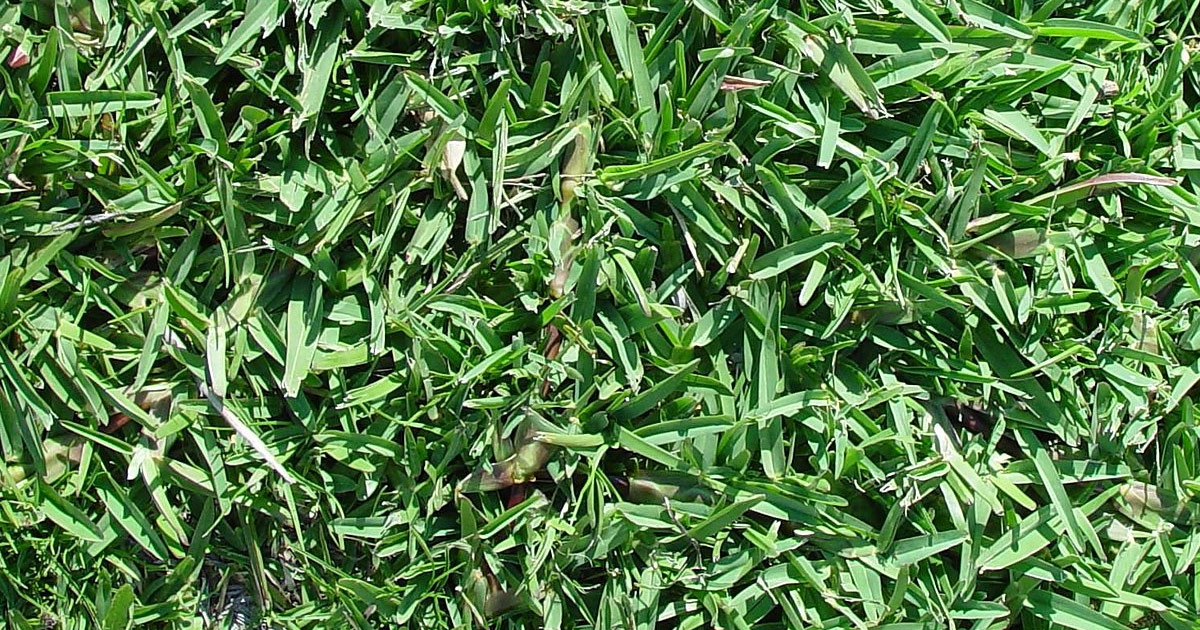
Buffalo grass, more properly written as buffalograss, is the lawn equivalent of a sensible pickup truck: not flashy, not fussy, and surprisingly good at handling rough conditions. If your dream yard is a water-guzzling, emerald carpet that needs weekly pampering, buffalograss may politely decline your invitation. But if you want a native, drought-tolerant, low-maintenance lawn that thrives in heat and asks for less mowing, watering, and fertilizer than many traditional turfgrasses, this prairie plant deserves a serious look.
Native to the North American Great Plains, buffalograss has evolved to survive wind, heat, drought, grazing, and soils that would make fussier grasses file a formal complaint. It is a warm-season perennial grass, meaning it grows most actively during late spring and summer, then turns tan or brown during dormancy in cold weather or extended drought. That seasonal color shift surprises some homeowners, but it is not failure; it is survival mode. Think of it as the lawn taking a nap instead of throwing a tantrum.
This guide explains how to grow buffalograss, where it performs best, how to plant it from seed, plugs, or sod, and how to care for it through the seasons. You will also find practical examples and field-style experience notes at the end to help you avoid the classic mistakes that turn a promising buffalo grass lawn into a weed convention with snacks.
What Is Buffalograss?
Buffalograss (Bouteloua dactyloides, formerly listed as Buchloë dactyloides) is a low-growing, fine-textured, warm-season turfgrass native to the shortgrass prairies of North America. It spreads mainly by stolons, which are aboveground runners that root at the nodes and gradually knit together into a sod-forming lawn.
Its natural color is usually gray-green, blue-green, or soft green rather than the dark, glossy green associated with some cool-season grasses. When left unmowed, buffalograss typically remains relatively short compared with many lawn grasses, although seedheads and male flower stalks may rise above the leaf canopy. Some modern turf-type cultivars have improved density, color, and uniformity, making buffalograss more attractive for home lawns than older prairie selections.
Why Grow Buffalo Grass?
The biggest reason homeowners choose buffalo grass is simple: it can look good with less input. Once established, buffalograss generally needs less irrigation, less fertilizer, and less mowing than Kentucky bluegrass, tall fescue, bermudagrass, or many other common lawn choices. In hot, dry regions where water restrictions are common, that is not a small benefit; it is the difference between having a lawn and having a crispy welcome mat the size of your yard.
Top Benefits Of Buffalograss
- Drought tolerance: Established buffalograss can survive dry periods by going dormant and greening back up when moisture returns.
- Low mowing needs: It grows slowly and can be managed as a short lawn or a more natural, meadow-like turf.
- Low fertilizer requirements: Too much nitrogen can actually encourage weeds and reduce the low-maintenance advantage.
- Heat tolerance: Buffalograss performs best during warm weather and handles summer heat well.
- Native value: As a North American prairie grass, it fits beautifully into water-wise and naturalistic landscapes.
- Reduced maintenance costs: Less mowing, watering, and feeding can save time, money, and weekend sanity.
Where Buffalograss Grows Best
Buffalograss is best suited to sunny, open landscapes in the Great Plains, central and western regions of the United States, and other areas with hot summers, modest rainfall, and well-drained soils. It loves sunshine. In fact, full sun is one of the most important requirements for success. Most lawns need at least 6 to 8 hours of direct sun per day for acceptable buffalograss turf. In heavy shade, it thins out, weakens, and invites weeds to move in like bad roommates.
Well-drained loam soils are ideal, though buffalograss can tolerate some clay if surface drainage is good. It is not a fan of soggy ground, standing water, compacted wet areas, or deep shade. Sandy soils can also be challenging because they dry quickly and may struggle to support uniform establishment without careful irrigation.
Buffalograss Is A Great Choice If:
- Your yard receives full sun most of the day.
- You live in a hot, dry, or water-conscious region.
- You prefer a natural-looking lawn over a golf-course-perfect surface.
- You want fewer mowing days and lower fertilizer needs.
- Your lawn has light to moderate foot traffic.
Buffalograss May Not Be Right If:
- Your yard is shady for much of the day.
- You want a dark green lawn from early spring through late fall.
- Your soil stays wet or drains poorly.
- You have heavy dog traffic, sports activity, or constant wear.
- You live in a very humid, high-rainfall region where weeds compete aggressively.
Choosing The Right Buffalograss Variety
Not all buffalograss cultivars are identical. Some are grown from seed, while others are established vegetatively from sod or plugs. Seeded types often contain both male and female plants. Male plants produce flower stalks that can rise above the turf canopy, which may create a slightly uneven look if the lawn is left unmowed. Vegetative cultivars are often selected for denser growth, finer texture, and more uniform appearance.
Common seeded cultivars include names such as Bison, Bowie, Cody, Plains, and Texoka. Vegetative cultivars may include Legacy, Prestige, Prairie, and regional selections such as UC Verde in parts of the West. Availability varies by region, so local sod farms, native seed suppliers, and Cooperative Extension offices are often the best starting points.
For a home lawn, choose based on your climate, desired appearance, budget, and planting method. Seed is usually cheaper but slower and more demanding during establishment. Sod is faster and more reliable but more expensive. Plugs sit somewhere in the middle: affordable for smaller areas, slower for large lawns, and excellent for patient gardeners who do not panic when the yard looks like a checkerboard for a while.
How To Plant Buffalograss
Buffalograss establishment is where many lawn dreams either take root or quietly wander into the compost pile. Mature buffalograss is low-maintenance, but getting it established requires real attention. The most important steps are removing existing vegetation, preparing a firm seedbed, planting at the right time, and keeping young grass moist without drowning it.
Step 1: Test And Prepare The Soil
Start with a soil test. Buffalograss generally performs well in neutral to slightly alkaline soils, and many guides suggest a pH range around 6.0 to 8.0. A soil test will also show whether phosphorus, potassium, or other nutrients are needed before planting. Avoid guessing with fertilizer. Guessing is for carnival games, not soil chemistry.
Remove rocks, debris, and existing turf. If converting from Kentucky bluegrass, tall fescue, bermudagrass, or another aggressive lawn, do not simply sprinkle buffalograss seed into the old turf and hope for a miracle. Existing grasses will compete too strongly. You may need to remove sod physically or use a properly labeled nonselective herbicide according to instructions, then wait until the old lawn is fully dead before preparing the new seedbed.
Step 2: Create A Firm, Clean Seedbed
Buffalograss seed needs good seed-to-soil contact. Rake the surface smooth, remove clumps, and firm the soil so your footprint sinks only slightly. A fluffy seedbed dries out fast and leaves seed stranded in air pockets. A firm seedbed helps moisture move evenly and supports more consistent germination.
Step 3: Plant At The Right Time
The best planting window is late spring to early summer, after the danger of frost has passed and soil temperatures are warm. Buffalograss is a warm-season grass, so it does not wake up enthusiastically in cold soil. Planting too early can lead to slow germination and weed competition. Planting too late may not give seedlings enough time to establish before winter.
Step 4: Seed, Plug, Or Sod
Seeding is the most economical option for larger areas. Follow the seed label for the exact rate, because hulled seed, coated seed, burrs, and cultivar recommendations vary. Many homeowners plant buffalograss seed at roughly 1.5 to 5 pounds per 1,000 square feet, depending on seed type and desired speed of coverage. Seed is usually placed shallowly, often about 1/4 to 1/2 inch deep, then lightly firmed into the soil.
Plugs are small pieces of established grass planted on a grid, commonly spaced around 12 inches apart for faster coverage or farther apart for lower cost. Plugs are useful when you want a specific vegetative cultivar but do not want to buy full sod. They require patience, watering, and weed control while they spread.
Sod gives the fastest finished look. Lay sod tightly, stagger seams like bricks, and water immediately so the soil beneath the sod is moist. Keep sod moist until it roots, then gradually shift to deeper, less frequent watering. Sod is the least patient-person-friendly method, which is exactly why many people love it.
Watering Buffalograss
During establishment, buffalograss needs consistent moisture. Newly seeded, plugged, or sodded areas should not be allowed to dry out. On hot, windy days, light watering several times per day may be necessary at first. The goal is moist soil, not swamp conditions. Saturated soil can limit oxygen and slow root development.
Once established, buffalograss is much more forgiving. For a greener summer lawn, deep watering every one to four weeks may be enough in many climates, depending on heat, rainfall, soil, and appearance goals. If left unirrigated during drought, buffalograss may turn brown and dormant, then recover when rainfall or irrigation returns. This is normal. It is not dead; it is being dramatic in a biologically intelligent way.
Avoid frequent, shallow watering. That habit encourages shallow roots, weeds, and weak turf. Deep and infrequent irrigation trains roots to explore the soil and helps the lawn perform better during dry weather.
Mowing Buffalograss
Buffalograss can be managed in several ways. For a natural look, you may mow only a few times per season or leave it mostly unmowed. For a more traditional lawn appearance, mow often enough to maintain a height around 2 to 3 inches. Some turf managers mow lower in full sun, but higher mowing can help shade the soil, conserve moisture, and reduce stress in home lawns.
Follow the one-third rule: never remove more than one-third of the leaf blade at one mowing. Scalping buffalograss can weaken it and open the canopy for weeds. In early spring, mowing off dormant brown leaf blades can help remove old growth and encourage a cleaner green-up.
Fertilizing Buffalograss
Buffalograss does not need much fertilizer. In fact, too much nitrogen can push soft growth, increase mowing, and encourage weeds. A common maintenance range is about 1 to 2 pounds of nitrogen per 1,000 square feet per year, applied during active growth from late spring through summer. Many low-maintenance lawns do well with a single light feeding in June. If you want a denser, greener lawn and irrigation is available, a second light application in July may be appropriate.
Do not fertilize dormant, drought-stressed buffalograss. Feeding a sleeping lawn is like handing coffee to someone already under a blanket; it does not solve the real issue. Water and active growth should guide fertilizer timing. Always use a soil test to determine whether additional nutrients are needed.
Weed Control In Buffalograss
Weeds are the most common challenge in buffalograss lawns, especially during establishment. Because buffalograss grows lower and more open than some turfgrasses, it may not shade the soil as aggressively. That gives crabgrass, foxtail, dandelion, henbit, spurge, and other opportunists a chance to appear.
The best weed control begins before planting. Eliminate existing turf and perennial weeds thoroughly. During establishment, hand-pull weeds when practical and mow regularly enough to prevent broadleaf weeds from flowering and setting seed. In mature lawns, pre-emergent herbicides may help prevent annual grassy weeds, while broadleaf herbicides may be used during dormancy if labeled for buffalograss. Always read and follow the product label, and check local Extension guidance because herbicide tolerance varies by product, timing, and cultivar.
Pests And Diseases
Buffalograss generally has fewer disease and insect problems than many traditional turfgrasses. Still, it is not immune. Chinch bugs, mealybugs, grubs, and other pests may appear in some regions. Poor drainage, overwatering, excessive nitrogen, and heavy traffic can also create stress that looks like a pest problem but is really a management issue wearing a tiny disguise.
Before treating, identify the problem correctly. Brown patches may be caused by dormancy, drought, shade, poor establishment, pet urine, compacted soil, or insects. Dig, inspect, and confirm. Applying insecticide to a watering problem is like putting a Band-Aid on a flat tire.
Seasonal Buffalograss Care Calendar
Spring
Expect buffalograss to green up later than cool-season lawns. Mow off old dormant blades if needed. Avoid heavy fertilization early in spring because weeds may benefit more than the buffalograss. Apply weed control only if products are labeled and timing is appropriate.
Late Spring To Early Summer
This is prime planting and active growth season. Seed, plug, or sod when soil is warm. Begin light fertilization after the grass is actively growing. Water new plantings carefully and frequently until roots develop.
Summer
Water deeply and infrequently if you want the lawn to stay greener. Mow as needed, but do not scalp. Spot-check for weeds and pests. If the lawn goes dormant during drought, reduce traffic until moisture returns.
Fall
Buffalograss will turn tan or brown after frost. Avoid late nitrogen applications that push tender growth before winter. A deep watering during a dry fall can help crowns and roots enter winter in better condition.
Winter
Dormant buffalograss needs little attention. Stay off frozen or wet soil when possible to reduce compaction. Use the quiet season to plan spring weed control, soil testing, or expansion projects.
Common Mistakes To Avoid
- Planting in shade: Buffalograss needs sun. Shade turns it thin and weedy.
- Overwatering: Daily shallow watering encourages weeds and shallow roots.
- Overfertilizing: Too much nitrogen defeats the purpose of a low-maintenance native lawn.
- Skipping weed prep: Existing turf and perennial weeds must be controlled before planting.
- Expecting instant results from seed: Seeded buffalograss takes patience and careful early care.
- Demanding year-round green color: Buffalograss naturally goes dormant in cold weather and drought.
Is Buffalo Grass Good For Dogs And Kids?
Buffalograss can handle light to moderate traffic, but it is not the best turf for constant rough play, repeated sports use, or energetic dogs that treat the backyard like a racetrack. It recovers more slowly than aggressive grasses such as bermudagrass. If you have children, pets, and heavy use, consider using buffalograss in lower-traffic areas and a tougher turf or hardscape path where activity is concentrated.
Experience Notes: What Growing Buffalograss Actually Teaches You
One of the biggest lessons with buffalograss is that “low-maintenance” does not mean “ignore it completely and expect applause.” The first season matters most. Homeowners who succeed usually spend extra time preparing the site, removing old turf, leveling rough spots, watering carefully, and controlling weeds before they become a jungle. The reward comes later, when the lawn needs fewer weekend chores.
A common real-world experience goes like this: a homeowner removes a thirsty cool-season lawn in a sunny front yard and plants buffalograss seed in late spring. For the first few weeks, the area looks unimpressive. There is bare soil, tiny sprouts, and perhaps a moment of regret while the neighbor’s sprinkler system performs its daily water ballet. Then the buffalograss begins to spread. Stolons crawl across the soil, rooting as they go. By late summer, the lawn has a soft, natural texture. It may not look like a stadium field, but it has character, resilience, and a water bill that no longer causes emotional damage.
Another useful lesson is that weeds often reveal management mistakes. If crabgrass keeps appearing, the lawn may have been watered too lightly and too often, planted too thinly, or left with bare soil during establishment. If broadleaf weeds dominate, mowing may be too infrequent during the establishment period, or the buffalograss may be too thin because of shade. Buffalograss is honest that way. It points to the problem, even if it does not send a polite email.
Many gardeners also discover that buffalograss changes how they think about lawn color. Traditional lawn culture often celebrates dark green turf as the only acceptable look. Buffalograss asks a different question: can a lawn be beautiful when it is softer, lighter, and more seasonal? In a sunny, drought-prone landscape, the answer is often yes. Its gray-green summer color pairs beautifully with native perennials such as black-eyed Susan, purple coneflower, salvia, yarrow, penstemon, and ornamental grasses. Instead of fighting the local climate, the yard starts cooperating with it.
For best results, treat buffalograss as part of a broader landscape plan. Use it in open sunny spaces where you want a walkable, low-water groundcover. Add mulch beds around trees rather than forcing grass into shade. Create stepping-stone paths where foot traffic is heavy. Keep irrigation zones separate from thirstier plants so you do not accidentally overwater the buffalograss while trying to please hydrangeas or vegetables. The lawn will perform better when it is not asked to solve every landscaping problem by itself.
Finally, patience is not optional. Seeded buffalograss can look slow compared with fast-germinating cool-season grasses. Plugs may take a season or more to fully knit together. Even sod needs careful watering while roots establish. But once the grass settles in, the maintenance rhythm becomes refreshingly simple: mow occasionally, water deeply only when needed, fertilize lightly, and control weeds at the right time. In other words, buffalograss is not the lazy choice. It is the smart choice for gardeners who are willing to work hard at the beginning so they can work less later.
Conclusion
Buffalo grass is one of the best lawn options for homeowners who want a sunny, drought-tolerant, native, low-maintenance turf. It thrives in heat, handles dry spells by going dormant, and asks for far less mowing and fertilizer than many conventional lawn grasses. However, it is not perfect for every yard. Shade, wet soil, heavy traffic, humid climates, and expectations of year-round dark green color can all lead to disappointment.
The secret to growing buffalograss successfully is matching the plant to the site. Give it full sun, well-drained soil, careful establishment, deep infrequent watering, light fertilization, and realistic expectations. Do that, and buffalograss can reward you with a durable, natural-looking lawn that saves water, supports a more sustainable landscape, and gives your mower a well-earned identity crisis.
Note: This article is intended for general lawn-care education. Local climate, soil conditions, cultivar availability, water rules, and herbicide labels vary, so check with your local Cooperative Extension office or qualified turf professional before making major lawn changes or applying lawn-care products.