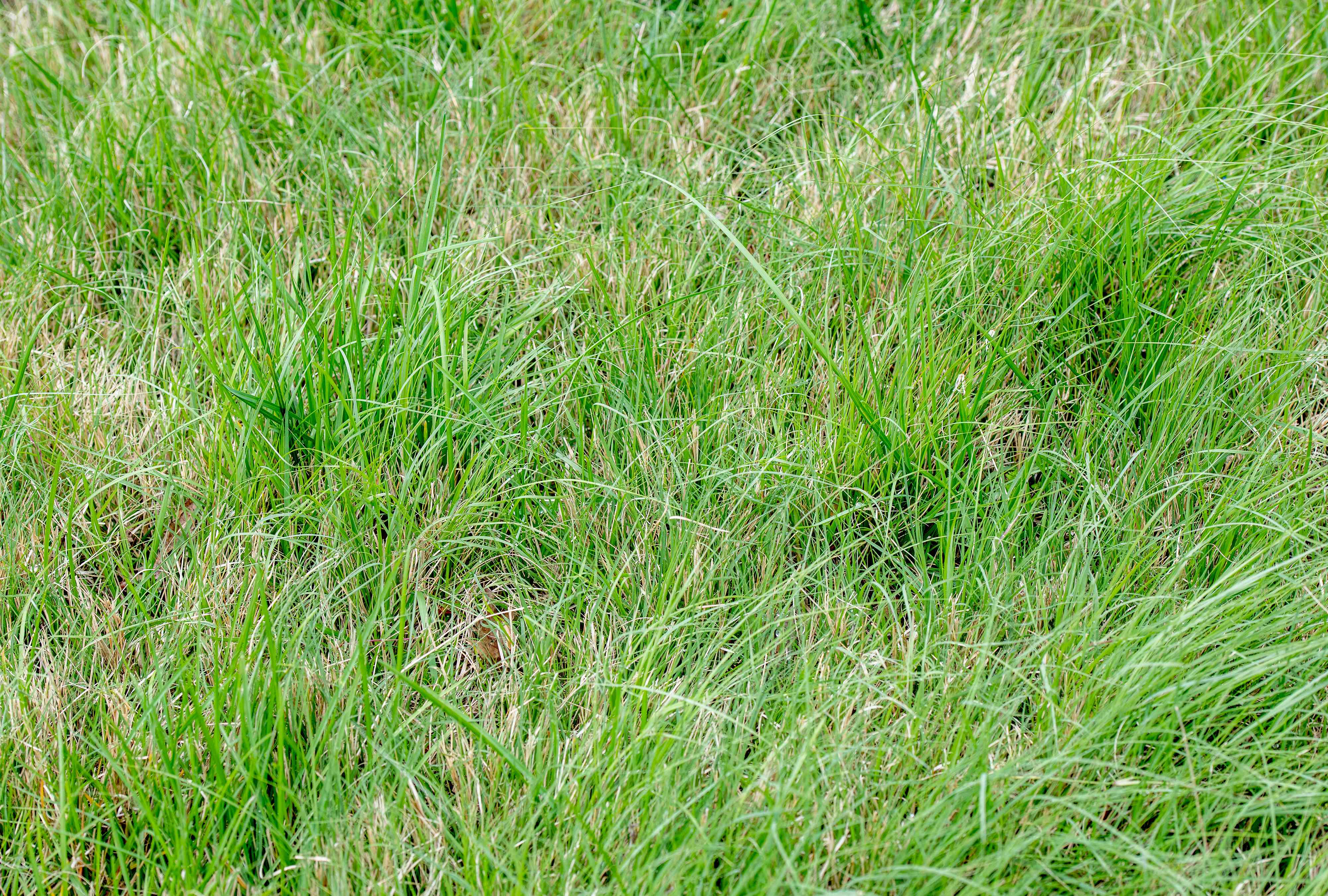
If your dream lawn is lush, green, and not constantly asking for water, fertilizer, and your weekend,
buffalo grass might be your new best friend. This native prairie grass has quietly thrived on the Great Plains
for millions of years, shrugging off drought, heat, and neglect long before sprinkler systems were invented.
Today, homeowners are finally catching on: buffalo grass can deliver a soft, attractive, low-maintenance lawn
that fits perfectly with water-wise, eco-friendly living.
In this guide, we’ll break down what buffalo grass is, where it grows best, how much care it really needs,
and the trade-offs compared with traditional lawns. By the end, you’ll know whether this tough, native turf
deserves a starring role in your yard.
What Is Buffalo Grass?
A native, warm-season prairie grass
Buffalo grass (botanical name Bouteloua dactyloides) is a warm-season, sod-forming turfgrass native
to North America, especially the shortgrass prairies stretching from Canada down through the central United
States and into Mexico. It naturally evolved in areas with low rainfall, intense summer heat, and wide
temperature swings, which is exactly why it does so well when water is scarce and summers are scorching.
As a warm-season grass, buffalo grass does most of its growing when daytime temperatures range roughly from
the mid-70s to mid-90s °F. It turns tan and goes dormant in cool seasonstypically late fall through early
springthen greens up again once soil and air temperatures warm.
Buffalo grass by the numbers
- Growth habit: Low-growing, fine-textured turf, usually about 4–8 inches tall if left unmowed.
- Spreading type: Spreads via stolons (above-ground runners) that knit together into a dense, soft mat.
- Hardiness and climate: Best suited to sunny sites in much of the central and western U.S., especially regions with hot summers and relatively low humidity.
- Water use: Often needs roughly half to a quarter of the water required by traditional cool-season lawns like Kentucky bluegrass.
- Fertilizer needs: Very lowoften 0–2 pounds of nitrogen per 1,000 square feet per year, sometimes even less.
Why Buffalo Grass Is a Low-Maintenance Lawn Hero
1. Drought tolerance and water savings
One of the biggest selling points of buffalo grass is its drought tolerance. Its root system can reach
several feet deep, allowing it to tap moisture far below the soil surface. That means in many climates, once
it’s established, buffalo grass can get by on natural rainfall or occasional deep watering instead of frequent
sprinkling.
Homeowners in arid and semi-arid regions often see substantial reductions in their water bills by switching
from water-hungry cool-season grasses to buffalo grass. In some trials, buffalo grass maintained acceptable
quality with significantly less irrigation than tall fescue or Kentucky bluegrass. For water-wise designs,
xeriscapes, and drought-prone areas, buffalo grass fits beautifully into a low-input landscape.
2. Minimal mowing (yes, really)
Buffalo grass naturally grows low to the ground, so it doesn’t demand a weekly haircut. Many homeowners
maintain buffalo grass lawns at 2–4 inches and mow only every couple of weeks in peak growth, or even less
often if they’re comfortable with a slightly more natural look.
In some casesespecially in low-traffic areaspeople simply give the lawn one “cleanup” mow in spring to tidy
winter growth and then let it do its thing all summer. If your mower and you are currently in a co-dependent
relationship, buffalo grass is your chance to set some boundaries.
3. Low fertilizer requirements
Many conventional lawns rely on multiple fertilizer applications each year to stay thick and green. Buffalo
grass is different. Because it evolved in nutrient-poor prairie soils, it can perform well with minimal
fertilizer. In fact, over-fertilizing can encourage weed invasion and make the lawn less resilient.
A common recommendation is about 1 pound of nitrogen per 1,000 square feet once or twice during the growing
season, often in early summer and mid- to late summer. Some very low-input homeowners fertilize lightly every
other year and still enjoy an acceptable lawn.
4. Fewer pests and diseases
While no turfgrass is completely pest- or disease-proof, buffalo grass tends to experience fewer serious
problems than many cool-season species. When issues do pop upsuch as chinch bugs or occasional fungal spots
they’re often linked to stress, overwatering, or over-fertilizing rather than the grass itself being
inherently fragile.
For many homeowners, good cultural practicesproper mowing height, avoiding soggy soil, and preventing
excessive thatchare enough to keep buffalo grass healthy without heavy chemical intervention.
Where Buffalo Grass Grows Best
Climate and hardiness
Because buffalo grass is a warm-season species, it thrives in areas with hot summers and moderate to low
humidity. It’s commonly used across the central Great Plains, parts of the Mountain West, and increasingly in
other water-conscious regions. In colder northern climates, it can still be used, but the green season is
shorter, and dormancy starts earlier in fall and lingers longer into spring.
If you live in a very cool, wet, or heavily shaded environment, buffalo grass will likely struggle. It’s not a
fan of prolonged cool, soggy weather or dense shade.
Sun and soil requirements
Buffalo grass loves sun. Aim for at least 6–8 hours of direct sunlight per day. Lawns with significant tree
cover, north-facing slopes, or large structures casting deep shade may not be good candidates.
In terms of soil, buffalo grass prefers well-drained loam or clay and tolerates slightly alkaline conditions.
Very sandy soils that dry out extremely fast can be challenging unless you’re prepared to water a bit more
during establishment. Poorly drained, consistently wet spots are not recommendedthis grass likes moisture,
but it doesn’t want wet feet.
Buffalo Grass vs. Traditional Lawn Grasses
To understand whether buffalo grass fits your yard, it helps to compare it with more familiar options like
Kentucky bluegrass and tall fescue.
Buffalo grass vs. Kentucky bluegrass
- Water use: Buffalo grass typically uses far less water than Kentucky bluegrass, making it a better pick in drought-prone regions.
- Appearance: Kentucky bluegrass is known for its deep green color and lush, carpet-like texture. Buffalo grass has a finer, sometimes bluish-green tone with a more natural prairie look.
- Growing season: Bluegrass stays green longer in spring and fall, while buffalo grass goes dormant and tan sooner and wakes up later.
- Maintenance: Bluegrass generally needs more mowing, fertilizer, and water. Buffalo grass is truly low-input once established.
Buffalo grass vs. tall fescue
- Traffic tolerance: Tall fescue often handles heavy, continuous foot traffic better than buffalo grass, making it a better choice for sports fields or dog-zones that see constant pounding.
- Water and fertilizer needs: Both can be relatively tough, but buffalo grass still tends to win on low water use and minimal fertilizer.
- Climate fit: Tall fescue excels in many cool to transitional climates. Buffalo grass shines in hot, dry conditions and full sun.
Pros and cons of buffalo grass
Big advantages:
- Very low water requirements once established.
- Minimal fertilizer and mowing needs.
- Native species that supports more sustainable, eco-friendly landscaping.
- Good heat and drought tolerance.
Things to consider:
- Turns brown and dormant in cool seasons; not a year-round green lawn in most climates.
- Poor shade toleranceneeds plenty of sun to look its best.
- Not ideal for constant heavy foot traffic or sports-level use.
- Establishment from seed or plugs can be slower and more finicky than some traditional sod lawns.
How to Establish a Buffalo Grass Lawn
Step 1: Site assessment and prep
Before you get excited about seed bags and plugs, start with a site reality check:
- Sunlight: Confirm that your area gets at least 6 hours of direct sun daily.
- Soil: Consider a soil test to check pH and nutrient levels. Most buffalo grass lawns do well in slightly acidic to slightly alkaline soil.
- Drainage: Make sure water doesn’t pool for long periods after rain. If it does, you may need to improve grading or choose a different grass.
Remove existing vegetation (either by hand, with a sod cutter, or using a non-selective herbicide according to
label directions), then rake or till lightly to create a smooth, friable seedbed. Remove rocks, roots, and
debris that will interfere with seed-to-soil contact.
Step 2: Choose your planting method
You can establish buffalo grass by seed, plugs, or sod:
-
Seed: Usually the most economical option. Many guides recommend about 4–6 pounds of seed
per 1,000 square feet for full coverage, using treated seed for better germination. You’ll need patience and diligent watering while the seedlings establish. -
Plugs: Small rooted pieces of sod planted on a grid spacing anywhere from 6 to 24 inches apart.
Closer spacing fills in faster but costs more. Plugs are a good middle ground between seed and full sod. - Sod: The quickest way to an “instant” buffalo grass lawn. Sod is more expensive up front but provides immediate cover and reduces weed pressure.
Step 3: Watering and first-season care
Buffalo grass is water-thrifty in the long run, but during establishment it needs consistently moist soil:
- Keep the top inch or two of soil moistnot saturateduntil seed germinates and plugs or sod are rooted.
- Use light, frequent irrigation cycles early on, then gradually switch to deeper, less frequent watering as the lawn fills in.
- Apply a starter fertilizer at planting if recommended by your soil test, typically a balanced product with modest nitrogen content.
- Use appropriate pre-emergent herbicides labeled safe for buffalo grass if you’re battling annual weeds, or rely on careful hand-weeding during the first year.
Once you see the lawn thickening and runners spreading, you can relax your irrigation schedule and begin
treating the grass more like the low-maintenance turf it will become.
Routine Care for Established Buffalo Grass
Watering
After the first season, your goal is to encourage deep roots by watering deeply but infrequently. Many
homeowners find that supplying about 1 inch of water every two weeks (or even less in some climates) is enough
to keep buffalo grass looking good during the active growing season. In drought or if you prefer a more
natural look, you can allow the lawn to go partially dormant and bounce back when conditions improve.
Mowing
Maintain buffalo grass around 2–4 inches tall. Cutting shorter than 2 inches can stress the turf and invite
weeds. If you prefer that “prairie meadow” vibe, keep the mower deck high and mow only occasionally. For a
neater, suburban look, mow more regularly but still far less often than a typical cool-season lawn demands.
Fertilizing
A simple schedule might be:
- Apply about 1 pound of nitrogen per 1,000 square feet in early summer.
- If you want a slightly greener, denser lawn, add a second light application in mid- to late summer.
Use a slow-release nitrogen source and avoid heavy fall fertilization, which doesn’t benefit warm-season
grasses as much and can encourage cool-season weeds.
Weeds, thatch, and aeration
Weeds in buffalo grass often signal overwatering, over-fertilizing, or thin turf during the establishment
phase. Keeping inputs modest and mowing at a healthy height helps the grass outcompete most invaders.
Over time, buffalo grass can develop thatcha layer of dead stems and roots at the soil surface. If it becomes
spongy or repels water, consider dethatching in late spring or early summer when the grass is actively growing.
Core aeration once a year or every other year can also improve root growth and water penetration, especially
in compacted soils.
Is Buffalo Grass Right for Your Yard?
Buffalo grass is not the perfect lawn for every situation. If you live in a shady, coastal, cool, or wet
climate and want a dark green lawn from March through November, you may be happier with a cool-season mix.
But if you:
- Live in a region with hot summers and limited rainfall,
- Have a sunny yard with decent drainage,
- Want to reduce water use, fertilizer, and mowing, and
- Don’t mind a tan, dormant lawn in the off-season,
then buffalo grass is a strong contender. It offers a softer, more refined look than many other native turf
options while still aligning with sustainable landscaping and low-maintenance living.
SEO Wrap-Up: Meta Details for Your Buffalo Grass Article
sapo:
Buffalo grass isn’t your average lawnit’s a tough, native, warm-season turf that evolved to handle heat, drought, and low-nutrient soils with ease. Instead of demanding constant watering, fertilizing, and mowing, buffalo grass settles in, grows deep roots, and quietly delivers a soft, natural-looking carpet of green through the hottest months of the year. In this in-depth guide, you’ll learn what makes buffalo grass so different from traditional lawns, where it grows best, how to establish and care for it, and the key pros and cons to consider before you commit. If you’re ready to spend less time pushing a mower and more time enjoying your backyard, buffalo grass might be the low-maintenance lawn option you’ve been looking for.
Real-World Experiences with Buffalo Grass Lawns
It’s one thing to read about buffalo grass on paper; it’s another to live with it season after season. To give
you a feel for what life with a buffalo grass lawn is actually like, imagine a few common scenarios.
First, picture a homeowner in a semi-arid suburb where summer watering restrictions are a yearly ritual. When
they had a traditional cool-season lawn, they spent hot evenings dragging sprinklers around and still ended up
with brown patches by August. After switching to buffalo grass, their watering routine changed dramatically:
one deep soak every week or two during extreme heat, and often no supplemental water at all in milder summers.
The water bill dropped, and the lawn stopped looking panicked every time the forecast mentioned “heat dome.”
Another family wanted less yard work and more porch time. They weren’t obsessed with a golf-course-perfect
lawn; they just wanted something soft under bare feet that didn’t turn into a high-maintenance side job. When
they installed buffalo grass from plugs, the first season required patience and consistent moisture. But once
the runners filled in, mowing dropped to maybe twice a month in summer. Weekends shifted from “lawn day” to
“grill day,” and no one missed the sound of the mower.
A third example comes from a homeowner who values native plants and biodiversity. They paired a buffalo grass
front lawn with native perennials, ornamental grasses, and pollinator-friendly flowers. The buffalo grass
provided a soft, cohesive backdrop for the more colorful plantings, and the entire yard demanded far less water
than their neighbors’ traditional turf. Because buffalo grass is native, it fit naturally into this
pollinator-friendly, low-input design without looking wild or unkempt.
Of course, buffalo grass isn’t a magic solution. One dog owner discovered that high-traffic “racetrack” paths
around the fence line became thin in a buffalo grass lawn, especially where the soil compacted. The fix was to
add stepping stones and redirect the heaviest wear, plus a bit of aeration and overseeding in spring. Once they
adjusted expectationsaccepting that no grass loves constant, concentrated poundingthe lawn recovered and
looked good again.
Many people also need time to get used to the seasonal dormancy. When buffalo grass turns tan in late fall, it
can be a mental shift if you’re used to cool-season lawns that stay greener longer. Some homeowners lean into
this by decorating with fall pumpkins, pots, and hardscape features so the yard still feels intentional and
attractive. Others appreciate the honesty: the grass is simply resting when nature says it should.
Overall, the most satisfied buffalo grass owners tend to share a few traits. They value low maintenance more
than a hyper-manicured look, they care about saving water and fertilizer, they have plenty of sun, and they’re
comfortable with a lawn that follows natural rhythmslush in summer, resting in winter. If that sounds like
you, the “low-maintenance lawn option” in the title of this article isn’t just a catchy phrase; it’s a very
real lifestyle upgrade waiting right outside your door.