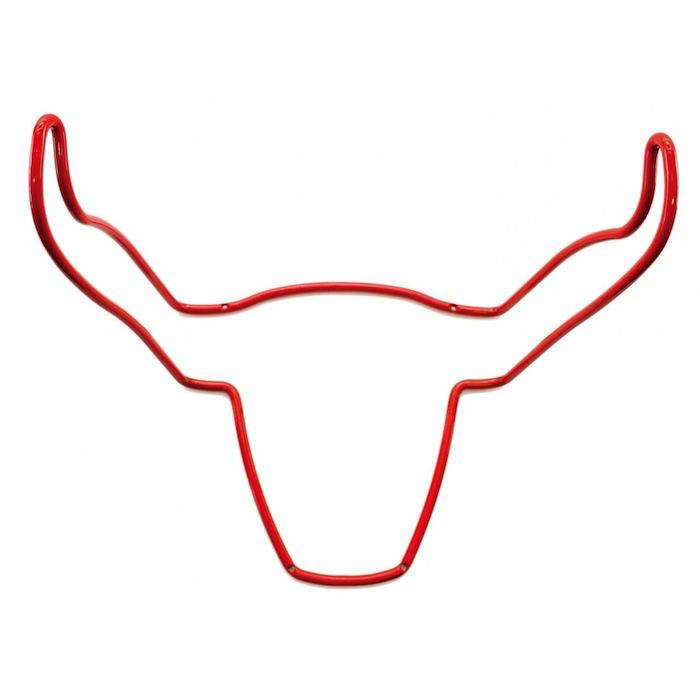
A bull horns bike rack is what happens when bike storage gets tired of looking like a garage afterthought and decides to grow a personality. Instead of hiding your bicycle in a corner, leaning it against a wall, or letting it slowly become part of the hallway obstacle course, this style of wall-mounted bike rack turns your ride into a display piece. The shape usually mimics curved bull horns, antlers, or a minimalist trophy mount, giving the rack a sculptural look while still doing the very practical job of holding a bicycle securely.
For apartment dwellers, garage organizers, design lovers, and cyclists who believe a beautiful bike deserves better than being wedged behind a laundry basket, the bull horns bike rack offers a smart blend of function and style. It saves floor space, protects your bike from bumps, and adds visual interest to a room. In other words, it stores your bike and says, “Yes, I own Allen keys, but I also have taste.”
What Is a Bull Horns Bike Rack?
A bull horns bike rack is a wall-mounted bicycle storage rack with two projecting arms shaped like horns. The bike usually rests horizontally on the arms, often by the top tube or frame, depending on the design. Some versions use steel arms with protective rubber coating, while others combine metal supports with a wooden backplate. More decorative models may resemble taxidermy trophy mounts, except no bulls were emotionally involved.
The main purpose is simple: lift the bike off the floor and keep it stable. The secondary purpose is just as important for many buyers: make bike storage look intentional. Traditional hooks are excellent for garages, but they can look industrial in living rooms. A bull horns bike rack, by contrast, can fit into modern, rustic, minimalist, or urban interiors because it behaves like functional wall art.
Why This Rack Style Has Become Popular
Modern bike owners often face a storage problem. Bikes are expensive, awkwardly shaped, and surprisingly talented at blocking doors. A road bike may be light and elegant, but when left in a narrow hallway, it becomes a shin-seeking missile. Mountain bikes, hybrids, cruisers, and e-bikes can be even harder to manage because of wider bars, heavier frames, and larger tires.
Wall-mounted racks solve this by using vertical wall space instead of precious floor space. A bull horns bike rack goes further by adding design value. It allows a bike to be stored indoors without making the room feel like a repair shop. For people who live in apartments, studios, condos, or townhomes, that distinction matters. A bike in the living room can look messy; a bike on a stylish rack can look curated.
It Turns the Bike Into Wall Art
Many cyclists already think their bike is beautiful. The frame geometry, paint, wheels, saddle, and cockpit all create an object that is part transportation and part sculpture. A bull horns bike rack frames that object visually. Instead of apologizing for the bike’s presence, the rack celebrates it.
It Saves Real Space
Horizontal wall racks keep the bicycle parallel to the wall, which can work especially well in apartments, offices, entryways, and garages with enough wall length. Unlike vertical hooks, which can extend farther into the room depending on wheel position, a horizontal rack can make the bike feel flatter against the wall. That said, handlebars still need clearance, so measuring before installation is not optional unless you enjoy surprise drywall conversations.
It Adds Personality
The bull horn shape gives the rack a memorable silhouette. Some designs feel rugged and western-inspired, while others are sleek and architectural. This makes the rack appealing not only to cyclists but also to people decorating a space where every visible object needs to earn its keep.
Common Materials and Build Quality
The best bull horns bike rack designs usually rely on strong materials such as solid steel, powder-coated metal, hardwood, engineered wood, or a combination of metal and wood. Steel provides the strength needed to support the bike, while rubber or leather-like padding helps protect the frame from scratches. Wood backplates add warmth and help distribute visual weight across the wall.
Powder coating is a popular finish for metal racks because it resists chipping better than basic paint and gives the rack a clean, finished appearance. Black and white are common colors, but some handmade or boutique racks may offer custom finishes. If the rack uses wood, maple, walnut, oak, or recycled composite materials may appear in higher-end designs.
Protective Coating Matters
A bike rack should hold the bicycle without chewing up the paint. Rubber-coated contact points, padded arms, or wrapped horn tips are important details, especially if your bike has a glossy finish, carbon frame, or custom paint job. Even a tiny repeated rub can become an annoying mark over time.
Weight Capacity Is Not a Guessing Game
Always check the manufacturer’s stated weight limit. Many decorative wall racks are designed for standard road bikes, gravel bikes, commuter bikes, or lightweight mountain bikes. Heavy e-bikes, cargo bikes, and downhill bikes may exceed the limit. A rack that looks strong on a product photo still needs proper hardware, correct wall anchoring, and a realistic load rating.
Where a Bull Horns Bike Rack Works Best
The beauty of this rack style is its flexibility. It can work in a garage, but it does not have to live there. In fact, the bull horns bike rack is most interesting in places where storage and design overlap.
Apartment Living Rooms
If your bike is too valuable to leave outside and too large to hide in a closet, a living room wall may be the most practical option. A bull horns bike rack keeps the bike elevated and visually organized. Pair it with a clean wall, a small shelf, or a shoe mat underneath, and suddenly the bike becomes part of the room instead of a roommate with pedals.
Entryways and Hallways
For daily commuters, fast access matters. A wall-mounted rack near the door makes it easy to grab the bike and go. Just be sure the hallway has enough width for handlebars and passing humans. The rack should improve traffic flow, not create an indoor handlebar toll booth.
Garages
In garages, a bull horns bike rack can keep a favorite bike separate from tools, lawn equipment, and mystery boxes labeled “miscellaneous.” It is especially useful for one or two bikes that are ridden often. For larger bike collections, rail systems, vertical hooks, or staggered storage may be more efficient.
Home Offices
A bike mounted on the wall can add energy to a workspace. It hints at discipline, movement, and weekend plans. It also quietly judges you when you skip leg day, but that is between you and the bike.
How to Choose the Right Bull Horns Bike Rack
Choosing the right rack involves more than picking the coolest shape. The best bull horns bike rack for your home should match your bike, your wall, your room layout, and your willingness to install hardware correctly.
1. Measure Your Bike Frame
Most bull horn racks support the bike under the top tube. That works well for many diamond-frame road bikes, gravel bikes, fixed-gear bikes, and hybrids. However, step-through frames, full-suspension mountain bikes, compact frames, and some kids’ bikes may not sit evenly. Before buying, measure the frame area that will rest on the rack and compare it with the rack’s arm spacing.
2. Check Handlebar Width
Wide handlebars can make a wall-mounted bike stick out farther than expected. Mountain bikes and flat-bar commuters need more clearance than narrow drop-bar road bikes. Measure from the wall to the outer edge of the handlebar when the bike is positioned horizontally. This helps you avoid installing the rack in a spot where people will constantly bump into the bars.
3. Confirm Wall Type
Drywall alone is not enough for most wall-mounted bike racks. The safest installation usually involves anchoring into wood studs, masonry, brick, or another solid structural surface. If the wall is hollow, weak, or questionable, use a proper mounting board secured to studs, or ask a qualified installer. The bike may be beautiful, but gravity remains undefeated.
4. Look for Frame Protection
Choose a rack with rubber coating, padded arms, leather sleeves, or smooth rounded contact points. This is especially important for carbon frames and painted steel or aluminum frames. A rack should feel like a supportive handshake, not a metal trap.
5. Match the Style to the Room
Black steel works well in industrial, modern, and minimalist rooms. Wood-and-metal designs feel warmer and can fit Scandinavian, rustic, or mid-century interiors. White powder-coated racks blend nicely with light walls. If the bike has bold colors, a simple rack may work best so the bike remains the star.
Bull Horns Bike Rack vs. Other Bike Storage Options
No bike rack is perfect for every space. A bull horns bike rack is stylish and practical, but it is not the only option. Understanding the alternatives helps you decide whether this design truly fits your needs.
Bull Horns Rack vs. Vertical Wall Hook
Vertical wall hooks are excellent for saving floor space, especially in garages. They store the bike by one wheel, often perpendicular to the wall. This can be very efficient for multiple bikes, particularly when racks are staggered. However, vertical hooks may look less polished indoors and can require lifting the bike higher. A bull horns rack is usually more decorative and easier to integrate into living spaces.
Bull Horns Rack vs. Gravity Stand
A gravity stand leans against the wall and often holds two bikes without permanent drilling. This is great for renters or anyone avoiding wall holes. The tradeoff is that gravity stands use more floor space and may not look as clean as a wall-mounted display. A bull horns bike rack is better when you want a permanent, elegant solution for one featured bike.
Bull Horns Rack vs. Ceiling Hooks
Ceiling hooks are inexpensive and efficient, especially in garages or basements with exposed joists. They are less ideal for living rooms unless your design theme is “bike shop attic.” Ceiling storage also requires lifting the bike overhead, which may be inconvenient for daily riders or heavier bikes.
Bull Horns Rack vs. Bike Shelf
Bike shelves often include a flat surface for keys, helmets, plants, or small accessories. They can be very attractive but may be bulkier. Bull horn racks are usually more sculptural and minimal. If you need storage for gear, choose a shelf. If you want a bold display, choose horns.
Installation Tips for a Secure Setup
Installing a bull horns bike rack is usually straightforward, but it must be done carefully. A poor installation can damage the wall, the rack, or the bike. Worst-case scenario, it can produce the kind of midnight crash that makes everyone in the house briefly reconsider indoor cycling.
Find the Studs or Solid Mounting Surface
Use a stud finder for drywall installations and confirm the stud location before drilling. For masonry or brick, use the correct anchors and drill bits recommended by the rack manufacturer. Never assume decorative anchors are strong enough for a load-bearing bike rack.
Use the Right Hardware
Many racks include screws and anchors, but included hardware may not suit every wall type. If your wall is unusual, upgrade the hardware. Lag screws, masonry anchors, or a wood backing board may be necessary. When in doubt, ask a hardware professional or contractor.
Install at a Comfortable Height
The rack should be high enough to clear the floor but low enough that lifting the bike does not feel like a gym membership you forgot to cancel. For daily use, comfort matters. Test the bike’s position before drilling final holes by marking the wall with painter’s tape.
Protect the Wall
Bikes bring in dust, chain oil, water, and road grit. Consider adding a washable wall panel, small tire guard, or mat underneath the bike. If the rack holds the bike parallel to the wall, watch where the tires and pedals sit. A clean installation can get dirty quickly after one rainy ride.
Best Bikes for a Bull Horns Bike Rack
A bull horns bike rack is best suited for bikes with a frame shape that can rest evenly across two arms. Road bikes, single-speed bikes, fixies, many gravel bikes, and standard commuter bikes are strong candidates. Lightweight mountain bikes may also work if the frame triangle and top tube fit properly.
Less ideal candidates include heavy e-bikes, step-through city bikes, cargo bikes, and unusual frame designs. These may require a rack with adjustable arms, a wheel-based storage system, or a floor stand. The rack should fit the bike, not the other way around. A stylish rack that forces the bike into an awkward angle is just wall-mounted stress.
Design Ideas for Styling a Bull Horns Bike Rack
The bull horns bike rack shines when treated as part of the room design. Here are a few ways to make it look intentional:
- Create a cycling wall: Mount the bike above a narrow bench, helmet shelf, or framed cycling print.
- Use contrast: A black rack on a white wall creates a strong graphic look.
- Match materials: Pair a wood-backed rack with wood floors, shelves, or furniture.
- Add lighting: A small wall sconce or picture light can make the bike look gallery-worthy.
- Keep the area clean: A stylish rack loses charm fast if surrounded by pumps, shoes, and snack wrappers from three rides ago.
Maintenance and Long-Term Care
A bull horns bike rack does not need much maintenance, but it should be checked occasionally. Tighten screws if the rack develops movement. Inspect rubber padding for wear. Clean dust from the arms and wipe away any grit that could scratch the frame. If the rack is mounted in a garage or humid area, check for rust or finish damage.
Also clean the bike before hanging it indoors. Tires, chains, and drivetrains can transfer dirt to walls and floors. A quick wipe after wet rides keeps the display looking intentional rather than archaeological.
Is a Bull Horns Bike Rack Worth It?
A bull horns bike rack is worth it if you want bike storage that is visible, attractive, and easy to use. It is not the cheapest option, and it may not be the most efficient for storing five bikes in a garage. But for one prized bicycle, especially in a home or apartment, it offers a strong balance of practicality and personality.
The ideal buyer is someone who values both function and aesthetics. If you simply need to hang a fleet of bikes in a basement, basic hooks may win. If you want your bike to live proudly on the wall without making your space look like a storage unit, the bull horns bike rack makes a compelling case.
Real-World Experience: Living With a Bull Horns Bike Rack
The first thing you notice after installing a bull horns bike rack is how much calmer the room feels. Before the rack, the bike has a way of drifting. One day it leans near the couch. The next day it blocks the closet. Then it mysteriously moves into the kitchen, where it waits for you like a very expensive metal deer. Once mounted, the bike finally has a home.
In daily use, the best part is convenience. A good bull horns bike rack lets you lift the bike, settle the frame onto the arms, and step away without wrestling with straps or pulleys. For a lightweight road or gravel bike, the motion becomes automatic after a few days. Grab the top tube, lift, place, done. It feels cleaner than leaning the bike against furniture and safer than trusting the kickstand on a smooth floor.
There is also a psychological benefit. When the bike is displayed neatly, you tend to treat it better. You notice when the chain needs cleaning. You see the tires and remember to check pressure. You are more likely to ride because the bike is visible and ready, not buried behind storage bins and holiday decorations. The rack becomes a small reminder that riding is part of your lifestyle, not just something you do when the weather, schedule, and snack supply align perfectly.
Installation experience depends heavily on the wall. Mounting into studs is usually the cleanest path. If the rack is centered on a single stud or attached to a strong backing board, it feels solid and confidence-inspiring. Masonry can be excellent too, provided the right anchors are used. Drywall-only installation is where problems begin. Even if a lightweight bike seems fine at first, repeated loading and unloading can loosen weak anchors over time. A bike falling off the wall is dramatic, expensive, and not the kind of performance art anyone requested.
One practical lesson is to test height before drilling. Too low, and the bike may interfere with furniture or shoes underneath. Too high, and every ride begins with a clean-and-jerk. The sweet spot is usually where the bike clears the floor comfortably while still being easy to lift. If more than one person will use the rack, choose a height that works for the shorter rider, unless household diplomacy is not important to you.
Another lesson is wall protection. Even careful riders bring home dust, water, and chain grime. A small washable mat below the bike and a discreet wall protector behind the tires can prevent marks. This is especially useful in apartments with white walls, where one dirty tire print can look like modern art with legal consequences.
Over time, the bull horns bike rack proves its value most in small spaces. It turns an awkward object into a displayed object. It saves floor space, reduces clutter, and makes the bike easier to admire between rides. It is not just storage; it is a tiny stage for the machine that carries you through morning commutes, weekend climbs, coffee runs, and the occasional “I definitely meant to take this hill” adventure.
Conclusion
A bull horns bike rack is one of the most stylish ways to store a bicycle indoors. It combines the strength of a wall-mounted bike rack with the visual appeal of sculptural decor. For riders with limited space, design-conscious homes, or a favorite bike worth showing off, it offers a practical and attractive solution. The key is choosing a rack with proper weight capacity, protective contact points, quality materials, and hardware suited to your wall type.
Whether installed in a garage, hallway, apartment, or home office, the bull horns bike rack brings order to bike storage without stripping away personality. It is functional, memorable, and just dramatic enough to make your bicycle look like it belongs there. And honestly, if your bike already eats half your budget and most of your weekend, it might as well get a nice spot on the wall.
Note: This article is written as original, publication-ready content based on real-world bike storage principles, product characteristics, installation guidance, and common cyclist use cases. Always follow the specific manufacturer instructions for the rack you purchase.