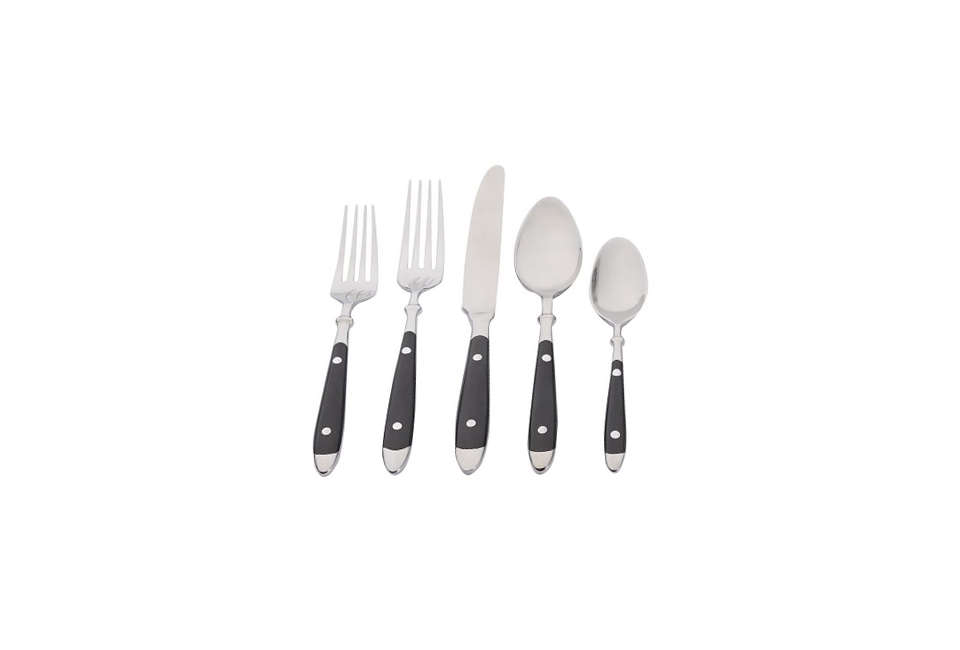
Great cafe flatware does not usually get a standing ovation. Nobody walks into a neighborhood coffee shop, lifts a teaspoon, and whispers, “At last, a utensil with emotional range.” But flatware quietly shapes the entire dining experience. It affects how a guest stirs a cappuccino, cuts into a slice of quiche, scoops up tomato soup, or finishes a very serious piece of carrot cake that was originally “just for the table.”
In a cafe, flatware has to do more than look pretty next to a linen napkin. It must survive hundreds of wash cycles, disappear into bus tubs without bending, feel comfortable in the hand, match the mood of the space, and return to the table looking polished rather than punished. Whether you run a cozy bakery cafe, a modern brunch spot, a hotel coffee bar, or a casual bistro, choosing the right cafe flatware is a small decision with surprisingly large consequences.
This guide breaks down what cafe flatware is, how to choose it, which materials matter, what styles work best, and how to care for it so it keeps looking guest-ready. Think of it as the utensil version of a reliable barista: practical, polished, and always there when the croissant flakes start flying.
What Is Cafe Flatware?
Cafe flatware refers to the forks, knives, spoons, teaspoons, dessert spoons, and specialty utensils used in cafes, coffee shops, bakeries, diners, bistros, and casual restaurants. It is part of the broader restaurant flatware category, but cafe flatware usually has its own personality. It tends to be simple, durable, easy to replace, and versatile enough for breakfast, lunch, dessert, and coffee service.
Unlike formal fine-dining flatware, cafe flatware does not need to perform theatrical table-setting acrobatics. Most cafes do not require six forks, three spoons, and a knife that seems designed specifically for intimidating butter. Instead, cafe operators need a smart, flexible set: dinner forks, salad or dessert forks, teaspoons, soup spoons, dinner knives, steak knives if needed, and maybe demitasse spoons for espresso service.
Why Cafe Flatware Matters More Than You Think
Flatware is one of the few pieces of restaurant equipment that customers physically hold. They may not inspect your dishwasher, storage shelves, or purchasing spreadsheet, but they will notice if a fork feels flimsy, a spoon is spotted, or a knife cannot cut through toast without filing a formal complaint.
Good cafe flatware supports three important goals: comfort, presentation, and efficiency. Comfort matters because guests want utensils that feel balanced and smooth. Presentation matters because flatware frames your food, especially in a cafe where small plates, pastries, salads, and coffee drinks often carry visual appeal. Efficiency matters because staff need utensils that wash easily, stack neatly, and hold up under daily service.
For cafes, the best flatware is not always the most expensive. The real winner is the pattern that fits the concept, budget, workflow, and replacement plan. A busy counter-service cafe may benefit from sturdy 18/0 stainless steel that can work with magnetic flatware retrievers. A boutique brunch cafe may prefer heavier 18/10 stainless steel with a brighter finish and more refined feel. The right answer depends on the business, not just the catalog photo.
Common Materials Used in Cafe Flatware
18/0 Stainless Steel
Many casual cafes choose 18/0 stainless steel flatware because it is practical, affordable, and suitable for high-volume service. The “18” refers to chromium content, while the “0” means there is no nickel added. This composition usually makes the flatware less expensive than nickel-containing grades and often magnetic, which can help restaurants recover pieces accidentally tossed into trash bins.
For cafes with fast table turnover, outdoor seating, self-service stations, or frequent flatware loss, 18/0 can be a smart option. It may not have the same deep shine or corrosion resistance as 18/10, but it offers good everyday value. In other words, it is the dependable hatchback of the flatware world: not flashy, but it starts every morning.
18/8 Stainless Steel
18/8 stainless steel includes chromium and nickel, giving it improved corrosion resistance and a smoother, shinier finish compared with 18/0. It is often used in mid-range flatware where durability and appearance both matter. For cafes aiming for an elevated but not overly formal table setting, 18/8 can provide a nice balance between cost and polish.
18/10 Stainless Steel
18/10 stainless steel is widely associated with higher-end flatware. The nickel content helps improve luster, stain resistance, and overall durability. It often feels more substantial in the hand and looks more refined on the table. For upscale cafes, boutique hotels, wine bars with daytime coffee service, or restaurants where plating is a major part of the brand, 18/10 can make the table feel more intentional.
The trade-off is cost. 18/10 flatware typically requires a higher upfront investment, and because it is usually non-magnetic, it may not work with magnetic retrieval systems. That matters if your spoons tend to vanish into the trash like tiny stainless-steel magicians.
Specialty Finishes and Coated Flatware
Modern cafes sometimes use matte black, gold, champagne, copper-tone, or brushed finishes for a more designed look. These styles can be beautiful, especially in cafes with dramatic interiors, dark tabletops, or minimalist ceramic plates. However, specialty finishes require careful purchasing. The finish should be durable, food-contact appropriate, and suitable for repeated commercial washing.
If your cafe has a rustic farmhouse style, a satin finish or simple vintage-inspired pattern may look warmer than mirror-polished flatware. If your concept is modern and clean, straight handles and slim silhouettes may work better. Flatware is part of the visual language of the cafe. It should speak fluently, not mumble through a chipped coating.
Flatware Weight: Medium, Heavy, and Extra Heavy
Flatware weight affects both durability and guest perception. Medium-weight flatware is economical and useful for cafeterias, quick-service cafes, and casual dining rooms where loss and replacement are common. Heavy-weight flatware feels sturdier and is often a better choice for full-service cafes or brunch restaurants. Extra-heavy flatware offers a premium feel and resists bending better, making it suitable for upscale bistros and hospitality settings.
The right weight depends on how guests use your menu. If your cafe serves mostly pastries, coffee, salads, and sandwiches, a heavy teaspoon and fork may be enough. If you serve steak and eggs, thick sourdough toast, roasted vegetables, or protein-heavy brunch plates, flimsy knives will quickly become the villain of the dining room. Nobody wants to wrestle breakfast with a knife that has the structural confidence of a wet bookmark.
Best Cafe Flatware Pieces to Stock
Teaspoons
Teaspoons are essential in cafes. They handle coffee, tea, desserts, yogurt bowls, oatmeal, and small tasting portions. Because they disappear often, cafes should buy teaspoons in larger quantities than they think they need. The teaspoon is the sock of the restaurant world: one day you have dozens, the next day they have formed a secret society elsewhere.
Dinner Forks
Dinner forks are workhorse utensils for salads, sandwiches with sides, pasta bowls, breakfast plates, and entrees. Choose a fork with comfortable tines and a handle that does not feel too thin. A balanced dinner fork improves the eating experience without calling attention to itself.
Salad or Dessert Forks
Smaller forks are useful for pastries, cakes, side salads, fruit plates, and shared desserts. A bakery cafe should almost always keep dessert forks on hand. They make sweets feel more intentional and reduce the awkwardness of handing a guest a full dinner fork for a tiny tart.
Soup Spoons
If your cafe serves soups, grain bowls, chowders, or oatmeal, soup spoons matter. A good soup spoon has a rounded, deep bowl that feels comfortable and holds enough liquid without becoming clumsy. For cafes with seasonal soup specials, these spoons can improve both service and presentation.
Dinner Knives
Dinner knives should be strong enough for toast, pancakes, waffles, omelets, and sandwiches. If your menu includes tougher items, consider adding steak knives or sharper table knives. A dull knife makes food feel harder to eat, even when the kitchen did everything right.
Demitasse Spoons
For espresso-focused cafes, demitasse spoons add charm and function. They are small, elegant, and perfect for espresso cups, macchiatos, and tiny desserts. They also tell guests, “Yes, we thought about this,” which is a nice message to send before caffeine enters the bloodstream.
How to Match Cafe Flatware to Your Brand
Flatware should match the mood of your cafe. A vintage bakery might use rounded handles, subtle detailing, or antique-inspired patterns. A Scandinavian-style coffee shop might choose slim satin flatware with clean lines. A French-style bistro may lean toward classic, slightly heavier pieces. A high-energy urban brunch spot may choose bold, contemporary flatware with a polished or matte finish.
The key is consistency. Flatware, plates, glassware, napkins, tabletops, and lighting should feel like they belong to the same story. If your cafe uses handmade ceramic plates and warm wood tables, ultra-glossy formal flatware may feel too stiff. If your cafe uses marble counters and architectural lighting, bargain-bin utensils may weaken the presentation.
That does not mean everything must be expensive. A simple pattern can look excellent when it is clean, consistent, and properly scaled to the dishes. In fact, many cafes are better served by understated flatware because it lets the food and drinks remain the stars.
Buying Tips for Commercial Cafe Flatware
Before ordering cafe flatware, consider your service style. Counter-service cafes often need pieces that are easy to stock at self-service stations and inexpensive to replace. Full-service cafes may place more emphasis on table presentation and hand feel. Outdoor cafes should think about loss, weather exposure, and storage. Catering-focused cafes need flatware that transports well and returns from events without looking like it survived a camping trip.
Also consider your par levels. A cafe generally needs enough flatware to cover active seating, dishwashing cycles, backup stock, and loss. Underbuying creates stress during rushes. Overbuying ties up cash and storage space. A practical starting point is to estimate the number of seats, average turns per meal period, and dishwashing speed. Then add a realistic backup supply for spoons and forks, which tend to disappear fastest.
Replacement availability is another major factor. Choose patterns from suppliers that offer open-stock pieces, not only boxed sets. If you cannot reorder matching teaspoons six months later, your table setting may slowly become a museum of unrelated utensils. Eclectic can be charming when intentional. Accidental chaos is less charming, especially when one spoon looks like it came from a spaceship and another from your aunt’s garage sale.
Flatware Care: How to Keep Cafe Utensils Looking Good
Even stainless steel needs proper care. The word “stainless” does not mean “invincible.” Salt, acidic foods, harsh chemicals, long soaking, and trapped moisture can all cause staining or corrosion over time. Good habits protect your investment and keep flatware guest-ready.
Scrape food promptly, especially salty or acidic residues such as tomato sauce, citrus dressing, mustard, vinegar-based sauces, and pickles. Avoid leaving dirty flatware sitting for long periods before washing. Do not soak stainless steel flatware overnight, especially with mixed metals. Avoid bleach and harsh cleaners because they can damage the surface. After washing, allow utensils to dry fully before storage. If water spots are a recurring issue, review dishwasher rinse aid, water hardness, and drying procedures.
Staff training matters too. Flatware should not be thrown into bins with heavy kitchen tools, scraped aggressively with abrasive pads, or stored while damp. Small habits add up. A teaspoon may be humble, but multiply it by several thousand uses per month and you have a serious operations issue wearing a tiny handle.
Common Mistakes to Avoid
One common mistake is choosing flatware only by price. Cheap utensils may look acceptable at first but bend, stain, or feel uncomfortable after repeated use. Another mistake is choosing flatware only by beauty. A dramatic pattern that looks stunning online may be too heavy, too delicate, or too difficult to replace for daily cafe operations.
Cafes also sometimes forget about menu compatibility. If you serve hearty brunch plates, do not buy delicate knives. If you serve desserts, do not skip dessert forks. If you run a coffee-forward concept, invest in teaspoons and demitasse spoons. Your flatware should support what you actually serve, not what looked elegant in a staged photo with a linen napkin and one suspiciously perfect raspberry.
Another mistake is mixing too many patterns without intention. A few complementary pieces can create a charming vintage feel, but random mismatches can make the dining room feel careless. Consistency communicates professionalism, even in casual spaces.
Real-World Experiences With Cafe Flatware
In real cafe service, flatware becomes part of the rhythm of the day. Morning customers reach for teaspoons before they are fully awake. Brunch guests test knives against toast, waffles, and the occasional heroic breakfast sandwich. Afternoon visitors linger over cake forks while pretending they are only staying “five more minutes.” Staff members sort, polish, restock, and rescue utensils from trays, bus tubs, and sometimes places no spoon should ever have to go.
One of the most noticeable experiences with cafe flatware is how quickly guests judge quality by touch. A fork does not need to be luxurious, but it should feel steady. When a utensil is too light, guests may assume the whole operation is cutting corners. When it is too heavy for the setting, it can feel awkward, especially for casual coffee and pastry service. The sweet spot is flatware that feels solid but not theatrical.
Another practical lesson is that teaspoons deserve respect. In cafes, teaspoons work harder than almost any other utensil. They stir lattes, portion sugar, scoop foam, handle desserts, and vanish at a pace that could inspire a documentary. Many cafe owners learn quickly that ordering equal numbers of forks, knives, and teaspoons is a rookie move. Teaspoons need backup, then backup for the backup.
Flatware also affects speed. When pieces stack neatly and fit well in flatware cylinders or sorting trays, staff can reset stations faster. During a rush, those seconds matter. A well-organized flatware system can reduce bottlenecks at the dish station and prevent awkward moments where a server presents soup and then begins the ancient ritual of hunting for a spoon.
Customer experience improves when flatware matches the food. A small spoon with an espresso feels thoughtful. A proper soup spoon makes a bowl of tomato basil soup feel more generous. A sturdy knife makes avocado toast easier to eat and less likely to become a public negotiation between bread crust and human dignity. These details may seem small, but hospitality is built from small details repeated consistently.
There is also a branding lesson. In cafes where the interior design is warm and handmade, brushed or vintage-inspired flatware can make the table feel relaxed and welcoming. In sleek urban cafes, minimalist flatware helps reinforce a clean, modern identity. Guests may not describe the utensil pattern in their review, but they feel the overall coherence. The best cafe flatware disappears into the experience while quietly improving it.
Finally, cafe flatware teaches operators to think long term. A pattern that is easy to reorder, easy to wash, and durable enough for daily service will usually outperform a trendier option that becomes unavailable or wears poorly. The goal is not to impress guests with a spoon. The goal is to make every bite, sip, stir, and shared dessert feel effortless. When flatware does that, it has done its job beautifully.
Conclusion
Cafe flatware may be small, but it carries a big responsibility. It supports the food, reinforces the brand, affects guest comfort, and influences daily operations behind the counter. The best choice depends on your cafe’s menu, service style, design, budget, and maintenance routine.
For busy casual cafes, durable 18/0 stainless steel can offer strong value and practical replacement benefits. For elevated brunch spots and boutique cafes, heavier 18/8 or 18/10 flatware may provide the polished look and hand feel that supports a more refined guest experience. Whatever you choose, prioritize comfort, durability, cleanability, and reorder availability.
In the end, great cafe flatware is not about showing off. It is about making the meal feel complete. A good fork should not bend under brunch pressure. A good spoon should make coffee service smoother. A good knife should cut toast without drama. And every piece should return from the dishwasher ready to do it all again tomorrow.
Note: This article is prepared as clean publish-ready HTML body content in standard American English, without unnecessary citation placeholders, source-code references, or contentReference tags.