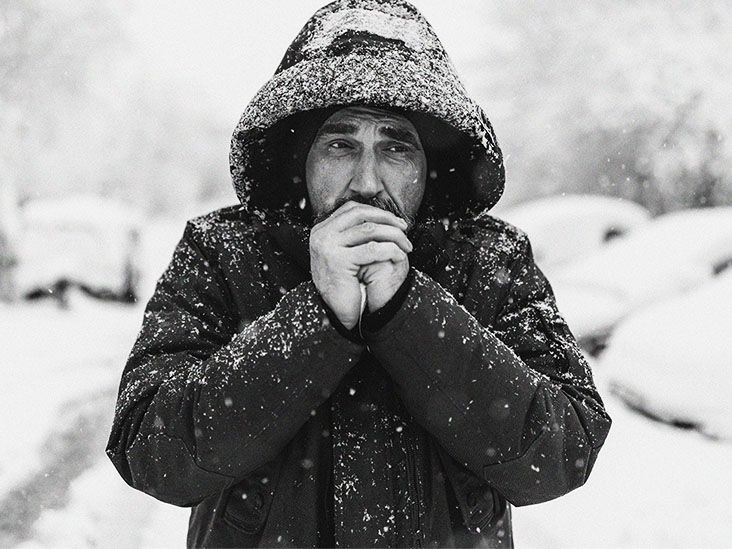
Yes, cold weather can make COPD worse for many people. It does not mean winter is secretly plotting against your lungs with a tiny snow shovel, but cold, dry air can irritate sensitive airways, make breathing feel tighter, and increase the chances of a COPD flare-up. Add winter viruses, indoor heating, fireplace smoke, less exercise, and holiday crowds into the mix, and the season can become a full obstacle course for anyone living with chronic obstructive pulmonary disease.
COPD, or chronic obstructive pulmonary disease, is a long-term lung condition that makes it harder to move air in and out of the lungs. It commonly includes chronic bronchitis, emphysema, or features of both. People with COPD may already deal with shortness of breath, coughing, wheezing, mucus, fatigue, and reduced exercise tolerance. When cold weather arrives, those everyday symptoms can become more noticeable, especially during outdoor activity or sudden temperature changes.
The good news: winter does not have to win. With smart planning, the right clothing, careful indoor air habits, and a COPD action plan from a healthcare provider, many people can reduce cold-weather breathing problems and move through the season with more confidence.
Why Cold Weather Can Make COPD Symptoms Worse
Cold air is usually dry air. When you breathe it in, your nose and upper airways try to warm and humidify it before it reaches your lungs. That process is normal, but in people with COPD, the airways are already more sensitive, inflamed, narrowed, or partly blocked by mucus. Cold air can act like an uninvited guest who walks in, turns on all the lights, and asks why everyone is coughing.
Cold Air Can Irritate the Airways
For some people with COPD, breathing cold air can trigger airway tightening, sometimes described as bronchospasm or bronchoconstriction. This narrowing may cause coughing, wheezing, chest tightness, and shortness of breath. Even a short walk to the mailbox can feel like a mini mountain expedition if the air is icy and dry.
This effect may be stronger when a person breathes through the mouth instead of the nose. The nose is the body’s built-in air warmer and humidifier. Mouth breathing lets colder, drier air reach the lower airways more directly, which can make symptoms worse during outdoor activity.
Cold Weather Can Thicken Mucus
COPD often comes with extra mucus production. In winter, dry air and dehydration can make mucus feel thicker and harder to clear. Thick mucus is not just annoying; it can block airflow, increase coughing, and create a comfortable little “winter cabin” for germs. Unfortunately, germs do not pay rent.
When mucus changes color, increases suddenly, becomes much thicker, or comes with fever or worsening breathlessness, it may be a sign of infection or a COPD flare-up. That is when a COPD action plan becomes especially useful.
Winter Respiratory Infections Are a Major Trigger
Cold weather itself is only part of the story. Winter is also the season when respiratory infections such as colds, flu, RSV, COVID-19, bronchitis, and pneumonia tend to spread more easily. For people with COPD, lung infections can lead to serious flare-ups, more medication use, urgent care visits, or hospitalization.
A mild virus for one person may become a major breathing problem for someone with COPD. That is why prevention matters: handwashing, avoiding close contact with sick people, staying current on recommended vaccines, and calling a healthcare provider early when symptoms change can make a real difference.
What a COPD Flare-Up Looks Like in Cold Weather
A COPD flare-up, also called an exacerbation, means symptoms suddenly become worse than usual. Cold air, poor air quality, infections, smoke, strong odors, or sudden weather changes can all contribute. A flare-up is not just “having an off day.” It is a noticeable shift from your normal baseline.
Common signs of a winter COPD flare-up may include:
- More shortness of breath than usual
- More coughing or wheezing
- More mucus, thicker mucus, or mucus that changes color
- Chest tightness or increased fatigue
- Needing rescue medication more often, if prescribed
- Difficulty doing normal activities, such as showering, walking, or climbing stairs
- Fever, chills, or signs of respiratory infection
Severe symptoms need immediate medical attention. These may include severe trouble breathing, confusion, chest pain, blue or gray lips or fingernails, coughing up blood, or symptoms that do not improve with the treatment plan provided by a healthcare professional.
Indoor Winter Air Can Also Be a Problem
When the temperature drops, most people spend more time indoors. That sounds cozy, but indoor air can become a hidden COPD trigger. Heating systems may dry the air. Fireplaces and wood-burning stoves can release fine particles. Scented candles, cleaning sprays, smoke, dust, pet dander, and poorly ventilated rooms can irritate the lungs.
For someone with COPD, “warm and cozy” should not mean “smoky and dusty.” A room can look like a greeting card and still be rough on the lungs.
Wood Smoke and Fireplaces
Wood smoke contains fine particles that can travel deep into the lungs. These particles may worsen coughing, wheezing, bronchitis symptoms, and chronic lung disease. If you use a fireplace or wood stove, make sure it is properly ventilated, maintained, and cleaned. If smoke smell lingers indoors, that is not rustic charm; that is your air quality waving a little red flag.
Dry Indoor Air
Indoor heat can make air dry, which may irritate the throat and airways. Some people feel better with moderate humidity, but too much humidity can encourage mold and dust mites. A reasonable indoor humidity range is often more comfortable than desert-dry air or rainforest-level dampness. If using a humidifier, clean it regularly so it does not become a tiny fog machine for germs.
Cold Weather and Exercise: A Careful Balance
Staying active is important for COPD management, but cold weather can make exercise trickier. Outdoor walking, shoveling snow, carrying groceries, or climbing stairs in heavy clothing can increase breathlessness. Cold air plus exertion can feel like your lungs are trying to run a software update with 2% battery.
The answer is not to stop moving. Instead, adjust the plan. Choose indoor walking when temperatures are very low, warm up slowly, use breathing techniques, and avoid rushing. If pulmonary rehabilitation exercises were recommended, keep doing them as directed. Movement helps maintain endurance, muscle strength, and confidence.
How to Protect Your Lungs in Cold Weather
Winter COPD care is all about reducing triggers before they gang up on you. Small habits can add up to better breathing days.
Cover Your Nose and Mouth Outdoors
Wear a scarf, neck gaiter, or cold-weather mask loosely over your nose and mouth. This helps warm and humidify air before it reaches your airways. Do not wrap it so tightly that it makes breathing harder. The goal is “gentle air warmer,” not “face burrito with airflow issues.”
Breathe Through Your Nose When Possible
Nasal breathing helps warm, filter, and moisten cold air. During activity, try to slow your pace and use pursed-lip breathing if your healthcare provider has recommended it. Pursed-lip breathing can help control breathlessness by keeping airways open longer during exhalation.
Check the Weather and Air Quality
Temperature is not the only factor. Wind, sudden temperature drops, high pollution, smoke, and poor air quality can all worsen COPD symptoms. On harsh days, move errands to a warmer part of the day or ask for help when possible. Your lungs do not give bonus points for doing everything in the worst weather.
Keep Medications Accessible
Use daily COPD medications exactly as prescribed. Keep rescue medication nearby if your doctor has prescribed it. Do not change inhaler use, oxygen flow, or medication schedules without medical guidance. If cold weather repeatedly increases symptoms, talk with your healthcare provider about whether your COPD action plan needs updating.
Prevent Winter Infections
Ask your healthcare provider about vaccines recommended for people with COPD, including flu, COVID-19, pneumococcal, and RSV vaccines when appropriate. Wash hands often, avoid crowded indoor spaces when respiratory viruses are spreading, and stay away from people who are coughing or feverish. It is not rude to protect your lungs; it is maintenance.
Improve Indoor Air
Keep your home smoke-free. Avoid strong fragrances, aerosol sprays, and harsh cleaning fumes. Change HVAC filters as recommended. Vacuum and dust regularly, preferably with good ventilation. If outdoor pollution or wildfire smoke is present, keep windows closed and use appropriate air filtration if available.
When to Call a Doctor
People with COPD should not wait too long when symptoms change. Early treatment can prevent a small flare-up from becoming a big one. Call your healthcare provider if you notice more breathlessness than usual, increased coughing, new or worsening wheezing, fever, thicker mucus, yellow or green mucus, unusual fatigue, or increased need for rescue medication.
Seek emergency care right away for severe shortness of breath, chest pain, confusion, fainting, blue or gray lips or nails, or symptoms that do not improve with your prescribed rescue plan. Winter breathing problems deserve respect, not denial with a side of “maybe it will pass.”
Real-Life Experiences: What Cold Weather With COPD Can Feel Like
Many people with COPD describe winter as the season when they have to think two steps ahead. A person may feel fine while looking out the window, then step outside and suddenly realize the air feels sharp, dry, and heavy. The first breath can trigger a cough. The second breath may feel tighter. By the time they reach the car, they may already be moving slower than usual.
One common experience is the “quick errand surprise.” Someone plans to run into a store for milk, bread, and maybe a snack that definitely was not on the list. The parking lot is cold and windy. They walk faster than usual because nobody wants to admire freezing asphalt. Inside the store, the air is warmer, but now they are coughing. By checkout, they feel tired from what used to be a simple trip. This does not mean they failed. It means COPD changes the energy cost of ordinary tasks, especially in winter.
Another familiar situation happens at home. The heater runs all night, and the morning air feels dry. A person wakes up with a scratchy throat, thicker mucus, and more coughing. They may need extra time to clear their airways before breakfast. A warm drink, prescribed medication, gentle breathing techniques, and a slower start can help, but the experience can still be frustrating. COPD often turns mornings into negotiations: “Dear lungs, how about we cooperate today?”
Social events can also become complicated. Winter gatherings often mean indoor crowds, scented candles, fireplaces, perfume, cleaning products, and people who say, “It is just a little cough.” For someone with COPD, that little cough may sound like a marching band of viruses. Planning ahead can help: sitting away from smoke or fragrance, wearing a mask in crowded places, leaving early if symptoms start, and telling friends or family what triggers breathing trouble.
People with COPD also learn the value of pacing. Instead of shoveling snow all at once, they may ask for help or break tasks into smaller pieces. Instead of carrying all groceries in one heroic trip, they may use a cart, take breaks, or bring lighter bags inside first. These choices are not signs of weakness. They are smart lung management.
The emotional side matters too. Cold weather can make people feel limited, isolated, or nervous about leaving home. That is understandable. A practical winter routine can restore some control: checking the forecast, dressing warmly, keeping medication ready, avoiding smoke, staying active indoors, and contacting a doctor early when symptoms change. COPD may make winter more challenging, but planning can make the season less intimidating.
Conclusion
So, can cold weather make COPD worse? Yes. Cold, dry air can irritate the airways, trigger tightening, increase coughing and wheezing, and make shortness of breath more noticeable. Winter also brings respiratory infections and indoor air problems that can raise the risk of COPD flare-ups.
Still, winter does not have to control your lungs. Covering your nose and mouth outdoors, avoiding smoke and strong fumes, keeping indoor air cleaner, staying current on recommended vaccines, following your medication plan, and knowing when to call a doctor can help reduce risk. The best winter COPD strategy is not panic; it is preparationwith a scarf, a plan, and a healthy respect for what cold air can do.
Note: This article is for educational purposes only and should not replace medical advice, diagnosis, or treatment from a qualified healthcare professional. People with COPD should follow their personal COPD action plan and contact their healthcare provider if symptoms worsen.