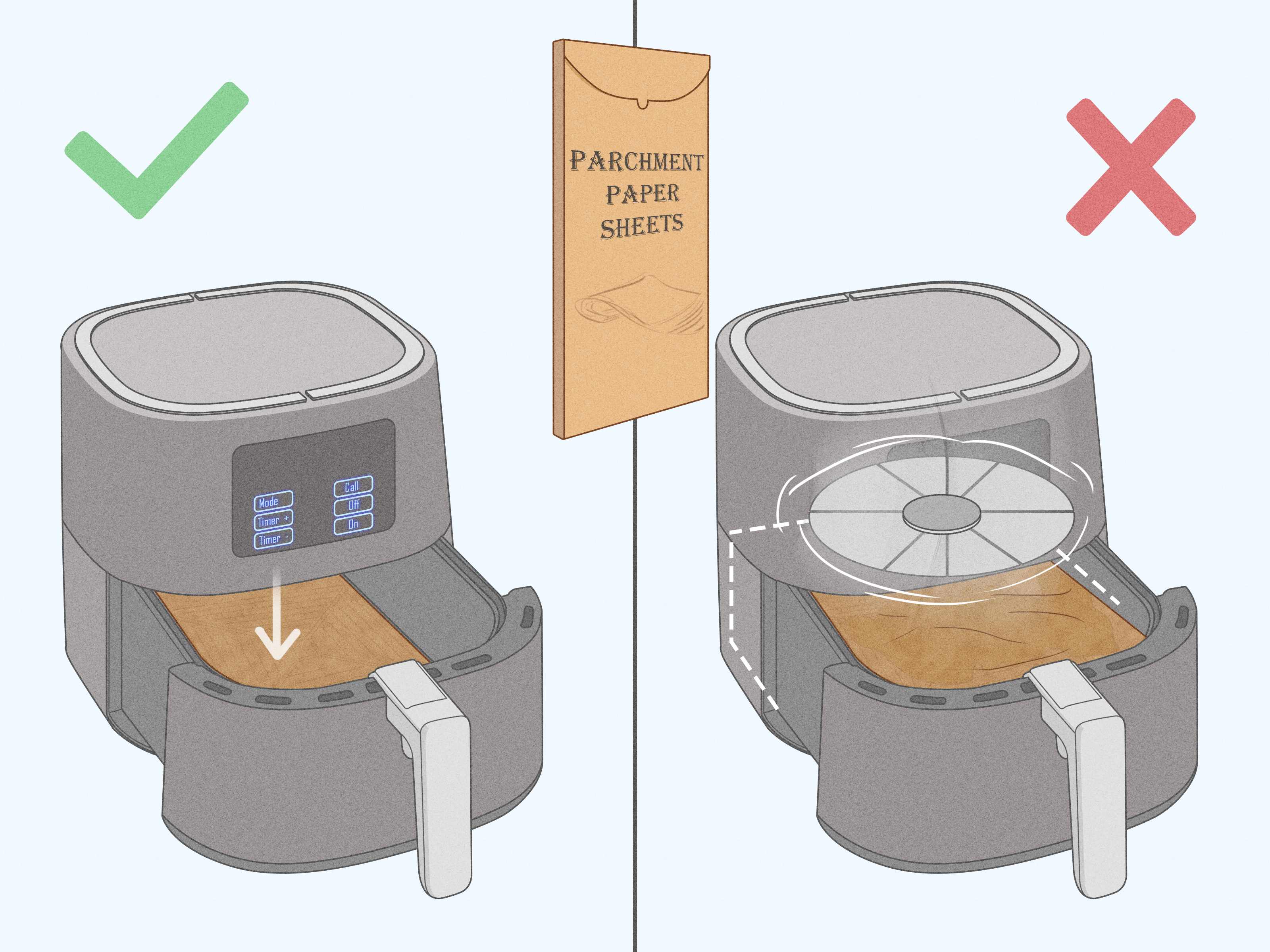
Yes, you can put parchment paper in an air fryerbut only if you use it the right way. That tiny “if” is doing the heavy lifting here, much like the person in the kitchen who says, “I’ll just make one snack,” and then somehow produces a full plate of crispy chicken tenders.
Parchment paper can make air frying easier, cleaner, and less stressful. It helps prevent delicate foods from sticking, catches crumbs, and saves you from scrubbing sauce-glazed basket corners like you are restoring an ancient artifact. But parchment paper is also lightweight, and air fryers use strong fans. If the paper is loose, too large, or placed in the basket during preheating with nothing on top, it can fly upward, touch the heating element, scorch, or even catch fire.
So, the full answer is this: parchment paper is safe in an air fryer when it is food-grade, heat-safe, properly sized, weighed down by food, and used without blocking too much airflow.
The Short Answer: Yes, But Follow the Rules
You can use parchment paper in an air fryer for many foods, especially sticky, breaded, cheesy, saucy, or delicate items. Think salmon fillets, marinated chicken, dumplings, cookies, tofu bites, mozzarella sticks, or homemade nuggets. Parchment paper works as a nonstick barrier between the food and the basket, making cleanup much easier.
However, you should never treat parchment paper like a magical kitchen blanket and cover everything with it. Air fryers cook by rapidly circulating hot air. If you block that airflow, your food may steam instead of crisp. In other words, your fries may come out with the personality of wet cardboard. Nobody invited that to dinner.
Why Parchment Paper Works in an Air Fryer
Parchment paper is commonly used in baking because it is coated to resist sticking and tolerate high heat. Most parchment paper is designed for oven use, and many products are rated for temperatures around 400°F to 450°F. Since most home air fryers operate at or below 400°F, parchment paper can usually handle the heat when used correctly.
The reason parchment paper is helpful in an air fryer comes down to three practical benefits:
1. It Helps Prevent Sticking
Air fryer baskets are often nonstick, but breading, marinades, melted cheese, and delicate fish can still cling to the surface. Parchment paper gives food a smoother landing pad, so you do not lose half your salmon skin or the entire bottom layer of your chicken parmesan bites.
2. It Makes Cleanup Easier
Air fryers are loved for convenience, but cleaning the basket after sticky barbecue wings can make you question your life choices. Parchment paper catches drips, crumbs, and seasoning, reducing the amount of residue left behind.
3. It Protects Delicate Foods
Foods like fish, veggie patties, tofu, and homemade dough-based snacks can break when lifted from a basket. Parchment paper helps keep them intact and makes removal easier.
The Biggest Safety Rule: Never Preheat With Loose Parchment Paper
This is the golden rule of air fryer parchment paper: never put parchment paper in an empty air fryer during preheating.
Air fryers use a powerful fan to move hot air around the cooking chamber. A lightweight sheet of parchment can lift, flutter, and fly toward the heating element. Once paper touches intense heat directly, it can scorch or ignite. That is not “extra crispy.” That is a tiny kitchen emergency wearing a paper hat.
Only add parchment paper when you are also adding food. The food should be heavy enough and spread out enough to hold the paper down securely. A single lonely French fry in the middle of a large liner is not enough. The parchment needs real weight on it.
Use Perforated Parchment Paper When Possible
If you are using parchment paper in a basket-style air fryer, perforated parchment paper is usually the better choice. These liners have small holes that allow hot air to circulate through the basket. That matters because airflow is the whole point of air frying.
Without holes, parchment paper can block air from reaching the underside of your food. The result may be uneven browning, softer bottoms, or longer cooking times. Perforated liners help maintain better circulation while still reducing sticking and mess.
You can buy pre-cut air fryer parchment liners in round, square, and rectangular shapes. You can also make your own by cutting parchment paper to fit your basket and punching holes with a hole punch, skewer, or the tip of a clean knife. Just avoid making the holes so large that small food pieces fall through. We are cooking dinner, not designing an escape route.
How to Use Parchment Paper in an Air Fryer Safely
Using parchment paper correctly is simple. Follow these steps every time:
Step 1: Check the Temperature Rating
Read the package and confirm the maximum safe temperature. If your parchment paper is rated up to 425°F, do not use it at 450°F. If your air fryer recipe requires a temperature higher than the parchment’s rating, skip the paper or use a safer accessory designed for that heat level.
Step 2: Cut It Smaller Than the Basket
The parchment should sit flat on the bottom of the basket and should not climb up the sides or hang over the edges. If it touches the heating element or gets too close to hot upper surfaces, it can burn. A slightly smaller piece is safer and better for airflow.
Step 3: Use Holes for Better Airflow
For basket-style air fryers, choose perforated parchment paper or make holes yourself. This helps heat circulate and allows excess oil or moisture to drain away from the food.
Step 4: Add Food Immediately
Put the parchment paper in the basket only when the food goes in. Spread food evenly over the paper so it stays weighted down.
Step 5: Check During Cooking
If you are trying a new liner, a new recipe, or lightweight food, check the basket once during cooking. Make sure the parchment is still flat and secure.
When You Should Not Use Parchment Paper in an Air Fryer
Parchment paper is useful, but it is not the best tool for every food. Sometimes it helps; sometimes it quietly sabotages your crispiness goals.
Do Not Use It for Foods That Need Maximum Airflow
French fries, tater tots, frozen vegetables, chicken wings, and anything you want deeply crisp may cook better directly in the basket. Parchment paper can reduce contact with hot circulating air, especially if it is not perforated.
Do Not Use It With Very Light Foods
Light foods, such as kale chips, small herb leaves, or thin tortilla strips, may not weigh the paper down. The fan can move both the food and the parchment around. That can lead to uneven cooking or a fire risk.
Do Not Use It With Too Much Liquid
Parchment paper is not a bowl. If you are cooking runny eggs, loose batter, watery sauces, or thin marinades, the liquid may spread, leak, or prevent browning. Use an air fryer-safe pan, silicone cup, ramekin, or foil tray if your appliance manual allows it.
Do Not Use Wax Paper
Wax paper and parchment paper are not the same. Wax paper is coated with wax and is not designed for high-heat cooking. In an air fryer, wax can melt, smoke, or burn. If the box says wax paper, keep it for wrapping sandwiches, separating cookies, or lining counters for prepnot for air frying.
Parchment Paper vs. Air Fryer Liners
Regular parchment paper and air fryer parchment liners are similar, but air fryer liners are designed with the appliance in mind. Many are pre-cut to fit common basket sizes and include perforations for airflow. Some are flat sheets, while others are shaped like shallow paper bowls.
Flat perforated liners are usually best when crispiness matters. Bowl-shaped disposable liners are convenient for messy foods, but they can block more airflow along the sides and bottom. They may work well for saucy chicken, reheating leftovers, or foods that release sticky drips, but they are not always ideal for fries or wings.
If you use bowl-style liners, make sure they fit your basket properly and do not rise too close to the heating element. Also, remember that even liners marketed for air fryers must be weighed down with food.
Parchment Paper vs. Aluminum Foil in an Air Fryer
Both parchment paper and aluminum foil can be used in many air fryers, but they solve different problems.
Parchment paper is better for nonstick cooking. It is especially useful for breaded foods, fish, dumplings, cookies, and anything that might tear or stick. It is also nonreactive, meaning it is a better choice for acidic foods like lemon-marinated fish, tomato-based items, or vinegar-heavy sauces.
Aluminum foil is sturdier and better at holding shape. It can work well for packets, catching drips, or supporting foods that need structure. However, foil can block airflow more aggressively if used carelessly. It can also react with acidic ingredients, sometimes affecting flavor or appearance.
The safest rule is to check your specific air fryer manual. Some manufacturers discourage foil or paper because their machines rely heavily on open airflow patterns. Your appliance manual always gets the final vote, even if your favorite internet recipe says otherwise with suspicious confidence.
Does Parchment Paper Make Food Less Crispy?
It can. Parchment paper may reduce crispiness if it blocks airflow or traps moisture under the food. This is most noticeable with foods that release steam or need hot air on all sides, such as potatoes, frozen snacks, and wings.
To keep food crispy while using parchment paper, use perforated liners, avoid overcrowding, and flip or shake food halfway through cooking when appropriate. You can also remove the parchment paper during the final few minutes of cooking if the food is firm enough to sit directly in the basket.
For example, if you are air frying homemade chicken tenders, parchment paper can help protect the breading early in cooking. During the last two or three minutes, removing the liner may help the bottoms crisp more. That small move can be the difference between “pretty good” and “please do not speak to me until I finish this plate.”
Best Foods to Cook With Parchment Paper in an Air Fryer
Parchment paper works especially well with foods that are sticky, delicate, or crumbly. Good examples include:
- Salmon fillets with glaze or seasoning
- Chicken tenders or nuggets with breading
- Homemade meatballs
- Tofu cubes with marinade
- Dumplings, potstickers, or wontons
- Air fryer cookies
- Small pizzas or flatbreads
- Cheese-filled snacks that may leak
- Vegetable patties or bean burgers
- Sticky barbecue chicken pieces
For these foods, parchment paper can prevent tearing, reduce sticking, and make cleanup much easier.
Foods That Usually Cook Better Without Parchment Paper
Some foods need direct airflow and basket contact for the best texture. You may want to skip parchment paper for:
- French fries
- Tater tots
- Chicken wings
- Frozen onion rings
- Roasted chickpeas
- Kale chips
- Frozen vegetables
- Anything very lightweight
If you want easier cleanup with these foods, try using a light coating of oil, cleaning the basket soon after cooking, or using a reusable silicone liner designed with raised ridges and airflow channels.
Can You Use Regular Parchment Paper Instead of Air Fryer Liners?
Yes, regular oven-safe parchment paper can often be used in an air fryer if you cut it properly and keep it weighted down. However, air fryer-specific liners are usually more convenient because they are already sized and perforated.
If you use regular parchment paper, do not simply tear off a giant sheet and stuff it into the basket like you are packing a suitcase five minutes before leaving for the airport. Trim it neatly. Keep it flat. Make holes if needed. Make sure food covers enough of the surface to prevent lifting.
Can Parchment Paper Catch Fire in an Air Fryer?
Yes, parchment paper can catch fire if used incorrectly. The most common risk happens when loose paper is placed in the air fryer without food. The fan can blow the paper upward into the heating element. Parchment can also scorch if it exceeds its temperature rating or touches a hot surface.
That does not mean parchment paper is unsafe by nature. It means it needs to be used like a heat-safe cooking tool, not like a napkin. Keep it below its rated temperature, keep it away from the heating element, and keep it secured with food.
How to Make Your Own Air Fryer Parchment Liner
If you do not have pre-cut liners, you can make your own in less than two minutes:
- Pull out a sheet of parchment paper.
- Place your air fryer basket or removable tray on top as a rough guide.
- Cut the parchment slightly smaller than the basket base.
- Punch several holes across the surface for airflow.
- Place it in the basket only when you are ready to add food.
- Spread food evenly over the liner so the paper cannot lift.
This method is simple, inexpensive, and useful when you run out of store-bought liners. Just avoid cutting parchment while it is inside the basket, especially if your basket has a nonstick coating that can be scratched.
Common Mistakes People Make With Parchment Paper in an Air Fryer
Mistake 1: Using Too Much Paper
Oversized parchment can curl, block airflow, or touch hot surfaces. Always trim it to fit.
Mistake 2: Forgetting the Holes
Solid parchment sheets can work for some recipes, but perforated paper is better for basket-style air fryers. Holes help preserve the air circulation that makes air frying effective.
Mistake 3: Preheating With Paper Inside
This is the big one. Never preheat an air fryer with loose parchment paper inside. Add the parchment only with the food.
Mistake 4: Using Wax Paper by Accident
Wax paper belongs nowhere near the air fryer. Check the box before using any kitchen paper in high heat.
Mistake 5: Expecting Parchment to Fix Every Recipe
Parchment paper prevents sticking and helps cleanup. It does not magically make soggy food crisp, save overcrowded baskets, or rescue chicken wings stacked like a tiny poultry mountain.
Practical Examples: When to Use It and When to Skip It
Use parchment paper for air fryer salmon: A small perforated liner helps keep the fish from sticking and makes it easier to lift out. Add lemon slices or glaze on top, but keep the paper trimmed and secure.
Use parchment paper for homemade chicken tenders: It helps preserve the coating, especially during the first half of cooking. Flip carefully and consider removing the liner near the end for extra browning.
Skip parchment paper for frozen fries: Fries need airflow. Cook them directly in the basket, shake halfway, and give them space.
Use parchment paper for cookies: Air fryer cookies can spread slightly and stick to the basket. Parchment makes removal easier. Just make sure each piece of dough weighs down the paper.
Skip parchment paper for kale chips: Kale is too light. The fan can send leaves and paper flying. Use a rack or another method recommended for your appliance.
Final Verdict: Should You Put Parchment Paper in an Air Fryer?
Yes, you can put parchment paper in an air fryer, and it can be incredibly helpful. The key is to use it with common sense. Choose food-grade, heat-safe parchment paper. Cut it to fit. Use perforated liners when possible. Never preheat with loose parchment inside. Always weigh it down with food. Avoid blocking airflow. And never substitute wax paper.
Used correctly, parchment paper is one of the easiest ways to make air fryer cooking cleaner and less sticky. Used carelessly, it can interfere with cooking or create a fire risk. So let parchment paper be your kitchen assistantnot the main character in a smoke-alarm musical.
Extra Experience-Based Tips for Using Parchment Paper in an Air Fryer
After using parchment paper in an air fryer for different foods, one thing becomes clear quickly: it is most useful when you treat it as a problem-solving tool, not a default setting. The best results usually come from asking one simple question before cooking: “What problem am I trying to prevent?” If the answer is sticking, tearing, or messy cleanup, parchment paper is probably a good idea. If the answer is “I want maximum crunch,” you may be better off skipping it.
For example, parchment paper is excellent when cooking marinated chicken thighs. A sweet or sticky marinade can drip into the basket and become stubborn after cooking. A liner catches much of that residue, and the chicken still browns well if the parchment is perforated and the pieces are spaced apart. The trick is not to overcrowd the basket. When chicken pieces sit too close together, the air cannot move properly, and the parchment traps even more moisture. The result is tasty, but not as crisp.
Parchment paper also shines with fish. Salmon, cod, and tilapia can be delicate, especially when seasoned with a glaze or spice paste. Without parchment, the fish may stick and break when lifted. With a small liner, it comes out more cleanly. The best method is to cut the parchment just larger than the fish, not the entire basket. This protects the food while leaving plenty of open space for air circulation.
Air fryer cookies are another great example. If you place cookie dough directly on a perforated basket, you may end up with dough trying to become one with the appliance. Parchment gives the cookies a flat surface and makes them easy to remove. However, cookie dough pieces must be heavy enough to hold the paper down. Do not place an empty parchment sheet in the hot air fryer first. Add the dough immediately and keep an eye on the first batch until you understand how your model behaves.
On the other hand, frozen fries and tater tots usually do better without parchment. They need hot air from every direction. When cooked directly in the basket, they brown more evenly and develop better texture. If cleanup is your concern, it is usually easier to wash the basket afterward than sacrifice the crispiness. For foods like fries, parchment paper can feel like putting a raincoat on a toaster: technically possible, but not exactly helping the mission.
Another helpful habit is checking the parchment halfway through cooking. If the food shrinks, shifts, or releases moisture, part of the paper may become exposed. If you notice edges curling upward, carefully press them back under the food or remove the liner if the food is firm enough. This small check can prevent scorching and improve the final texture.
Reusable silicone liners can be useful, too, but they are not always better. They are convenient for saucy foods and reduce waste, but thick silicone can slow browning if it blocks airflow. For very crisp foods, the plain basket still wins. For sticky foods, parchment paper often offers the best balance of nonstick help and easy cleanup.
The biggest lesson is that every air fryer has its own personality. Some fans are stronger. Some baskets are deeper. Some heating elements sit closer to the food. The first time you use parchment in a new air fryer, keep the recipe simple and check early. Once you know how your machine handles liners, parchment paper becomes a dependable little kitchen helperquiet, useful, and thankfully much easier to deal with than scrubbing burned honey garlic sauce out of a basket.
Conclusion
Parchment paper can absolutely go in an air fryer, but safe technique matters. Use the right paper, respect the heat limit, keep it trimmed, choose perforated liners when possible, and always hold it down with food. It is best for sticky, delicate, or messy foods and less ideal for foods that need full airflow to become crispy. When used properly, parchment paper saves cleanup time and helps protect your food. When used carelessly, it can block airflow or create a fire hazard. The smart approach is simple: use parchment paper when it helps the recipe, skip it when crispiness matters most, and never let loose paper dance around inside a hot air fryer.
Note: This article synthesizes current manufacturer, cooking, and food-safety guidance from reputable U.S. sources and is written as original publishable content.