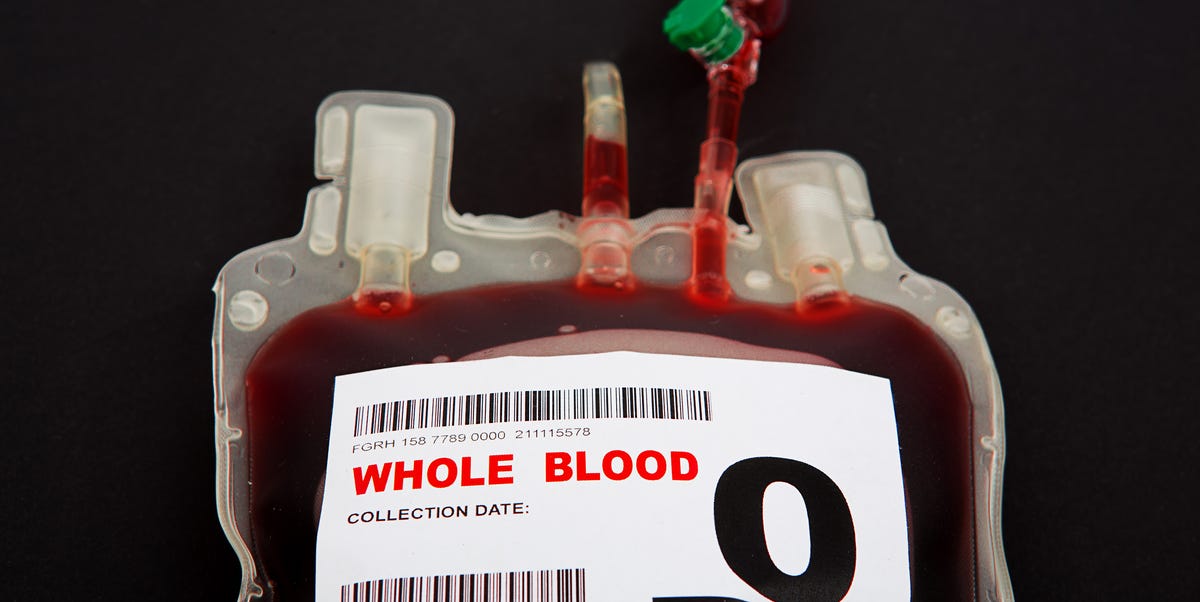
Aging has inspired some wonderfully strange solutions over the centuries, from bathing in milk to swallowing mysterious tonics sold by men with impressive mustaches. The modern version sounds more scientificand more like the plot of a vampire movie: transfuse blood or plasma from a young person into an older person and turn back the biological clock.
The idea is not complete fantasy. Experiments have shown that exposing older mice to younger circulatory systems can improve certain signs of aging in the brain, muscles, liver, and blood vessels. Researchers have also identified proteins and signaling molecules that may influence inflammation, tissue repair, and cognitive function.
Unfortunately, mice are not tiny humans wearing fur coats. Human evidence remains limited, and the U.S. Food and Drug Administration has not approved young donor plasma as a treatment for normal aging, memory loss, dementia, or other age-related conditions. So, can a young blood transfusion reverse aging? The honest answer is not yetand possibly not in the way the headlines suggest.
What Is a Young Blood Transfusion?
The phrase “young blood transfusion” is often used loosely, but it can describe several very different procedures. Whole blood contains red blood cells, white blood cells, platelets, and plasma. Plasma is the pale liquid portion that carries antibodies, clotting factors, hormones, nutrients, proteins, and chemical signals throughout the body.
Most anti-aging experiments have focused on plasma rather than whole blood. A clinic offering young plasma therapy may infuse plasma collected from donors in their late teens or twenties. Researchers, meanwhile, may study individual plasma proteins, purified factors, extracellular vesicles, or therapeutic plasma exchange.
Young plasma infusion
Young plasma infusion adds donor plasma to the recipient’s circulation. It does not replace every drop of blood, nor does it magically swap an older immune system for a younger one. It simply introduces a large mixture of proteins and signaling molecules from another person.
Therapeutic plasma exchange
Therapeutic plasma exchange, or TPE, takes a different approach. Blood is removed and separated, the patient’s plasma is discarded, and the blood cells are returned with replacement fluid such as albumin and saline. TPE is an established medical treatment for certain autoimmune, neurological, and blood disorders. Its use as a longevity treatment, however, remains experimental.
Parabiosis
Parabiosis is the laboratory technique behind many famous “young blood” stories. Scientists surgically connect two animals so they share circulation. In heterochronic parabiosis, one animal is young and the other is old. It is a powerful research method, but it is obviously not a practical spa treatment unless your spa has become deeply alarming.
Why Scientists Began Studying Young Blood and Aging
Interest accelerated after researchers connected young and old mice and observed improvements in some older tissues. Subsequent experiments found changes in muscle regeneration, liver function, brain plasticity, blood-vessel health, and inflammatory activity.
A widely discussed 2014 study reported that exposure to young blood improved molecular and structural features of the hippocampus in aged mice. The treated animals also performed better on certain learning and memory tasks. Other animal studies have found improvements in cerebral circulation and reductions in neuroinflammation.
These results suggested that aging is influenced not only by damage inside individual cells but also by signals circulating throughout the body. Blood acts as a communication network connecting the brain, immune system, muscles, liver, bone marrow, and other organs. Change the messages in that network, researchers reasoned, and tissue behavior might change too.
That hypothesis is exciting because circulating factors are potentially easier to modify than millions of aging cells scattered across the body. Instead of repairing every organ separately, a future therapy might target common signals that promote inflammation, impair stem-cell activity, or interfere with tissue regeneration.
What Might Be Rejuvenating Older Animals?
The original interpretation was simple: young blood must contain special rejuvenating ingredients that disappear with age. Scientists began investigating candidate factors such as platelet factor 4, TIMP2, oxytocin, osteocalcin, and growth-related proteins.
Potential pro-youth factors
Some molecules found at higher or more active levels in young animals appear to reduce inflammation or support repair. For example, National Institute on Aging-supported research found that platelet factor 4 reduced age-related immune inflammation and improved cognitive performance in older mice. That does not mean an intravenous bag of platelet factor 4 is ready for your birthday party, but it offers a specific biological target for further research.
Removing harmful old-age factors
Later experiments complicated the fountain-of-youth story. Researchers found that diluting old plasma with saline and albumin could produce effects comparable to, or stronger than, exposure to young blood in mice. This suggests that the benefit may come partly from removing or diluting harmful age-associated proteins rather than adding a mysterious essence of youth.
In one mouse study, replacing approximately half of the animals’ plasma improved measures related to muscle repair, liver health, and brain function without using young donor plasma. The finding shifted attention toward accumulated inflammatory or inhibitory factors in older blood. In other words, the important step may be taking out the molecular garbage rather than inviting a twenty-year-old’s plasma to redecorate the house.
A complex biological reset
Aging is unlikely to be controlled by one heroic protein wearing a cape. Plasma contains thousands of proteins, metabolites, antibodies, lipids, hormones, and cellular particles. Their effects depend on dosage, timing, organ health, genetics, immune function, and interactions with other molecules.
A successful anti-aging treatment might therefore require a carefully engineered combination: removing damaging factors, restoring beneficial signals, and treating specific age-related diseases. Simply infusing unmodified donor plasma is a much blunter tool.
What Human Studies Have Actually Found
The human evidence is far less dramatic than the mouse research. Early trials have generally been small, short, and designed to examine feasibility or safety rather than prove that people become biologically younger.
The young plasma trial in Alzheimer’s disease
A Stanford-led study enrolled 18 people with mild to moderate Alzheimer’s disease. Participants received weekly infusions of young fresh frozen plasma, saline placebo, or young plasma under an open-label protocol. The main question was whether the treatment could be administered safely and practically.
The infusions were generally tolerated, and no treatment-related serious adverse events were reported. However, the study was too small and brief to establish effectiveness. Researchers did not find convincing changes in global cognition, mood, or brain-network connectivity. Some caregivers reported functional improvements, but those observations were exploratory and could not prove that young plasma slowed Alzheimer’s disease.
Studies of biological-age markers
A 2025 randomized pilot study examined repeated therapeutic plasma exchange in 42 adults. Researchers reported changes in multi-omics measurements and biological-age calculations, with the largest average reduction reaching approximately 2.6 years in one treatment group.
That finding is interesting, but it is not the same as demonstrating longer life, fewer heart attacks, stronger muscles, sharper memory, or protection from dementia. Biological-age clocks are experimental models based on patterns in proteins, gene regulation, metabolites, or DNA methylation. Different clocks can give the same person very different ages, making them useful research tools but imperfect crystal balls.
The study was small, the follow-up period was limited, and some investigators had financial interests connected to plasma-exchange technology. Larger independent trials will be needed to determine whether the biomarker changes persist and translate into meaningful improvements in health.
ClinicalTrials.gov listings are not proof of approval
Several registered studies have explored young donor plasma, umbilical cord plasma, exercised plasma, or plasma exchange for aging-related biomarkers and neurological disorders. Registration means researchers intend to study an intervention. It does not mean the therapy works, has received FDA approval, or is appropriate for commercial use.
Can Young Blood Truly Reverse Aging?
Based on current evidence, young blood transfusions cannot be said to reverse human aging. Scientists have reversed selected aging-like changes in laboratory animals, and early human research has produced intriguing biomarker signals. No well-controlled trial has shown that young donor plasma makes healthy older adults live longer or reliably restores youthful physical and cognitive function.
It is also important to define “reverse aging.” Lowering one inflammatory marker is not the same as rebuilding cartilage, removing arterial plaque, restoring lost neurons, repairing decades of DNA damage, and turning gray hair brown again. Aging involves interconnected changes in gene regulation, mitochondria, immune function, metabolism, stem cells, proteins, and cellular waste disposal.
A treatment might improve one component without changing the entire aging process. For example, reducing inflammation could help tissue function while leaving other forms of cellular damage untouched. That would still be medically valuable, but it would be treatmentnot time travel.
The Risks of Anti-Aging Plasma Infusions
Plasma is a biological product, not an expensive vitamin smoothie. Even when collected, tested, stored, matched, and administered properly, it can cause complications.
- Allergic reactions: Symptoms may range from itching and hives to severe anaphylaxis and airway obstruction.
- Circulatory overload: A large infusion volume can strain the heart and lungs, particularly in older adults or people with cardiovascular disease.
- Acute lung injury: Transfusion-related acute lung injury is uncommon but potentially life-threatening.
- Infectious risk: Modern donor screening greatly reduces transmission, but no blood product is completely risk-free.
- Blood-pressure or heart-rate changes: Dizziness, headache, hypertension, slow heart rate, and rapid heart rate have been reported during clinical research.
- Plasma-exchange complications: TPE may cause low blood pressure, bleeding or clotting disturbances, catheter complications, and citrate-related low calcium, which can produce tingling or muscle cramps.
The FDA has repeatedly stated that plasma from young donors is not approved for treating normal aging or memory loss. Its updated consumer information also notes the lack of well-controlled evidence and warns about allergic, respiratory, circulatory, and infectious complications.
Why Commercial Young Blood Clinics Are Controversial
The excitement surrounding animal research created a market before scientists had settled the basic questions. Some businesses began charging thousands of dollars for young plasma infusions while promoting broad wellness or anti-aging benefits.
The problem is not simply that the treatment is expensive. Commercial customers may receive procedures without the protections of a carefully designed clinical trial, including randomization, placebo comparison, independent safety monitoring, standardized outcome measurements, and public reporting of negative results.
Testimonials can also be misleading. A person who spends a large amount of money, receives intense medical attention, improves sleep, changes diet, and expects to feel younger may genuinely report more energy. That experience does not demonstrate that donor plasma reversed cellular aging. Placebo effects, natural symptom fluctuations, and simultaneous lifestyle changes can all influence the result.
Where Young Blood Research May Lead
The failure to prove that young plasma reverses aging does not make the research pointless. Its greatest value may be helping scientists identify safer, more precise treatments.
Targeted proteins and signaling pathways
Instead of transfusing hundreds of poorly understood substances, researchers may isolate specific molecules that improve brain, muscle, vascular, or immune function. A manufactured drug could then provide a controlled dose without the full risks of donor plasma.
Removal of harmful circulating factors
If certain proteins accumulate with age and suppress repair, therapies might selectively filter, block, or neutralize them. This approach would resemble precision cleanup rather than replacing plasma wholesale.
Disease-specific treatments
The first successful applications may target individual conditions such as neurodegenerative disease, frailty, impaired muscle regeneration, or chronic inflammation. A therapy that improves recovery after injury in older adults would be a major achievement even if it did not increase maximum lifespan.
Better measurements of biological aging
Researchers also need validated endpoints. A credible longevity study should examine not only molecular clocks but also strength, mobility, cognition, disease rates, independence, quality of life, and long-term survival.
What Works Better for Healthy Aging Right Now?
The proven habits are less cinematic than swapping plasma, but they are supported by much stronger human evidence. Regular physical activity improves cardiovascular health, muscle strength, balance, metabolism, and cognitive function. Resistance training is especially important because age-related muscle loss can quietly reduce independence.
A diet centered on vegetables, fruits, legumes, whole grains, nuts, fish, and minimally processed foods can reduce major chronic-disease risks. Adequate sleep, vaccination, blood-pressure control, diabetes management, smoking cessation, limited alcohol use, social engagement, hearing care, and recommended cancer screening also contribute to healthier aging.
None of these habits makes a seventy-year-old biologically twenty-five. They do something more useful: reduce the odds that added years will be dominated by preventable illness and disability. The fountain of youth may turn out to be a walking path, a set of dumbbells, a blood-pressure cuff, and vegetables patiently waiting in the refrigerator.
A Realistic Experience: What Young Plasma Treatment May Feel Like
The following is a composite description based on clinical procedures and reported study experiences. It is not a personal testimonial or a recommendation to seek treatment.
Before the procedure
A responsible medical program would begin with more than a glossy brochure featuring a silver-haired person climbing a mountain. The patient would need a medical history, physical examination, medication review, blood typing, laboratory testing, and an assessment of heart, lung, kidney, and clotting health. The medical team should explain that anti-aging benefits are unproven and discuss alternatives, costs, potential conflicts of interest, and emergency procedures.
Emotionally, the person may arrive with a mixture of excitement and skepticism. Longevity marketing is powerful because it offers control over something that usually feels uncontrollable. A patient worried about memory lapses, reduced stamina, or a parent’s dementia may be especially vulnerable to hopeful claims.
During a plasma infusion
For a donor-plasma infusion, a nurse places an intravenous line and checks identifying information, blood compatibility, vital signs, and the product label. The plasma is infused gradually while staff watch for hives, flushing, fever, breathing difficulty, chest discomfort, dizziness, or blood-pressure changes.
The procedure may feel surprisingly ordinary. There is no cinematic surge of youth, no sudden return of high-school athletic ability, and probably no desire to buy a skateboard. The patient may sit in a reclining chair, read, watch television, or repeatedly check whether every mild sensation is evidence of rejuvenation.
Some participants in small research studies reported headaches, dizziness, fatigue, skin reactions, or changes in heart rate and blood pressure. Many completed treatment without serious complications, but tolerability in a closely monitored trial does not guarantee safety for every older adult.
During therapeutic plasma exchange
Plasma exchange is more involved. Blood travels through an apheresis machine, which separates plasma from blood cells. The cells are then returned with replacement fluid. Depending on the equipment and vascular access, the patient may need one or two intravenous lines or a central catheter.
Citrate used during the process can temporarily lower calcium levels, creating tingling around the mouth or fingers, chills, cramping, or a metallic taste. Staff may slow the procedure or administer calcium. Some people feel tired afterward and need hydration, food, and a quieter schedule for the rest of the day.
The days after treatment
A patient may scrutinize every detail: Was the morning crossword easier? Did the stairs feel less rude? Is the skin brighter, or is the bathroom lighting simply excellent? Without blinded testing and objective measurements, ordinary daily variation can easily be interpreted as a treatment effect.
Repeated sessions may also create practical burdens. Appointments take time, venous access can become difficult, and private treatment can cost thousands of dollars. If benefits are temporary, customers may feel pressure to purchase ongoing infusions despite the absence of evidence that continued treatment improves lifespan or prevents disease.
The most important part of the experience
The crucial moment should occur before anyone connects an intravenous line: the conversation about uncertainty. A trustworthy clinician should clearly distinguish mouse findings from human outcomes, plasma infusion from plasma exchange, and changes in experimental biomarkers from proven rejuvenation.
People considering an experimental treatment should ask whether it is part of a registered, ethically reviewed clinical trial; who is funding it; what outcomes are being measured; how adverse events are handled; and whether results will be published even if the therapy fails. Scientific progress depends on carefully collected evidence, not expensive optimism served in an IV bag.
Conclusion: Promising Science, but Not a Fountain of Youth
Young blood research has revealed that the circulatory environment influences how tissues age. Experiments in mice have improved memory-related functions, blood-vessel health, inflammation, and tissue repair. Scientists are now studying whether beneficial factors can be isolated and whether harmful age-associated molecules can be removed.
Human evidence, however, remains preliminary. Small studies show that certain procedures can be performed and may alter experimental biomarkers, but they have not demonstrated reliable age reversal, disease prevention, or longer life. Young donor plasma is not an FDA-approved treatment for normal aging, and commercial infusions carry real medical and financial risks.
The future may include drugs inspired by young plasma, selective blood filtration, or precisely engineered protein combinations. For now, the most defensible answer is simple: young blood cannot yet reverse human aging, and anyone selling guaranteed rejuvenation is running far ahead of the sciencepossibly while carrying your credit card.