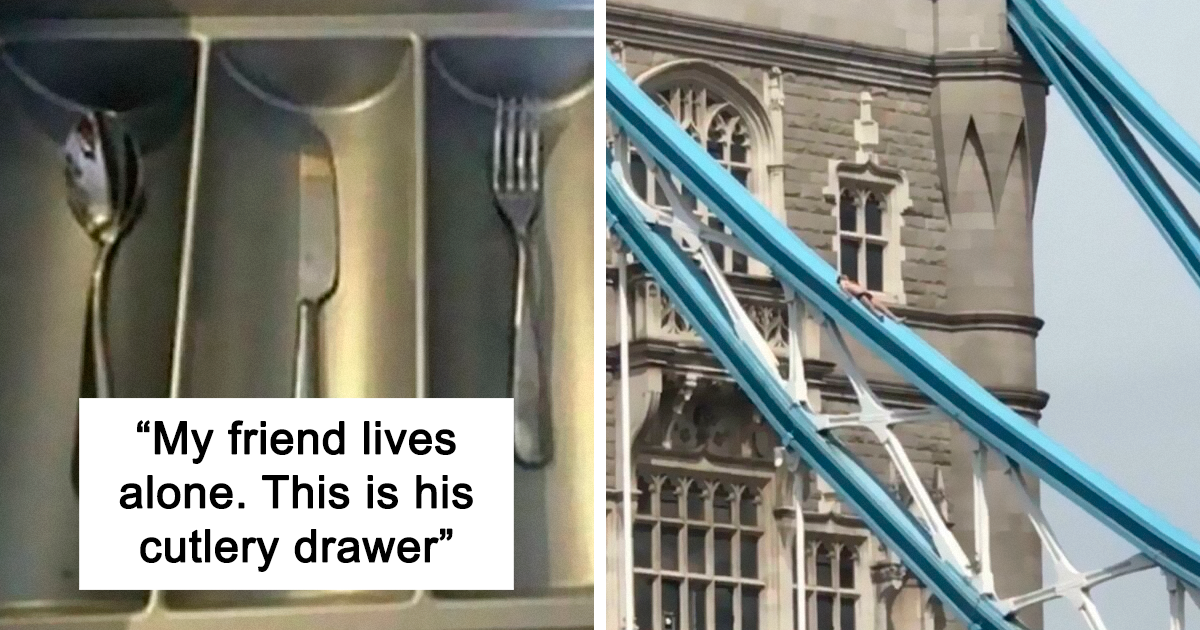
Some people wake up and choose kindness. Some people wake up and choose violence. Then there are the truly mysterious citizens of the planet: the ones who wake up and choose to eat cereal from a measuring cup, wear a cape to buy printer ink, or alphabetize the spice rack by “vibe.” They are not villains. They are not heroes. They are chaotic neutral people, and society has no idea where to put them.
The phrase “chaotic neutral” originally comes from the famous alignment system associated with tabletop role-playing games, especially Dungeons & Dragons. In that system, “chaotic” usually points toward freedom, impulse, and resistance to rigid rules, while “neutral” suggests a character who is not strongly driven by pure goodness or pure evil. Online, however, the phrase has evolved into a hilarious meme label for people who act according to their own private weather system. They are the human version of a shopping cart with one wheel doing jazz.
What makes chaotic neutral behavior so funny is not that it is harmful. Truly harmful behavior is not cute; it is just exhausting with better lighting. The best chaotic neutral moments are small, safe violations of expectations. Someone does not destroy the office copier; they put a tiny “employee of the month” crown on it. Someone does not ruin dinner; they serve mashed potatoes in a martini glass and refuse to explain. The joke lives in that tiny gap between “Why?” and “Honestly, impressive.”
What Does “Chaotic Neutral” Mean in Everyday Life?
In everyday language, chaotic neutral describes people who bend social rules without necessarily breaking moral ones. They are guided by curiosity, convenience, personal amusement, or a deep spiritual commitment to doing things the weird way. A lawful good person reads the instruction manual. A chaotic good person improves the instruction manual. A chaotic neutral person uses the instruction manual as a coaster because “the table looked thirsty.”
This does not mean chaotic neutral people lack values. Many have a strong internal code, but it is written in invisible ink and probably stored in a junk drawer. They may be generous one minute and hilariously uncooperative the next. They might help you move apartments, then label every box “miscellaneous emotions.” Their actions are rarely cruel. They simply refuse to let normal procedure boss them around.
Why Chaotic Neutral Moments Go Viral
Online culture loves behavior that is instantly understandable, visually funny, and easy to share. A chaotic neutral post often needs no backstory. You see a person using a leaf blower to cool down soup, and the brain immediately files it under “illegal, but spiritually correct.” Memes spread because they compress a whole mood into a tiny cultural package. Chaotic neutral content works especially well because it gives people permission to laugh at harmless disorder.
Psychologists often explain humor through expectation, surprise, and social norms. We laugh when something violates what we expected, but only when the violation feels safe enough to enjoy. That is why a person wearing socks with sandals is mildly funny, while a person causing actual trouble is not. The best chaotic neutral behavior is a soft rebellion. It pokes the rules with a pool noodle, not a sword.
50 Chaotic Neutral People You Might Recognize
Below are 50 original examples of people who are neither good nor bad. They simply looked at the social contract, clicked “remind me later,” and continued living according to their own suspiciously confident logic.
- The person who cuts the first slice of cake from the center because “the middle is the main character.”
- The roommate who labels the Wi-Fi network “FBI Surveillance Van,” then forgets and scares themselves.
- The coworker who schedules a meeting called “Meeting About Why We Have Meetings.”
- The friend who eats fries with chopsticks to “keep the fingers emotionally available.”
- The neighbor who puts a tiny scarf on a garden gnome every time the weather changes.
- The person who brings a full-size pillow to the airport gate like they are moving into Terminal B.
- The student who names every folder on their laptop “final_final_REAL_final” and somehow survives.
- The office legend who replaces “Out of Order” signs with “Emotionally Unavailable.”
- The cousin who uses a wine glass for orange juice and calls it “morning elegance.”
- The person who sorts candy by personality instead of color.
- The driver who thanks the parking meter after feeding it coins.
- The employee who signs birthday cards with “stay legally alive.”
- The friend who brings a single grape to a potluck and calls it “minimalist fruit salad.”
- The person who writes “do not perceive me” on their lunch container at work.
- The sibling who sets their alarm sound to applause so they wake up feeling supported.
- The shopper who says “excuse me” to mannequins and then gets annoyed when they do not move.
- The parent who names the family robot vacuum “Kevin” and blames it for household gossip.
- The person who wears formal shoes with pajama pants during remote work because “business is happening below the ankle.”
- The friend who sends calendar invites for emotional breakdowns so everyone can plan accordingly.
- The person who uses sticky notes to leave motivational quotes on bananas.
- The roommate who puts googly eyes on everything in the fridge, including the mustard.
- The coworker who answers “living the spreadsheet dream” every time someone asks how they are.
- The person who names houseplants after retired detectives.
- The student who turns in an essay file titled “please_be_gentle.docx.”
- The friend who carries a tiny spoon “just in case pudding happens.”
- The person who uses a pizza box as a laptop shade outdoors and calls it engineering.
- The neighbor who decorates for Halloween in March because “fear has no season.”
- The person who refuses to use bookmarks and instead remembers page numbers “emotionally.”
- The office joker who labels the printer “paper toaster.”
- The friend who eats cereal dry and drinks milk separately like a deconstructed breakfast chef.
- The person who puts “CEO of Snacks” on their name tag at a casual event.
- The sibling who changes all family group-chat nicknames to medieval job titles.
- The commuter who claps softly when the bus arrives on time.
- The person who stores batteries in a mug that says “dreams.”
- The friend who calls every unknown phone number “side quest.”
- The coworker who brings a label maker to lunch and labels the napkins “future laundry.”
- The person who says “excellent choice” to vending machines.
- The guest who brings their own tiny salt shaker to dinner and calls it “travel seasoning.”
- The friend who names every cloud they see and then judges their career potential.
- The person who uses a measuring tape to prove a sandwich is “emotionally long.”
- The roommate who keeps a spreadsheet of fridge leftovers ranked by betrayal level.
- The student who highlights an entire textbook page and says, “All of it felt nervous.”
- The person who starts emails with “Greetings, fellow inbox prisoner.”
- The friend who brings a backup banana to every road trip.
- The coworker who puts a tiny “break glass in case of Monday” sign over the coffee machine.
- The person who calls elevators “vertical waiting rooms.”
- The neighbor who has a welcome mat that says “Wrong House?”
- The friend who gives their car a motivational speech before long drives.
- The person who eats a cupcake with a fork because they “respect frosting architecture.”
- The chaotic neutral champion who sees a normal day and asks, “But what if it had a theme song?”
The Psychology of Harmless Rule-Bending
People enjoy chaotic neutral moments because they expose the invisible rules we follow every day. Most of us do not realize how many tiny scripts govern our behavior until someone casually ignores one. We stand in lines, use plates for food, write professional emails, and pretend not to notice when a dog in a stroller has a better outfit than we do. Then a chaotic neutral person appears and asks, “What if we served popcorn in a flowerpot?” Suddenly, the rule becomes visible.
That is the secret power of harmless absurdity. It reminds us that not every norm is sacred. Some rules keep people safe and deserve respect. Others are just habits wearing a fake mustache. Chaotic neutral people are funny because they test the second category. They do not usually want destruction; they want novelty. They are bored by the default setting.
Chaotic Neutral vs. Chaotic Good vs. Chaotic Evil
The difference matters. Chaotic good breaks or bends rules to help people. Think of someone sneaking extra snacks into a study session because everyone is tired and hungry. Chaotic evil breaks rules for selfish harm. Nobody wants that person at the picnic or near the group project. Chaotic neutral lands in the strange middle: the person who brings snacks, but they are all shaped like dinosaurs and arranged according to “emotional intensity.”
In other words, chaotic neutral behavior is unpredictable, but not necessarily destructive. It may inconvenience your expectations, not your life. It creates confusion, but usually the kind that turns into a story. That is why people love sharing screenshots, photos, and anecdotes of chaotic neutral moments. The world is already stressful enough; a little safe nonsense can feel like opening a window in a room full of tax forms.
Why the Internet Loves People Who Act As They Please
The internet has a complicated relationship with individuality. On one hand, people love originality. On the other hand, comment sections can turn a sandwich opinion into a courtroom drama. Chaotic neutral content offers a rare middle lane. It is not trying to start a culture war. It is not demanding applause. It is simply a person putting sunglasses on a vacuum cleaner and moving on with their day.
That low-stakes weirdness is refreshing. It gives viewers a break from outrage and perfection. Social media often pressures people to look polished, productive, and photogenic. Chaotic neutral posts say, “What if we were unpolished, unbothered, and holding a spoon for no clear reason?” In a world of personal brands, that can feel oddly honest.
How to Be Chaotic Neutral Without Being Annoying
There is an art to being the funny kind of chaotic neutral. The key is to keep the chaos harmless, reversible, and preferably easy to clean. Rearranging fridge magnets into dramatic poetry? Wonderful. Hiding someone’s important documents? Absolutely not. Wearing a wizard hat to do laundry? Strong choice. Making other people responsible for your mess? That is not chaotic neutral; that is unpaid labor with glitter.
The best chaotic neutral people understand consent and context. They know when a room needs a joke and when it needs calm. They can be strange without being inconsiderate. They make life more colorful, not more difficult. Their motto is not “I do whatever I want.” It is closer to “I do whatever I want, as long as nobody gets hurt and I can put everything back afterward.”
Real-Life Experiences With Chaotic Neutral Energy
Everyone has met at least one person who operates like a surprise bonus level. In school, it might be the classmate who brought a full briefcase to a group presentation and opened it to reveal nothing but one pencil and a granola bar. Were they prepared? Technically, yes. Was the briefcase necessary? Absolutely not. Did everyone remember the presentation? Unfortunately for the laws of professionalism, yes.
At work, chaotic neutral energy often appears in tiny acts of office theater. One person renames the shared spreadsheet “The Scroll of Numbers.” Another changes their video-call background to a courtroom whenever budget discussions begin. Someone else keeps a rubber duck on their desk and asks it for “executive approval” before sending emails. None of this increases quarterly revenue, but it may prevent the team from becoming furniture.
Family gatherings are another natural habitat. There is always one relative who refuses to sit in the assigned seat, not because they are protesting authority, but because “this chair has better destiny.” Another brings a mystery casserole and answers every question about its ingredients with “trust the journey.” Someone wraps a gift inside six boxes and then acts surprised when people accuse them of emotional obstacle-course design. These people are not trying to ruin the holiday. They are trying to add plot.
Even friendships run on this kind of delightful disorder. A chaotic neutral friend might text “come outside” and then hand you a cupcake with no explanation. They may create a playlist for a trip to the grocery store as if the produce aisle is the final scene of a movie. They may own three mugs that say “World’s Best Dad” despite not being a dad. Being around them can feel like walking through a normal door and accidentally entering a sitcom.
The important lesson is that chaotic neutral behavior often works because it interrupts routine. Daily life can become repetitive: wake up, work, answer messages, eat something from a container, wonder why laundry multiplies like folklore. A harmless oddball moment shakes the snow globe. It gives people a memory, a laugh, or at least a sentence they can begin with, “You will not believe what happened today.”
Of course, not every strange action is automatically charming. The difference is care. Funny chaos respects boundaries. It does not embarrass someone who does not want attention. It does not waste people’s time when they are stressed. It does not turn shared spaces into disaster zones. The best chaotic neutral person reads the room, then maybe puts a tiny hat on the room, metaphorically speaking.
In the end, chaotic neutral people remind us that being normal is not always the highest achievement. Sometimes the day needs a person who calls the microwave “the snack portal.” Sometimes a group chat needs someone to reply with a photo of a potato wearing a sticky-note crown. Sometimes life is better when someone asks, “What is the weirdest harmless option?” and then actually follows through.
Conclusion: A Little Chaos Can Be Good for the Soul
Chaotic neutral people are not heroes in shining armor or villains twirling mustaches. They are the unpredictable supporting characters who make everyday life feel less automated. They challenge tiny rules, create harmless confusion, and remind everyone that laughter often begins when someone does the unexpected without causing damage.
That is why “chaotic neutral” remains such a perfect phrase for online humor. It captures the person who is neither good nor bad, neither fully responsible nor fully reckless, but somehow unforgettable. They are the friend who brings backup confetti, the coworker who names the printer, the cousin who turns dinner into performance art, and the stranger who makes the internet pause and say, “I do not understand this, but I respect it.”
In a world that can feel over-scheduled, over-branded, and over-serious, chaotic neutral people provide a much-needed reminder: not every moment has to be efficient. Some moments can simply be weird, funny, and gloriously unnecessary.