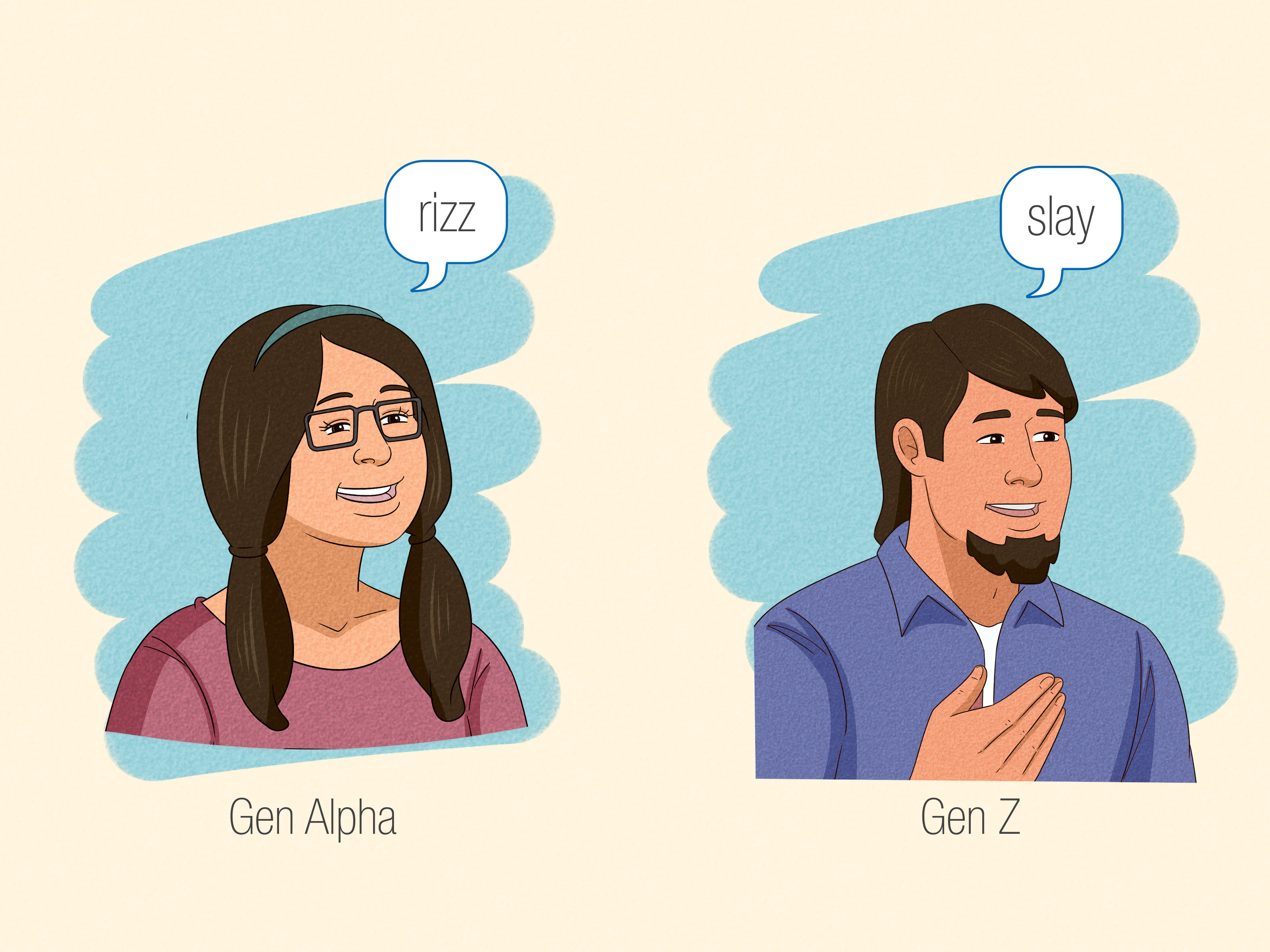
Generation Alpha is growing up in a world where a toddler can swipe a screen before tying a shoe, ask a voice assistant a question before spelling “assistant,” and recognize a YouTube thumbnail faster than most adults can find the TV remote. Born roughly from 2010 through 2024, Generation Alpha follows Gen Z and represents the first generation born entirely in the 21st century. They are the children of Millennials and older Gen Z parents, and they are being shaped by smartphones, streaming, artificial intelligence, remote learning, climate conversations, social awareness, and post-pandemic childhood.
But before we toss every child into one giant digital basket labeled “tiny tech wizard,” let’s be clear: no generation is a copy-and-paste template. A 4-year-old in rural Iowa, a 10-year-old in New York City, and a 14-year-old in Texas may share a generational label, but their lives can look very different. Still, major patterns are visible. Generation Alpha is more connected, more visually fluent, more globally aware, more brand-exposed, and more influenced by digital ecosystems than any child cohort before them.
Who Is Generation Alpha?
Generation Alpha generally refers to children born from 2010 to 2024. The name signals a fresh start after the end of the Latin-letter generations: Gen X, Millennials, and Gen Z. Instead of continuing with “Generation AA,” which sounds like either a battery size or a support group, researchers moved to the Greek alphabet. Hence, Alpha.
Many Gen Alpha children were born into homes where smartphones already existed, tablets were common, and streaming services were normal. They did not watch technology arrive; they arrived inside technology. For them, a paused video, a touchscreen, a smart speaker, and a classroom login are not futuristic. They are furniture.
Key Characteristics of Generation Alpha
1. They Are True Digital Natives
The phrase “digital native” has been used before, especially for Gen Z, but Generation Alpha takes it to a new level. Many Alpha kids have interacted with tablets, video calls, learning apps, online games, and streaming platforms from early childhood. Some learned to pinch-zoom before learning to write in complete sentences. That is both impressive and slightly terrifying, like watching a raccoon open a locked cooler.
This early exposure gives them strong visual navigation skills. They often understand icons, menus, short videos, voice controls, and app-based learning intuitively. However, digital comfort is not the same as digital wisdom. A child may know how to skip an ad but still need guidance to understand privacy, misinformation, online kindness, and healthy screen habits.
2. They Expect Personalization
Generation Alpha is growing up with algorithms that recommend cartoons, music, games, books, clothes, and even learning content. They are used to platforms saying, “Here is what you might like next.” As a result, they often expect experiences to feel customized.
In education, this can mean adaptive learning tools that adjust to a student’s level. In entertainment, it means endless recommendations. In shopping, it means products and ads tailored to personal taste. The upside is that personalized tools can support learning and creativity. The downside is that children may become less patient with slow, one-size-fits-all experiences. A worksheet that never updates can feel ancient next to an app that cheers, levels up, and hands out digital confetti.
3. They Are Growing Up With Artificial Intelligence
AI is not a distant workplace trend for Generation Alpha. It is already showing up in homework tools, search engines, chatbots, creative apps, voice assistants, games, and educational platforms. Older Gen Alpha children are likely to enter high school, college, and the workforce with AI as a normal companion rather than a surprising invention.
This will influence how they learn, create, and solve problems. They may use AI to brainstorm, summarize, design, translate, code, or practice a skill. The important challenge will be teaching them how to question outputs, protect original thinking, cite sources, and understand when human judgment matters. In other words, AI can be a calculator for ideas, but it should not become the brain’s full-time substitute teacher.
4. They Are Visual and Video-First Learners
Generation Alpha is highly comfortable with visual information. Short-form video, animation, memes, interactive games, and image-based communication shape how many of them absorb ideas. They often learn well from demonstrations, tutorials, simulations, and hands-on experiences.
This does not mean books are doomed. Books are not sitting in the corner wearing a black armband. It means educators, parents, and content creators may need to combine reading with visuals, projects, discussion, and real-world application. A Gen Alpha child may still love a printed book, but they may also expect a diagram, a video example, or an interactive activity to help the concept click.
5. They Are Post-Pandemic Learners
COVID-19 was a major childhood event for Generation Alpha. Many experienced school closures, remote learning, mask rules, canceled activities, family stress, social distancing, and changes in daily routines. Some were too young to remember the details clearly, but the effects still touched their homes, schools, and early development.
The pandemic accelerated digital learning and made video calls familiar to millions of children. It also created concerns about learning gaps, social development, attendance, mental health, and school readiness. For some Gen Alpha students, online learning built independence. For others, it created frustration and disruption. The result is a generation that may be flexible with technology but also in need of strong social, emotional, and academic support.
6. They Influence Family Spending Earlier
Generation Alpha may not have full-time jobs, but do not underestimate their power in the household economy. Children influence purchases related to food, toys, games, clothing, vacations, streaming subscriptions, school supplies, and even home technology. A 9-year-old may not hold the credit card, but they often know exactly which brand, character, flavor, or game update they want.
This influence is partly driven by digital exposure. Ads, influencers, unboxing videos, gaming platforms, and peer trends introduce products at lightning speed. Parents may find themselves negotiating over sneakers, snacks, skincare, or game credits with a child who has done suspiciously detailed “market research” from the back seat of the car.
7. They Are Socially Aware at a Younger Age
Many Gen Alpha children are exposed early to conversations about climate change, diversity, mental health, inclusion, online safety, and fairness. These topics appear in schools, family discussions, media, children’s books, games, and social platforms. As a result, many are developing awareness of large social issues earlier than previous generations.
This does not mean every child is ready to debate public policy at breakfast. Some are still mainly concerned with snacks, slime, and whether socks feel “wrong.” But the broader trend is clear: Gen Alpha is growing up in an environment where global problems are more visible. Adults can help by giving age-appropriate explanations, encouraging empathy, and turning concern into practical action rather than anxiety.
8. They Value Interaction Over Passive Consumption
Generation Alpha often prefers to participate rather than simply watch. They build worlds in games, remix sounds, customize avatars, create short videos, use filters, design characters, and interact with digital communities. Their entertainment is often creative, social, and participatory.
This has big implications for education and marketing. A lecture-only approach may struggle to hold attention. A brand that simply talks at children may feel boring. A learning platform that allows children to build, choose, test, fail, and try again may feel more natural. Gen Alpha likes buttons, choices, badges, levels, and feedback. Basically, they want the steering wheel, not just a passenger seat.
9. They Need Strong Digital Boundaries
Because Generation Alpha is surrounded by screens, boundaries matter more than ever. Screen time is not just about counting minutes; quality, context, content, sleep, physical activity, family time, and emotional health all matter. Educational video with a parent nearby is different from endless autoplay at midnight. A creative coding app is different from doom-scrolling. A family movie night is different from a tablet becoming a babysitter with Wi-Fi.
Healthy digital habits may include device-free meals, no screens before bed, co-viewing for younger children, privacy conversations, balanced outdoor play, and clear rules about apps and online communication. The goal is not to raise children in a technology-free cave. The goal is to help them use technology without being used by it.
10. They Are Likely to Be Highly Educated but Differently Skilled
Generation Alpha is expected to grow up in an education system shaped by digital tools, AI, hybrid learning, project-based assignments, and changing career demands. Many will need strong skills in creativity, communication, collaboration, critical thinking, digital literacy, and adaptability.
Traditional knowledge still matters. Children still need reading, writing, math, science, history, and problem-solving. However, the way they apply knowledge may change. Future careers may require them to work with AI systems, interpret data, manage digital identities, collaborate globally, and keep learning throughout adulthood. The old model of “learn once, work forever” is fading fast. Gen Alpha may need a lifelong-learning mindset from the start.
Generation Alpha and Education
Schools teaching Generation Alpha face a major challenge: how to keep learning human in a digital world. Technology can support personalized practice, accessibility, simulations, language learning, and creative projects. But children still need teachers who can explain, encourage, challenge, and notice when a student is quietly struggling.
For Gen Alpha, effective education may include more interactive lessons, multimedia resources, group projects, real-world problem solving, and digital citizenship. They need to learn not only how to use tools but also how to evaluate information. Search results, AI answers, viral videos, and social posts can all be usefulor wildly wrong with the confidence of a toddler wearing sunglasses indoors.
Generation Alpha and Communication
Gen Alpha communication is fast, visual, and often informal. Emojis, GIFs, memes, voice notes, videos, gaming chats, and short messages are part of their language environment. They may be comfortable expressing identity through avatars, usernames, filters, and digital creativity.
Adults should avoid assuming this means children cannot communicate deeply. Many can and do. But they may need coaching in face-to-face conversation, listening, patience, conflict resolution, and tone. Online communication can make it easy to react quickly and hard to repair misunderstandings. Teaching empathy across both digital and real-life spaces will be essential.
Generation Alpha and Mental Health
Generation Alpha is growing up at a time when families, schools, doctors, and researchers are paying closer attention to children’s mental health. This is a positive shift. Instead of telling kids to “toughen up” and handing them a juice box, adults are increasingly recognizing stress, anxiety, loneliness, sleep problems, and emotional overload.
Digital life can support connection, creativity, and learning, but it can also bring pressure, comparison, distraction, and exposure to inappropriate content. Gen Alpha will benefit from adults who talk openly about emotions, model healthy tech use, encourage offline friendships, and create routines that protect sleep and movement.
Generation Alpha and Consumer Culture
Brands are paying close attention to Generation Alpha because children influence household choices and develop preferences early. But reaching this generation responsibly requires more than flashy packaging and cartoon fonts. Children need protection from manipulative advertising, unrealistic beauty standards, unsafe online spaces, and pressure to buy identity through products.
At the same time, Gen Alpha may reward brands that are creative, inclusive, sustainable, playful, and authentic. They are growing up in a world where reviews, videos, and peer opinions travel quickly. If a product is boring, overpriced, or trying too hard, kids may detect it faster than adults expect. The cringe radar is powerful with this generation.
Strengths of Generation Alpha
Generation Alpha has many promising strengths. They are adaptable, visually fluent, curious, comfortable with new tools, and often open to diversity. They may become strong problem-solvers because they are growing up with access to vast information and interactive learning. Many are creative in digital spaces, whether designing game worlds, editing videos, making art, or experimenting with AI tools.
They also have the potential to become globally minded. Through online content, they can see different countries, cultures, languages, and lifestyles earlier than previous generations. With the right guidance, that exposure can build empathy and curiosity rather than confusion or comparison.
Challenges Facing Generation Alpha
For all their strengths, Gen Alpha faces serious challenges. Too much screen exposure can crowd out sleep, exercise, reading, boredom, and unstructured play. Algorithms can narrow attention and feed children more of the same content. Online spaces can expose kids to bullying, misinformation, privacy risks, and commercial pressure.
They may also face academic recovery issues linked to pandemic disruption, climate worries, economic uncertainty, and fast-changing expectations for future careers. Adults should not panic, but they should pay attention. Gen Alpha does not need fear-based parenting or constant lectures. They need structure, warmth, honest conversations, and opportunities to practice independence in safe ways.
How Parents Can Support Generation Alpha
Create Balanced Tech Rules
Instead of treating every screen like a villain in a superhero movie, parents can focus on balance. Ask what the child is doing, why it matters, who they are interacting with, and how it affects sleep, mood, school, and relationships.
Encourage Offline Skills
Gen Alpha needs real-world practice: cooking, reading printed books, building things, playing outside, talking to people, handling boredom, and solving conflicts. Offline life should not feel like punishment after digital fun. It should feel like a normal, rewarding part of childhood.
Teach Media Literacy Early
Children should learn that not everything online is true, safe, or made for them. Parents can teach simple questions: Who made this? Why was it posted? Is it trying to sell something? Is it kind? Is it accurate?
Model the Behavior You Want
Children notice adult habits. If a parent says, “No phones at dinner,” while scrolling through work emails beside the mashed potatoes, the lesson gets a little blurry. Family rules work best when everyone participates.
Experiences Related to Generation Alpha
One of the most interesting experiences of watching Generation Alpha grow up is seeing how naturally they move between digital and physical worlds. A child may build a castle in a sandbox, then build a more complicated castle in a game, then draw the castle on paper, then ask an adult to help spell “dragon security system.” Their creativity does not stay in one lane. It jumps the curb, waves happily, and keeps going.
Parents and teachers often notice that Gen Alpha children are quick to experiment. They are less afraid of tapping buttons, testing features, or trying again after failure. In many apps and games, mistakes are part of learning. Lose a level? Restart. Build something strange? Edit it. Pick the wrong answer? Try another. This can create resilience when guided well. The challenge is helping children transfer that same confidence to real life, where mistakes may feel more personal and feedback is not always wrapped in cheerful sound effects.
Another common experience is the negotiation around screens. Families may start with simple rules, then discover that “screen time” includes homework, video calls with grandparents, educational games, cartoons, music, drawing apps, coding platforms, and messages from classmates. Suddenly, the rule “thirty minutes” needs a legal department. Parents often learn that quality and context matter. A child using a tablet to practice math is not the same as a child watching random videos for two hours while cereal slowly becomes furniture.
Teachers also report that many Gen Alpha students respond well to interactive lessons. They enjoy being asked to participate, vote, drag, build, explain, or demonstrate. They may lose interest when learning feels too passive. This does not mean every lesson needs fireworks and a theme song. It means students often benefit when learning includes movement, visuals, collaboration, and clear purpose.
Socially, Gen Alpha children can be both highly connected and surprisingly lonely. They may talk with friends through games or messages, yet still need help developing in-person friendship skills. Adults can support them by creating opportunities for play, clubs, sports, arts, volunteering, and family conversation. Digital connection should add to real connection, not replace it.
A powerful experience with this generation is their curiosity about big issues. Many children ask questions about the planet, fairness, animals, technology, money, identity, and the future. Adults do not need perfect answers. In fact, pretending to know everything is a risky strategy, especially when a child can fact-check you before dessert. A better approach is to say, “Let’s learn together,” then guide the child toward reliable sources and practical hope.
Generation Alpha is not simply “the iPad generation.” That label is too small. They are builders, watchers, readers, gamers, artists, students, siblings, question-askers, and future adults. Their world is fast, personalized, visual, and complicated. With thoughtful guidance, they can become not only skilled users of technology but wise, creative, empathetic people who know when to log on, when to log off, and when to go outside because the sky is doing something better than any screen.
Conclusion
Generation Alpha is still young, which means the story is still being written. Their characteristics are shaped by digital immersion, AI, pandemic-era learning, social awareness, personalization, and a rapidly changing world. They are tech-comfortable, visually oriented, interactive, influential, and curious. They also need boundaries, emotional support, media literacy, and strong offline experiences.
The best way to understand Gen Alpha is not to panic about technology or worship it like a glowing rectangle of destiny. The best approach is balance. Give them tools, but also give them values. Give them information, but also teach judgment. Give them digital skills, but also real-world confidence. This generation may be growing up with more screens than any before it, but what they need most is timeless: attention, guidance, patience, love, and adults who occasionally remember their own passwords.
Note: This article is written as an original, web-ready synthesis based on reputable demographic, education, child development, pediatric, media research, and technology sources. It does not include unnecessary citation placeholders or publishing clutter.