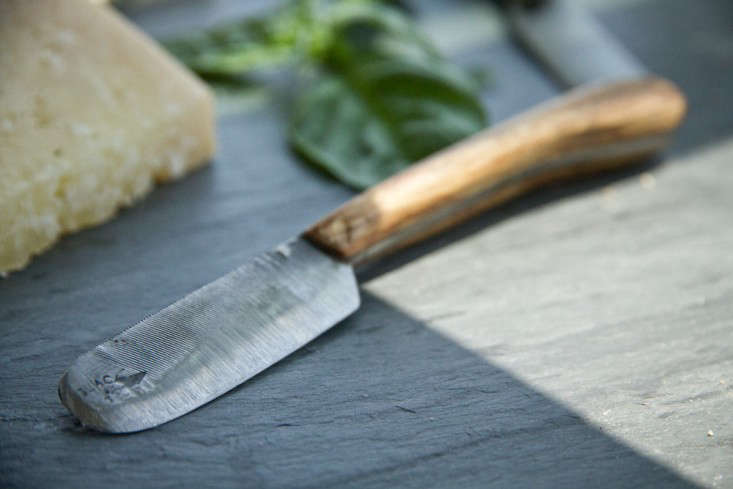
Chelsea Miller Knives are not the kind of kitchen tools that quietly hide in a drawer next to the vegetable peeler and the mystery gadget nobody remembers buying. They have presence. They look like they rode in on horseback, chopped an onion, shaved a little Parmesan, and then leaned against the cutting board like a tiny handmade sculpture with dinner plans.
At the center of the brand is Chelsea Miller, an American knife maker known for transforming reclaimed horseshoe rasps into rustic, elegant culinary knives. Her work blends Vermont farm roots, Brooklyn studio grit, and the kind of design personality that makes a serious cook pause before the first slice. The result is a collection of handmade chef knives, paring knives, steak knives, cheese knives, bread knives, and custom blades that feel more like heirlooms than ordinary kitchen gear.
This guide explores what makes Chelsea Miller Knives special, how they are made, who they are best for, how to care for them, and why chefs, collectors, and design-minded home cooks keep talking about them. Spoiler: it is not just because they look cool, although yes, they absolutely do.
What Are Chelsea Miller Knives?
Chelsea Miller Knives are artisan kitchen knives created by Chelsea Grace Miller, a maker whose background is deeply tied to rural Vermont, woodworking, blacksmithing, and handmade objects. Her father was a carpenter and blacksmith, and Miller grew up around tools, horses, wood, steel, and the practical beauty of things made by hand. That upbringing became the foundation for a knife brand with a very clear identity: functional blades with a visible story.
The signature Chelsea Miller knife is often associated with reclaimed horseshoe rasps. A rasp is a tough, high-carbon steel tool used by farriers to file horses’ hooves. In Miller’s hands, that old working steel is reshaped into a culinary blade. The rasp’s tooth pattern is frequently preserved, giving the knife its unmistakable textured look. It is rugged, refined, and slightly rebelliouslike a farm tool that got invited to a tasting menu.
Her brand now includes both handmade artisan pieces and more accessible manufactured designs created to her specifications. The handmade Artisan Collection remains the soul of the brand, while other collections help bring Chelsea Miller’s design language to a wider group of cooks.
Why Chelsea Miller Knives Stand Out
1. They Turn Reclaimed Steel Into Functional Art
The biggest visual signature of Chelsea Miller Knives is the use of reclaimed horseshoe rasps. Instead of hiding the material’s past, Miller celebrates it. The rasp texture stays visible on the blade, creating a rugged surface that immediately separates her knives from polished factory cutlery.
This gives each knife a sense of provenance. The steel has already had a life before entering the kitchen. It may have passed through barns, farriers’ hands, estate sales, antique dealers, or old workshops before becoming part of a chef’s toolkit. That history is part of the appeal. A Chelsea Miller knife is not trying to look untouched. It looks experienced.
2. Each Handmade Knife Has Its Own Personality
Mass-produced knives often aim for consistency, which is useful. Every blade looks identical, every handle feels familiar, and every box gives you exactly what the product photo promised. Chelsea Miller Knives move in a different direction. The handmade pieces celebrate variation. The handle material, steel marks, blade finish, weight, and texture may differ from one knife to another.
That does not mean the knife is random. It means the maker’s hand is visible. The small variations are the point. For cooks who enjoy objects with character, this is where the magic happens. It is the difference between a printed postcard and a handwritten letter. Both communicate, but one feels personal.
3. The Knives Are Built for Serious Use
Because they look artistic, it is easy to assume Chelsea Miller Knives are mainly decorative. That would be a mistake. These are culinary knives designed to cut, slice, chop, and serve in real kitchens. The best handmade knives must balance beauty with performance, and Miller’s reputation grew partly because her work appealed to professional chefs and serious home cooks who actually use their tools.
The chef’s knife remains the star because it handles the daily work: onions, herbs, carrots, squash, garlic, greens, and the countless little tasks that stand between you and dinner. Other shapes, including paring knives, bread knives, steak knives, cheese knives, and butter knives, round out the brand for cooks who want the same rustic style across the table and prep station.
The Story Behind the Horseshoe Rasp Blade
The horseshoe rasp is more than a clever design gimmick. It ties the knives to Miller’s childhood and to the practical world of farms, horses, and hand labor. High-carbon steel rasps were made to withstand repeated hard use. Repurposing them into kitchen knives gives the material a second life while preserving a link to its original purpose.
The texture on a rasp knife can also serve a practical role. On some Chelsea Miller designs, the tooth pattern functions like a built-in grater. That means the knife can do more than cut; it can add texture to a prep task, especially when used carefully for small grating jobs. It is the kind of detail that makes guests ask, “Wait, is that a knife or a medieval microplane?” The answer is: yes, emotionally.
This reclaimed-material approach places Chelsea Miller Knives in a broader movement toward sustainable design, craft revival, and objects with traceable stories. In a world full of kitchen tools that arrive shrink-wrapped, identical, and forgettable, a blade made from repurposed steel feels refreshingly human.
Popular Types of Chelsea Miller Knives
Hand-Forged Chef Knife
The hand-forged chef knife is the centerpiece for many collectors and serious cooks. It is designed as a daily workhorse but carries the visual drama of the reclaimed rasp. This is the knife you reach for when chopping vegetables, slicing herbs, breaking down prep, and generally pretending your kitchen has better lighting than it actually does.
Signature Chef Knife
The Signature Chef Knife offers a more approachable way to experience the Chelsea Miller look and feel. It is ideal for cooks who want a distinctive chef’s knife without necessarily commissioning a fully handmade artisan piece. It still carries the brand’s rustic personality but is easier to access for everyday use.
Paring Knives
Paring knives are smaller, nimble tools for peeling fruit, trimming vegetables, hulling strawberries, and performing all the tiny kitchen tasks that somehow make you feel like a culinary surgeon. Chelsea Miller paring knives often appeal to home cooks who want a useful entry point into the brand.
Bread Knives and Steak Knives
Bread knives and steak knives bring the Chelsea Miller aesthetic to the table. A steak knife set can turn a simple dinner into a small design moment, while a bread knife is a practical tool for crusty loaves, sandwiches, tomatoes, and anything that punishes a smooth blade for being too optimistic.
Cheese and Butter Knives
The cheese and butter knives highlight the brand’s sculptural side. These are not just utilitarian pieces; they are serving tools meant to be seen. Put one on a charcuterie board and suddenly the crackers stand up straighter.
Who Should Buy Chelsea Miller Knives?
Chelsea Miller Knives are best for people who care about cooking, craft, and design. They are not ideal for someone who wants the cheapest possible knife or a dishwasher-safe blade that can survive total neglect. These knives are made for cooks who enjoy maintaining their tools and appreciate the relationship between hand, blade, board, and meal.
A Chelsea Miller knife may be a good fit if you:
- Love handmade kitchen tools with visible character.
- Prefer artisan objects over mass-produced products.
- Want a chef knife that feels personal and collectible.
- Enjoy high-carbon steel and understand basic knife care.
- Are buying a memorable gift for a serious cook.
- Want a functional kitchen tool that can double as a design conversation piece.
On the other hand, if your knife-care routine involves tossing everything into the dishwasher and hoping the appliance has a moral compass, a high-carbon handmade knife may not be your best match. These blades reward care. They do not enjoy abandonment.
How to Care for Chelsea Miller Knives
Proper care is essential, especially for hand-forged high-carbon steel knives. High-carbon steel can develop a patina over time, which many cooks consider part of the knife’s beauty. Patina is not the enemy. Red rust, however, is the villain in this kitchen drama.
Wash by Hand
Never put a Chelsea Miller knife in the dishwasher. Dishwashers are basically tiny storms full of heat, detergent, rattling metal, and betrayal. Instead, clean the blade by hand with a damp cloth, mild soap, and gentle attention.
Dry Immediately
After washing, dry the knife right away with a soft towel. Do not leave it sitting wet in the sink. Do not let it soak. Do not balance it on the edge of the drying rack like a stunt performer. Moisture is what encourages rust, especially on high-carbon steel.
Use Mineral Oil
Food-safe mineral oil helps protect both the blade and natural handle materials. A light coating can reduce oxidation and keep the knife looking healthy. Think of it as skincare for your blade, minus the influencer discount code.
Store It Safely
Use a knife guard, magnetic strip, custom sheath, or safe drawer insert. Avoid tossing the knife into a crowded drawer where it can bang against other tools. A handmade knife deserves better than being forced to live under a pizza cutter.
Sharpen With Care
Like any serious kitchen knife, a Chelsea Miller knife needs occasional sharpening. Use a professional sharpener familiar with handmade or high-carbon knives, or learn proper whetstone technique. Avoid aggressive pull-through sharpeners that can remove too much steel or damage the edge geometry.
Chelsea Miller Knives vs. Standard Factory Knives
A standard factory chef knife is often a smart purchase. It may be affordable, consistent, stainless, low-maintenance, and easy to replace. For many kitchens, that is exactly right. Chelsea Miller Knives occupy a different category. They are not simply about cutting food; they are about the experience of using a tool with story, texture, and personality.
The main differences come down to material, feel, maintenance, and emotional value. A factory knife may disappear into the routine of cooking. A Chelsea Miller knife tends to make the routine feel more intentional. You notice the handle. You notice the weight. You notice the rasp pattern. You notice that mincing garlic somehow feels more dramatic, which is honestly what garlic has wanted all along.
That said, the choice is not purely romantic. Handmade knives may require more care, cost more, and take longer to receive if custom work is involved. Buyers should understand what they are getting: a real tool, yes, but also an artisan object.
Are Chelsea Miller Knives Worth It?
Value depends on what you want from a knife. If you only need a basic blade to chop onions twice a week, a less expensive chef knife may serve you perfectly. But if you want a handmade culinary knife with a strong maker story, reclaimed materials, distinctive design, and long-term heirloom appeal, Chelsea Miller Knives make a compelling case.
They are especially worthwhile for cooks who already understand the difference between “sharp enough” and “a pleasure to use.” A good knife changes your rhythm in the kitchen. It can make prep calmer, faster, and more satisfying. When that knife also carries a unique visual identity, it becomes part of the cooking ritual.
The brand also makes sense as a gift. A handmade chef knife is personal without being impractical. Unlike a novelty kitchen gadget shaped like a raccoon, it will actually get used. And unlike another scented candle, it probably will not be forgotten after two weeks unless the recipient is very, very committed to takeout.
Buying Tips Before Choosing a Chelsea Miller Knife
Think About How You Cook
If you cook daily, start with a chef knife. It is the most versatile blade and will give you the clearest sense of the brand’s performance. If you want a smaller gift or entry-level piece, a paring knife or serving knife may be more practical.
Understand the Maintenance
High-carbon steel requires more attention than stainless steel. That does not make it difficult, but it does mean you need good habits. Wash, dry, oil, store, repeat. Congratulations, you are now in a committed relationship with a knife.
Expect Variation
If you choose a handmade piece, expect individual character. The exact texture, handle, and finish may vary. That is not a flaw; it is the fingerprint of the maker and the material.
Check Lead Times
Custom and artisan knives can involve a wait. Handmade work takes time, especially when each blade is shaped, finished, and handled individually. If you need a gift next Friday, plan carefully or choose an available ready-made item.
Experience: What It Feels Like to Bring a Chelsea Miller Knife Into the Kitchen
The first thing you notice about a Chelsea Miller knife is that it does not feel anonymous. A typical kitchen knife says, “Let’s prep dinner.” A Chelsea Miller knife says, “Let’s prep dinner, but with backstory.” It has the kind of texture and presence that makes you slow down before using it. You do not simply grab it. You pick it up.
Imagine the first real test: an onion. Not glamorous, not rare, not plated with tweezersjust an onion, that humble little tear grenade. A good chef knife should move through it cleanly, without crushing the layers or forcing you to saw. With a well-sharpened handmade knife, the task feels more controlled. The weight of the blade matters. The grip matters. The angle matters. You begin to pay attention to things you may have ignored with cheaper knives.
Next come herbs. Parsley, cilantro, basil, chivesthe delicate stuff that can bruise if your knife is dull. A satisfying blade makes quick work of them. Instead of mashing herbs into green confetti with emotional damage, you get clean cuts and brighter texture. The result is not just prettier; it tastes fresher because the ingredients are treated better.
Then there is the table experience. A Chelsea Miller steak knife or cheese knife changes the mood of serving. Guests notice it. Someone will ask about it. Someone else will pick it up and turn it slightly in the light. This is where the knife becomes more than a tool. It becomes an object of conversation. Not in a loud, flashy way, but in the quiet way handmade things tend to pull people in.
There is also a learning curve. A high-carbon knife asks you to be more responsible. You wash it by hand. You dry it immediately. You stop leaving knives in the sink, which is good because the sink was never a retirement community for sharp objects. You learn to oil the blade and handle. You become aware of patina. The knife changes as you use it, and that change becomes part of its charm.
Over time, the experience becomes less precious and more natural. The knife moves from “special object” to “trusted tool.” That is the sweet spot. The best handmade kitchen knives are not meant to be locked away like museum pieces. They are meant to cut tomatoes, carve roast chicken, slice apples, prep soup vegetables, and occasionally make you feel a little cooler while chopping celery. No judgment. Celery needs drama too.
For the right person, owning Chelsea Miller Knives is about daily pleasure. It is about opening a drawer or reaching for a magnetic strip and choosing a tool that carries craft, memory, and usefulness in one object. You may cook the same weeknight pasta, but the process feels more grounded. The knife reminds you that food is physical, tools have stories, and dinner does not have to be fancy to feel meaningful.
Final Thoughts on Chelsea Miller Knives
Chelsea Miller Knives sit at the intersection of culinary performance, American craft, reclaimed material design, and personal storytelling. They are not trying to be invisible kitchen tools. They are expressive, tactile, and memorable. From hand-forged chef knives made with horseshoe rasps to more accessible everyday pieces, the brand offers something rare in modern cookware: tools that feel alive with history.
For a casual cook who wants low-maintenance convenience, they may be more knife than necessary. For a serious home cook, chef, collector, or design lover, they can be deeply satisfying. They cut, they age, they patina, they start conversations, and they make ordinary prep feel a little more intentional.
In short, Chelsea Miller Knives are for people who believe a kitchen tool can be practical and poetic at the same time. And if that sounds a bit dramatic, well, so is slicing a ripe tomato with a dull knife. Choose your drama wisely.