Note: This article is for informational purposes only. It discusses proprietary filter lock-in, repair rights, and air-cleaner performance, but it does not provide instructions for bypassing manufacturer protections.
Buying an air purifier is supposed to feel like an easy adult decision. You spot some dust dancing in a sunbeam, sneeze theatrically three times, and decide it is time to invest in cleaner indoor air. Then reality strolls in wearing steel-toe boots. The purifier itself may be reasonably priced, but the replacement filters can turn into a recurring subscription you never knowingly signed up for. That is where phrases like Xiaomi filter DRM resetter enter the chat, looking suspiciously like the plot twist in a very nerdy thriller.
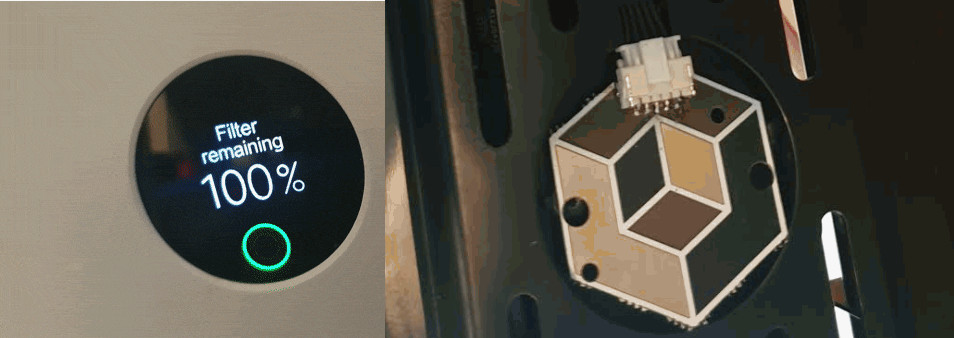
At first glance, the idea sounds bizarre. Why would an air purifier filter need anything that resembles digital rights management? Aren’t filters just big cylindrical dust traps with delusions of grandeur? In some newer products, the answer is no. The filter is not just a filter. It is also an authenticated accessory with a tag, a reader, and a system designed to track whether the purifier believes the filter is genuine and still within its expected life span.
That has sparked a bigger conversation than one dusty cartridge might suggest. Consumers want clean air, fair prices, straightforward maintenance, and the freedom to use compatible parts without being treated like they are trying to jailbreak a toaster. Manufacturers want reliable performance, fewer customer complaints, more predictable replacement cycles, and, let’s be honest, a healthy stream of consumables revenue. A Xiaomi filter DRM resetter sits right in the middle of that tension.
This is not really a story about cheating a machine. It is a story about ownership, convenience, trust, warranty language, waste, and whether buying a device means you control it or merely rent its personality. And because the world is never content with simple answers, both sides actually have a few decent points.
What People Mean by a “Xiaomi Filter DRM Resetter”
In plain English, a Xiaomi filter DRM resetter refers to a tool or method intended to deal with the authentication system tied to certain Xiaomi air purifier filters. Xiaomi’s own support materials say some Smart Air Purifier models use an RFID tag module so the machine can recognize a new genuine filter and track filter life automatically. In other words, the purifier is not merely counting fan hours like an old-school kitchen timer. It is checking for a tagged filter and using that information to manage replacement prompts.
That sounds tidy on paper. In practice, it changes the relationship between the owner and the consumable. Instead of replacing a dirty filter with any compatible option and resetting a maintenance reminder, the owner may run into a system that expects a tagged filter the purifier recognizes. If that recognition fails, the result can be anything from a nagging prompt to an outright refusal to believe the fresh filter is fresh. Nothing kills the vibe of a clean-room fantasy faster than a machine insisting your lungs are living a lie.
The term DRM gets used here because the pattern feels familiar. We have seen versions of it before in printers and ink cartridges, coffee pods, and refrigerator water filters. The lock is not always about safety alone. Sometimes it is also about controlling the aftermarket.
Why Manufacturers Like Proprietary Consumables
To be fair, manufacturers do not wake up every morning twirling invisible mustaches and brainstorming ways to annoy people in small apartments. There are practical reasons a company might want authenticated filters.
1. Performance consistency
Air cleaning is not magic. It depends on airflow, particle capture, filter density, seal quality, and, for gases and odors, the amount of sorbent material such as activated carbon. A company that designs a purifier around a specific filter has an argument for wanting tight control over that filter’s materials and fit. If a bargain replacement is flimsy, undersized, or poorly sealed, performance can drop even if the product listing promises the moon and half a cloud.
2. Better tracking for filter life
Xiaomi says RFID-based filter recognition allows its purifier to identify filter life automatically without manual reset. That can make maintenance easier for users who would rather not memorize replacement dates, fan schedules, or the last time the purifier inhaled a week’s worth of cooking smoke.
3. Fewer support headaches
If a purifier performs badly with an off-brand filter, the owner may blame the machine rather than the consumable. From the manufacturer’s perspective, authenticating the filter helps reduce chaos, returns, and angry customer service calls typed entirely in capital letters.
4. Safety and brand protection
Manufacturers also argue that accessories carrying their name should meet certain standards. In theory, controlling the filter ecosystem reduces counterfeits and poor-quality knockoffs that could damage trust in the brand.
Those reasons are not silly. They are real. The trouble begins when a quality-control argument starts moonlighting as a lock-in strategy.
Why Consumers Push Back Hard
The backlash against proprietary consumables is not some obscure internet hobby. It grows out of an everyday feeling that many people know well: “I bought this thing. Why is it acting like it bought me?”
Ownership should mean choice
Once you pay for a purifier, many consumers believe you should be able to use a compatible replacement part, especially if it fits properly and does the job. A filter authentication system can make a normal maintenance task feel like asking permission from a machine you already own.
Costs add up quickly
Consumer Reports has repeatedly noted that air purifiers can be costly to operate because of replacement filters, and those yearly costs vary widely. Some replacement filters are modestly priced, while others get expensive fast. Suddenly the “budget” purifier starts behaving like a cheap razor with very opinionated blades.
Warranty messaging can cross a line
This is where things get legally spicy. The FTC has long warned that warranty coverage generally cannot be conditioned on the use of branded parts or services unless those parts or services are provided for free or the company receives a waiver. In 2024, the FTC sent warning letters to several air purifier sellers over statements suggesting consumers had to use specified parts or service providers to keep warranties intact. That matters because “use our filter or else” is not just annoying copy. It can become a consumer-protection issue.
It feeds waste
When a filter is rejected early, replaced too often, or discarded because the system will not recognize it, the environmental cost grows. iFixit and other right-to-repair advocates have argued for years that repair restrictions and digital lockouts contribute to waste. A disposable culture is already bad enough without adding software-assisted guilt trips to the pile.
Digital locks can chill perfectly lawful tinkering
EFF has argued that DRM and similar technological protection measures have increasingly been used in ordinary products, not just media. That matters because once software and authentication move into appliances, even lawful modification or diagnosis can feel legally fuzzy to consumers. No one should need a law degree, a soldering iron, and emotional support tea just to maintain an air purifier.
The Bigger Point: Clean Air Depends on Physics, Not Branding
This is the part where the science politely clears its throat. An authenticated filter may help a manufacturer manage its ecosystem, but it does not rewrite how air cleaning works.
HEPA is about particle capture
The EPA explains that a true HEPA filter can theoretically remove at least 99.97% of particles at 0.3 microns, with even better efficiency for some larger and smaller particles. That is a meaningful benchmark because particles such as dust, pollen, mold, and smoke are what many people want portable air cleaners to reduce.
CADR matters a lot
The EPA and ENERGY STAR both emphasize Clean Air Delivery Rate, or CADR, as a practical way to judge how quickly a purifier can clean the air in a room. Bigger room, bigger CADR needed. A purifier with a decent filter but inadequate airflow can still underperform. The badge on the cartridge does not change that math.
Activated carbon is helpful, but not magical
For odors and gases, the EPA says activated carbon can be effective when there is a large amount of material in the filter. That “large amount” part matters more than marketers sometimes admit. A little carbon can freshen things up. It cannot always outmuscle serious VOC problems, heavy odors, or constant pollution sources. So if a company markets a premium proprietary filter as the one true odor conqueror, it is still fair to ask how much carbon is actually in there.
Filters need replacement because they wear out, not because a chip says hello
A reminder system can be useful, but the real-world need to replace a filter depends on conditions. Xiaomi’s support pages say filter life varies with air quality, usage mode, and run time, and the company gives ranges that can land around a few months or longer depending on the environment. That is sensible. A purifier working in a smoky apartment with pets and daily frying pans is living a far harder life than one sitting in a tidy guest room that gets used twice a year and once by a very polite fern.
Where the Law and Repair Movement Come In
The right-to-repair movement has made one idea increasingly mainstream: products should not be designed to trap people in expensive, manufacturer-controlled aftermarkets when compatible alternatives exist.
The FTC’s guidance on tie-in sales provisions is especially relevant here. The agency gives a blunt example involving a vacuum cleaner warranty that says the buyer must use genuine brand filter bags to keep warranty coverage. That kind of language is generally prohibited. The FTC’s broader 2021 repair report also points to branded ink and third-party parts as examples of the exact kind of aftermarket control that raises competition and consumer-rights concerns.
Meanwhile, states have continued moving on repair rights, and advocates have pushed back against parts pairing and other anti-repair practices. iFixit celebrated Oregon’s 2024 law in part because it addressed parts pairing, a growing tactic that limits the use of replacement parts by tying functionality to manufacturer-controlled authorization. The details differ across products, but the principle feels awfully familiar: a device knows the part, recognizes the part, and sometimes judges the part like a tiny digital customs officer.
None of this means every proprietary filter program is illegal. It does mean consumers are no longer expected to smile politely while companies blur the line between quality assurance and aftermarket captivity.
So, Is a Xiaomi Filter DRM Resetter a Hero or a Headache?
Honestly, it is a symptom.
It exists because some consumers believe their purifier is pushing filter replacements too aggressively, rejecting compatible options, or locking them into a branded consumables loop. The resetter is not the origin of the conflict. It is the protest sign.
Supporters see it as a practical response to a system that overreaches. Critics see it as a risky shortcut that could undermine quality control or encourage use of poor filters. The smartest take lives somewhere in the middle: if a product’s filter ecosystem is so restrictive that people start searching for ways around it, the company may have designed a customer-frustration engine, not just a maintenance feature.
The healthiest market outcome is not an arms race between authentication chips and ever-cleverer workarounds. It is a market where brands compete on actual performance, honest replacement guidance, fair filter pricing, and transparent warranty terms. Imagine that. A world where consumers choose the genuine filter because it is clearly better, not because the machine throws a tantrum without it.
How Smart Buyers Can Protect Themselves
If you are shopping for an air purifier, the best move is not to wait until filter drama appears like a surprise sequel. Check the boring stuff before buying. That boring stuff becomes exciting later, usually in the same way dental bills become exciting.
- Look up the replacement filter cost before buying the purifier.
- Check whether the purifier uses filter authentication, RFID, or app-based replacement tracking.
- Compare the room-size claim with CADR, not just marketing adjectives like “powerful” or “advanced.”
- Read warranty language carefully, especially anything implying you must use branded consumables.
- Think about your real environment: pets, smoke, cooking, humidity, and room size all affect filter life.
- Favor brands that are transparent about maintenance, testing, and annual operating costs.
That way, you are not just buying cleaner air. You are buying fewer unpleasant surprises disguised as “smart features.”
Real-World Experiences Around Proprietary Filters and Resetters
One of the most interesting things about this topic is how ordinary the user experience usually starts. Nobody says, “Today I shall enter a philosophical debate about aftermarket lock-in.” They say, “Why is my purifier yelling at me when the filter still looks fine?” That is the gateway.
A common experience goes like this: someone buys a Xiaomi purifier because it is stylish, compact, and not absurdly expensive. The setup is easy. The app feels modern. The machine runs quietly enough to coexist with sleep, remote work, and the occasional dramatic stare out the window. For a while, it feels like a model citizen. Then the replacement reminder arrives, and suddenly the ownership experience changes. The buyer realizes the machine is not just a purifier. It is a purifier with opinions.
Another typical experience is sticker shock. The owner goes looking for replacement filters and discovers that the annual maintenance cost matters almost as much as the sticker price of the purifier itself. That is when people start comparing original filters with compatible third-party options. Some buyers are perfectly happy to pay for the branded filter if the performance is clearly documented and the price feels reasonable. Others look at the cost and begin to suspect they were invited to a product ecosystem that charges admission twice.
Then there is the frustration of mixed signals. The filter may not smell bad, airflow may still seem normal, and the room may still feel cleaner, yet the machine insists the filter is done. Users naturally wonder whether the reminder reflects actual filter condition, conservative engineering, rough environmental estimates, or a business model wearing a lab coat. That uncertainty is exactly what fuels interest in reset tools and DRM workarounds.
Pet owners and city dwellers often have a more sympathetic view of replacement reminders because they can see how brutal real-world air is on filters. If you live near traffic, cook often, burn candles, or share a home with a majestic shedding beast disguised as a golden retriever, your filter is doing hard labor. In those homes, the reminder may feel fair. But even then, people still want the freedom to choose where the replacement comes from.
DIY-minded users tend to focus less on the purifier’s reminder and more on the principle behind it. They are not necessarily trying to be cheap. Often they are trying to be informed. They want to compare materials, fit, carbon quantity, and airflow resistance. They want to know whether a third-party filter is genuinely worse or merely unauthorized. And when the device treats “unauthorized” as if it automatically means “unsafe,” that can feel less like protection and more like manipulation.
There is also a quieter emotional layer to all of this: trust. People tend to forgive maintenance costs when they believe the company is being straight with them. They get less forgiving when a smart appliance starts behaving like a bouncer at an exclusive club for replacement parts. The moment customers feel nudged, boxed in, or guilted into recurring purchases, goodwill evaporates faster than cooking odors in a room with a decent CADR.
That is why the Xiaomi filter DRM resetter has become such a loaded symbol. For some users, it represents autonomy. For others, it signals a product category that has become unnecessarily complicated. Either way, the experience around it tells manufacturers something important: consumers do not mind maintenance, but they deeply resent feeling managed by the things they own.
Conclusion
Clearing the air about proprietary consumables means admitting two things at once. First, air purifier filters are not interchangeable in the way socks are interchangeable. Quality, fit, airflow, and media matter. Second, none of that gives manufacturers a free pass to build walled gardens around routine maintenance and call it innovation.
A Xiaomi filter DRM resetter is not just a niche gadget-world curiosity. It is evidence of a broader consumer backlash against locked consumables, vague warranty pressure, and software-shaped control over ordinary household products. The people searching for these tools are not always trying to dodge necessary maintenance. Very often, they are reacting to a system that feels too controlling, too expensive, or too opaque.
In the end, the best air purifier ecosystem is not one where every filter is locked down like a state secret. It is one where performance is measurable, replacement timing is honest, pricing is fair, warranty language is lawful, and consumers can make informed choices without feeling like they are negotiating with a glorified fan cylinder. Clean air should be easier than this. And frankly, your filter should not need a trust issue.