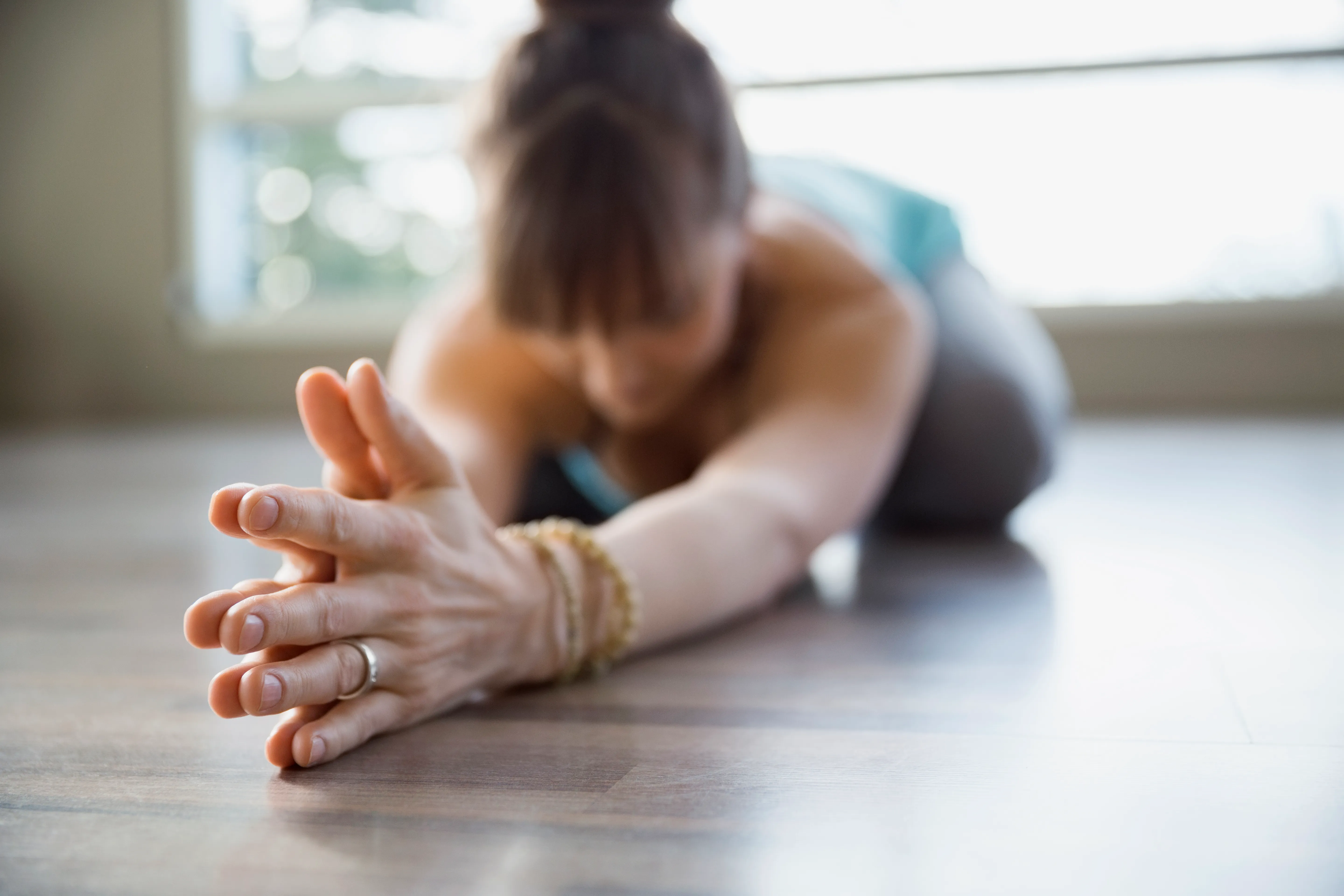
Hand numbness after exercise can feel strange, annoying, and slightly dramaticlike your fingers have decided to unsubscribe from your nervous system. One minute you are finishing a run, bike ride, weight session, yoga flow, or push-up challenge; the next, your thumb tingles, your pinky feels sleepy, or your whole hand has that “TV static” sensation.
The good news: numbness in hands and fingers after exercise is often caused by temporary pressure on nerves, wrist position, tight grip, cold exposure, or reduced circulation during certain movements. In many cases, it improves when you shake out your hands, adjust posture, loosen your grip, or change equipment. The not-so-good news: repeated or persistent numbness can also point to nerve compression, a pinched nerve in the neck, carpal tunnel syndrome, ulnar nerve irritation, thoracic outlet syndrome, or an underlying health condition.
This guide explains the most common causes of numbness in hands and fingers after exercise, how to recognize patterns, when to adjust your workout habits, and when to stop pretending “it’s probably nothing” and call a healthcare professional.
Why Hands and Fingers Can Go Numb After Exercise
Numbness usually means that nerves are not sending normal signals, blood flow is temporarily reduced, or both. During exercise, the body moves blood toward working muscles, breathing speeds up, joints stay in fixed positions, and hands may grip equipment harder than necessary. That combination can irritate nerves or compress small blood vessels.
Think of your nerves like phone charging cables. A gentle bend is usually fine. A hard kink, repeated tug, or heavy object pressing on the cord? Suddenly the connection gets unreliable. The same idea applies when wrists are bent on handlebars, elbows stay flexed during lifting, shoulders are rounded during running, or palms press into the floor during planks.
1. Pressure on the Ulnar Nerve
The ulnar nerve runs from the neck and shoulder region down the arm, around the inside of the elbow, and into the hand. It helps provide feeling to the little finger and part of the ring finger. When this nerve is compressed or irritated, numbness often appears in those two fingers.
Common exercise triggers
Ulnar nerve irritation is common in activities that keep the elbows bent or place pressure through the palms. Examples include cycling, push-ups, planks, rowing, biceps curls, triceps work, and long sessions on elliptical handles. Cyclists may develop “cyclist’s palsy,” sometimes called handlebar palsy, when prolonged pressure through the palm compresses nerves near the wrist.
If your pinky and ring finger go numb after a bike ride, your hands may be taking too much body weight. The handlebars are not supposed to be a pillow for your nervous system. A bike fit, padded gloves, frequent hand-position changes, and less wrist extension can help reduce pressure.
2. Carpal Tunnel Irritation
Carpal tunnel syndrome involves pressure on the median nerve at the wrist. This nerve affects sensation in the thumb, index finger, middle finger, and part of the ring finger. If numbness shows up mostly in those fingers, especially with wrist bending or gripping, the carpal tunnel may be involved.
How workouts can aggravate it
Exercises that load the wrist in a bent position can increase irritation. Push-ups, burpees, mountain climbers, front rack positions, kettlebell work, heavy gripping, and certain yoga poses may trigger symptoms. Even if exercise does not “cause” carpal tunnel syndrome by itself, it can reveal a wrist that is already sensitive.
A practical example: someone doing push-ups with the hands flat and wrists sharply extended may notice tingling in the thumb and first two fingers. Using push-up handles, fists, dumbbells as grips, or modifying the angle may reduce wrist compression.
3. Gripping Too Hard
Many people hold weights, handles, bars, or phone screens during cardio as if the equipment owes them money. A death grip can tighten forearm muscles, increase pressure around nerves and blood vessels, and reduce comfortable circulation to the hand.
This can happen during weightlifting, rowing, spinning, treadmill walking with handrails, stair climbing, or using resistance bands. If both hands feel tingly after gripping equipment, the first fix is beautifully simple: loosen your grip. Your dumbbells will not escape into the wild.
What to try
Keep wrists neutral, relax the shoulders, and check whether your hands are clenching. During long cardio sessions, change hand positions every few minutes. During lifting, use a secure grip, not a panic grip. If grip fatigue forces you to squeeze too hard, reduce weight, improve technique, or take more rest between sets.
4. Poor Wrist Position
Wrist position matters because nerves and tendons pass through narrow spaces. Bending the wrist too far forward, backward, or sideways can irritate those structures. This is especially common in exercises where the hand supports body weight.
During planks, push-ups, yoga poses, handstands, or floor-based strength work, the wrist may stay extended for a long time. During lifting, the wrist may collapse backward in presses or curl inward during pulling movements. Over time, that position can create tingling, numbness, aching, or weakness.
Form check
Look for a straight line from forearm to hand whenever possible. In pressing movements, avoid letting the wrist bend backward under the weight. In floor exercises, spread the fingers, press evenly through the palm, and use modifications if needed. A neutral wrist is like good Wi-Fi: you only appreciate it when it disappears.
5. Elbow Position and Cubital Tunnel Syndrome
Cubital tunnel syndrome happens when the ulnar nerve is irritated around the elbow. Symptoms commonly include numbness or tingling in the ring and little fingers, especially when the elbow is bent for a long time.
Exercise examples include skull crushers, biceps curls, pull-ups, rowing, cycling, and certain stretches where the elbow remains flexed. Leaning on the elbows during rest breaks can also aggravate symptoms. If numbness appears after elbow-heavy workouts, pay attention to how long your elbows stay bent and whether you are resting your body weight on them.
6. Neck-Related Nerve Irritation
Sometimes the hand is not the real troublemaker. A pinched or irritated nerve in the neck can send numbness, tingling, pain, or weakness down the arm and into the hand. This is often called cervical radiculopathy.
Neck-related symptoms may be more likely if numbness comes with neck pain, shoulder pain, electric sensations down the arm, or weakness in the arm or hand. Overhead lifting, poor posture, heavy backpacks, rounded shoulders, or sudden neck movements can make symptoms more noticeable.
Workout clues
If your hand numbness changes when you move your neck, tilt your head, or raise your arm, the source may be higher up than the wrist. In that case, simply stretching the hand may not solve the problem. A healthcare provider or physical therapist can evaluate whether the issue starts in the neck, shoulder, elbow, wrist, or a combination of areas.
7. Thoracic Outlet Syndrome
Thoracic outlet syndrome refers to compression of nerves or blood vessels between the collarbone and first rib. It can cause numbness or tingling in the arm or fingers, arm fatigue with activity, weakened grip, shoulder discomfort, or changes in hand color and temperature.
This may appear during overhead sports, swimming, throwing, weightlifting, or posture-heavy activities. People who train with rounded shoulders, tight chest muscles, or poor shoulder mechanics may notice symptoms during or after workouts.
Because thoracic outlet symptoms can involve nerves or blood vessels, it is worth taking seriouslyespecially if one hand becomes cold, swollen, discolored, or unusually weak.
8. Reduced Circulation During Exercise
Temporary circulation changes can make hands feel numb, cold, puffy, or tingly. This can happen during running, hiking, cold-weather workouts, or long cardio sessions. Arms swinging at the sides, tight watch bands, snug gloves, or backpack straps can contribute.
Some runners notice swollen fingers after long runs because fluid shifts during exercise. Others notice numbness when they clench their fists or hold their arms rigidly. Relaxing the hands, gently opening and closing the fingers, keeping wrists neutral, and checking gear tightness may help.
9. Cold Exposure and Raynaud’s-Type Symptoms
Cold weather can trigger finger numbness, especially in people prone to Raynaud’s phenomenon. In Raynaud’s, small blood vessels narrow more than usual in response to cold or stress. Fingers may feel numb, cold, painful, or tingly and may change color.
This can happen during outdoor running, cycling, skiing, hiking, or even gym workouts in chilly environments. Gloves, layered clothing, warm-up time, and avoiding sudden cold exposure can help. If color changes are frequent, severe, or painful, medical evaluation is smart.
10. Tight Gear, Straps, Gloves, or Wearables
Sometimes the cause is not mysterious at all. Tight gloves, wrist wraps, lifting straps, compression sleeves, backpack straps, watch bands, or cycling gear can press on nerves or blood vessels. The body may be sending a very reasonable message: “Please loosen the tiny tourniquet.”
Check whether numbness matches where equipment presses. If symptoms improve when you remove or loosen gear, you have found a likely suspect. Supportive equipment should stabilizenot squeeze the personality out of your fingers.
11. Repetitive Motion and Overuse
Repetitive wrist, hand, elbow, or shoulder motions can irritate nerves and tendons over time. Sports such as tennis, climbing, rowing, cycling, swimming, boxing-style fitness, and heavy lifting can all involve repeated gripping or wrist loading.
Overuse-related numbness often builds gradually. You may first notice mild tingling after long sessions, then symptoms appear sooner, last longer, or show up during everyday tasks such as typing, driving, or holding a phone. That pattern is a sign to reduce load, improve mechanics, and get guidance before the issue becomes stubborn.
12. Peripheral Neuropathy or Underlying Health Conditions
Not all numbness after exercise is caused by exercise. Sometimes exercise simply reveals an existing nerve issue. Peripheral neuropathy can affect the hands and feet and may be associated with diabetes, vitamin deficiencies, certain medications, alcohol misuse, autoimmune conditions, infections, or other medical problems.
People with neuropathy may notice burning, tingling, numbness, sensitivity, balance issues, or symptoms that affect both sides. Exercise can temporarily make sensations more noticeable because circulation, temperature, and nerve demand change during activity.
If hand numbness is frequent, occurs outside workouts, affects the feet too, or comes with weakness, coordination problems, or pain, it deserves a healthcare visit.
When Hand Numbness After Exercise Is More Concerning
Occasional tingling that disappears quickly after changing position is usually less concerning than numbness that persists, worsens, or comes with other symptoms. Do not ignore numbness that lasts for hours, returns every workout, affects only one side suddenly, or comes with weakness.
Seek urgent help if numbness is sudden or comes with:
- Face drooping, speech trouble, confusion, dizziness, or severe headache
- Sudden weakness in one arm or leg
- Chest pain, shortness of breath, or fainting
- A cold, blue, pale, swollen, or very painful arm or hand
- Loss of grip strength or difficulty moving fingers
- Numbness after a fall, neck injury, or direct trauma
Exercise should challenge your muscles, not turn neurological symptoms into a guessing game. When in doubt, get checked.
How to Reduce Numbness During and After Workouts
Prevention depends on the cause, but a few smart habits help many people. First, keep wrists neutral during lifting, cycling, and floor exercises. Second, relax your grip. Third, change hand positions often during longer workouts. Fourth, warm up before repetitive upper-body movements. Fifth, use equipment that fits your body instead of forcing your body to fit the equipment.
For cyclists, adjust handlebar height, saddle position, reach, and glove padding. For lifters, focus on wrist alignment, grip pressure, and gradual progression. For runners, relax the shoulders and hands. For yoga or bodyweight training, use blocks, wedges, handles, or modified positions if wrist pressure triggers symptoms.
A simple self-check
Ask yourself: Which fingers go numb? What exercise triggers it? Does changing wrist, elbow, shoulder, or neck position help? Does it happen on one side or both? Does it go away quickly? These clues can help a clinician identify whether the issue is likely related to the median nerve, ulnar nerve, neck, circulation, or equipment pressure.
Experience-Based Examples: What Hand Numbness After Exercise Often Looks Like
To make this topic more practical, let’s look at real-world-style scenarios. These are common patterns people describe when dealing with numbness in hands and fingers after exercise.
The cyclist with sleepy pinkies
A recreational cyclist finishes a 25-mile weekend ride and notices numbness in the pinky and ring finger of both hands. The symptoms improve after a few hours but return on longer rides. The likely pattern points toward ulnar nerve pressure from the handlebars. The rider’s hands are bearing too much weight, wrists are extended, and the same palm area is pressed for long periods. Helpful changes may include padded gloves, rotating hand positions, adjusting bike fit, strengthening the core, and avoiding locked elbows.
The gym-goer with thumb tingling after push-ups
Another person notices tingling in the thumb, index finger, and middle finger after push-ups and planks. The symptoms fade after rest. This pattern may involve median nerve irritation near the wrist. A useful adjustment could be doing push-ups with handles, placing hands on dumbbells, reducing volume, or elevating the hands on a bench. The goal is not to quit exercise; it is to stop making the wrist act like a folding chair.
The runner with puffy, tingly hands
A runner notices both hands feel swollen and slightly numb after long runs, especially in warm weather. They also realize they clench their fists during hard efforts. This may be related to circulation changes, arm position, and grip tension. Relaxing the hands, keeping arms loose, occasionally opening and closing the fingers, and checking hydration may reduce symptoms. If numbness becomes painful, one-sided, or persistent, it should be evaluated.
The lifter with numbness during curls
A lifter feels tingling in the ring and little fingers during heavy curls and triceps exercises. Their elbows stay deeply bent for long sets. This pattern may irritate the ulnar nerve around the elbow. Reducing load, changing exercise angles, avoiding prolonged elbow flexion, and resting between sets may help. If weakness or constant numbness appears, it is time for professional guidance.
The desk worker who trains hard after typing all day
Someone spends eight hours typing, then goes to the gym and performs rows, presses, and push-ups. Their hands tingle afterward. The workout may not be the only cause; it may be the final straw after a full day of wrist and shoulder positioning. Ergonomics, breaks, wrist-neutral training, and recovery work may all matter.
The overhead athlete with neck and shoulder symptoms
A swimmer or overhead lifter notices hand tingling along with neck tightness and shoulder fatigue. The symptoms may worsen when the arms are overhead. This could involve nerve irritation from the neck or shoulder region, including thoracic outlet-type compression. Because the source may be higher than the wrist, evaluation by a healthcare professional or physical therapist is helpful.
Final Thoughts
Numbness in hands and fingers after exercise is common, but it is not something to ignore if it keeps happening. Most short-lived cases are related to nerve pressure, tight grip, wrist angle, elbow position, cold exposure, or equipment fit. The fix may be as simple as loosening your grip, changing hand position, modifying an exercise, or adjusting your bike setup.
However, numbness that is persistent, painful, one-sided, associated with weakness, linked to neck symptoms, or accompanied by color changes deserves medical attention. Your hands are incredibly useful tools. They lift, type, cook, wave, text, high-five, and occasionally open jars that have no respect for humanity. Treat numbness as useful feedback, not background noise.
Exercise should leave you feeling strongernot wondering why your fingers feel like they joined a silent protest. Listen to the pattern, adjust what you can, and get help when symptoms do not quickly improve.