Note: This article is based on practical organizing and interior styling principles commonly recommended by reputable U.S. home, design, and storage experts. It is written for web publication in standard American English and contains no unnecessary citation placeholders.
A cluttered shelf is like a very honest friend: it tells the whole room exactly what you have been avoiding. Old receipts, half-used candles, mystery cords, books you swear you are “currently reading,” and one tiny screwdriver that somehow became a permanent residentopen shelving can expose it all. The good news? You do not need a full renovation, a designer budget, or a dramatic life reset to fix it. You simply need smart ways to conceal a cluttered shelf while keeping your everyday items easy to reach.
The best shelf makeovers balance two goals: hiding visual clutter and improving function. A shelf that looks pretty but makes you dig for batteries with the determination of an archaeologist is not organizedit is just disguised chaos. This guide walks through practical, stylish, and budget-friendly ways to hide messy shelves using baskets, curtains, doors, bins, labels, styling tricks, and better editing habits. Whether you are dealing with a kitchen shelf, bookcase, pantry shelf, bathroom shelf, laundry shelf, office shelf, or entryway drop zone, these ideas will help your home look calmer without pretending real life does not come with stuff.
Why Open Shelves Get Cluttered So Fast
Open shelves are popular because they make a room feel lighter, more personal, and more spacious. They also create easy access, which is wonderfuluntil “easy access” becomes “everything lives here now.” Shelves collect clutter because they are visible, convenient, and often undefined. If there is no clear rule for what belongs on a shelf, every object applies for residency.
The problem is usually not the shelf itself. The problem is a lack of boundaries. A shelf needs categories, containers, breathing room, and a visual plan. Without those, even useful items begin to look messy. A stack of cookbooks can look charming. A stack of cookbooks, mail, vitamins, hair clips, batteries, tape, dog treats, and a loose measuring spoon looks like your house lost a small argument.
Start by Editing Before You Hide Anything
Before you conceal a cluttered shelf, remove everything from it. Yes, everything. This is the part where the shelf briefly looks worse, but stay brave. Place items into four groups: keep, relocate, donate, and toss. Do not skip this step, because hiding clutter without editing it is like putting sunglasses on a raccoon and calling it a houseguest.
Ask Three Simple Questions
For every item, ask: Do I use it? Do I love it? Does it belong here? If the answer is no, move it along. Shelves should support the room they are in. Bathroom shelves should not hold expired coupons. Living room shelves should not become a charging station for every electronic device ever invented. Pantry shelves should not keep ingredients from 2019 unless you are building a museum of regret.
Keep the Shelf About 80 Percent Full
A shelf needs empty space to look intentional. When every inch is packed, the eye reads it as clutter, even if every item is technically organized. Leave some open space between objects and containers. That small amount of breathing room makes the shelf easier to clean, easier to use, and much nicer to look at.
Use Baskets to Hide Busy Items
Baskets are one of the easiest ways to conceal a cluttered shelf because they hide small, mismatched, or awkward items while adding texture. Woven baskets work beautifully in living rooms, bedrooms, entryways, and laundry areas. Fabric bins are great for closets, kids’ rooms, and lightweight storage. Wire baskets work well when you want visibility, such as in a pantry or craft room.
The trick is to choose baskets that fit the shelf properly. Measure the shelf depth, height, and width before buying anything. A basket that is too deep may be hard to pull out. A basket that is too tall may scrape the shelf above it. A basket that is too small may create little gaps where clutter sneaks back in with a grin.
Use Matching Baskets for a Cleaner Look
Matching containers instantly calm a busy shelf. They do not have to be expensive, but they should share a color, material, or shape. For example, three identical seagrass baskets on a bookcase can hide chargers, remotes, craft supplies, and pet toys while making the shelf look designed. In a closet, matching fabric bins can hide folded scarves, seasonal accessories, or extra linens.
Choose Opaque Baskets for True Concealment
If the contents are unattractive, choose opaque baskets or bins. Clear containers are useful in pantries and utility areas, but they do not conceal visual clutter. If your goal is to hide the mess, solid-sided baskets, lidded boxes, or fabric bins are better choices.
Add Shelf Curtains for Instant Coverage
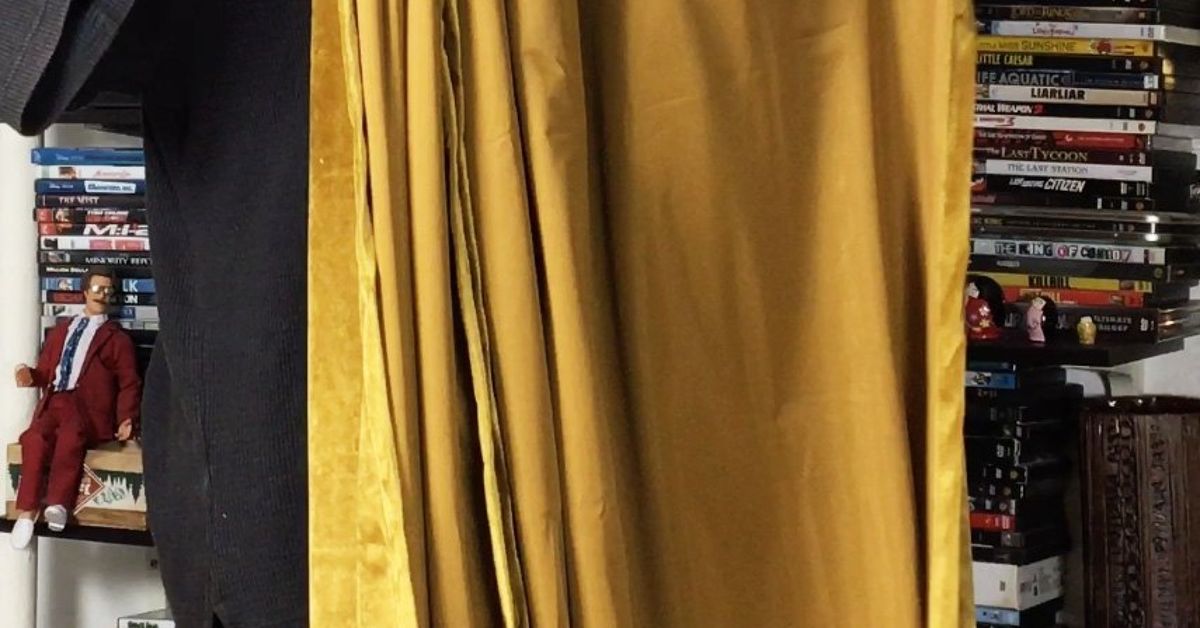
One of the most charming ways to hide shelf clutter is with a curtain. A small tension rod and a fabric panel can transform an open shelf, pantry nook, laundry shelf, or utility bookcase into concealed storage. This is especially useful for renters because it does not require permanent changes.
Choose fabric that suits the room. Linen or cotton looks relaxed and natural. A patterned fabric can add personality to a children’s room or craft space. A solid curtain in the same color as the wall creates a quiet, built-in effect. If your shelf is in a kitchen or laundry room, choose washable fabric because dust, splashes, and real life will happen.
Where Shelf Curtains Work Best
Shelf curtains are ideal for lower shelves, pantry shelves, bathroom storage, open closets, craft stations, and laundry areas. They are less ideal for shelves holding items you need dozens of times per day, unless the curtain is very easy to slide. The goal is to conceal clutter, not create a tiny fabric obstacle course.
Install Doors, Panels, or Sliding Covers
If you want a more polished solution, consider adding doors or panels to open shelving. Cabinet doors, sliding panels, frosted glass, cane webbing, or even lightweight wood fronts can turn an exposed shelf into hidden storage. This works especially well for built-ins, media shelves, office shelving, and dining room storage.
For a softer design look, cane or rattan panels hide clutter while still allowing airflow and texture. Frosted glass conceals details but keeps the piece visually light. Painted cabinet doors can make a shelf blend into the wall. Sliding doors are helpful when you do not have enough room for doors to swing open.
Try Peel-and-Stick or DIY Options
You do not always need custom cabinetry. Lightweight plywood, tension rods, adhesive hooks, magnetic closures, or removable wallpaper can create a neat cover. For renters, look for non-permanent options that can be removed without damaging the shelf.
Use Decorative Boxes for Small Clutter
Decorative boxes are perfect for items that are useful but visually annoying. Think chargers, batteries, receipts, craft tools, extra keys, stationery, remote controls, instruction manuals, and the mysterious drawer-like objects that migrate around the house.
Place boxes on higher shelves for items you use less often and lower shelves for everyday supplies. Choose boxes with lids if the shelf is visible from across the room. Label the bottom or back if you want a clean look without visible tags.
Stack Boxes Carefully
Stacking boxes can look elegant, but only if the boxes are sturdy and easy to access. Avoid stacking too many boxes if you need the bottom one often. That leads to the classic “I will just leave this out for now” situation, which is how clutter begins plotting its comeback.
Create Zones on the Shelf
A shelf becomes easier to maintain when every section has a purpose. Instead of mixing everything together, create zones. On a living room shelf, one zone might be books, one might be games, one might be media accessories, and one might be decor. On a pantry shelf, zones might include breakfast, snacks, baking, canned goods, and dinner staples.
Zones reduce decision fatigue. When everyone in the house knows where something belongs, the shelf has a better chance of staying tidy. This also prevents the “temporary pile” from becoming a permanent feature of your interior design.
Label Only When It Helps
Labels are useful in pantries, closets, playrooms, craft areas, and shared family spaces. They are less necessary on decorative living room shelves. If labels help people put things back, use them. If they make your shelf feel like a filing cabinet in a dentist’s office, skip them or use subtle tags.
Mix Storage With Display Pieces
A shelf should not be all storage or all decoration. The most attractive shelves usually mix concealed storage with a few visible pieces. For example, place two baskets on the bottom shelf, a row of books on the middle shelf, and a vase with framed art on the top shelf. This creates a balance between function and style.
Use decorative objects to distract from storage containers. A small plant, ceramic bowl, framed photo, sculptural bookend, or lamp can make a practical shelf feel intentional. Just do not add too many decorative pieces. Decor can become clutter wearing better shoes.
Use the Triangle Styling Method
For a polished look, arrange objects in loose triangles. Place a tall item on one side, a medium item on another shelf, and a smaller item nearby. This helps the eye move around the shelf naturally. Vary height, texture, and shape so the arrangement feels relaxed rather than stiff.
Hide Cords and Electronics
Few things make a shelf look messier than tangled cords. Use cable clips, cord boxes, Velcro ties, or adhesive cord channels to keep wires under control. If you store routers, speakers, chargers, or gaming accessories on a shelf, place them inside a ventilated basket or behind a decorative panel. Make sure electronics still have airflow and easy access to outlets.
For charging stations, assign one container or tray to the job. Do not let every shelf become a charging station. Otherwise, your bookcase will slowly turn into a tech jungle, and no one wants to dust around seven cords and a blinking router at eye level.
Use Trays to Corral Everyday Items
Trays are excellent for shelves that hold items used daily. A tray can turn scattered objects into a neat collection. Use one for perfume bottles, coffee supplies, mail, candles, office tools, or small bathroom essentials. The tray creates a visual boundary, which makes the shelf look organized even when several items are grouped together.
Choose a tray that fits the shelf without hanging over the edge. Wood trays add warmth, metal trays feel modern, and acrylic trays work well in bathrooms or offices. Keep only what you actually use in the tray. A tray full of clutter is still clutterit just has handles.
Choose Containers by Room
Living Room Shelves
Use woven baskets for remotes, blankets, pet toys, and game controllers. Add books, framed photos, and one or two decorative objects. Keep the busiest items on lower shelves so they are less noticeable.
Kitchen and Pantry Shelves
Use clear bins for ingredients you need to see and opaque baskets for snacks, paper goods, or less attractive packaging. Group similar items together and avoid overfilling containers. If the shelf is open to the room, decant frequently used dry goods into matching jars for a cleaner look.
Bathroom Shelves
Use lidded boxes, small baskets, and trays. Hide extra toiletries, hair tools, and backup supplies. Keep only daily essentials visible. Moisture-resistant materials such as plastic, metal, bamboo, or washable fabric are best.
Office Shelves
Use magazine files, document boxes, and labeled bins. Hide cords, notebooks, printer paper, and tech accessories. Keep one attractive container for active paperwork so the shelf does not become a paper avalanche in slow motion.
Kids’ Shelves
Use open bins for toys and picture labels for younger children. Store heavier items low and lighter items higher. Keep categories simple: blocks, animals, art supplies, books, puzzles. If cleanup takes more than five minutes, the system is probably too complicated.
Paint or Wallpaper the Back of the Shelf
Sometimes the shelf looks cluttered because the background is busy, dark, damaged, or visually flat. Painting the back of a bookcase or adding peel-and-stick wallpaper can make storage containers look more intentional. A dark background can make objects recede, while a light background can brighten the entire shelf.
If you use patterned wallpaper, keep containers simple. If you use colorful baskets, keep the shelf backing quiet. The goal is harmony, not a design shouting contest.
Use the “One In, One Out” Rule
Once your shelf looks good, protect it. The one in, one out rule is simple: when something new comes onto the shelf, something else leaves. This prevents slow clutter creep. It is especially helpful for books, mugs, toys, craft supplies, candles, and pantry items.
Also schedule a quick shelf reset once a month. Remove trash, return misplaced items, wipe dust, and check whether containers are overflowing. Five minutes of maintenance can save you from a full Saturday shelf intervention later.
Budget-Friendly Ways to Conceal a Cluttered Shelf
You do not need designer storage to make shelves look better. Try these affordable ideas:
- Use tension rods and washable fabric to create simple shelf curtains.
- Wrap sturdy shoeboxes in contact paper for matching storage boxes.
- Use thrifted baskets in the same color family for a collected look.
- Add peel-and-stick wallpaper to the shelf backing.
- Use small trays from discount stores to corral everyday items.
- Turn magazine holders into organizers for papers, cutting boards, notebooks, or craft supplies.
- Use labels made from masking tape, kraft tags, or printable stickers.
The key is consistency. A row of inexpensive matching bins usually looks better than a random collection of costly containers that do not relate to each other. Organization is not about spending more. It is about making decisions before the clutter makes them for you.
Common Mistakes to Avoid
Buying Containers Before Decluttering
Do not buy bins until you know what you are storing. Otherwise, you may end up organizing things you should have tossed, donated, or relocated.
Using Too Many Different Container Styles
Mixed baskets, boxes, bins, and crates can look charming in a farmhouse magazine spread, but in real life they often look messy. Limit your shelf to two or three materials or colors.
Filling Every Shelf Completely
Even concealed storage needs breathing room. Overfilled baskets are hard to use and tend to spill over. Once a container is full, edit it before adding more.
Ignoring Daily Habits
If people drop keys, mail, or bags near a shelf every day, create storage for those items right there. A beautiful system that ignores real behavior will fail quickly. The shelf should work with your habits, not against them.
Personal Experience: What Actually Works When Hiding Shelf Clutter
The biggest lesson I have learned from tackling cluttered shelves is that the most successful solution is rarely the fanciest one. It is the one that makes putting things away feel almost automatic. I once helped refresh a living room bookcase that had become a family drop zone. It held books, school papers, chargers, board games, candles, dog treats, birthday cards, and a remote control that no one could identify but everyone was afraid to throw away. At first, the family wanted more shelves. What they really needed was fewer categories and better hiding places.
We started by removing everything and sorting items by how often they were used. Board games went into two large baskets on the bottom shelf. Chargers and tech accessories went into one lidded box with a small label on the back. Current books stayed visible, but books no one planned to reread were donated. A tray became the new home for remotes. The dog treats moved to the entry cabinet, where they actually made sense. Suddenly the bookcase looked twice as calm, even though it still stored plenty of everyday items.
Another shelf makeover involved a bathroom with open shelves above the toilet. The shelves were not dirty, but they looked chaotic because every bottle, jar, and backup product was visible. We used two matching white bins for extra toiletries, a small tray for daily skincare, and one decorative jar for cotton rounds. The change took less than an hour. The room immediately felt cleaner, even before anyone scrubbed a single tile. That is the power of reducing visual noise.
In a kitchen pantry, the best fix was not matching jars. It was a curtain. The pantry shelves were shallow but open to the breakfast area, so every cereal box and snack bag became part of the decor. A small tension rod with a simple fabric panel made the entire corner feel quieter. Behind the curtain, we still used bins by category: breakfast, snacks, baking, and dinner shortcuts. The curtain hid the visual clutter, while the bins kept the hidden space from becoming a snack cave.
The same principle works in home offices. Papers are especially sneaky because they look important even when they are expired coupons or appliance manuals for items you no longer own. A simple document box for active papers, a magazine file for notebooks, and a monthly paper purge can rescue an office shelf from becoming a leaning tower of “I’ll deal with it later.” The trick is to avoid creating too many paper categories. Complicated systems sound smart, but they often collapse when life gets busy.
My favorite practical tip is to keep the easiest storage on the lowest or most reachable shelf. If you use something every day, do not hide it in a box that requires three steps and a prayer. Everyday items should live in open bins, trays, or easy-pull baskets. Less-used items can go behind doors, inside lidded boxes, or on higher shelves. Organization should reduce effort, not create a tiny obstacle course in your own home.
I have also learned that beauty matters. People are more likely to maintain a shelf they enjoy looking at. That does not mean every shelf needs to look like a catalog. It means choosing containers that fit your room and your taste. If you like natural textures, use rattan, bamboo, canvas, or wood. If your style is modern, use smooth boxes, metal bins, or solid-color containers. When storage feels like part of the room instead of an apology for clutter, the whole space feels more intentional.
Finally, the best shelf systems leave room for real life. A perfectly styled shelf that cannot handle a library book, a new candle, or a child’s art project is too fragile. Leave one flexible spota basket, tray, or empty sectionfor temporary items. Then reset it once a week. This keeps daily clutter from spreading while acknowledging the truth: homes are lived in. Shelves should not shame you for having hobbies, paperwork, snacks, or a family that owns 14 charging cords. They should simply help everything look a little calmer.
Conclusion
Learning how to conceal a cluttered shelf is not about hiding your life. It is about giving your belongings a smarter, better-looking home. Start by editing what you own, then use baskets, bins, curtains, boxes, panels, trays, labels, and styling tricks to reduce visual clutter. Keep frequently used items easy to reach and hide the busy-looking things that do not need to be on display. With a little planning, even the messiest shelf can become useful, attractive, and surprisingly peaceful.
A clutter-free shelf does not require perfection. It requires systems that are simple enough to maintain on a normal Tuesday when dinner is late, the mail is weirdly everywhere, and someone has once again misplaced the scissors. Give every item a place, leave a little breathing room, and let your shelf support your home instead of shouting across the room for attention.