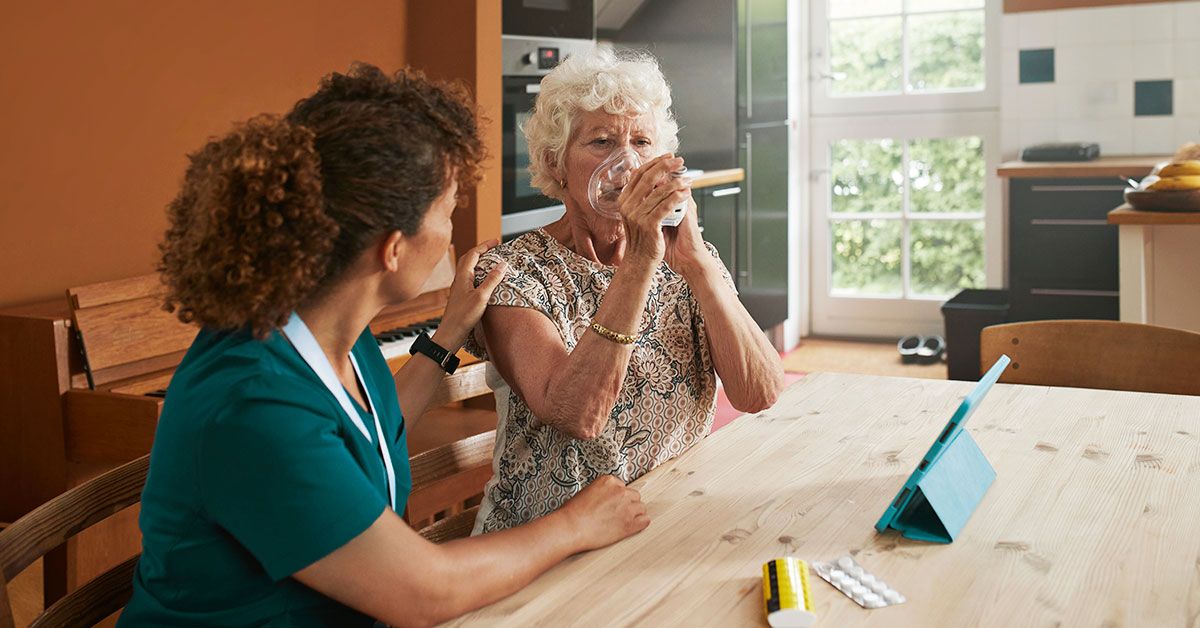
Chronic obstructive pulmonary disease, better known as COPD, is the kind of diagnosis that can make breathing feel like a part-time job nobody applied for. The good news? COPD treatment has come a long way. While COPD is usually not curable, the right mix of therapy, medications, surgery when appropriate, and lifestyle changes can help people breathe easier, stay more active, reduce flare-ups, and keep more control over daily life.
COPD is an umbrella term that mainly includes emphysema and chronic bronchitis. It causes airflow limitation, shortness of breath, coughing, mucus production, wheezing, fatigue, and a frustrating feeling that your lungs are moving through rush-hour traffic. Treatment is not one-size-fits-all. A person with mild symptoms may need smoking cessation support, vaccines, an inhaler, and exercise guidance. Someone with severe emphysema may need oxygen therapy, pulmonary rehabilitation, advanced inhaler combinations, or even a surgical evaluation.
This guide breaks down COPD treatment in plain English: what therapies are used, when surgery enters the conversation, and which lifestyle changes actually matter. No miracle cures, no magic herbal fog machine, and no “just breathe better” nonsense. Just practical, evidence-based information with a human touch.
Understanding the Goals of COPD Treatment
The main goal of COPD treatment is not simply to make a spirometry number look prettier on paper. The real goal is to help people live better. That means fewer flare-ups, less breathlessness, better exercise tolerance, improved sleep, more energy, and fewer emergency room visits.
Doctors usually build a COPD treatment plan around several questions: How often are symptoms happening? How severe is breathlessness? Has the person had recent exacerbations? Are oxygen levels low? Is there chronic bronchitis, emphysema, asthma overlap, or high eosinophils? Does the person smoke or live around lung irritants? Can they use an inhaler correctly, or does the device require the finger strength of a concert pianist?
The best COPD management plans usually combine medical treatment with daily self-care. Medications open the airways and reduce inflammation. Pulmonary rehabilitation trains the body to use oxygen more efficiently. Vaccines reduce infection risk. Lifestyle changes protect lung function. Surgery may help carefully selected people with advanced disease. Together, these pieces create a plan that is stronger than any single treatment alone.
COPD Medications: The Foundation of Daily Treatment
For many people, COPD treatment begins with inhaled medications. These medicines are designed to relax airway muscles, reduce symptoms, prevent exacerbations, and make breathing less dramatic. The inhaler aisle can feel like alphabet soup, so let’s decode it.
Short-Acting Bronchodilators
Short-acting bronchodilators are often called rescue inhalers. They work quickly to relax tightened airway muscles during sudden breathlessness. Examples include short-acting beta agonists, such as albuterol, and short-acting anticholinergic medicines, such as ipratropium. These are commonly used as needed, especially before activity or during symptom spikes.
Think of a rescue inhaler as the umbrella you keep by the door. You may not need it every minute, but when the storm arrives, you are very glad it exists.
Long-Acting Bronchodilators
Long-acting bronchodilators are maintenance medicines. They do not provide instant emergency relief, but they help keep airways open over time. Two major types are LABAs, or long-acting beta agonists, and LAMAs, or long-acting muscarinic antagonists. Many people with persistent symptoms use one or both daily.
Combination LABA/LAMA inhalers are often used when one long-acting medicine is not enough. They can improve breathing, reduce symptoms, and help people stay more active. The exact choice depends on symptom burden, flare-up history, side effects, insurance coverage, and whether the person can use the inhaler properly.
Inhaled Corticosteroids and Triple Therapy
Inhaled corticosteroids, often called ICS medicines, reduce airway inflammation. They are not automatically used for everyone with COPD, because they can increase the risk of pneumonia in some patients. However, they may be helpful for people with frequent exacerbations, asthma features, or higher blood eosinophil levels.
Triple therapy combines a LABA, a LAMA, and an inhaled corticosteroid in one treatment approach. It may be considered for people with more severe symptoms or repeated flare-ups despite dual bronchodilator therapy. The goal is simple: fewer bad breathing days and fewer “Why is my chest acting like a haunted accordion?” moments.
Other Medicines for Selected Patients
Some people with COPD need additional treatment. Roflumilast, a phosphodiesterase-4 inhibitor, may be used in certain patients with severe COPD, chronic bronchitis, and frequent exacerbations. Long-term azithromycin may be considered for some former smokers with repeated flare-ups, although it requires careful monitoring because of possible side effects, antibiotic resistance, and hearing or heart rhythm concerns.
Newer treatments have expanded the COPD toolbox. Ensifentrine, an inhaled dual PDE3/PDE4 inhibitor, is used as maintenance treatment for adults with COPD. Biologic medicines such as dupilumab and mepolizumab may be options for adults with inadequately controlled COPD and an eosinophilic phenotype. These are not casual “try it because TikTok said so” treatments. They are add-on therapies for specific patients after medical evaluation.
Pulmonary Rehabilitation: Gym Class, But Actually Useful
Pulmonary rehabilitation is one of the most valuable COPD therapies, yet many people do not hear enough about it. It is a structured program that usually includes supervised exercise, breathing techniques, education, nutrition support, emotional support, and strategies for conserving energy.
The goal is not to turn someone with COPD into an Olympic sprinter. The goal is to help them walk farther, climb stairs with less panic, shower without needing a halftime break, and feel more confident using their body again.
Pulmonary rehab can teach people how to pace activity, use pursed-lip breathing, manage oxygen equipment, understand medications, and respond to worsening symptoms. It also provides something that is hard to measure but incredibly important: reassurance. Many people with COPD become afraid of movement because movement can trigger breathlessness. Rehab helps rebuild trust between the body and the brain.
Oxygen Therapy: When the Body Needs Backup
Oxygen therapy is prescribed when testing shows that oxygen levels are too low. Shortness of breath alone does not automatically mean a person needs oxygen. Some people feel breathless but have acceptable oxygen levels, while others may have low oxygen without realizing it. That is why healthcare providers use measurements such as pulse oximetry or arterial blood gas testing.
Oxygen may be needed during sleep, exercise, air travel, or throughout the day. The prescription should be individualized, because oxygen needs can change depending on activity and disease severity. People using oxygen should also learn safety rules, especially avoiding flames and smoking around oxygen equipment. Oxygen supports life beautifully, but it does not enjoy candles, cigarettes, or “just one quick puff near the tank” experiments.
Managing COPD Flare-Ups
A COPD flare-up, or exacerbation, happens when symptoms suddenly worsen beyond the usual daily pattern. Warning signs can include increased shortness of breath, more coughing, thicker or discolored mucus, fever, chest tightness, unusual fatigue, confusion, or a drop in oxygen levels.
Treatment may include increased bronchodilator use, oral corticosteroids, antibiotics when bacterial infection is suspected, oxygen support, or hospital care for severe episodes. People with COPD should have an action plan from their healthcare provider that explains what to do when symptoms change. This plan should include when to adjust medicines, when to call the clinic, and when to seek urgent help.
Prevention matters. Staying current with flu, COVID-19, pneumococcal, RSV, and other recommended vaccines can reduce the chance of infections that may trigger COPD exacerbations. Avoiding smoke, dust, air pollution, strong chemical odors, and respiratory infections is also part of the long game.
Surgical Options for COPD
Surgery is not the first stop on the COPD treatment map. It is considered for selected people with advanced disease who continue to have severe symptoms despite optimized medical treatment and pulmonary rehabilitation. Surgical evaluation usually involves lung function testing, imaging, exercise testing, oxygen assessment, and a careful review of overall health.
Lung Volume Reduction Surgery
Lung volume reduction surgery removes damaged, overinflated lung tissue, often in the upper lungs. That may sound backwardremoving part of the lung to breathe betterbut in carefully selected people with severe emphysema, it can allow the healthier lung tissue and diaphragm to work more efficiently.
This surgery is not appropriate for everyone. It works best in certain emphysema patterns and carries risks, so the decision should be made by a specialized team. Some patients may also be evaluated for bronchoscopic lung volume reduction, including endobronchial valves, which are placed through a bronchoscope rather than open surgery.
Bullectomy
In emphysema, large air spaces called bullae can form when air sacs are destroyed. If a giant bulla compresses healthier lung tissue and worsens breathing, doctors may consider bullectomy, a procedure to remove it. This option is usually reserved for specific anatomy and symptom patterns.
Lung Transplant
Lung transplant may be considered for very severe COPD when other treatments are no longer enough and the person is otherwise a suitable candidate. A transplant can improve quality of life and survival for selected patients, but it also requires lifelong immune-suppressing medication, infection precautions, frequent follow-up, and a serious commitment to medical care.
Lifestyle Changes That Make COPD Treatment Work Better
Lifestyle changes are not “extra credit” in COPD treatment. They are part of the treatment. Medications can open the door, but daily habits help keep it from slamming shut again.
Quit Smoking and Avoid Secondhand Smoke
For people who smoke, quitting is the most important COPD lifestyle change. It can slow disease progression, reduce symptoms, improve treatment response, and lower the risk of heart disease, cancer, and other smoking-related problems. Quitting is difficult because nicotine is a professional troublemaker, but support helps. Counseling, nicotine replacement, prescription medications, quitlines, and support groups can all improve success rates.
Stay Physically Active
Exercise may feel intimidating when breathing is already difficult, but inactivity weakens muscles, and weak muscles demand more oxygen for basic tasks. That creates a frustrating cycle: breathlessness leads to less movement, less movement leads to weakness, and weakness leads to more breathlessness.
Safe activity might include walking, stationary cycling, light resistance training, stretching, or exercises recommended in pulmonary rehab. The best exercise is not the fanciest one. It is the one a person can do consistently without triggering unsafe symptoms.
Eat for Breathing and Energy
Nutrition matters in COPD. Some people lose weight because breathing burns extra energy and meals feel exhausting. Others gain weight, which can make breathing harder. A practical COPD eating plan may include smaller meals, enough protein, balanced carbohydrates, healthy fats, and hydration that supports mucus clearance without causing uncomfortable fullness.
Large heavy meals can press against the diaphragm and make breathing feel harder. Smaller, more frequent meals may be easier. If chewing is tiring, softer protein-rich foods can help. A dietitian can personalize advice, especially for people with heart disease, diabetes, kidney disease, or unwanted weight changes.
Protect Indoor Air Quality
People with COPD should reduce exposure to irritants such as tobacco smoke, wood smoke, strong cleaning fumes, dust, mold, aerosol sprays, and scented products that trigger symptoms. Good ventilation, high-efficiency filters, regular dust control, and avoiding outdoor activity during heavy pollution can help.
This does not mean a person has to live in a plastic bubble. It means learning which irritants make symptoms worse and building a home environment where the lungs do not feel personally attacked.
Practice Breathing Techniques
Pursed-lip breathing and diaphragmatic breathing can help some people manage breathlessness. Pursed-lip breathing involves inhaling through the nose and exhaling slowly through lips shaped as if gently blowing out a candle. It can help keep airways open longer and reduce trapped air.
These techniques work best when practiced before panic arrives. Trying to learn pursed-lip breathing during a flare-up is like reading the parachute manual after jumping out of the plane.
Working With a COPD Care Team
COPD care often includes a primary care clinician, pulmonologist, respiratory therapist, pharmacist, dietitian, physical therapist, and sometimes a surgeon or transplant team. Each plays a role. A pharmacist can check inhaler technique and drug interactions. A respiratory therapist can teach airway clearance and breathing strategies. A pulmonologist can adjust advanced treatment and evaluate flare-up patterns.
Patients should bring questions to appointments, including: Am I using my inhaler correctly? Do I need pulmonary rehab? Should my oxygen level be tested during sleep or walking? What vaccines do I need? What should I do during a flare-up? Do I have emphysema, chronic bronchitis, asthma overlap, or eosinophilic COPD? Are newer therapies appropriate for me?
Good COPD care is a partnership. The clinician brings medical knowledge. The patient brings daily experience. Both are necessary, because a treatment plan that looks perfect on paper but does not fit real life will eventually end up under a pile of unopened mail.
Real-World Experiences With COPD Treatment
Living with COPD often means learning small lessons the hard way. Many people discover that treatment is not a single dramatic turning point but a series of practical adjustments. One person may start with a daily inhaler and think, “That is it?” Then they realize that using the inhaler correctly matters as much as owning it. A missed step, a weak breath, or forgetting to rinse after certain inhalers can turn good medicine into mediocre results. In COPD care, technique is not a detail. It is the delivery truck.
A common experience is fear of movement. Someone gets short of breath walking to the mailbox, so they avoid walking. Then the next walk feels even harder. Pulmonary rehabilitation can change that pattern. At first, the exercises may seem almost too simple: slow walking, light weights, breathing practice, rest breaks. But over time, people often notice they can do ordinary tasks with less anxiety. The victory may not be running a 5K. It may be carrying groceries from the car without needing to sit down on the nearest decorative rock. That still counts.
Oxygen therapy can also bring mixed feelings. Some people feel embarrassed by tubing or portable equipment. Others feel relief because oxygen lets them move, sleep, or think more clearly. The emotional adjustment is real. A portable oxygen concentrator may feel awkward at first, but many patients eventually see it as a tool for freedom rather than a symbol of illness. The machine is not the boss. It is the backup singer helping the main act stay on stage.
Diet changes can be surprisingly personal. A giant dinner may make breathing worse, while smaller meals may feel easier. Some people learn that eating slowly, resting before meals, and keeping quick protein options nearby helps them avoid fatigue. Others work with a dietitian because they are losing weight without trying or gaining weight that worsens breathlessness. COPD nutrition is not about chasing the trendiest superfood. It is about giving the body enough fuel to breathe, move, heal, and fight infections.
Flare-up planning is another real-life lesson. People who have an action plan often feel more in control when symptoms change. Instead of wondering, “Is this bad enough to call?” they have clear instructions. They know which symptoms are warning signs, which medications to use, and when urgent care is needed. That clarity reduces panic, and panic is not exactly known for improving breathing.
Smoking cessation is often the most emotional part of COPD treatment. Many people have tried to quit before and feel guilty or discouraged. But quitting is not a character test. It is treatment for nicotine dependence. Some succeed with medication, counseling, nicotine replacement, support groups, or several attempts. Every attempt teaches something. Every cigarette not smoked is a small win for the lungs.
The biggest experience many people share is this: COPD treatment works best when it becomes routine. Inhalers near the toothbrush. Walking scheduled like an appointment. Vaccines tracked. Flare-up plan on the refrigerator. Doctor questions written before visits. These small systems reduce decision fatigue. COPD may be chronic, but daily life can still have structure, humor, movement, and meaningful moments.
Conclusion
COPD treatment is not about one magic inhaler, one heroic surgery, or one perfect lifestyle change. It is about building a realistic plan that matches the person, the symptoms, the test results, and the life they want to keep living. Therapy may include bronchodilators, inhaled corticosteroids, pulmonary rehabilitation, oxygen, and newer targeted treatments for selected patients. Surgery may help certain people with advanced emphysema or severe disease. Lifestyle changes, especially quitting smoking, staying active, eating well, avoiding lung irritants, and preparing for flare-ups, help the medical plan do its job.
The best COPD care is proactive. Do not wait until breathing becomes a five-alarm fire. Ask about pulmonary rehab, inhaler technique, vaccines, oxygen testing, flare-up planning, and whether advanced treatments are appropriate. COPD may change how breathing works, but with the right treatment plan, it does not get to write the whole story.
Note: This article is for educational purposes only and should not replace medical advice, diagnosis, or treatment from a licensed healthcare professional. People with COPD should work with their care team before changing medications, oxygen use, exercise routines, or treatment plans.