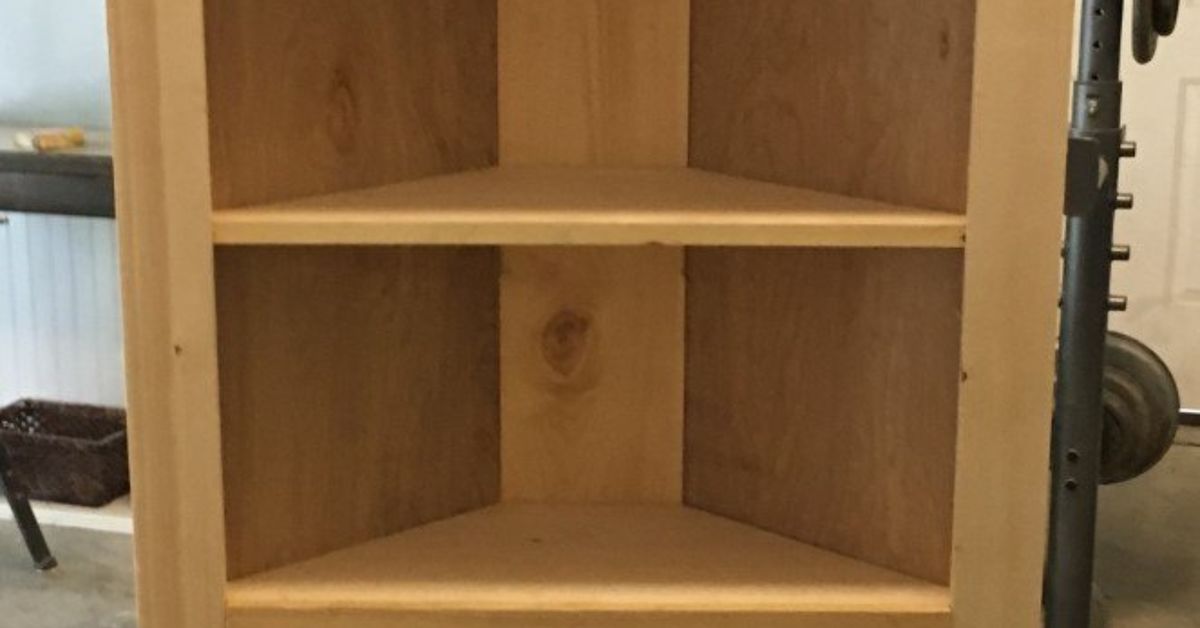
A corner china cabinet is the furniture equivalent of discovering an extra pocket in a jacket you already love. It takes a part of the room that often does absolutely nothingother than collect dust and one ambitious spiderand turns it into useful storage, a display area, and sometimes the visual star of the entire dining room.
Traditional corner china cabinets were closely associated with formal dining spaces, polished wood, glass doors, and carefully arranged dinnerware. Today, the category is much broader. Modern homeowners use corner display cabinets for pottery, barware, books, heirloom dishes, collectibles, and everyday serving pieces. Contemporary display cabinets have also returned to design conversations as people look for furniture that combines personality with practical storage.
Whether you inherited a mahogany cabinet from Grandma, found a suspiciously cheap treasure at an estate sale, or are shopping for a sleek glass-front model, this guide covers how to choose, style, organize, maintain, and actually enjoy a corner china cabinet.
What Is a Corner China Cabinet?
A corner china cabinet is a tall storage and display unit shaped to fit against two adjoining walls. Many models have a triangular, wedge-shaped, or angled footprint. That geometry allows the cabinet to occupy a corner without projecting as far into the room as a large rectangular hutch.
The concept overlaps with the corner curio cabinet. Better Homes & Gardens describes corner curio cabinets as triangular display furniture designed specifically for empty corners, generally using shelves and glass doors to combine storage with visual display.
A china cabinet, however, traditionally emphasizes dinnerware and serving pieces. Common features include:
- Glass-front doors
- Multiple display shelves
- Wood or metal framing
- Interior lighting on some models
- Mirrored or decorative back panels
- Lower drawers or enclosed storage
- Plate grooves or plate-display stands
The difference between a china cabinet and a curio cabinet is increasingly fuzzy. Put wine glasses in it and it becomes bar storage. Add vintage cameras and suddenly it is a collector’s cabinet. Furniture is wonderfully bad at enforcing job descriptions.
Why a Corner China Cabinet Still Makes Sense
It Uses Awkward Space Efficiently
Corners are notoriously underused. A dining table usually belongs near the center of the room, a buffet needs a long wall, and chairs require clearance. A well-proportioned corner china hutch works vertically and can add substantial storage without consuming an entire wall.
This advantage is especially noticeable in smaller dining rooms. Large conventional china cabinets can visually dominate compact spaces, an issue noted in current small-dining-room design guidance. A slimmer corner configuration can be a practical alternative when you want enclosed storage but do not have enough wall length for a broad sideboard or full-size hutch.
It Protects and Displays Dishware
Open shelving is attractive, but it also invites dust to throw a tiny house party on your dinner plates. Glass doors provide visibility while reducing direct exposure to everyday household debris.
A corner cabinet can hold wedding china, crystal glasses, serving bowls, pitchers, cake stands, and seasonal tableware in one location. Glass-front hutches and cabinets remain useful for displaying china sets, while heavier plates and large bowls are often better kept on lower shelves or in lower cabinets.
It Creates a Natural Focal Point
Dining rooms sometimes suffer from what I call “table in a box syndrome.” There is a table. There are chairs. There is a light fixture. Everyone has technically completed the assignment, but the room still looks unfinished.
A contrasting display cabinet can visually ground a dining room. Current designer examples use china cabinets as focal furniture, including dark cabinets that create contrast and make lighter surrounding elements stand out.
How to Choose the Right Corner China Cabinet
Measure the Corner Before Falling in Love
Furniture shopping becomes emotionally complicated when a gorgeous antique cabinet is involved. Please measure first. Your heart may say, “Federal-style masterpiece.” Your doorway may say, “Absolutely not.”
Measure both walls extending from the corner. Then record the available height, baseboard depth, ceiling molding, door swing, window trim, vents, outlets, and nearby furniture clearance.
Also measure the cabinet at its widest points. On vintage furniture, decorative crown molding and projecting feet may extend farther than the main cabinet body.
For an assembled piece, check every doorway, hallway turn, stair landing, and elevator between the delivery vehicle and the final corner. A cabinet that technically fits the dining room is not useful if it becomes the permanent ruler of your front porch.
Think About Scale
A tall, narrow cabinet can help emphasize ceiling height. A shorter cabinet may feel more relaxed and provide a usable top surface for art, a lamp, or decorative objects.
Look at the visual weight of your dining furniture. A massive carved corner cabinet next to a delicate pedestal table may feel unbalanced unless the contrast is intentional. Conversely, a thin metal-and-glass cabinet can disappear beside an oversized farmhouse table.
Modern dining rooms increasingly mix periods, materials, and furniture styles rather than relying on perfectly matched sets. A vintage corner cabinet can therefore work beautifully with contemporary chairs or a simple modern table.
Choose Materials for Your Lifestyle
Solid wood offers natural character and can often be repaired or refinished. Oak, cherry, maple, walnut, pine, and mahogany are common in cabinets from different periods and styles.
Wood veneer can provide beautiful grain at a lower weight or price. Veneer is not automatically a sign of bad furniture; high-quality furniture has used decorative veneers for generations. The key is checking for lifting, bubbling, missing sections, and poorly executed previous repairs.
Composite wood products such as MDF and particleboard are common in contemporary furniture. In the United States, EPA rules cover formaldehyde emissions from regulated hardwood plywood, MDF, and particleboard, as well as applicable finished goods containing those materials. Current products subject to the rule are required to meet TSCA Title VI requirements.
Metal and glass cabinets create a lighter, more contemporary look. They are particularly effective in transitional, industrial, and modern interiors.
Inspect the Glass and Hardware
Open every door. Yes, every single one. The seller may stare at you. Continue bravely.
Doors should operate without excessive binding. Check hinges for loose screws, repaired wood, or missing hardware. Inspect glass for cracks, chips, and movement within the frame.
With an older cabinet, slightly wavy glass or period-style hardware can add character. Replacement glass and knobs are not necessarily deal-breakers, but they may matter if you are evaluating a potentially valuable antique.
Check the Shelves
Confirm that shelves are level, supported, and suitable for what you plan to store. Glass shelves should fit properly and rest securely on appropriate supports.
If you own heavy stoneware or stacks of large dinner plates, do not assume a delicate glass shelf is ready to become a weightlifting champion. Review the manufacturer’s capacity information on newer cabinets. For vintage or unknown pieces, keep heavier objects low and avoid overloading shelves.
Popular Corner China Cabinet Styles
Traditional Wood Cabinets
Traditional cabinets often feature stained wood, crown molding, carved details, arched doors, and brass-tone hardware. Cherry and mahogany-colored finishes are particularly associated with formal dining rooms.
These pieces work naturally in Colonial, Georgian-inspired, traditional, and historic interiors. They can also provide deliberate contrast in a cleaner modern room.
Farmhouse and Cottage Cabinets
Farmhouse designs usually favor painted finishes, beadboard backs, simple hardware, and warm wood accents. White, cream, muted green, and weathered blue are common choices.
A cottage-style cabinet is a natural home for ironstone, transferware, handmade pottery, baskets, and vintage serving dishes. Farmhouse dining examples frequently use wood cabinetry to provide storage while reinforcing a warm, country-inspired atmosphere.
Modern Glass Display Cabinets
Minimal frames and large glass panels reduce visual bulk. Black metal, dark wood, or pale oak frames can work in contemporary spaces.
Mirrored backs can increase brightness and create an impression of depth, while textured or fluted glass offers partial concealment. The recent return of fluted glass in cabinetry reflects its ability to add texture and soften the view of stored objects without completely hiding them.
Antique and Vintage Corner Cabinets
An antique corner cabinet can contribute more than storage. It adds irregularity, age, craftsmanship, and a visible sense of history.
Decorating coverage in recent years has shown renewed interest in antique and vintage furniture, with collectors and younger dealers emphasizing character, personal storytelling, and pieces that feel accumulated rather than purchased as one perfectly coordinated set.
When value matters, avoid aggressive stripping or painting until you understand what you own. A professional furniture specialist or qualified appraiser can help determine whether restoration, conservation, or simple maintenance is appropriate.
How to Style a Corner China Cabinet
Start With a Purpose
Decide what the cabinet is supposed to do. Is it displaying inherited china? Storing everyday dishes? Holding a collection of colorful ceramics? Serving as a home bar?
A defined purpose makes organization easier. Storage experts often recommend assigning a clear function to cabinets before sorting and arranging their contents. The same principle works beautifully for a corner display cabinet.
Use the Triangle Method
No, this does not involve geometry homework.
Place a visually strong object near the upper section, then create two lower points of interest. For example, display a blue-and-white platter high in the cabinet and arrange two groups of coordinating bowls on lower shelves.
This approach moves the eye around the display instead of creating a row of equally important objects shouting, “LOOK AT ME!” at exactly the same volume.
Vary Height and Shape
Combine upright plates with stacked bowls. Add pitchers, cups, glassware, or a small decorative object. Plate stands can help present platters and favorite dishes vertically rather than losing them in horizontal stacks.
Avoid creating identical arrangements on every shelf unless strict symmetry is part of the room’s style. Controlled variation usually feels more natural.
Leave Some Empty Space
Glass cabinets expose everything, including your inability to stop buying novelty mugs.
Editing matters. Empty areas help individual pieces remain visible. Instead of squeezing thirty items onto one shelf, choose a smaller group with complementary colors or shapes.
Rotate seasonal pieces if necessary. Holiday china does not need permanent front-row seating in July unless Santa Claus is genuinely central to your decorating philosophy.
Coordinate With the Cabinet Back
The interior back panel can completely change the appearance of a cabinet. A dark painted back highlights pale ceramics. Wallpaper can add pattern. A mirrored back reflects crystal and glassware.
Updating the interior with paint or removable wallpaper is a recognized way to refresh an older china cabinet without relying solely on the exterior finish.
Smart Organization Inside a Corner China Cabinet
Beautiful storage still needs to function. Otherwise, the cabinet becomes a museum exhibit titled Objects Nobody Is Allowed to Touch.
Keep Frequently Used Items Accessible
Place everyday serving bowls, glasses, and plates between waist and shoulder height. Reserve upper shelves for decorative or rarely used pieces.
Heavy platters, stacks of plates, and large bowls belong lower in the cabinet whenever possible. This arrangement improves accessibility and reduces the consequences of an awkward reach.
Group Similar Objects
Create simple categories such as glassware, tea pieces, serving dishes, and seasonal dinnerware. Groups make the cabinet look intentional and make items easier to return after use.
For deep lower storage, shallow bins or rotating organizers may improve accessibility, depending on shelf shape and dimensions. Corner-cabinet organization guidance frequently emphasizes bringing stored items into view instead of allowing objects to disappear in inaccessible rear areas.
Protect Delicate Pieces
Do not stack fragile china higher than feels stable. Use appropriate felt or soft separators between pieces when scratching is a concern.
Make sure plates displayed vertically are held by stable plate stands or built-in grooves. Avoid leaning heavy platters against unsupported glass.
Where to Place a Corner China Cabinet
The Dining Room
The dining room remains the obvious location because serving pieces stay near the table. A cabinet can fill an otherwise bare corner while connecting visually with the dining furniture.
The Living Room
Use the cabinet for ceramics, books, framed photographs, or collected objects. A traditional piece becomes less formal when it is styled with a broader mixture of personal items.
The Kitchen or Breakfast Area
A small painted corner cupboard can hold mugs, breakfast bowls, tea, and attractive pantry containers. Keep wood furniture away from direct splashing and major heat sources.
A Home Bar Area
Turn the cabinet into glassware storage. Arrange cocktail glasses, decanters, bar tools, and serving pieces. Closed lower storage can hide less glamorous supplies. Every elegant bar needs somewhere to conceal the emergency bottle opener shaped like a flamingo.
Safety: Secure Tall Cabinets Properly
Any tall or top-heavy cabinet deserves a safety review, particularly in homes with children. The U.S. Consumer Product Safety Commission recommends securing top-heavy furniture to the wall with appropriate anti-tip devices. Furniture tip-overs can happen quickly, and CPSC guidance emphasizes installing anchors rather than relying on supervision alone.
Use hardware suitable for the cabinet and wall construction. Follow the furniture manufacturer’s anchoring instructions when available. Drywall, masonry, and wood framing may require different fasteners.
Also avoid placing attractive toys or objects in positions that encourage children to climb furniture. Keep heavy contents lower to improve stability.
How to Clean and Maintain a Corner China Cabinet
Dust Regularly
Use a soft microfiber cloth for exterior surfaces and shelves. Decorative carvings can be cleaned carefully with a soft brush. Current wood-furniture care guidance recommends removing loose debris gently and using minimal moisture around wood surfaces.
Be Careful With Water
When the finish allows damp cleaning, use a lightly dampened cloth and dry the surface promptly. Do not saturate wood. Test any cleaning method in an inconspicuous area first, particularly on vintage finishes.
Avoid assuming that a trendy homemade cleaning mixture is appropriate for every finish. Shellac, lacquer, wax, oil, and modern coatings can react differently to cleaning products.
Control Light and Environmental Extremes
Direct sunlight can affect wood finishes and sensitive displayed objects. Preservation organizations also emphasize limiting intense light and avoiding major environmental fluctuations when caring for furniture and family treasures.
Do not position a valuable antique directly beside a radiator, heating vent, or persistently damp wall. Stable indoor conditions are generally kinder to wood than repeated cycles of extreme dryness and humidity.
Clean the Glass Separately
Spray glass cleaner onto a cloth rather than soaking the cabinet door. This provides more control and reduces the chance of cleaner running into wood joints or onto finished surfaces.
For antique glass or complex leaded panels, use extra caution and seek specialist guidance when the construction or finish is uncertain.
Should You Paint an Old Corner China Cabinet?
Sometimes yes. Sometimes absolutely not. The answer depends on the cabinet.
A mass-produced, damaged, low-value cabinet can be an excellent candidate for a creative makeover. Paint, new hardware, and a patterned interior can transform dated furniture into a modern display piece.
An older handcrafted cabinet with unusual joinery, original hardware, rare materials, or documented history deserves closer examination before you reach for the orbital sander like an action-movie hero.
First inspect the piece for labels, stamps, signatures, construction clues, and previous repairs. Take clear photographs. If the cabinet might have significant historic or monetary value, consult an experienced professional.
For an ordinary makeover project, good preparation usually matters more than choosing the trendiest paint color. Clean the piece appropriately, repair loose components, determine whether sanding or deglossing is suitable, use a compatible primer when required, and allow finishes to cure properly.
My Experience With Corner China Cabinets: What Actually Matters After Living With One
My first strong impression of a corner china cabinet was that it looked much smaller in the room than it did when I was trying to move it through a doorway. This is an important furniture law: all cabinets expand by approximately 40 percent when carried around a tight hallway corner.
Once installed, however, the advantage of the corner shape became obvious. A regular rectangular cabinet would have consumed a useful stretch of wall and interfered with walking space around the dining table. The corner cabinet sat neatly between two walls and gave the room a finished appearance. It filled space that had previously held nothing more useful than a floor lamp and an extension cord I pretended not to see.
The biggest lesson was that styling the cabinet too carefully made it less useful. At first, every cup faced the same direction. Plates were arranged by size. Glasses stood in perfect military formation. It photographed well, but getting a serving bowl required moving three decorative objects and negotiating with a porcelain teapot.
I eventually divided the cabinet into two zones. The upper shelves became the display area. That is where the inherited dishes, a large platter, and a few pieces of colored glass stayed. The lower and middle sections became practical storage for items actually used during dinners.
That small change made the cabinet feel like furniture rather than a shrine.
I also learned that a glass-front cabinet requires editing. When an object is placed behind glass, it somehow gains confidence. A random souvenir bowl that looked harmless in a kitchen cupboard suddenly became extremely noticeable under cabinet lighting.
The solution was not buying more organizers. It was removing things.
I emptied each shelf and selected items based on color, scale, and whether I genuinely enjoyed seeing them. One shelf held mostly white dishes with a dark pitcher for contrast. Another contained glassware. The top shelf displayed three larger pieces rather than fifteen small ones.
The cabinet immediately looked larger and more intentional.
Lighting was another surprise. Interior cabinet lights can create wonderful reflections on glassware, but the wrong light temperature can make warm wood look strangely gray or make cream-colored china appear yellow. A subtle, warm light worked better in a traditional dining room than an intensely bright, cool lamp.
Cleaning also became easier once I stopped overfilling the shelves. Previously, dusting the interior was an archaeological expedition. Every object had to be moved, remembered, and returned to its precise ceremonial coordinates. With fewer pieces, the process became simple enough that I actually did it regularly. Revolutionary concept, I know.
Another practical discovery involved door clearance. The cabinet technically fit the corner, but one door initially opened toward the back of a dining chair. During ordinary meals the chair was fine. When guests pushed the chair backward, opening the cabinet became impossible.
Moving the cabinet only a few inches solved the problem. That experience taught me to evaluate furniture in a room while people are actually using the space. Measurements on paper do not show pulled-out chairs, open doors, holiday serving traffic, dogs sleeping exactly where humans need to walk, or relatives gathering in the kitchen despite being told dinner is in the dining room.
I became more cautious about heavy objects too. A collection of thick ceramic plates looked attractive on an upper shelf, but lifting the entire stack overhead was inconvenient. The heavier pieces eventually moved to the bottom section. Lighter cups and display dishes went above.
That arrangement was safer, easier, and visually better balanced.
Perhaps the most valuable experience was realizing that an inherited corner china cabinet does not have to remain frozen in the decorating style of the person who previously owned it. You can respect a piece without recreating your grandmother’s dining room down to the lace tablecloth and mysterious hard candy.
In one room, a dark traditional cabinet can look fresh beside a simple table and contemporary chairs. In another, painted cabinetry may be the right solution. Sometimes changing the hardware or interior backing is enough. Sometimes the best decision is to leave beautiful old wood alone and simply display modern objects inside it.
A corner china cabinet succeeds when it reflects the life happening around it. The dishes do not need to be priceless. The display does not need professional styling. You should be able to open the door, take out a bowl, use it, and put it back without feeling that you have disturbed a museum exhibit.
After living with one, I understand why these cabinets keep returning to interiors even when design trends declare formal china storage outdated. The best versions solve a genuine spatial problem. They use an ignored corner, protect useful objects, and provide a vertical display surface without demanding a long empty wall.
And perhaps most importantly, they give family dishes somewhere to live besides the cardboard box labeled “FRAGILE!!!” that has followed you through three moves.
Conclusion: Is a Corner China Cabinet Worth It?
A corner china cabinet is worth considering when you need vertical storage, have an unused corner, or want to display tableware and collections without installing built-in cabinetry. The best piece is not necessarily the largest or most expensive. It is the cabinet that fits the room, safely supports your belongings, and matches how you actually live.
Measure carefully, inspect materials and construction, anchor tall furniture when appropriate, and resist the urge to fill every square inch of glass-front storage. Whether your style is traditional, farmhouse, vintage, or modern, a thoughtful corner cabinet can turn dead space into one of the most personal areas of a home.
Use it for china. Use it for pottery. Use it for cocktail glasses. Just promise not to use the upper shelf as permanent storage for instruction manuals from appliances you stopped owning in 2014.