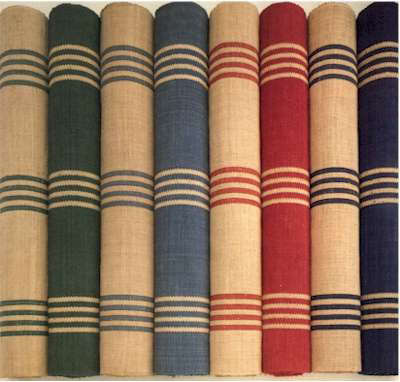
Note: This article is written for web publishing in standard American English, based on real product, material, care, and design information about cotton mats and the Woodard Weave line.
Some home goods shout for attention. Others simply walk into the room, look effortlessly elegant, and make the sofa feel underdressed. Cotton mats from the Woodard Weave line belong to the second group. They are quiet, historic, practical, and just a little bit smug in the best possible waylike a person who owns linen napkins and actually uses them.
At first glance, a cotton mat sounds simple. Cotton. Floor. Done. But the Woodard Weave approach turns that simplicity into a design language. These mats and rugs draw from American flat-woven traditions, especially 19th-century Shaker, Amish, and Pennsylvania weaving influences. The result is a floor covering that feels familiar without being boring, old-fashioned without being dusty, and handcrafted without looking like it was assembled during a thunderstorm in a barn.
What Are Cotton Mats in the Woodard Weave Line?
Cotton mats in the Woodard Weave line are part of a broader collection of classic American woven rugs. The brand is known for hand-woven cotton floor coverings inspired by historic designs. Rather than chasing trends that expire faster than a social media dance, Woodard Weave leans into traditional flat-weave patterns, thoughtful color systems, and a handmade character that feels lived-in from day one.
The keyword here is cotton. Cotton gives these mats a softer, more relaxed personality than many wool, jute, or synthetic rugs. It is comfortable underfoot, approachable in casual rooms, and visually warm without feeling heavy. In a hallway, kitchen, mudroom, bedroom, or sitting area, a cotton mat can make the space feel finished without turning the floor into a formal ceremony.
A Historic Look Without the Museum Rope
Woodard Weave’s identity is closely tied to historic American textile patterns. The line looks back to the kind of flat-woven rugs associated with Shaker, Amish, and Pennsylvania craft traditions. These influences are important because they explain why the patterns feel clean, useful, and balanced. Shaker-inspired design, in particular, is famous for its restraint. It does not ask, “How many decorations can we add?” It asks, “Can this be beautiful because it is useful?”
That is the charm. A Woodard Weave cotton mat does not need a dramatic floral explosion or a 14-color abstract pattern named after a jazz album. Its strength lies in proportion, repeat, stripe, checkerboard, texture, and color contrast. The best designs look calm at first, then slowly reveal their structure. It is floor decor with good manners.
Why Cotton Works So Well for Mats and Rugs
Cotton has a long history in home textiles because it is soft, natural, breathable, and familiar. People understand cotton. We wear it, sleep on it, dry dishes with it, and occasionally shrink it in the dryer while pretending we meant to crop that shirt. In rugs and mats, cotton offers a different set of advantages.
Softness Underfoot
Cotton mats are often more forgiving under bare feet than rougher natural fibers. That makes them appealing in bedrooms, bathrooms, dressing areas, and cozy corners where comfort matters. A flat-woven cotton mat will not feel like a plush shag rug, but it can deliver a smooth, pleasant surface that softens hard floors.
Low-Profile Practicality
Because Woodard Weave designs are rooted in flat-woven traditions, they tend to have a lower profile than thick pile rugs. That matters near doors, in hallways, under furniture, and on stairs. A lower-profile mat is easier to live with because it is less likely to block door clearance or create a bulky edge. In design terms, it behaves itself.
Color That Feels Collected, Not Manufactured
Woodard Weave rugs are associated with hand-dyed yarns and historic color inspiration. That gives the finished mats a softened, organic quality. Instead of colors that look as if they came directly from a highlighter pack, the palette often feels aged, layered, and suitable for homes with antiques, modern furniture, painted floors, natural wood, or all of the above.
Design Style: Where Cotton Mats – Woodard Weave Line Shine
The Woodard Weave cotton mat is not limited to one decorating style. That is one reason designers keep returning to traditional flat-woven rugs. They have enough structure to anchor a room, but they do not dominate the furniture, art, or architecture.
Traditional Homes
In traditional interiors, a cotton mat from the Woodard Weave line feels right at home. Pair it with Windsor chairs, antique pine, painted cabinetry, iron hardware, ticking stripes, or classic white walls. The mat reinforces the room’s heritage character without making it feel staged. It says, “Yes, someone here reads hardcover books,” but not in an intimidating way.
Modern Farmhouse Spaces
Modern farmhouse design can sometimes fall into the trap of too many signs telling you what room you are standing in. A cotton mat is a better choice. In an entryway or kitchen, a striped or checkerboard cotton mat adds warmth and pattern without shouting “gather” at innocent guests. It brings authenticity to spaces that rely on natural materials, painted wood, stone, and simple lines.
Contemporary Rooms
Surprisingly, historic-inspired cotton mats can look excellent in contemporary interiors. The contrast is the trick. A clean-lined sofa, sculptural lamp, or minimalist dining area can benefit from a woven mat with old-world texture. The rug adds human touch to a space that might otherwise feel a little too perfect, like nobody is allowed to eat crackers there.
Layered, Collected Interiors
If your home includes a mix of vintage pieces, family furniture, flea-market finds, and one mysterious chair nobody remembers buying, Woodard Weave-style cotton mats can help unify the room. Their patterns are strong enough to hold their own, but familiar enough to blend with many design periods.
Best Places to Use a Cotton Mat
A cotton mat is versatile, but placement matters. The right location lets the weave, scale, and material work with your lifestyle instead of against it.
Entryways
An entryway cotton mat creates an immediate sense of welcome. Choose a pattern that can visually forgive footprints, dust, and the occasional leaf that rides in like it owns the place. A rug pad is especially important here because entryways are high-traffic zones.
Kitchens
Cotton mats are a natural fit for kitchens, especially in front of the sink, along a galley layout, or near a prep area. A flat-woven cotton runner can soften long stretches of flooring and add warmth to cabinetry. Just remember that kitchens are spill theaters. Coffee, olive oil, tomato sauce, and gravity all have speaking roles, so prompt spot cleaning is your friend.
Bedrooms
Beside the bed, cotton mats offer softness without bulk. They work well when you want a relaxed look rather than a large formal rug. A pair of small mats on either side of a bed can create symmetry, while a longer runner adds an elegant, tailored line.
Bathrooms and Dressing Areas
In dry bathroom zones or dressing spaces, cotton mats can add warmth and texture. However, cotton absorbs moisture, so avoid leaving a cotton mat damp. Good ventilation matters. A mat that stays wet is not a design feature; it is a tiny weather system.
Stair Runners and Hallways
Woodard Weave also has relevance for runners, including stair and hallway applications. In these areas, professional measuring and installation are important. A beautiful runner is wonderful; a loose runner on stairs is a slapstick routine nobody requested.
How to Choose the Right Woodard Weave Cotton Mat
Choosing a cotton mat is part design decision, part practical calculation, and part emotional reaction when you see the pattern and say, “That one. Obviously.” Still, a few guidelines help.
Start With Size
Measure the area carefully. For entryways, leave enough floor visible around the mat so it looks intentional. For hallways, choose a runner width that allows a border of flooring on both sides. For kitchens, make sure the mat does not interfere with appliance doors, cabinet clearance, or the person who opens the refrigerator every six minutes to see if snacks have evolved.
Think About Pattern Scale
Small-scale patterns feel subtle and traditional. Larger checks, bold stripes, or strong borders make more of a statement. In a small room, a confident pattern can add energy. In a busy room, a calmer pattern may be easier to live with.
Match Color to Real Life
Light cotton mats can look airy and fresh, but they may show dirt more quickly in high-traffic spots. Deeper tones, muted stripes, and mixed-color patterns are often more forgiving. If you have pets, kids, muddy shoes, or a household member who treats the kitchen like a competitive cooking arena, choose accordingly.
Use a Rug Pad
A rug pad is not glamorous, but neither is slipping across the floor while holding soup. Rug pads help reduce movement, improve comfort, protect flooring, and support the mat’s longevity. For stair runners, professional installation and appropriate padding are especially important.
Care and Cleaning Tips for Cotton Mats
Cotton rugs and mats are approachable, but they still deserve proper care. The goal is to preserve the weave, color, shape, and texture for years of use.
Vacuum Gently and Regularly
Regular vacuuming removes grit before it settles into the weave. Use suction rather than aggressive brush settings when possible, especially on flat-woven or handmade pieces. Dirt acts like sandpaper over time, so getting it out early is a small habit with a big payoff.
Blot Spills Immediately
When spills happen, blotdo not scrub. Scrubbing can push liquid deeper into the cotton and distort the weave. Use a clean, absorbent cloth and work from the outside of the spill toward the center. This keeps the stain from auditioning for a larger role.
Avoid Excess Moisture
Cotton is absorbent, which is useful in towels but more complicated in rugs. Avoid soaking a cotton mat unless the manufacturer’s care instructions specifically allow washing. Too much water can affect shape, dyes, and drying time. If a rug becomes wet, dry it thoroughly and quickly in a well-ventilated area.
Rotate the Mat
Sunlight, foot traffic, and furniture placement can create uneven wear. Rotating the mat every few months helps distribute use and preserve the overall appearance. This is especially useful in rooms with strong natural light or heavily traveled paths.
Consider Professional Cleaning
For valuable, handmade, vintage-inspired, or custom cotton rugs, professional cleaning is often the safest choice. A cleaner experienced with natural fiber and handwoven rugs can help protect dyes, edges, fringe, and structure.
Cotton Mats vs. Other Rug Materials
Every rug material has a personality. Wool is the dependable overachiever. Jute is the earthy minimalist who drinks tea from handmade mugs. Synthetic fibers are the practical friend who owns stain remover in bulk. Cotton sits somewhere friendly and flexible in the middle.
Cotton vs. Wool
Wool is durable, naturally resilient, and excellent for many high-traffic rooms. Cotton is usually lighter in feel and often more casual. If you want softness, heritage pattern, and a relaxed flat-weave style, cotton is a strong contender. If you need maximum long-term resilience in a very busy room, wool may be worth considering.
Cotton vs. Jute or Sisal
Jute and sisal offer beautiful natural texture, but they can feel rougher underfoot and may be sensitive to moisture. Cotton tends to feel softer and more textile-like. It also accepts color and pattern beautifully, which is one reason historic-inspired cotton mats can feel so decorative without being fussy.
Cotton vs. Synthetic Rugs
Synthetic rugs can be durable, stain-resistant, and budget-friendly. Cotton offers a natural fiber appeal and a softer, more traditional hand. For homeowners who prefer natural materials and handmade character, cotton has a warmth that synthetic fibers often try to imitate but do not always achieve.
Why the Woodard Weave Line Feels Special
The Woodard Weave line stands out because it is not just selling a surface to cover the floor. It is preserving a design vocabulary. Its patterns connect to American weaving history, and its handmade construction gives each piece a sense of character. Small imperfections are not flaws in this context; they are part of the charm. A handmade textile should not look like it was printed by a machine with control issues.
The brand’s long history also matters. Woodard Weave was created in the early 1980s by Thomas Woodard and Blanche Greenstein, with a focus on traditional American woven rugs. More recently, the line entered a new chapter under designer David Netto, who helped keep the brand alive rather than letting it disappear. That continuity gives the collection added meaning for people who care about design heritage.
For homeowners, this means a Woodard Weave cotton mat can be more than a quick decor purchase. It can be a long-term design pieceone that works in old houses, new houses, city apartments, country homes, and interiors that refuse to pick just one category.
Buying Tips Before You Commit
Before choosing a cotton mat from the Woodard Weave line, think beyond the prettiest pattern. The prettiest pattern is important, of course. We are only human. But the smartest purchase balances beauty with scale, maintenance, placement, and lifestyle.
Ask About Custom Options
Woodard Weave has offered standard sizes, runners, area rugs, and special-order options. Custom sizing can be helpful when dealing with unusual hallways, historic homes, staircases, or rooms where standard rug sizes behave like they have never seen architecture before.
Review Edge Finishes
Details such as fringe, binding, or finished edges affect the look and function of a mat. Fringe can feel traditional and charming, while binding may create a cleaner and more tailored appearance. In high-traffic areas, edge treatment is not just decorative; it can influence durability.
Plan for Maintenance
If the mat will live in a busy entryway, choose a pattern and color that can handle real life. If it will sit beside a bed, you can go lighter, softer, and more delicate. The best rug is not the one that looks perfect in a photo. It is the one that still looks good after Tuesday happens.
of Real-Life Experience: Living With Cotton Mats – Woodard Weave Line
Living with a cotton mat in the Woodard Weave style is a little like living with a well-made wooden chair. At first, you notice the design. Then, after a few weeks, you notice how naturally it becomes part of the room. It stops feeling like “the new rug” and starts feeling like the thing that was always supposed to be there.
In an entryway, the biggest surprise is how much warmth a cotton mat can add without making the space feel decorated to death. Many foyers are full of hard surfaces: wood floors, painted trim, mirrors, umbrella stands, and the occasional pile of shoes pretending to be a sculpture. A woven cotton mat softens all of that. The room feels less echoey and more welcoming. Guests may not say, “What a historically inspired flat-woven cotton mat,” because most guests are normal people. But they will feel that the space is finished.
In a kitchen, the experience becomes more practical. A cotton runner near the sink makes standing more comfortable and adds pattern to what can otherwise be a cabinet-heavy room. The trick is choosing the right color. A pale mat in a kitchen can be gorgeous, but it requires a household that behaves. Many households do not behave. A striped, mixed-tone, or darker cotton mat is more forgiving when crumbs, coffee drops, and mystery specks appear. And they will appear. Kitchens are where ingredients go to express themselves.
One of the best things about a Woodard Weave-style cotton mat is how it works with both old and new furniture. Place one near antique case goods and it feels historically appropriate. Put one under a modern bench or beside a sleek bed and suddenly the room has texture and soul. It prevents contemporary interiors from looking too showroom-perfect. A little woven irregularity can make a room feel human.
There is also a tactile pleasure to cotton. It does not have the scratchy firmness of some plant-fiber rugs, and it does not carry the formal mood of certain wool carpets. It feels casual, useful, and friendly. That makes it especially appealing in homes that are designed to be lived in, not merely photographed while everyone stands outside holding their breath.
The main lesson from living with cotton mats is simple: maintenance should be routine, not dramatic. Vacuum regularly. Blot spills quickly. Rotate the mat. Use a rug pad. Do not let moisture linger. These small habits keep the mat from aging too quickly. Cotton is forgiving, but it is not magic. Treat it with basic respect and it rewards you with comfort, color, and character.
Over time, the mat may develop a softer presence. That is part of the appeal. Unlike ultra-slick decor that looks best only on delivery day, a well-chosen cotton mat can become more charming as the room settles around it. It collects context. It remembers seasons, shoes, pets, parties, and quiet mornings. And unlike many trendy home accessories, it does not beg to be replaced when the algorithm changes its mind.
Conclusion: A Small Mat With a Big Design Memory
Cotton mats from the Woodard Weave line are proof that practical pieces can still carry depth, history, and design intelligence. They bring together natural cotton, handwoven character, historic American pattern inspiration, and the everyday usefulness homeowners actually need. Whether used in an entryway, kitchen, bedroom, hallway, or carefully planned stair runner, these mats offer a rare balance: simple enough to live with, distinctive enough to remember.
For anyone who loves classic interiors, authentic materials, and rugs that do not scream for attention, the Woodard Weave cotton mat is a smart choice. It is not a trend piece. It is a long-game piece. And in a world full of disposable decor, that feels refreshingly grown-upwith just enough charm to keep things interesting.