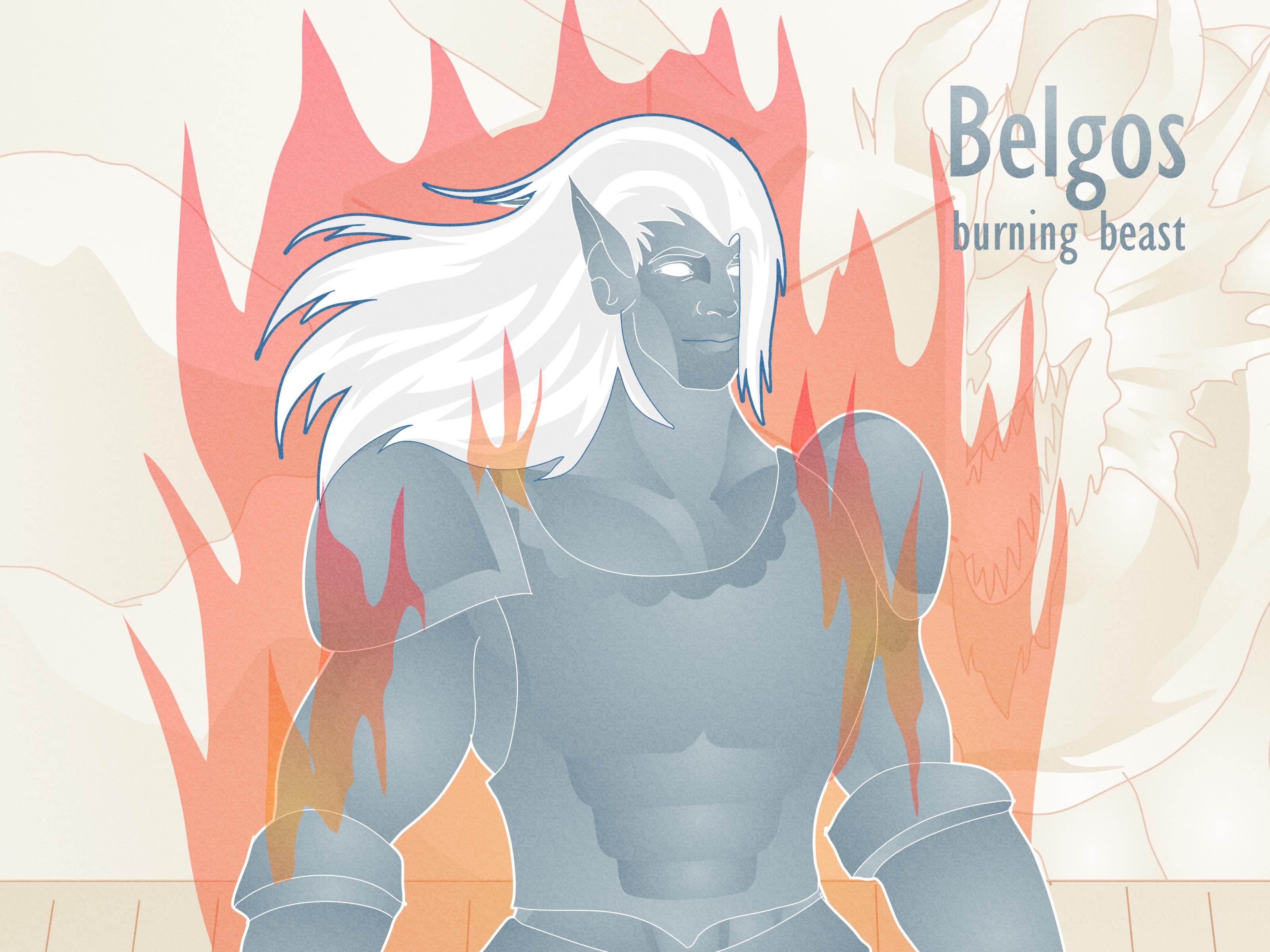
Choosing a dark elf name should feel like opening a velvet-lined dagger case: elegant, dangerous, and just dramatic enough to make everyone at the table lean forward. Whether you are building a Dungeons & Dragons drow rogue, a brooding fantasy novel villain, a Skyrim-inspired Dunmer mage, or an original underground noble with too many secrets and not enough sunlight, the right name does half the storytelling before your character even speaks.
A good dark elf name generator is not just a random syllable blender wearing a black cloak. The best names follow patterns. Drow names often sound sharp, graceful, and slightly threatening, with apostrophes, sibilant sounds, and noble house surnames. Dunmer-style dark elf names, especially those inspired by The Elder Scrolls, tend to feel smoky, ancient, and clan-based, with names that belong in volcanic ash, mushroom towers, and political grudges aged for three centuries.
This guide gives you a practical, lore-friendly way to generate dark elf and drow names that sound memorable without becoming keyboard accidents. You will find naming rules, examples, meanings, house names, character ideas, and a full hands-on section based on real roleplaying and writing experience. Let’s descend into the Underdark, bring a lantern, and pretend the spider goddess is not reading over our shoulder.
What Makes a Great Dark Elf or Drow Name?
A dark elf name should suggest mystery, refinement, danger, and identity. Unlike cheerful tavern names such as “Boblin the Goblin,” a drow name usually carries weight. It may hint at family rank, magical talent, exile, cruelty, rebellion, religious devotion, or survival in a hostile underground society.
In Dungeons & Dragons, drow are strongly associated with the Underdark, noble houses, intrigue, priestesses, assassins, and the Spider Queen Lolth. Many famous drow names, such as Drizzt Do’Urden, Jarlaxle Baenre, Quenthel Baenre, and Viconia DeVir, combine musical elven sounds with harder edges. They often include apostrophes, double consonants, or endings that feel ancient and aristocratic.
In The Elder Scrolls, dark elves are usually called Dunmer. Their names have a different flavor: ashlandic, political, and ancestral. Names like Neloth, Naryu Virian, Teldryn Sero, Divayth Fyr, Barenziah, and Voryn Dagoth feel less like spider-silk nobility and more like old houses, volcanic islands, and magical grudges that survived several empires.
So before you click a generator or start inventing syllables, decide which dark elf flavor you want: drow, Dunmer, or your own custom fantasy culture.
How to Use This Dark Elf Name Generator Method
You can create a strong dark elf name by combining three simple parts: a first name, a surname or house name, and a meaning or character hook. This method works for tabletop RPGs, video game characters, fantasy novels, web fiction, and NPCs your players will absolutely mistrust even when they are helping.
Step 1: Pick the Name Style
Choose one of these styles before generating names:
- Drow style: elegant, sharp, aristocratic, often tied to houses and the Underdark.
- Dunmer style: smoky, ancient, clan-based, and inspired by ash, magic, honor, and politics.
- Original dark elf style: flexible fantasy naming with darker vowels, crisp consonants, and symbolic meanings.
Step 2: Choose a Sound Pattern
Drow names often use sounds such as z, x, v, th, ss, r, l, ae, il, ir, yn, ara, dra, zyn, pha. Dunmer-style names often use v, r, th, s, n, ary, eth, rel, fyr, sero, vayn, thil. These sounds give the names their fantasy flavor without making them impossible to pronounce.
Step 3: Add a Surname or House Name
A surname can instantly create backstory. A noble drow house name might sound like Vel’Zareth, Do’Varyn, or Xil’reth. A Dunmer-style family name might sound like Seran, Varyn, Dreloth, or Aravel. If your character is an exile, a house name can also become emotional baggage. Nothing says “healthy childhood” like being hunted by your own family.
Dark Elf Name Ideas by Category
Below are original dark elf and drow name examples you can use directly or modify. Each name is designed to sound fantasy-friendly, readable, and useful for games, stories, and character sheets.
Male Drow Names
- Vaerith Xil’reth a quiet swordmaster from a fallen house.
- Zynro Veyl a spy who smiles only when lying.
- Ryldan Do’Varyn a noble-born warlock with family problems the size of a cavern.
- Thaldrin Baelith a scholar of forbidden runes.
- Malzeth Orlyndar a commander with a talent for surviving betrayals.
- Jhaelor Vraez a charming duelist with three fake names.
- Ilzryn Mael’dras a priest’s son who fled the temple.
- Vornith Xarann a mercenary captain who never removes his gloves.
Female Drow Names
- Shalara Veszryn a matron-in-training with a smile like a trapdoor.
- Zilvra Do’Melarn a poisoner, diplomat, and professional grudge collector.
- Alythrae Xorlith a priestess who speaks softly and ruins kingdoms.
- Viconelle Duskryn a renegade healer traveling the surface world.
- Faeryn Bael’ar a noble mage obsessed with moonless skies.
- Quilrae Velkyn an assassin who writes poetry no one survives to review.
- Ilvara Zauvirr a commander of scouts and spiders.
- Nymrae Tlabryn a bard who knows the wrong secrets about everyone.
Gender-Neutral Dark Elf Names
- Veyrin Sableth perfect for a mage, rogue, or wandering exile.
- Zaelith Morvayn elegant and mysterious without being overcooked.
- Thiryn Vel short, sharp, and easy to remember.
- Ravys Drel good for a scout, scholar, or cursed noble.
- Xyrel Ombrin ideal for a shadow sorcerer or spy.
- Maeryn Voss simple, flexible, and strong for long campaigns.
Dunmer-Inspired Dark Elf Names
- Sereth Varyn an ashland wanderer with a practical attitude and excellent boots.
- Nalara Dreloth a Telvanni-style mage who considers ethics a committee issue.
- Varyn Sero a sellsword with old family debts.
- Dravyn Aravel a noble clerk who knows where the bodies and tax records are buried.
- Ravani Morvayn a warrior of a proud ancestral house.
- Teldra Velas a fire mage with a dry sense of humor.
- Favel Indaryn a temple agent with too many coded letters.
- Llervu Sadras an ambitious councilor who never attends a meeting unarmed.
Dark Elf House Names and Surnames
House names are especially useful for drow characters because drow society is often built around noble families, ranking, rivalry, and divine favor. A house name can say, “I come from power,” “I escaped power,” or “Power is chasing me through three tunnels and a fungus forest.”
Drow House Name Ideas
- House Vel’Zareth known for spies, illusionists, and blackmail.
- House Do’Varyn a military house with rigid traditions.
- House Xil’reth priestesses, prophecy, and spider iconography.
- House Mael’dras demonologists and forbidden magic.
- House Tlabryn merchants, poisoners, and “perfectly legal” contracts.
- House Veszryn assassins who specialize in quiet succession disputes.
- House Orlyndar old wealth, older tunnels, and ancient enemies.
Dunmer-Style Family Names
- Varyn strong for warriors, nobles, or mercenaries.
- Dreloth fitting for mages, scholars, and political families.
- Morvayn dignified, ancestral, and serious.
- Aravel elegant and adaptable for many roles.
- Velas short, memorable, and good for player characters.
- Sadras ideal for a newer house or ambitious family.
- Indaryn ancient-sounding and suitable for temple or noble backgrounds.
Dark Elf Name Meanings and Character Hooks
A name becomes stronger when it connects to a story. You do not need a literal dictionary meaning, but a symbolic meaning gives the character texture. Think of it as seasoning. Too little and the name is bland; too much and suddenly your rogue is named “Shadow Deathblade Nightmurder,” and everyone needs a snack break.
| Name | Suggested Meaning | Best Character Type |
|---|---|---|
| Vaerith Xil’reth | Silent blade of the hidden house | Rogue, fighter, assassin |
| Shalara Veszryn | Grace beneath the spider moon | Cleric, noble, priestess |
| Zaelith Morvayn | Ash-born seeker | Wizard, exile, scholar |
| Thiryn Vel | One who walks between shadows | Ranger, scout, spy |
| Nalara Dreloth | Keeper of old fire | Mage, alchemist, sage |
Tips for Creating Lore-Friendly Drow Names
Use Apostrophes Carefully
Apostrophes can make drow names feel authentic, but too many will make the name look like it lost a fight with punctuation. One apostrophe in a surname is usually enough: Do’Varyn, Xil’reth, Mael’dras. A name like Z’x’ael’thryn’zz may be powerful, but your Dungeon Master will quietly rename that character “Zack.”
Balance Beauty and Threat
Dark elf names work best when they are both graceful and dangerous. Try pairing soft sounds with sharp ones: Alythrae, Vaerith, Zilvra, Thaldrin. This gives the name an elven elegance while keeping the darker edge associated with drow and shadow elves.
Match the Name to the Role
A priestess might need a formal, commanding name such as Alythrae Xorlith. A runaway ranger might use a shorter name like Thiryn Vel. A noble villain can carry a heavier house surname. A surface-world exile may drop the house name altogether to avoid awkward family reunions involving crossbows.
Make It Pronounceable
The best fantasy names survive being spoken aloud. Before you commit, say the name three times. If it sounds dramatic, keep it. If it sounds like sneezing into a spellbook, simplify it.
Quick Dark Elf Name Generator Formula
Use these building blocks to create your own names instantly.
First Name Prefixes
Aly, Vaer, Zil, Thal, Il, Mal, Nym, Xyr, Rav, Shal, Drav, Teld, Ser, Vel, Faer
First Name Endings
-ith, -rae, -ryn, -drin, -vra, -lara, -zeth, -wyn, -raen, -eth, -oth, -ani, -as
Surname Prefixes
Do’, Xil’, Vel’, Mael’, Vesz, Bael, Mor, Drel, Ar, Ind, Sad, Sero
Surname Endings
-reth, -varyn, -dras, -ryn, -lith, -vayn, -oth, -avel, -as, -aryn, -ar
Now combine them. Vaer + ith becomes Vaerith. Do’ + Varyn becomes Do’Varyn. Congratulations, you have created Vaerith Do’Varyn, who almost certainly owns a cloak, a secret, and a deeply suspicious smile.
Best Dark Elf Names for Different Character Classes
Rogue and Assassin Names
Zynro Veyl, Quilrae Velkyn, Thiryn Vel, Vaerith Xil’reth, and Nymrae Tlabryn all work well for stealthy characters. Shorter names are easier to whisper, which is important when your character’s main hobby is not being seen.
Wizard and Warlock Names
Thaldrin Baelith, Nalara Dreloth, Ilzryn Mael’dras, and Faeryn Bael’ar have a magical tone. They sound like characters who own forbidden books and insist the glowing skull is “mostly harmless.”
Cleric and Priestess Names
Alythrae Xorlith, Shalara Veszryn, and Ilvara Zauvirr fit religious or noble dark elves. These names feel ceremonial and powerful, especially for characters connected to temples, prophecy, spiders, ancestral spirits, or divine politics.
Ranger and Exile Names
Veyrin Sableth, Sereth Varyn, Maeryn Voss, and Ravys Drel are strong choices for dark elves who left home behind. These names are less ornate, making them ideal for wanderers, scouts, monster hunters, and reluctant heroes.
Common Mistakes When Naming a Dark Elf
The first mistake is making the name too complicated. A dark elf name can be exotic without becoming unreadable. The second mistake is copying famous names too closely. A character named Drizzzzt Do’Urdden is not mysterious; he is a copyright goblin in a wig. Take inspiration from classic drow and Dunmer naming patterns, but create something new.
The third mistake is ignoring the character’s culture. A noble drow priestess, a Dunmer ashlander, and a surface-born dark elf bard should not all sound identical. Their names should reflect where they come from, what they believe, and how they want others to see them.
The fourth mistake is choosing a name with no practical use. If the name looks good but nobody can say it, shorten it or give the character a nickname. Even the most terrifying matron mother benefits from branding.
Personal Experience: What Actually Works When Naming Dark Elves
After creating dark elf characters for tabletop campaigns, fantasy drafts, and game-style worldbuilding, I have learned one reliable truth: the best name is the one that makes you want to write the next scene. A technically “perfect” name means very little if it does not spark character ideas. A strong dark elf name should make you wonder: Who betrayed them? What house claims them? What secret do they carry? Why do they look so calm while everyone else is panicking?
For player characters, I prefer names with two or three syllables in the first name and a slightly more elaborate surname. Vaerith Do’Varyn is easier to use at the table than Vaerithzael’quorlith Do’Varyndrazzan, even if the second one looks like it could summon a bat-shaped tax attorney. Players and Dungeon Masters repeat names constantly, so clarity matters. If a name can be shouted during combat and whispered during intrigue, it is probably a keeper.
For villains, I like names that sound formal. A villain named Matron Shalara Veszryn already feels like someone with a throne room, a private chapel, and a very specific policy about failure. Adding a title can make the name stronger: Archmage Thaldrin Baelith, Blade-Captain Zynro Veyl, or Exile Nalara Dreloth. Titles create instant context without dumping three paragraphs of lore onto the reader.
For novels and longer stories, I recommend building small naming families. Give one noble house a shared sound. For example, House Vel’Zareth might include Shalara, Zareth, Velrae, and Zaelith. Another house, like House Mael’dras, might use harsher names such as Malzeth, Ilzryn, and Draevos. Readers may not consciously notice the pattern, but they will feel it. The world becomes more coherent.
For Dunmer-style names, I have found that restraint works beautifully. Names like Sereth Varyn or Teldra Velas feel grounded because they are not overloaded with apostrophes or theatrical darkness. Dunmer-inspired names often work best when they sound like real family names from a very old, very proud, very argumentative culture. Add references to ash, ancestors, houses, temples, or old debts, and suddenly the name feels lived-in.
One of my favorite tricks is to create three versions of a name: a birth name, a public name, and a feared name. For example, Alythrae Xorlith might be her birth name, Lady Xorlith her public name, and The Widow of the Ninth Web the name enemies whisper. This approach is especially useful for drow because identity, rank, and reputation are so important to their stories.
If you are naming a dark elf for a game, choose something you enjoy saying. If you are naming one for fiction, choose something that supports the story’s tone. If you are naming one for a generator tool, give users variety: elegant names, harsh names, noble names, exile names, and simple names. Not every dark elf needs to sound like they were personally embroidered onto a cursed banner. Some just need a strong, memorable identity and a reason to step out of the shadows.
Conclusion
A great dark elf name generator does more than produce pretty fantasy syllables. It helps create identity, culture, mood, and story. Drow names tend to feel elegant, dangerous, and political, with strong ties to houses, the Underdark, and religious intrigue. Dunmer-style names feel older, ashier, and more ancestral, perfect for characters shaped by clans, magic, exile, and memory.
The best dark elf names are readable, pronounceable, and meaningful. Use sharp consonants, graceful vowels, symbolic surnames, and character hooks. Decide whether your dark elf is a noble, priestess, rogue, exile, scholar, warrior, or reluctant hero. Then choose a name that sounds like it belongs to that life.
And remember: if your new drow name makes your friends suspicious before your character says a single word, you have done excellent work.
Note: All sample names in this article are original creations designed for inspiration. They are suitable for personal characters, tabletop campaigns, creative writing, and fantasy worldbuilding.