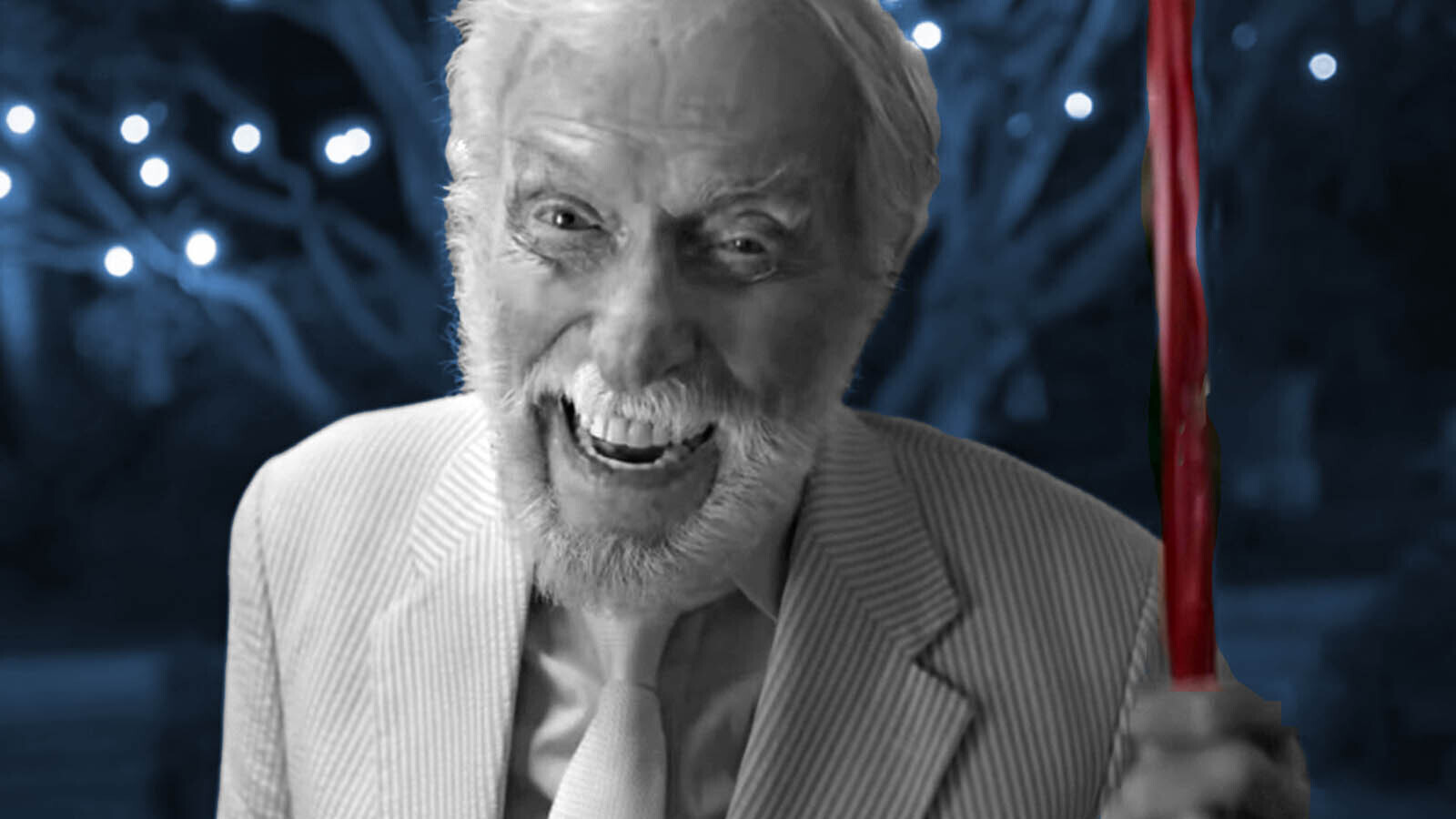
Dick Van Dyke did not merely make people laugh; he made laughter look like a craft, a dance step, and sometimes a controlled fall over an ottoman. Across stage, television, film, variety, and late-career guest appearances, Van Dyke built one of the most durable comedy legacies in American entertainment. His timing was sharp, his body moved like punctuation, and his smile had the rare ability to make a punchline feel like an invitation rather than a performance.
For generations of comedians, writers, actors, dancers, and sitcom creators, Dick Van Dyke became a living lesson in how to be funny without being cruel, silly without being careless, and wholesome without being dull. From The Dick Van Dyke Show to Mary Poppins, from Broadway to television specials, his influence stretches far beyond nostalgia. He helped define what American comedy could sound like, move like, and feel like when intelligence met joy.
The Making of an American Comedy Original
Born Richard Wayne Van Dyke on December 13, 1925, in West Plains, Missouri, and raised largely in Danville, Illinois, Van Dyke entered entertainment through the old-school route: radio, nightclubs, live performance, television, and theater. That background mattered. Before comedy became a clip, a meme, or a streaming category, it was a live exchange between performer and audience. Van Dyke learned to read a room, adjust his rhythm, and make silence as useful as a punchline.
His early career included work as a radio announcer and as part of a comedy duo before he found broader success on television and Broadway. In 1960, he starred as Albert Peterson in the original Broadway production of Bye Bye Birdie, a role that helped establish him as a musical comedy performer with spring-loaded charm. He won a Tony Award for the performance, proving that his talent was not limited to pratfalls and television smiles. He could sing, dance, act, and land a joke while looking as if he had just wandered into the scene by delightful accident.
Why The Dick Van Dyke Show Changed Television Comedy
If one project turned Dick Van Dyke from a talented performer into a comedy institution, it was The Dick Van Dyke Show. Created by Carl Reiner, the CBS sitcom ran from 1961 to 1966 and followed Rob Petrie, a television comedy writer, as he moved between the workplace chaos of a writers’ room and the domestic comedy of home life with his wife Laura Petrie, played by Mary Tyler Moore.
The show was clever in a way that still feels modern. It was not built only on one-liners. It found comedy in marriage, parenting, creative work, ego, embarrassment, and the small disasters that happen when adults try to appear more competent than they feel. Rob Petrie could be confident at work and completely undone by a household mishap. That tension gave Van Dyke room to do what he did best: combine verbal wit with physical vulnerability.
Rob Petrie: The Funny Man Who Was Allowed to Be Human
Rob Petrie was not a clown in the simple sense. He was smart, talented, affectionate, and occasionally ridiculous. Van Dyke understood that the funniest person in the room does not always have to dominate the room. Sometimes the funniest person is the one trying very hard not to fall apart while everyone watches.
That approach influenced generations of sitcom performers. You can see echoes of Rob Petrie in later television characters who balance professional competence with personal awkwardness. The formula is familiar now: the capable adult who becomes hilariously fragile under pressure. But Van Dyke helped make that rhythm feel natural. He showed that a lead comedy character could be charming without being smug, anxious without being pathetic, and physical without becoming cartoonish.
The Writers’ Room as a Comedy Playground
The workplace scenes on The Dick Van Dyke Show also helped popularize the idea that comedy writing itself could be funny. Rob, Buddy Sorrell, and Sally Rogers created a fictional writers’ room that let audiences peek behind the curtain. Jokes did not simply appear; they were argued over, sharpened, rejected, and rescued. This made the show especially meaningful for future comedy writers, because it treated joke-making as both a profession and a form of controlled chaos.
For anyone who has ever tried to write a funny line and ended up staring at a blank page like it owes them money, the show still feels painfully accurate. It respected comedy as labor while keeping the labor light enough to enjoy.
The Art of Physical Comedy Without Desperation
Dick Van Dyke’s physical comedy is often described as loose-limbed, elastic, or rubbery, but those words only partly capture it. The real genius was control. His falls, stumbles, double takes, and dance-like reactions looked spontaneous, yet they were clearly shaped by discipline. A great physical comedian makes the audience think, “Oh no!” and “Do it again!” at the same time. Van Dyke could do exactly that.
His famous trip over the ottoman in the opening credits of The Dick Van Dyke Show remains a perfect example. It is simple, readable, and instantly memorable. No explanation is needed. The body tells the joke. More importantly, the joke tells us something about Rob Petrie: he is graceful enough to recover, unlucky enough to trip, and good-natured enough to survive the embarrassment.
That blend influenced comedy minds who understood that physical humor is not about flailing wildly. It is about intention. A fall is funnier when the audience knows what the character wanted to do instead. Van Dyke always let us see the plan before the plan failed.
Mary Poppins and the Joy of Musical Comedy
In 1964, Van Dyke reached a new global audience as Bert in Disney’s Mary Poppins. Playing a cheerful chimney sweep, sidewalk artist, and all-purpose London optimist, he helped turn the film into one of the most beloved musicals in movie history. His dancing in “Step in Time” remains a master class in joyful athleticism, and his chemistry with Julie Andrews gave the film a warmth that still travels across generations.
Yes, his Cockney accent has been teased for decades, and fairly so. It wanders around England like a tourist with no map and very confident shoes. But the reason audiences still love Bert is not linguistic accuracy. It is spirit. Van Dyke played the character as a man who understood that imagination could lift a hard day off the ground. That quality made Bert more than comic relief; he became a symbol of playful resilience.
For comedians and performers, Bert offered another lesson: technical perfection is not always what audiences remember most. They remember energy, warmth, rhythm, and sincerity. Van Dyke made joy look active. He did not simply smile at the camera; he moved happiness through the frame.
From Chitty Chitty Bang Bang to Family Entertainment Icon
Van Dyke continued his musical-comedy legacy with Chitty Chitty Bang Bang in 1968, playing inventor Caractacus Potts. The role fit his screen personality beautifully: inventive, slightly chaotic, tender, and endlessly animated. Like Bert, Caractacus was a grown man who had not lost contact with wonder. That became one of Van Dyke’s signature gifts. He could play adults who carried childlike imagination without seeming childish.
This distinction is important. Many performers can act silly. Fewer can make silliness feel wise. Van Dyke’s best characters often suggested that play is not the opposite of maturity. It is one of the ways people survive disappointment, uncertainty, and ordinary life. That message helped make him a lasting influence in family entertainment, where humor must reach children without boring adults into the nearest snack cabinet.
A Comedy Style Built on Kindness
One reason Dick Van Dyke inspired generations of comedy minds is that his comedy rarely punched downward. He was not known for humiliation as a primary engine. His humor came from embarrassment, optimism, confusion, timing, movement, and human imperfection. He made himself the target often enough that audiences trusted him.
That trust matters. The best clean comedy is not comedy with the interesting parts removed. It is comedy that finds sharper tools than cruelty. Van Dyke’s work reminds performers that a raised eyebrow, a delayed reaction, or a perfectly timed stumble can be funnier than an insult. His style gave later comedians permission to be generous, warm, and still brilliantly funny.
His Influence on Sitcom Acting
Modern sitcom acting owes a great deal to Van Dyke’s balance of theatricality and naturalism. He came from live performance, but on television he learned to scale his energy so that it worked in a living room. He could be broad without breaking the world of the scene. That is harder than it looks. Too little energy and the joke dies quietly. Too much and the character becomes a marching band in a kitchen.
Van Dyke found the middle. He let Rob Petrie behave like a real person whose emotions occasionally borrowed choreography from vaudeville. That style helped bridge older performance traditions and modern television comedy. Slapstick, musical comedy, sketch rhythm, and domestic realism all lived together in his work.
Later sitcom stars learned from this balance. Whether they studied him directly or absorbed the grammar he helped popularize, they inherited a template: move with purpose, react honestly, keep the character grounded, and never be afraid to look foolish if the foolishness reveals truth.
The Carl Reiner Connection
No discussion of Van Dyke’s comedy legacy is complete without Carl Reiner. Reiner created The Dick Van Dyke Show from material inspired by his own life as a television comedy writer. But the show needed the right performer to turn Rob Petrie into someone audiences wanted to invite into their homes every week. Van Dyke brought the role a rare combination of elegance and goofiness.
The partnership between Reiner and Van Dyke demonstrated one of comedy’s great truths: writing and performance are not separate kingdoms. A brilliant script needs an actor who can hear the music inside it. Van Dyke could hear that music. He knew when to rush, when to pause, when to widen his eyes, and when to let another actor take the laugh.
That generosity helped the entire ensemble shine. Mary Tyler Moore, Rose Marie, Morey Amsterdam, Richard Deacon, and the supporting cast created a rhythm that felt collaborative rather than competitive. For comedy writers and performers, the show remains a lesson in ensemble timing.
Mary Tyler Moore and the Power of Comic Chemistry
The partnership between Dick Van Dyke and Mary Tyler Moore became one of television’s defining examples of romantic and comic chemistry. Rob and Laura Petrie were stylish, affectionate, witty, and believable. Their scenes worked because the comedy did not cancel the tenderness. In fact, the tenderness often made the comedy better.
Moore matched Van Dyke’s energy with intelligence and precision. Together, they created a marriage on screen that felt playful without being shallow. Their dynamic influenced later sitcom couples by showing that a television marriage could be funny because of mutual respect, not constant hostility. The jokes came from personality, timing, and everyday misunderstandings, not from treating affection like a disease.
Longevity as Part of the Lesson
Van Dyke’s career has stretched across nearly every major era of modern American entertainment: radio, variety television, Broadway, classic sitcoms, Disney musicals, detective dramas, reunion specials, documentaries, awards tributes, and streaming-era rediscovery. He was inducted into the Television Academy Hall of Fame, recognized as a Disney Legend, honored with the Screen Actors Guild Life Achievement Award, and celebrated at the Kennedy Center Honors.
In 2024, he made history by winning a Daytime Emmy for his guest role on Days of Our Lives, becoming the oldest person to win a Daytime Emmy. That late-career recognition was more than a trivia item. It showed that Van Dyke’s curiosity and performance instincts remained alive long after most careers would have settled into comfortable legend status.
For younger performers, this is part of his influence. Van Dyke’s career says: keep moving, keep learning, keep playing. Comedy is not only a young person’s game. Timing changes with age, but wonder does not have to retire.
Why Comedy Minds Still Study Dick Van Dyke
Comedy students can learn several practical lessons from Van Dyke. First, rhythm is everything. His jokes often worked because he understood the exact moment to react. Second, physical comedy must come from character. Rob Petrie did not trip because the script needed a gag; he tripped because Rob was a graceful man living in a universe with furniture.
Third, charm is not a substitute for craft, but craft can make charm last. Van Dyke’s warmth was natural, yet his performances were carefully built. He knew how to sell a song, shape a scene, support a partner, and use his body as a storytelling instrument. Fourth, comedy ages well when it is rooted in human behavior. Trends fade. Embarrassment, hope, vanity, love, and panic remain extremely reliable.
Experiences Inspired by Dick Van Dyke’s Comedy Legacy
For many viewers, discovering Dick Van Dyke is less like watching an old television star and more like finding the instruction manual for joyful comedy. A young writer may begin with The Dick Van Dyke Show expecting a vintage sitcom and come away surprised by how modern the rhythms feel. The jokes are clean, but not dusty. The characters are polite, but not lifeless. The situations are simple, but the timing is surgical.
One common experience among comedy fans is realizing how much Van Dyke could do before saying a word. Watch his shoulders, his hands, his knees, or the way his face prepares for disaster. He often starts a joke physically before the dialogue catches up. That teaches an important lesson: comedy does not live only in punchlines. It lives in posture, hesitation, eye contact, and the tiny moment when a character realizes that dignity has left the building and may not be coming back.
For performers, trying to imitate Van Dyke can be humbling. His looseness looks easy until you attempt it. Then you discover that “effortless” comedy usually requires a suspicious amount of effort. His movements were playful, but never random. A pratfall landed where it needed to land. A reaction arrived at the right beat. A dance step carried character, not just choreography. The experience of studying him often turns admiration into respect.
For writers, Van Dyke’s work reinforces the value of likability without blandness. Many modern scripts confuse edge with depth. Van Dyke’s best performances show another path. A character can be decent and still hilarious. A scene can be warm and still sharp. A marriage can be loving and still full of comic sparks. This is especially useful for writers creating family-friendly comedy, workplace sitcoms, or character-driven humor that needs to last beyond one trending joke.
For audiences, the experience is simpler: he makes people feel better without asking them to turn off their brains. That may be his most underrated gift. His comedy does not demand cynicism as proof of intelligence. It invites viewers into a world where wit and optimism can share the same hat rack. In an age when entertainment often races toward sarcasm, shock, or noise, Van Dyke’s work remains refreshing because it believes joy can be sophisticated.
There is also something deeply encouraging about his longevity. Seeing Van Dyke continue to appear, sing, joke, and reflect on his career into very old age gives comedy lovers a rare kind of hope. He represents the idea that playfulness is not a phase to outgrow. It is a skill to protect. Whether someone is writing their first sketch, acting in a school production, producing a sitcom, or simply trying to make a friend laugh at lunch, the lesson remains useful: be precise, be generous, and do not underestimate the comic power of a well-timed stumble.
Conclusion: A Legacy That Still Gets the Laugh
Dick Van Dyke inspired generations of comedy minds because he made comedy feel alive, humane, and beautifully engineered. He connected the traditions of vaudeville and musical theater to the intimacy of television. He showed that physical comedy could be elegant, sitcom acting could be layered, and family entertainment could be smart enough for adults while still magical for children.
His greatest influence may not be a single role, award, or dance number. It is the spirit running through all of them: the belief that laughter is a generous act. Van Dyke did not just perform comedy; he modeled a way of approaching itwith discipline, kindness, curiosity, and a willingness to look wonderfully ridiculous. That is why comedians, writers, actors, and audiences continue to return to him. The ottoman may be old, but the fall still works.
Note: This article is an original, fully rewritten synthesis based on reputable biographical, entertainment, television-history, and awards information for web publication.