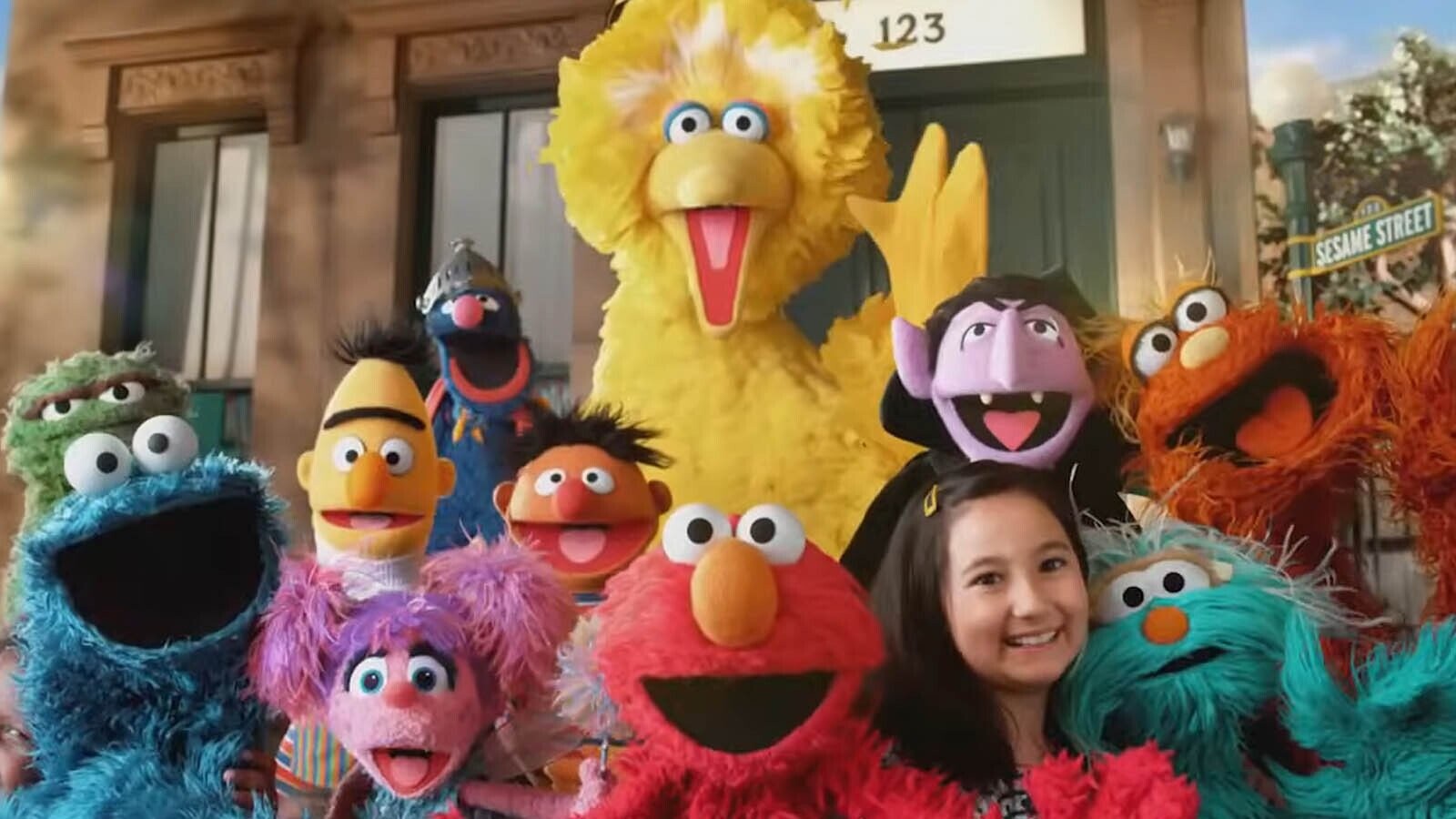
For a few alarming minutes, it looked as if someone had marched onto the world’s sunniest block, unplugged the streetlights, and told Big Bird to pack a carry-on. When news broke that Warner Bros. Discovery would not renew its deal for new episodes of Sesame Street on HBO and Max, the internet reacted exactly as you would expect: panic, jokes, outrage, nostalgic sobbing, and several people emotionally protecting Elmo like he was a national monument.
So, did David Zaslav and Warner Bros. Discovery just kill off Sesame Street? Not exactly. But they did end an important era. Warner Bros. Discovery chose not to continue the premium-cable and streaming arrangement that had helped fund and distribute new episodes of the legendary children’s show since the HBO partnership began in 2015. That decision created a real moment of uncertainty for Sesame Workshop, the nonprofit organization behind the series. However, Sesame Street did not disappear into the television cornfield. The show found a new home through Netflix while maintaining its long-standing connection to PBS and PBS Kids.
The better question is not whether Sesame Street is dead. The better question is what this shake-up says about streaming, children’s television, public media, and the strange modern economy where even Cookie Monster has to worry about platform strategy.
The Short Answer: No, ‘Sesame Street’ Was Not Killed
The headline sounds dramatic, and drama gets clicks. But the facts are more nuanced. Warner Bros. Discovery did not cancel Sesame Street in the traditional sense. It did not own the show outright, and it did not have the power to erase Sesame Workshop’s mission. What it did do was decline to renew the agreement that brought new episodes first to HBO and later Max.
That mattered because the HBO deal was more than a shiny streaming badge. It helped Sesame Workshop finance production at a time when the old television business model was shrinking. DVD sales had declined, children were watching on tablets, and public broadcasting alone could not easily shoulder the full cost of a high-quality educational series with puppets, writers, actors, researchers, musicians, animators, sets, and a small army of people making sure the letter of the day does not accidentally become a legal problem.
After Warner Bros. Discovery stepped away from new episodes, Sesame Street entered the marketplace looking for a new distribution partner. Netflix eventually stepped in, securing new episodes while PBS continued to provide free access for families in the United States. In other words: the show survived, but the business model changed again.
How HBO Became Part of Sesame Street’s Story
To understand why the Warner Bros. Discovery decision created such a stir, it helps to rewind to 2015. For decades, Sesame Street was closely associated with PBS. The show premiered in 1969 and became one of the most influential educational programs in American television history. It taught letters, numbers, kindness, feelings, diversity, patience, and the important fact that a large yellow bird can be both innocent and emotionally wise.
But by the 2010s, the economics of children’s television had changed. Families were moving from appointment viewing to on-demand streaming. Traditional revenue sources were weakening. Sesame Workshop made a controversial but practical move: it partnered with HBO. Under that arrangement, new episodes premiered first on HBO, then later became available free on PBS. The deal brought in funding and allowed Sesame Workshop to produce more content than it otherwise could have.
Some viewers worried that a show built around public access had moved behind a premium paywall. That concern was understandable. Still, the arrangement was designed to preserve PBS access after an exclusive window. For many families, it was a compromise: not perfect, but better than watching the show slowly lose production capacity. It was the television equivalent of putting vegetables inside mac and cheesemaybe not everyone loved the method, but the nutritional goal remained.
Why Warner Bros. Discovery Walked Away
Warner Bros. Discovery’s decision appears to fit a larger pattern. Since the WarnerMedia and Discovery merger, CEO David Zaslav has become associated with aggressive cost-cutting, content removals, strategic write-offs, and a hard look at what belongs on Max. The company has repeatedly tried to reshape its streaming service around programming that it believes drives subscriptions, engagement, and profitability.
Preschool educational programming is valuable, beloved, and socially important. But in the cold spreadsheet language of streaming, it may not be the strongest tool for a platform trying to compete with Netflix, Disney+, YouTube, and other services where children’s content is already abundant. Warner Bros. Discovery signaled that Max would focus less on preschool shows and more on adult and broader family entertainment.
That does not mean Sesame Street lacked value. It means Warner Bros. Discovery decided the show no longer fit its streaming priorities. There is a big difference between cultural value and corporate fit. A smoke detector has enormous value too, but that does not mean a steakhouse will put one on the dessert menu.
Was David Zaslav Personally Responsible?
Because David Zaslav is the public face of Warner Bros. Discovery, his name naturally appears whenever the company makes a controversial decision. In public conversation, he has become a symbol of the company’s cost-cutting era. That makes the headline “Did David Zaslav kill Sesame Street?” emotionally satisfying, especially for frustrated fans.
But media companies do not usually make decisions like this because one executive wakes up, sees Oscar the Grouch trending, and declares war on felt. These choices involve budgets, strategy teams, licensing agreements, subscriber data, brand positioning, debt pressures, and long-term content plans. Zaslav, as CEO, is ultimately responsible for the direction of the company. Still, the decision not to renew the Sesame Street deal should be understood as part of Warner Bros. Discovery’s broader business strategy, not a cartoonish villain moment.
That said, fans are not wrong to connect the decision to the company’s leadership. CEOs set priorities. If a company decides preschool education is no longer central to its streaming identity, that is a leadership choice. Whether one sees that as smart discipline or cultural vandalism depends on how much one believes streamers should balance profit with public value.
Netflix and PBS Changed the Ending
The biggest reason the answer is “no, Sesame Street was not killed” is simple: Netflix and PBS changed the ending. Sesame Workshop announced that new episodes would come to Netflix while also being available through PBS stations and PBS Kids platforms in the United States. That arrangement gave the show global streaming reach and preserved free domestic access, which is essential to the Sesame mission.
This new model is different from the HBO-era structure. Instead of a long premium-first window followed by PBS availability, the Netflix-PBS plan places new episodes on PBS and PBS Kids on the same day in the United States. That is a meaningful win for accessibility. For families without a Netflix subscription, PBS remains a free path to the neighborhood. For families around the world, Netflix brings the show to a massive platform with strong children’s programming infrastructure.
The move also places Sesame Street beside modern kids’ hits and educational personalities that dominate streaming. That could help introduce the show to a new generation of viewers who know how to swipe before they can tie their shoes. Big Bird, meet the algorithm. Algorithm, please behave yourself.
What Changes for Season 56?
The new era of Sesame Street is not just a platform switch. Season 56 has been described as a reimagined season, with refreshed storytelling, shorter character-driven segments, emotional well-being themes, and familiar favorites such as Elmo, Cookie Monster, Abby Cadabby, Grover, and the rest of the neighborhood.
That matters because Sesame Street has never survived by standing still. The show has evolved for more than five decades. It has adapted to new research in child development, changes in family life, shifts in technology, and new social conversations. Julia, a Muppet on the autism spectrum, is one example of how Sesame Workshop has used careful educational planning to help children understand differences with warmth and respect.
Season 56’s focus on emotional well-being also fits the moment. Children today are growing up in households shaped by pandemic aftereffects, screen-time debates, economic stress, and parents who are quietly Googling “how to explain everything without crying.” A show that helps kids name feelings, solve problems, share, wait, apologize, and show compassion is not quaint. It is practical.
Why Fans Reacted So Strongly
The emotional reaction to the Warner Bros. Discovery decision was not only about a TV deal. It was about trust. Sesame Street is not just content. It is childhood furniture. It sits in the memory next to cereal bowls, couch cushions, grandparents’ houses, rainy afternoons, and the first time a child realized counting could be fun if a purple vampire was involved.
When a corporation drops a show like Sesame Street, people do not hear “licensing strategy.” They hear “a beloved public institution is vulnerable.” That reaction is reasonable. The series has always occupied a rare space between entertainment, education, and civic service. It belongs to Sesame Workshop, but emotionally, many Americans feel like it belongs to everyone.
That is why the Warner Bros. Discovery decision felt larger than one contract. It tapped into anxiety about what happens when cultural institutions depend on private platforms. If a streamer can remove shows, cancel films, change priorities, or bury libraries overnight, what happens to programs that were built for public good rather than quarterly performance?
The Real Issue: Children’s Educational TV Is Expensive
Making excellent children’s television is not cheap. Anyone can point a camera at bright colors and call it kids’ content. But Sesame Street is different. It uses research-backed curriculum, expert input, writers who understand child development, performers who make puppets feel alive, and production teams that know how to teach without sounding like a broccoli lecture.
That kind of quality costs money. The challenge is that children’s programming often serves viewers who do not directly pay for it. Toddlers are famously bad at subscription management. Public funding, philanthropy, licensing, merchandising, streaming deals, and international distribution all become part of the puzzle.
The HBO and Max years were one solution. The Netflix and PBS arrangement is another. Neither is the same as the old broadcast-only world, and neither eliminates the core problem: high-quality educational media needs stable funding. If society wants shows like Sesame Street, society has to support the systems that make them possible.
Did Warner Bros. Discovery Make a Bad Decision?
From a narrow business perspective, Warner Bros. Discovery may argue that it made a disciplined choice. If Max’s strategy is shifting away from preschool content, renewing a costly deal for new Sesame Street episodes may not align with its goals. Companies make these choices every day, even when the public dislikes them.
From a cultural perspective, however, the decision looked harsh. Dropping Sesame Street is not like dropping a forgettable reality show where six people argue near a pool. This is one of the most trusted children’s brands in American history. The optics were never going to be gentle. When the company already had a reputation for removing or shelving content, the Sesame news reinforced a broader narrative: Warner Bros. Discovery was willing to sacrifice beloved programming in pursuit of a leaner balance sheet.
The fairest answer is this: Warner Bros. Discovery did not kill Sesame Street, but it did decide that Sesame Street was no longer worth prioritizing on Max. That is a major statement, whether intentional or not.
Why PBS Still Matters
The continued role of PBS is crucial. Without PBS, the story would feel much more troubling. The heart of Sesame Street has always been access. The show was created to help prepare children for school, especially children who might not have access to the same early learning resources as wealthier peers.
A Netflix deal expands global reach, but a PBS partnership protects the public-service mission in the United States. Families who cannot or do not want to pay for another streaming subscription can still find the show through PBS stations and PBS Kids platforms. That matters. Educational equity is not a nostalgic talking point; it is the reason the show exists.
If Sesame Street had moved exclusively behind a subscription wall, the criticism would have been much sharper. The same-day PBS access helps make the new model feel less like a retreat and more like a modernized public-private partnership.
What This Means for the Future of Kids’ Media
The Sesame Street shake-up shows how unstable streaming can be, even for iconic brands. Platforms want recognizable titles, but they also want flexibility. They chase subscribers, cut costs, license libraries, remove underperforming titles, and revise brand identities. In that environment, no show is automatically safe just because it is beloved.
For children’s educational media, the lesson is clear: relying on one corporate partner can be risky. The strongest future may involve multiple paths at once: public broadcasting, global streaming, nonprofit funding, philanthropic support, classroom resources, YouTube clips, apps, live events, and international partnerships.
Sesame Street has always been good at meeting children where they are. In 1969, that meant broadcast television. In 2016, it meant HBO. In 2025 and beyond, it means Netflix, PBS Kids, digital platforms, and whatever screen a preschooler is currently smudging with applesauce.
Experiences and Reflections: Why This Story Feels Personal
The reaction to the Warner Bros. Discovery decision proves something that ratings charts cannot fully capture: Sesame Street is woven into family experience. For many adults, the show is one of the first places they learned that television could be gentle, funny, and useful at the same time. It did not talk down to children. It invited them in. A child could watch Grover misunderstand directions, laugh at Cookie Monster’s snack-based chaos, and still absorb lessons about patience, letters, numbers, and friendship.
That is why the phrase “kill off Sesame Street” landed so hard. It felt less like a programming update and more like someone threatening a shared childhood landmark. People remember sitting on living room floors, hearing the theme song, and feeling that the world was a little more manageable. Parents remember using the show as a calm half-hour while making lunch, answering emails, or simply breathing like a normal mammal. Teachers remember clips that helped explain difficult topics in language children could understand. Grandparents remember watching with one generation and then another.
There is also a practical experience here for modern families. Parents today are overwhelmed by children’s content. There are endless videos, apps, channels, and animated characters shouting in colors not found in nature. Some of it is fine. Some of it is educational in the same way a vending machine is a restaurant. Sesame Street remains different because it is built with intention. It has a curriculum. It has research. It has a moral center. It knows that a preschooler does not just need entertainment; a preschooler needs language, confidence, emotional tools, and a sense that people can be different and still belong on the same street.
The Warner Bros. Discovery episode also reminds viewers to pay attention to where beloved media lives. Streaming made everything feel permanent, but it is not. A show can move, vanish, reappear, or become trapped in licensing limbo. Families who care about educational media may need to support public platforms, use PBS Kids, donate to nonprofit media when possible, and speak up when companies treat children’s programming as disposable filler.
At the same time, the Netflix-PBS outcome offers a hopeful lesson. The panic did not become a funeral. Sesame Workshop found another door. The show’s mission proved bigger than one platform. That resilience is very Sesame, actually. The neighborhood has always taught children how to handle change: name the feeling, ask for help, solve the problem, and maybe sing about it with a monster. Warner Bros. Discovery may have closed one gate, but the street is still open. The sign is still there. The lessons are still needed. And somewhere, Cookie Monster is probably still negotiating with a snack budget that no corporation can fully control.
Conclusion
So, did David Zaslav and Warner Bros. Discovery just kill off Sesame Street? No. But Warner Bros. Discovery did end a major chapter by declining to renew the deal for new episodes on HBO and Max. That decision exposed how vulnerable even legendary educational programming can be in the streaming era. It also sparked a public conversation about whether companies should treat culturally important children’s media as just another licensing line item.
The good news is that Sesame Street survived the disruption. With Netflix bringing global reach and PBS preserving free U.S. access, the show has a new path forward. The business model has changed, but the mission remains familiar: help children learn, grow, laugh, and feel less alone. In a media world full of corporate pivots and vanishing libraries, that mission is still worth protecting. Sunny days are not guaranteed by accident; someone has to keep sweeping the clouds away.