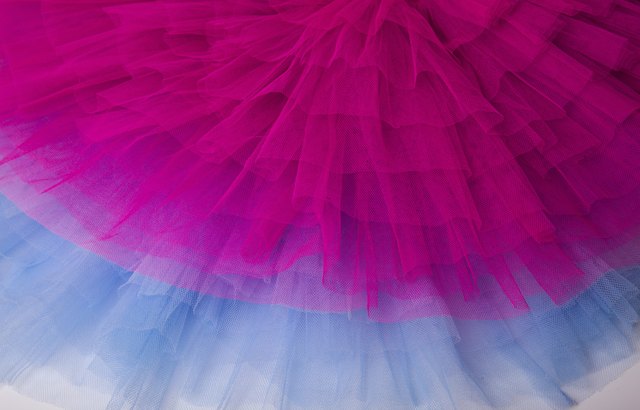
Tulle is the fabric equivalent of a dramatic entrance. It floats, fluffs, sparkles, softens, supports, and occasionally clings to your sleeve like it has emotional attachment issues. Whether you are shopping for a wedding veil, building a tutu, decorating a baby shower, sewing a prom dress, or trying to understand why one bolt of tulle feels like a cloud while another feels like a polite cheese grater, knowing the different types of tulle makes a huge difference.
At its core, tulle is a lightweight net fabric with an open mesh structure. It is commonly made from nylon, polyester, silk, cotton, rayon, or fiber blends. The magic is in the details: fiber content, mesh size, stiffness, drape, finish, stretch, color, and embellishment. Two tulles can look similar from across the room but behave completely differently once you cut, gather, layer, sew, steam, or wear them.
This guide breaks down the most common types of tulle, how they are used, what they feel like, and how to choose the right one for your project without ending up in a fabric-store staring contest.
What Is Tulle Fabric?
Tulle is a fine netting fabric usually formed in a small hexagonal mesh pattern. It is sheer, lightweight, and airy, which is why it appears so often in bridal fashion, ballet costumes, eveningwear, veils, craft projects, party decorations, lingerie, and couture designs. The name is commonly associated with Tulle, a town in France historically linked with lace and fine net production.
Traditional tulle was often made from silk, but today most affordable tulle is made from nylon or polyester. Modern textile production has expanded tulle into dozens of varieties, from stiff craft tulle to whisper-soft bridal illusion tulle, embroidered tulle, glitter tulle, stretch tulle, flocked tulle, and luxurious silk tulle.
The easiest way to understand tulle is to ask one question: do you want it to stand up, float down, disappear against the skin, sparkle under lights, or carry decoration? The answer points you toward the right type.
Main Types of Tulle by Fiber
1. Nylon Tulle
Nylon tulle is one of the most common types of tulle used in fashion, costumes, veils, and crafts. It is lightweight, flexible, fairly durable, and usually softer than basic polyester craft tulle. Nylon tulle can be fine and delicate or slightly crisp, depending on how it is manufactured.
For bridal veils and dress overlays, nylon tulle is a favorite because it gives a soft, romantic look without the high price of silk. It can drape beautifully, especially in finer varieties, and it is often used for illusion necklines, sleeves, and layered skirts.
Best for: veils, costumes, dress overlays, tutus, bridal accessories, party decorations, and soft layered skirts.
Watch out for: static cling. Nylon tulle sometimes behaves like it has joined forces with your hair, tights, and winter air. A light anti-static spray or careful steaming can help.
2. Polyester Tulle
Polyester tulle is widely available, affordable, and popular for crafts, decorations, event design, and budget-friendly fashion projects. It tends to hold shape well, making it useful when volume matters more than a liquid-soft drape.
This type of tulle is often sold on bolts or spools in many colors. It is frequently used for wedding arches, pew bows, gift wrapping, party backdrops, table skirts, tutus, and seasonal décor. Polyester tulle may feel stiffer than nylon or silk tulle, but that stiffness can be an advantage if your project needs structure.
Best for: crafts, decorations, party backdrops, bows, table skirts, wreaths, tutus, and affordable costume volume.
Watch out for: scratchiness. For garments worn directly against the skin, test the feel before committing. Your neck and underarms deserve peace.
3. Silk Tulle
Silk tulle is the luxury sports car of the tulle world: beautiful, delicate, expensive, and not something you toss into a craft bin with glitter glue and hope. It has an exceptionally soft hand, graceful drape, subtle luster, and an airy elegance that makes it beloved in couture bridalwear and high-end evening fashion.
Unlike stiff craft tulle, silk tulle falls softly and moves with the body. It is excellent for veils, ethereal gowns, delicate overlays, soft sleeves, and romantic layering. Because silk is a natural fiber, it usually feels more refined and breathable than many synthetic tulles.
Best for: luxury veils, couture gowns, heirloom bridal pieces, soft overlays, delicate sleeves, and romantic fashion details.
Watch out for: cost and fragility. Silk tulle can snag, tear, or distort more easily than synthetic options, so handle it gently and use sharp tools.
4. Cotton Tulle
Cotton tulle is less common than nylon or polyester, but it has a soft, natural feel that appeals to sewists who prefer breathable fibers. It can be used for vintage-inspired pieces, heirloom sewing, millinery, and delicate decorative accents.
Cotton tulle usually does not have the same bounce or resilience as nylon tulle. It may wrinkle more and can feel more organic than polished. That natural quality can be lovely in the right project, especially if you want a softer, less shiny finish.
Best for: vintage-inspired designs, heirloom sewing, soft trims, millinery, delicate craft accents, and natural-fiber projects.
Watch out for: limited availability and less recovery after crushing or wrinkling.
5. Rayon Tulle
Rayon tulle is relatively rare, but it exists in some specialty fabric markets. Rayon generally offers softness and drape, though it may not have the same strength or crisp body as nylon or polyester. If you find rayon tulle, treat it as a specialty fabric and test it carefully before cutting into a major project.
Best for: soft fashion overlays, specialty garments, and experimental textile work.
Watch out for: care requirements and stability. Always check how it reacts to steam, moisture, and handling.
Types of Tulle by Texture, Finish, and Use
6. Bridal Tulle
Bridal tulle is a broad category rather than one exact fabric. It usually refers to soft, fine tulle used for wedding veils, gowns, overskirts, sleeves, and romantic dress layers. Bridal tulle may be nylon, polyester, silk, or a blend, but the important qualities are softness, sheerness, graceful drape, and an elegant appearance.
It is available in shades such as white, diamond white, ivory, champagne, blush, nude, and soft gray. Choosing the right shade matters. White tulle can look bright against ivory gowns, while ivory tulle can look warmer and softer. In bridal fabric shopping, “close enough” can become “why does my veil look like it wandered in from another wedding?” under daylight.
Best for: wedding veils, bridal overskirts, romantic gowns, detachable trains, and soft dress layers.
7. Illusion Tulle
Illusion tulle is very fine, sheer, and designed to disappear against the skin. It is commonly used for illusion necklines, sheer sleeves, open-back gowns, bodices, dance costumes, and bridal veils. The goal is to create support or coverage without looking heavy.
Because illusion tulle is so sheer, color matching is important. Nude illusion tulle should be selected with the wearer’s skin tone in mind. The wrong shade can look obvious, while the right shade can make appliqués, beads, and lace appear to float.
Best for: illusion necklines, sheer sleeves, bodice support, bridal backs, dancewear, and barely-there veil effects.
Watch out for: tearing and seam visibility. Use fine needles, delicate thread, and careful stitching.
8. English Net or English Tulle
English net is often softer and more drapey than standard stiff tulle. It has a larger, more visible mesh than some illusion tulles and is frequently used in bridal veils and romantic gowns. It gives a refined, old-world look without being as fragile or expensive as some silk tulles.
English net is a great choice when you want softness and body at the same time. It does not usually create the crunchy cupcake shape of stiff tulle; instead, it offers graceful volume and movement.
Best for: soft veils, romantic skirts, vintage-style bridal looks, and elegant overlays.
9. French Tulle
French tulle is often used as a premium term for fine, soft tulle associated with bridal and couture work. Depending on the supplier, it may refer to silk tulle, nylon tulle, or a refined net with a delicate hand. Since fabric names are not always standardized, always check fiber content, mesh size, and feel before buying.
Best for: luxury bridal veils, fine overlays, couture accents, and soft fashion details.
Shopping tip: do not buy based on the romantic name alone. “French” sounds fabulous, but your scissors need facts.
10. Stiff Tulle
Stiff tulle is designed to hold shape. It is often used for tutus, petticoats, costume skirts, crafts, floral arrangements, and décor. This is the tulle that creates volume, bounce, and structure. It can turn a skirt from “nice” to “I require my own doorway.”
Stiff tulle is usually made from polyester or nylon and may be treated to increase body. It is not always comfortable against bare skin, so garment projects often need a lining.
Best for: ballet tutus, petticoats, costume volume, wreaths, bows, and structured decorations.
11. Soft Tulle
Soft tulle is ideal when you want flow rather than stiffness. It is commonly used for veils, flowing skirts, dress overlays, sleeves, and delicate layered garments. Soft tulle may be nylon, silk, fine polyester, or a blend.
Compared with stiff tulle, soft tulle gathers more gently and drapes closer to the body. It is a better option for romantic and wearable designs, especially when the fabric will touch the skin.
Best for: veils, soft gowns, overlays, sleeves, delicate skirts, and ethereal fashion designs.
12. Glitter Tulle
Glitter tulle is exactly what it sounds like: tulle with sparkle added. It is popular for costumes, children’s dresses, holiday décor, birthday decorations, dance outfits, and statement accessories. It catches light beautifully and photographs well.
The catch? Glitter likes to travel. It may appear on your table, your carpet, your pet, your coffee mug, and possibly your tax documents. Some glitter tulle sheds more than others, so test it before using it in a garment or indoor installation.
Best for: costumes, party décor, stagewear, holiday projects, bows, and playful skirts.
13. Embroidered Tulle
Embroidered tulle features stitched designs on a sheer net base. The embroidery may include florals, vines, geometric patterns, lace-like motifs, metallic thread, beads, sequins, pearls, or appliqués. This type of tulle is popular in bridal gowns, evening dresses, veils, sleeves, overlays, and couture-inspired designs.
Embroidered tulle adds decoration without the heaviness of solid fabric. It can make a simple gown look expensive and detailed, especially when motifs are carefully placed around a neckline, hem, or bodice.
Best for: bridal gowns, veils, bodices, sleeves, formal dresses, overlays, and special occasion garments.
Watch out for: cutting placement. Plan your layout so motifs land where they flatter the design, not randomly across the body like floral confetti with commitment issues.
14. Beaded Tulle
Beaded tulle is tulle embellished with beads, crystals, pearls, rhinestones, or sequins. It is glamorous, eye-catching, and often used for formalwear, bridalwear, evening gowns, capes, veils, and luxury overlays.
Because beads add weight, beaded tulle behaves differently from plain tulle. It may stretch, sag, or distort if not supported correctly. Seams can also become bulky, so designers often remove beads from seam allowances before sewing.
Best for: evening gowns, bridal overlays, sparkling veils, formal capes, and statement sleeves.
15. Flocked Tulle
Flocked tulle has raised velvet-like designs applied to the mesh. Common patterns include dots, hearts, stars, florals, and abstract motifs. Dotted flocked tulle is especially popular for vintage-inspired veils, retro dresses, and playful overlays.
Flocked tulle adds texture without full embroidery. It is usually lighter than heavily embellished tulle but more visually interesting than plain tulle.
Best for: retro veils, vintage-inspired dresses, fashion overlays, children’s clothing, and decorative accents.
16. Stretch Tulle
Stretch tulle contains elastic fibers such as spandex or elastane, giving it flexibility and recovery. It is commonly used in dance costumes, figure skating dresses, performance wear, lingerie, bodysuits, and fitted illusion panels.
This type is excellent when the fabric must move with the body. It can provide sheer coverage while allowing dancers, skaters, and performers to bend, twist, leap, and generally do things that would make regular fabric file a complaint.
Best for: dancewear, skating costumes, lingerie, performance outfits, fitted sleeves, bodysuits, and flexible illusion panels.
17. Tulle Netting or Dress Net
Dress net is often stiffer and heavier than fine tulle. It is used to build volume in petticoats, underskirts, costumes, theatrical garments, and structured designs. While people sometimes use “tulle” and “netting” interchangeably, netting can be coarser, stronger, and less delicate.
Choose dress net when structure matters. Choose fine tulle when softness, sheerness, and elegance matter more.
Best for: underskirts, petticoats, costume support, theatrical volume, and structured silhouettes.
How to Choose the Right Type of Tulle
For Wedding Veils
For a classic veil, look for soft bridal tulle, illusion tulle, English net, or silk tulle. If you want a barely visible veil that floats gently, choose fine illusion tulle. If you want a luxurious heirloom feel, silk tulle is stunning. If you want a graceful veil with a little more presence, English net is a beautiful middle ground.
Always test the color against the gown in natural light. Bridal whites are surprisingly complicated. White, soft white, diamond white, ivory, cream, candlelight, champagne, and nude are not the same thing, even if your optimistic shopping cart says otherwise.
For Tutus and Costumes
For ballet tutus, costume skirts, and dramatic volume, stiff nylon tulle, polyester tulle, or dress net works best. These types hold shape and create fullness. For a softer costume skirt, layer soft tulle over a structured base.
If the wearer is a child, line the garment or keep stiff tulle away from sensitive skin. A scratchy waistband can turn a fairy costume into a tiny legal dispute.
For Dresses and Skirts
For elegant dresses, choose soft tulle, bridal tulle, English net, embroidered tulle, or silk tulle. Use multiple layers for opacity and movement. For fuller skirts, combine soft outer layers with stiffer inner layers. This gives the skirt structure without making the outside look harsh.
For modern fashion, try colored tulle overlays. Black tulle over nude lining creates drama. Blush tulle over ivory feels romantic. Blue-gray tulle over silver looks dreamy and editorial.
For Crafts and Decorations
For wreaths, bows, centerpieces, chair sashes, gift wrapping, party backdrops, and holiday décor, polyester tulle is practical and budget-friendly. Glitter tulle, flocked tulle, and printed tulle add personality.
Use tulle rolls for small decorations and wide tulle bolts for large installations. Rolls are convenient, but bolts give you more flexibility when covering arches, tables, walls, or ceilings.
Tips for Sewing and Working With Tulle
Cut With Sharp Tools
Tulle shifts easily, so sharp scissors or a rotary cutter can make cleaner edges. Use pattern weights instead of too many pins. If you must pin, place pins inside the seam allowance because tulle can snag.
Use Fine Needles and Thread
For delicate tulle, use a fine universal or microtex needle. Lightweight thread usually works best. Test stitches on scraps before sewing the real piece, especially with illusion or silk tulle.
Finish Edges Strategically
Many tulle edges can be left raw because the fabric does not fray like woven cotton. For bridal veils, raw cut edges can look clean and airy. For formalwear, you may prefer a narrow rolled hem, ribbon edge, horsehair braid, lace trim, or beaded border.
Steam Carefully
Tulle can wrinkle, but heat can also damage synthetic fibers. Use gentle steam from a distance, test first, and avoid pressing directly with a hot iron. Silk tulle needs especially careful handling.
Layer for Impact
One layer of tulle is subtle. Five layers are romantic. Fifteen layers are a personality. Layering changes color, opacity, volume, and movement, so test your stack before sewing the final garment.
Common Mistakes When Buying Tulle
Choosing by Color Alone
Color matters, but texture matters just as much. A perfect ivory shade in stiff tulle may not work for a soft veil. A gorgeous blush tulle may be too scratchy for sleeves. Always consider hand feel, drape, and use.
Ignoring Width
Tulle comes in different widths, from narrow rolls to wide bolts. Veils, gowns, and large décor projects often need wide fabric to avoid awkward seams. Check the width before calculating yardage.
Forgetting About Transparency
Tulle is sheer. Very sheer. One layer will not provide coverage unless the look is meant to be transparent. For skirts and dresses, use lining or multiple layers.
Assuming All Tulle Is Comfortable
Some tulle is soft enough for bridal veils. Some tulle feels like it was designed by a cactus with a fashion degree. For wearable projects, rub a sample against your wrist or neck before buying yards of it.
Experiences With Different Types of Tulle: What You Learn After Actually Using It
Working with tulle teaches patience, humility, and the importance of having a clean floor. The first real lesson is that tulle looks weightless but behaves like it has opinions. It floats away while cutting, sticks to textured surfaces, hides under other fabric, and somehow produces scraps that appear days later in places no sewing material should be. You may find a tiny piece of tulle on your sock, your chair, or your lunch. This is normal. Tulle believes in networking.
For bridal-style projects, the most important experience is learning that softness matters more than people expect. A veil made from stiff tulle may look pretty in a photo, but once worn, it can puff away from the head, catch on hair, or feel scratchy around the shoulders. Soft illusion tulle or English net usually creates a more graceful veil because it falls naturally. Silk tulle is even softer and more luxurious, but it also demands careful handling. If you are making a veil for an important event, order swatches first. A small swatch can save you from a large emotional support snack later.
For tutus and costume work, the opposite is often true. Soft tulle may collapse when you want volume. Stiff tulle, dress net, or layered polyester tulle creates the shape needed for ballet costumes, fairy skirts, and dramatic stage outfits. The trick is comfort. Stiff tulle should not be the layer touching the skin. Add a lining, use a smooth waistband, and keep scratchier layers away from the wearer’s legs. Children, especially, will tell you the truth about itchy fabric with the kind of honesty adults reserve for online reviews.
When using embroidered or beaded tulle, layout becomes everything. Plain tulle can be cut with minimal drama, but embellished tulle needs planning. Motifs should land intentionally on the bodice, hem, sleeve, or veil edge. If a floral design is accidentally centered in an awkward place, the garment will announce it loudly. Beaded tulle also has weight, so it may need support from lining, stay tape, or stronger seams. Removing beads from seam allowances is tedious, but it prevents broken needles and bulky seams.
For home décor and party projects, polyester tulle is the reliable workhorse. It is affordable, colorful, and easy to buy in bulk. It can turn a plain chair, arch, table, or backdrop into something festive without requiring advanced sewing skills. However, cheap glitter tulle can shed aggressively. If you are decorating indoors, shake a sample over dark paper first. If it leaves behind a tiny disco explosion, use it where cleanup will not ruin your mood.
Another practical discovery is that tulle changes personality when layered. One layer of navy tulle may look barely there, but ten layers become moody and rich. Ivory over blush creates warmth. Black over champagne creates vintage drama. White over white creates bridal softness, while white over nude creates a more modern illusion effect. Before committing to a design, stack several layers and view them in daylight, indoor lighting, and camera flash.
Finally, tulle rewards experimentation. It can be elegant, silly, romantic, theatrical, modern, or wonderfully over-the-top. The best type of tulle is not always the most expensive one; it is the one that matches the job. Soft for veils. Stiff for volume. Stretch for movement. Embroidered for detail. Glitter for spectacle. Silk for luxury. Polyester for practical magic. Once you understand those differences, shopping for tulle becomes less confusing and much more fun.
Conclusion
The world of tulle is bigger than most people realize. It is not just “that net fabric near the ribbon aisle.” Tulle can be soft, stiff, silky, sparkly, stretchy, embroidered, beaded, flocked, luxurious, affordable, delicate, or surprisingly sturdy. The right type depends on the project: bridal veils need softness and drape, tutus need body, illusion panels need sheerness, costumes need movement, and decorations need volume without breaking the budget.
If you remember one thing, remember this: choose tulle by purpose, not just by color. Feel it, layer it, test it, and check how it behaves under light. Tulle may be airy, but it has a big personality. Treat it well, and it can turn a simple project into something dreamy, dramatic, and just a little magical.
Note: This article is written for informational and creative guidance. For sewing, bridal, or décor projects, always test a fabric swatch for color, texture, stretch, opacity, comfort, and heat sensitivity before purchasing large yardage.