Your couch has seen things. Movie-night popcorn. Coffee that “barely spilled.” Mystery smudges that appeared sometime between the dog zoomies and a weekend nap. The good news is that a DIY upholstery cleaner can absolutely help freshen fabric furniture and tackle many everyday stains. The less good news? Not every sofa wants the same treatment, and some cleaning hacks floating around online have the energy of a science fair project gone rogue.
If you want a smarter, safer way to clean upholstered furniture at home, this guide covers the basics that actually matter: how to read the fabric code, when to use a homemade upholstery cleaner, what recipes are safest, and how to remove odors and stains without turning your couch into a damp regret burrito. We’ll keep it practical, realistic, and just a little funny, because cleaning is easier when nobody’s pretending it’s a personality trait.
What Is a DIY Upholstery Cleaner?
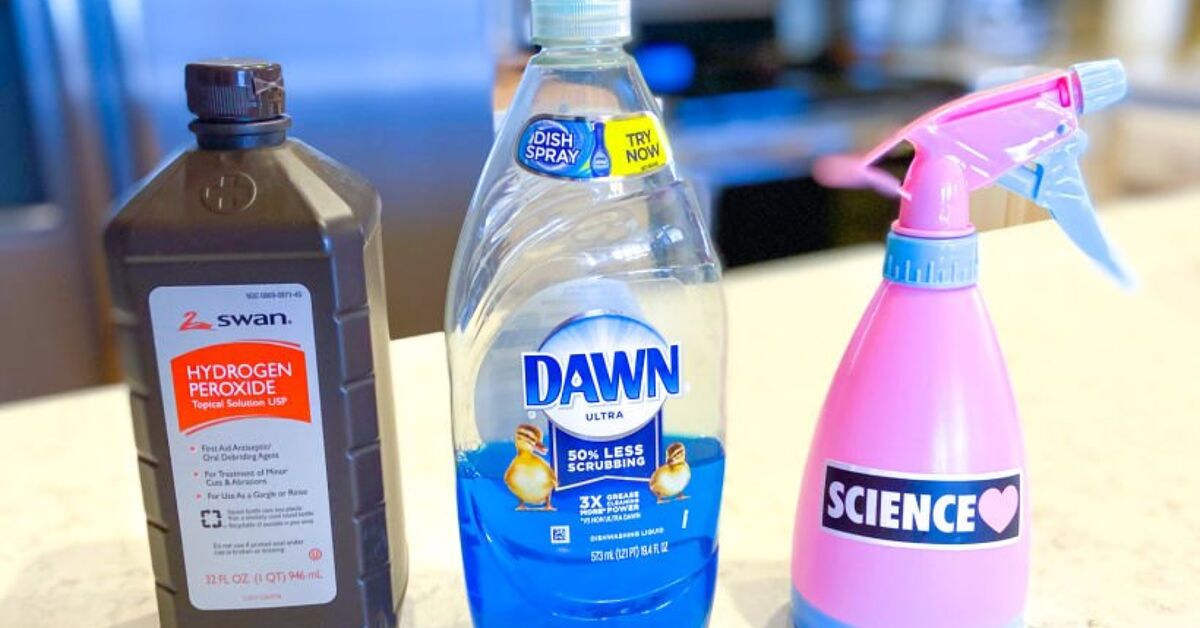
A DIY upholstery cleaner is a homemade cleaning solution or method used to remove dirt, stains, and odors from upholstered furniture such as sofas, chairs, ottomans, dining seat cushions, and even some car seats. Most at-home formulas rely on everyday ingredients like mild dish soap, warm water, white vinegar, baking soda, or hydrogen peroxide.
The key is using the right cleaner for the right fabric. A homemade cleaner can work beautifully on many water-safe materials, but it is not a universal fix. Some upholstery fabrics should only be cleaned with solvent-based products, while others should only be vacuumed or professionally cleaned. That tiny care tag hiding under the cushion is not decorative. It is the boss.
Before You Clean: Check the Upholstery Code
Before you mix anything, look for the furniture care label. It is often under the cushions, beneath the frame, or near the manufacturer’s tag. The cleaning code tells you how cautious you need to be.
Common upholstery cleaning codes
- W: Water-based cleaners are generally safe.
- S: Solvent-based cleaners only. Skip water-based DIY solutions.
- WS or W-S: Water-based or solvent-based cleaners may be used.
- X: Vacuum only. No liquid cleaner, no DIY experiment, no “but just a little spray.”
If your furniture is labeled S or X, be careful. A homemade upholstery cleaner made with water can leave rings, shrink fabric, or create damage that will stare at you forever from the center cushion. For delicate fabrics such as silk, velvet, suede, some blends, or vintage upholstery, professional cleaning is often the safer move.
Why DIY Upholstery Cleaner Works
Homemade upholstery cleaning solutions work because common household ingredients each bring a simple strength to the table. Mild dish soap helps lift oily grime. Water loosens water-soluble dirt. White vinegar can help with some odors and residue. Baking soda is a deodorizer. Hydrogen peroxide can help break down certain stains on light, colorfast fabrics.
But let’s be honest: DIY cleaner works best on routine messes, light grime, mild odors, and fresh stains. It is not a miracle potion for every stain from 2019. If your couch smells like a wet dog convention, has deep body-oil buildup on every headrest, or wears a large mysterious stain like a badge of honor, you may need a machine cleaner or a professional upholstery service.
The Best DIY Upholstery Cleaner Recipes
There is no single perfect formula for every fabric. These are the safest and most practical homemade options for everyday home use.
1. Gentle DIY upholstery cleaner for W and WS fabrics
This is the best place to start for general spot cleaning because it is simple, mild, and far less dramatic than mixing every ingredient under your sink.</ڍ
Recipe:
- 1 cup warm water
- 1 teaspoon mild dish soap
How to use it: Dip a clean microfiber cloth into the solution, wring it out well, and blot the stained or dingy area gently. Do not soak the fabric. Follow with a second cloth lightly dampened with plain water to remove residue, then blot dry with a towel.
This mild dish soap upholstery cleaner is often enough for food smudges, armrest grime, and everyday life marks caused by humans who insist on touching furniture with snacks in hand.
2. Vinegar-based DIY upholstery cleaner for odors and light stains
If your fabric is water-safe and passes a spot test, this version can help with light odor and surface grime.
Recipe:
- 1 cup warm water
- 1 teaspoon mild dish soap
- 1 tablespoon white vinegar
How to use it: Lightly dampen a cloth with the mixture and blot the fabric. Work from the outside of the stain inward so it does not spread. Then wipe with a fresh damp cloth and blot dry.
Important note: vinegar can be useful, but it is not ideal for every fabric or finish. Always patch-test on a hidden area and let it dry completely before using it more broadly.
3. Baking soda method for deodorizing upholstery
Baking soda is not your deep-clean hero, but it is excellent for odor control. If your couch smells stale, pet-ish, or suspiciously like old takeout, this dry method is worth trying.
How to use it:
- Vacuum the upholstery first.
- Sprinkle a light, even layer of baking soda over the fabric.
- Let it sit for 20 minutes to 1 hour.
- Vacuum thoroughly using an upholstery attachment.
This is especially useful for cushions, fabric chairs, and upholstered furniture that needs refreshing but not a full wet cleaning.
4. Hydrogen peroxide spot treatment for stubborn stains
Hydrogen peroxide can be helpful for certain tough stains, but it must be used carefully. Think of it as a backup singer, not the lead singer. It can lighten some fabrics.
Best use: light-colored, colorfast upholstery with a successful hidden spot test.
Simple method: Apply a small amount of 3% hydrogen peroxide to a clean cloth or cotton swab, then blot the stain gently. Let it sit briefly, then blot with water and dry the area. Use this sparingly.
If your sofa is dark, delicate, vintage, or expensive enough to make your heartbeat faster, skip this method unless you are very confident after testing.
How to Clean Upholstery the Right Way
Step 1: Vacuum first
This part is wildly underrated. Vacuum the entire piece using the upholstery attachment, including the back, arms, seams, and under cushions. Dry debris, crumbs, dust, and pet hair should come out before you add any moisture. Otherwise, you’re basically making furniture soup.
Step 2: Blot fresh stains immediately
If the spill just happened, blot it with clean paper towels or a dry microfiber cloth. Do not rub. Rubbing pushes the stain deeper and spreads it wider, which is a terrible personality for a cleaning method.
Step 3: Test your cleaner on a hidden spot
Use the bottom edge, back panel, or inside seam. Apply a tiny amount, let it dry fully, and check for color loss, water rings, texture changes, or fabric distortion. If the test area looks weird, believe it. Do not negotiate with the couch.
Step 4: Clean with as little moisture as possible
Apply cleaner to a cloth, not directly to the upholstery unless the method specifically calls for a light mist. The goal is to dampen, not drench. Oversaturating fabric can drive moisture into the padding, which makes drying slower and can lead to odor, mildew, or water marks.
Step 5: Rinse lightly and blot dry
If you used soap, wipe the area with a cloth dampened in plain water to remove residue. Then blot with a dry towel. Soap left behind can attract more dirt later, which is one of life’s ruder jokes.
Step 6: Dry completely
Open windows, turn on a fan, and let the upholstery dry fully before using it again. Avoid sitting on damp cushions unless you enjoy the feeling of becoming part of the furniture.
How to Remove Common Upholstery Stains
Food and drink stains
Blot immediately. Use the mild dish soap solution on water-safe upholstery. For coffee, soda, and similar spills, a gentle soap-and-water cleaner often works well if you catch the stain early.
Grease stains
Start by blotting the area. Sprinkle baking soda over the spot to help absorb oil, let it sit, then vacuum. Follow with a mild dish soap solution if the care code allows it.
Pet odors and light pet messes
Blot first, deodorize with baking soda, then use a mild cleaner if the tag permits. For persistent pet accidents or recurring smells, a dedicated enzyme product is often more effective than a homemade cleaner.
Unknown old stains
This is where optimism should be modest. Start mild. Vacuum, test, blot with a gentle cleaner, and stop if the stain is not responding. Older set-in stains may need specialty treatment or professional help.
What Not to Do With a DIY Upholstery Cleaner
- Do not ignore the care tag.
- Do not scrub aggressively.
- Do not oversaturate the fabric.
- Do not use a random viral cleaning hack without testing.
- Do not mix strong cleaners just because the internet seems enthusiastic.
- Do not use hydrogen peroxide broadly on dark or untested fabrics.
- Do not assume baking soda and vinegar together create a magical super-cleaner. Mostly, they create bubbles and a sense of accomplishment.
When to Call a Professional Upholstery Cleaner
A homemade upholstery cleaner is a solid first step, but there are times when calling a pro is the smartest move. Consider professional cleaning if:
- Your furniture has an S or X code.
- The entire piece is heavily soiled.
- The stain is large, old, or keeps returning.
- The upholstery is delicate, vintage, silk, velvet, suede, or specialty fabric.
- The odor seems to be coming from deep inside the cushion padding.
Professional upholstery cleaning can save time, reduce risk, and spare you from accidentally creating a cleaner-looking stain surrounded by a darker ring. That particular visual effect is not chic.
DIY Upholstery Cleaner FAQs
Can I use vinegar to clean upholstery?
Sometimes, yes, on water-safe upholstery that passes a hidden spot test. Use it lightly and avoid assuming it is safe for every material.
Can I use baking soda on my couch?
Yes, baking soda is commonly used to deodorize fabric upholstery. Sprinkle lightly, let it sit, and vacuum thoroughly.
Is dish soap safe for upholstery?
Mild dish soap diluted in water is often one of the safest DIY options for W and WS fabrics. Keep the mixture weak and avoid soaking the fabric.
What is the safest homemade upholstery cleaner?
For many water-safe fabrics, the safest option is a simple mixture of warm water and a small amount of mild dish soap, used with a barely damp cloth.
Final Thoughts
A good DIY upholstery cleaner does not need to be complicated. In fact, the safest homemade methods are usually the simplest: vacuum thoroughly, blot quickly, use a mild solution, test first, and keep moisture under control. That is the real formula.
If you remember only one thing, let it be this: the care tag gets the final vote. Once you know whether your fabric is W, S, WS, or X, you can clean with much more confidence and a lot less guesswork. Your couch may never become spill-proof, but it can absolutely stop looking like it has been through a small domestic revolution.
Experience-Based Lessons From Using DIY Upholstery Cleaner
One of the most common experiences people have with a DIY upholstery cleaner is discovering that the cleaning itself is not the hard part. The hard part is patience. Most people want to spray, scrub, and watch the stain vanish like a magician’s assistant. Upholstery rarely performs on cue like that. What usually works is the boring stuff: vacuum first, blot slowly, repeat carefully, and let the area dry all the way before deciding whether the method worked. It is not glamorous, but it is effective.
Another common lesson is that fresh stains are dramatically easier to clean than old ones. A recent coffee drip or snack smear may respond quickly to a mild dish soap solution. An old mystery stain, on the other hand, behaves like it pays rent. People often realize that what looked like “one simple stain” is actually a combination of dirt, body oil, dust, and whatever happened during that one football Sunday nobody wants to discuss. In those cases, even a good homemade upholstery cleaner may lighten the stain more than erase it completely.
Odor is another big surprise. Many homeowners expect a stain treatment to remove smells automatically, but odor and appearance are not always on speaking terms. A couch can look clean and still smell faintly like dog, takeout, or life. That is why the dry baking soda method gets so much love. It is easy, affordable, and useful when furniture just needs a refresh. Still, people often learn that deep odors trapped in cushion foam are more stubborn than surface odors. If the smell has truly moved into the padding, a DIY approach can help, but sometimes not enough.
There is also the very humbling experience of using too much water. Almost everyone who cleans upholstery long enough learns this lesson once. The fabric may seem fine at first, but then it dries slowly, leaves a ring, or feels crunchy because too much cleaner remained in the fibers. That is why experienced cleaners tend to use less product than beginners expect. The cloth should be damp, not dripping. The goal is controlled cleaning, not weather simulation.
People also become much more respectful of care tags after one bad experiment. The tiny label that seemed easy to ignore suddenly becomes the most important document in the living room. Once someone has accidentally created a water mark on the wrong fabric, they never again laugh at upholstery codes. W and WS feel friendly. S and X feel like stern but wise relatives.
Finally, there is a satisfying truth that keeps people coming back to DIY methods: when used correctly, they really can work. A simple homemade upholstery cleaner can freshen a tired chair, rescue a cushion after a small spill, and make a whole room feel cleaner without spending much money. That sense of victory is real. It is not the dramatic before-and-after miracle sold by flashy videos, but it is better than that. It is practical, repeatable, and based on methods you can trust the next time your couch becomes the accidental target of coffee, crumbs, or a very enthusiastic pet.
Note: Always check the care tag and patch-test any DIY upholstery cleaner on a hidden area before cleaning the full surface.