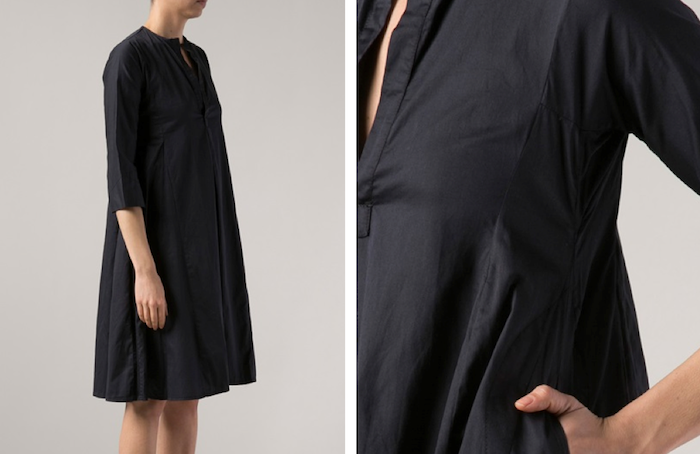
The Dosa Short Tulle Dress is the kind of piece that makes a wardrobe feel more interesting without shouting across the room. It is relaxed, artistic, textile-focused, and thoughtfully made for people who appreciate clothes with texture, movement, and a little mystery. This is not the typical stiff cocktail mini dress or a fluffy ballerina tutu that requires an emergency supply of confidence. Instead, the Dosa short tulle dress leans into handcrafted cotton, airy structure, and an easy silhouette that can move from gallery afternoon to dinner reservation with suspiciously little effort.
Dosa, the California-based label founded by designer Christina Kim, is known for clothing that celebrates traditional textile techniques, artisan collaboration, and a slower approach to fashion. The brand often works with handwoven fabrics, natural dyes, khadi cotton, embroidery, and textiles made by skilled craftspeople in countries including India, Mexico, and South Korea. That background matters because the Dosa Short Tulle Dress is not simply about owning a dress. It is about wearing a garment with visible material character.
Archived retailer listings describe versions of the dress in hand-spun, handwoven embroidered cotton tulle, while other listings reference dense khadi cotton versions in colors such as midnight and rice. Product details can vary by season and release, so shoppers should always confirm the fabric, measurements, color, and care label for the exact Dosa Short Tulle Dress they are considering.
What Makes the Dosa Short Tulle Dress Special?
The charm of the Dosa Short Tulle Dress comes from its contrast. It has an artistic, almost heirloom-quality textile story, but the silhouette remains wearable. A relaxed A-line shape, V-neckline, three-quarter sleeves, roomy cuffs, and subtle side slits give the dress a soft structure. It does not cling aggressively, demand a complicated undergarment strategy, or make you question whether sitting down is legally allowed.
Unlike ultra-sheer synthetic tulle often used for formal gowns, the Dosa interpretation is more grounded. Cotton tulle and khadi textiles can feel breathable, textured, and quietly expressive. The fabric may have irregularities, handwoven variation, embroidery, or a naturally uneven finish. Those details are not mistakes. They are often signs that the garment was made with human hands rather than rushed through a factory line at lightning speed.
A Dress With a Handmade Point of View
Many modern dresses are designed to look perfect in one carefully lit product photo. The Dosa Short Tulle Dress works differently. It is meant to look better once it starts living a real life: after being layered over a slip, worn with worn-in leather sandals, paired with boots, or slightly softened by movement. The fabric becomes part of the outfit’s personality.
This is especially appealing for shoppers who are tired of disposable trend cycles. Instead of buying something because it appears in one viral video, a Dosa dress offers a more personal wardrobe philosophy. It asks, “Will you still enjoy this in five years?” That is a much better question than, “Will this get likes before Thursday?”
Understanding the Fit and Silhouette
The Dosa Short Tulle Dress is generally described as relaxed rather than body-hugging. Its A-line shape creates space through the body and skirt, while the V-neck and side slits keep the silhouette from feeling too boxy. This combination makes it appealing for people who prefer dresses that skim rather than squeeze.
Dosa often uses its own numeric sizing system, with some retailer listings identifying sizes 1, 2, and 3 as approximately small, medium, and large. Other releases may use sizes 1 through 4. Because handmade and specialty fabrics can fit differently from mainstream mall brands, relying on your usual size alone is risky. Check garment measurements whenever possible, especially across the bust, hip, sleeve width, and overall length.
Who Does This Dress Work Best For?
The beauty of a relaxed cotton tulle dress is that it does not belong to one body type or one styling personality. It can work well for someone who likes minimalist clothing but wants more texture. It can also suit a maximalist who sees it as the beginning of a layered, artful outfit.
The dress is particularly useful for shoppers who value:
- Breathable natural fibers and lightweight layering pieces.
- Relaxed silhouettes that do not feel restrictive.
- Artisan-made details such as weaving, embroidery, and visible texture.
- Clothing that can be styled across several seasons.
- Quiet luxury that feels personal instead of logo-heavy.
Because the dress is often loose and softly structured, petite shoppers may prefer to style it with a belt, heeled sandal, platform clog, or ankle boot to create a clearer visual line. Taller shoppers can let the relaxed shape do its thing with flat sandals, chunky loafers, or boots. The dress has enough presence that it does not require a parade of accessories to prove it exists.
How to Style a Dosa Short Tulle Dress
The easiest way to style a Dosa Short Tulle Dress is to treat it as a textile centerpiece. The dress already brings texture, craft, and movement, so the rest of the outfit should support it rather than compete with it. Think natural leather, matte metals, soft knits, woven bags, and footwear with personality.
1. Easy Summer Styling
For warm weather, wear the dress with flat leather sandals, a woven market bag, and simple earrings. A lightweight cotton slip or neutral camisole dress underneath can provide coverage while keeping the outfit breathable. This is a strong choice for brunch, art fairs, vacation dinners, casual outdoor gatherings, or a day when you want to look like you own several beautiful ceramics.
If the dress is in rice, cream, or beige, keep the accessories warm and natural: cognac sandals, brass jewelry, a straw hat, or a soft brown leather crossbody bag. For a midnight or black version, add contrast with ivory footwear, silver jewelry, or a textured canvas tote.
2. City Casual With Boots
For a more urban look, pair the Dosa Short Tulle Dress with ankle boots or mid-calf leather boots. Add a cropped jacket, oversized blazer, or worn-in leather moto jacket. The contrast between the soft cotton texture and tougher footwear creates visual balance.
This styling formula works especially well in early fall, when the weather is undecided and your closet is behaving like a confused weather app. Add opaque tights if temperatures drop, then finish with a structured shoulder bag or crossbody satchel.
3. Gallery Opening or Dinner Outfit
Dress it up with sculptural earrings, refined clogs, heeled mules, or sleek pointed-toe boots. A belt at the waist can create definition, but do not cinch it so tightly that the relaxed silhouette loses its charm. A narrow leather belt, braided cord belt, or vintage metal belt works better than something that looks ready to tow a truck.
For evening, consider a black slip under a lighter dress, or a darker slip beneath an embroidered cotton tulle version. This creates depth and makes the textile details more noticeable without requiring sequins, rhinestones, or a personal spotlight operator.
4. Layering for Cooler Months
The Dosa Short Tulle Dress can transition into fall and winter with smart layering. Wear a thin turtleneck beneath it, add leggings or slim trousers, and finish with boots. You can also layer a cropped cardigan over the dress or place a long coat on top for a softer, more dramatic shape.
Try pairing the dress with a charcoal turtleneck, black tights, and brown leather boots for an understated cold-weather outfit. Another option is a cream long-sleeve shirt underneath a darker Dosa dress, with wide-leg trousers and clogs. The result feels relaxed, layered, and intentional rather than accidentally dressed in the dark.
How to Care for a Cotton Tulle or Khadi Dress
A Dosa Short Tulle Dress deserves gentler treatment than a basic cotton T-shirt. Handwoven cotton, embroidery, loose-weave textiles, and natural dyes can be more sensitive to heat, harsh detergents, and aggressive washing. The care label on your specific dress should always be the final authority, especially if it says dry clean only or hand wash only.
Basic Care Tips
- Wash only when necessary instead of after every short wear.
- Use cold water and a mild detergent for delicate natural fibers.
- Hand wash gently rather than scrubbing embroidered areas.
- Avoid bleach, fabric softener, and high-heat drying.
- Air dry away from harsh direct sunlight to protect color and fiber strength.
- Use a padded hanger or fold carefully to avoid stretching the shoulders.
- Steam lightly instead of pressing aggressively with a hot iron.
For small marks, spot cleaning is usually smarter than washing the entire garment. Dab gently with a clean cloth and a tiny amount of mild detergent, then let the area air dry. Do not attack delicate fabric with the determination of someone removing spaghetti sauce from a white sofa. Slow and gentle wins.
If the dress has extensive embroidery, strong color contrast, or an uncertain care history, professional cleaning may be the safer option. This is especially true for pre-owned pieces, where the fabric may already have softened or changed through previous washing.
Where to Find a Dosa Short Tulle Dress
The Dosa Short Tulle Dress can be difficult to find because some releases sell out and later appear only through specialty boutiques or resale platforms. Retail listings have shown the dress at luxury price points, often around the $500 to $600 range when new. That price reflects the brand’s artisan-oriented approach, specialty fabric production, and limited-distribution model.
When shopping secondhand, inspect listings carefully. Ask for photos of the neckline, underarms, side seams, cuffs, embroidery, and hem. Look for signs of fading, pulled threads, stains, repairs, or fabric thinning. Handmade cotton can age beautifully, but it should still be structurally sound.
Questions to Ask Before Buying
- What is the exact fabric composition?
- Is the dress lined, sheer, or designed to be worn over a slip?
- What are the flat garment measurements?
- Has it been washed, dry cleaned, altered, or repaired?
- Are there any pulls, loose threads, discoloration, or missing embroidery?
- Does the seller have photos in natural daylight?
A seller who can answer these questions clearly is worth far more than a listing with a poetic caption and one blurry photo taken next to a laundry basket. Luxury resale should feel informed, not like a detective show with worse lighting.
Is the Dosa Short Tulle Dress Worth the Investment?
For the right buyer, yes. The Dosa Short Tulle Dress is worth considering if you value handcrafted textiles, natural fibers, independent design, and clothing that can be styled repeatedly. It is not a bargain-basement “wear once and forget it” dress, and it is not meant to be. Its appeal is in its versatility, fabric story, and ability to become more personal over time.
It may not be the best choice for someone seeking a tight, bodycon, ultra-glamorous party dress. It is also not ideal for shoppers who want completely predictable machine-washable clothing with zero maintenance. But for someone building a thoughtful wardrobe, it can become a favorite piece: the dress you reach for when jeans feel boring, trousers feel too serious, and you want to look polished without looking overworked.
Final Thoughts on the Dosa Short Tulle Dress
The Dosa Short Tulle Dress proves that a dress does not need rhinestones, a dramatic train, or a suspiciously complicated zipper to feel special. Its strength is quieter: handwoven texture, a relaxed silhouette, cotton comfort, and an artisan-centered design language that resists fast-fashion sameness.
Whether you wear it with sandals on a warm afternoon, boots for a city dinner, or layered knits in cooler weather, the Dosa Short Tulle Dress offers plenty of styling freedom. Buy the right size, respect the care instructions, and let the fabric do what good fabric does best: make an ordinary day feel slightly more cinematic.
Experiences With the Dosa Short Tulle Dress: What Wearing It Feels Like
Wearing a Dosa Short Tulle Dress is less like putting on a standard outfit and more like stepping into a small personal ritual. The first thing many people notice is the fabric. It does not behave like a smooth, shiny department-store dress that announces itself from across the room. It has texture. It has air. It has a kind of visual quietness that makes people look twice once they get closer.
Imagine wearing it on a Saturday morning to a local farmers market. You start with flat leather sandals, a canvas tote bag, and sunglasses that make you feel 12 percent more organized than you actually are. The loose silhouette allows you to move easily through crowded stalls, inspect peaches, carry flowers, and somehow avoid buying three jars of artisanal jam. The dress feels polished, but not fussy. You are comfortable enough to live in it, which is more valuable than looking perfect for exactly nine minutes.
Later, the same dress can go to lunch with friends. Add a belt, change into clogs or low-heeled sandals, and layer on a long necklace or sculptural earrings. Suddenly, the outfit has more shape and intention. The embroidered or handwoven details become conversation starters, especially when someone asks where the dress came from. Unlike a logo-covered designer piece, the answer is not just a brand name. It becomes a story about fabric, craft, and why the garment feels different.
For travel, the Dosa Short Tulle Dress can be surprisingly useful. A relaxed dress takes up little mental space when you are packing. Wear it over a slip during the day, then swap sandals for boots and add a jacket at night. It can work in a hotel lobby, at a coastal restaurant, in a museum, or during a long walk through a neighborhood where you have absolutely no idea where you are but are pretending this is intentional.
The dress also has a way of changing depending on the underlayer. A nude or matching slip creates a softer, more minimal look. A black slip underneath a lighter cotton tulle fabric makes the texture more graphic. A striped long-sleeve shirt underneath gives it a casual art-school feel. Wide-leg pants can turn it into a tunic, while tights and boots make it feel ready for cooler weather.
One of the best experiences of owning a Dosa piece is discovering that it does not need to be saved for a special occasion. It can become special because you wore it to ordinary places: a bookstore, an outdoor dinner, a friend’s birthday, a small work event, or a rainy afternoon when you simply needed a reason to leave the house. The dress has enough personality to elevate the moment without making you feel costume-like.
There is also something satisfying about owning clothing that does not look identical to everything else online. Small differences in weaving, texture, embroidery, and dye can make the garment feel individual. It becomes part of a wardrobe that tells a more interesting story than “I bought this because the algorithm was feeling persuasive.”
The Dosa Short Tulle Dress works best when it is allowed to be itself: soft, layered, handmade-looking, and slightly unconventional. It rewards curiosity. Try it with boots. Try it with a belt. Try it with a slip in an unexpected color. Try it with no accessories except confidence and a good coffee. The dress does not need to be overstyled. It simply needs to be worn.
Note: Product details, colors, availability, sizing, and care instructions may differ by season, retailer, and resale listing. Always verify the information for the exact Dosa Short Tulle Dress before purchasing.