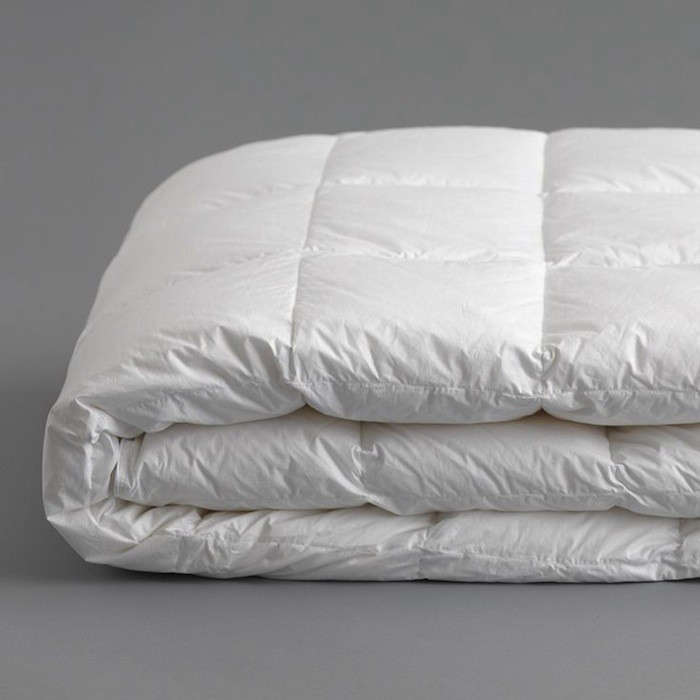
A down mattress topper is the bedding equivalent of adding whipped cream to hot chocolate: not strictly necessary, but suddenly everything feels more luxurious. If your mattress is too firm, slightly tired, or just missing that plush hotel-bed finish, a down mattress topper can create a softer, loftier sleep surface without forcing you to buy an entirely new mattress.
But here is the important part: a down mattress topper is not magic foam, orthopedic engineering, or a secret chiropractor hiding under your fitted sheet. It is mainly designed for softness, cushioning, breathability, and that cozy “sink-in gently” feeling. If your mattress is sagging like an old sofa, a topper will not fix the structural problem. If your mattress is supportive but feels a little too firm, however, down can be a dreamy upgrade.
This guide explains what a down mattress topper is, how it compares with feather, down alternative, latex, and memory foam toppers, what features matter most, how to care for one, and what real-life sleeping on one actually feels like.
What Is a Down Mattress Topper?
A down mattress topper is a removable bedding layer placed on top of your mattress to make the bed feel softer and more cushioned. It is usually filled with down clusters from ducks or geese, sometimes blended with feathers for structure. Down comes from the soft underlayer beneath the outer feathers of waterfowl. Unlike feathers, down does not have stiff quills, so it feels lighter, fluffier, and less poky.
Many products marketed as “down mattress toppers” are actually down-and-feather toppers or featherbeds. That is not necessarily a bad thing. A pure down topper feels incredibly soft but may flatten more quickly under body weight. A feather-and-down blend often gives more body and resilience, although lower-quality feathers can occasionally poke through the shell. Think of down as the marshmallow and feathers as the tent poles. One brings the plush; the other helps keep the shape.
Who Should Consider a Down Mattress Topper?
A down mattress topper is best for sleepers who want a softer, more luxurious surface. It works especially well if your mattress is supportive but too firm on your shoulders, hips, or knees. Side sleepers often enjoy the extra cushioning because it can reduce that “my hip is negotiating directly with the mattress” feeling.
Hot sleepers may also appreciate down because natural down and cotton shells tend to be more breathable than dense memory foam. Instead of hugging the body tightly, a down topper creates a light, airy layer. That said, down is also insulating, so people who already sleep very hot may prefer a thinner topper, a breathable cotton cover, or a down alternative designed for cooling.
A down mattress topper is less ideal for someone who needs firm support, spinal correction, or strong pressure relief from a sagging mattress. If your current bed has deep body impressions, a topper will simply follow the dip. In that case, the honest answer is less fun but more useful: the mattress itself may need replacing.
Down vs. Feather vs. Down Alternative
Down Mattress Topper
Down is soft, light, lofty, and luxurious. It creates that airy pillow-top feel many people associate with high-end hotels. High-quality down usually costs more, but it also tends to feel smoother and less crunchy than feather-heavy fills.
Feather Mattress Topper
Feather toppers are usually more affordable and can feel slightly more supportive than pure down. However, feathers have quills, so the shell fabric matters a lot. A tightly woven cotton cover helps prevent feathers from escaping or poking through. Feather toppers may also make more rustling noise than down.
Down Alternative Mattress Topper
Down alternative toppers use synthetic fibers, often microfiber or polyester clusters, to mimic the feel of natural down. They are popular with people who want a vegan option, have down sensitivities, or prefer easier cleaning. The trade-off is that some down alternative toppers may trap more heat or lose loft faster, depending on construction and fill quality.
Down Mattress Topper vs. Memory Foam Topper
A down mattress topper and a memory foam topper solve different sleep problems. Memory foam contours closely to the body, absorbs motion, and can provide more pressure relief. It is a good choice for people who want a slow-sinking, body-hugging feel.
Down, on the other hand, feels fluffy rather than contouring. It does not mold around your body in the same way, and it will not provide the same level of support. But it is easier to move around on, usually more breathable, and less likely to create that “stuck in quicksand” sensation. If memory foam is a slow hug, down is a soft landing.
Choose memory foam if you need pressure relief, motion isolation, or a firmer correction layer. Choose down if your main goal is plush comfort, softness, breathability, and a more traditional luxury-bed feel.
What to Look for in the Best Down Mattress Topper
1. Fill Power
Fill power measures the loft and insulating ability of down. In simple terms, higher fill power means larger, fluffier down clusters. For mattress toppers, a fill power around 550 to 700 is common for good loft and comfort. Premium toppers may go higher, but fill power alone does not tell the whole story. A topper also needs enough fill weight to feel substantial.
2. Fill Ratio
Some toppers contain mostly down, while others use a down-and-feather blend. A higher down percentage usually feels softer and smoother. More feathers may add structure and reduce cost, but can also increase noise and the chance of quills poking through.
3. Construction
Baffle-box construction is one of the most important features. It creates individual fabric chambers that help keep fill evenly distributed. Without good stitching or internal walls, the fill may migrate to the corners, leaving you sleeping on a sad, flat island in the middle of the bed.
4. Shell Fabric
A cotton shell is common because it is breathable and comfortable. Look for tightly woven cotton, cotton sateen, or cambric cotton. A dense weave helps keep tiny down fibers and feather tips inside the topper where they belong.
5. Thickness
Most down mattress toppers range from about 2 to 4 inches thick. A thinner topper adds gentle softness, while a thicker one creates a more dramatic pillow-top feel. Thicker is not always better for every sleeper. Petite sleepers may love the cloud-like feel, while heavier sleepers may compress the fill more quickly and need a denser or hybrid option.
6. Corner Straps or Anchor Bands
Some down mattress toppers include elastic straps to hold the topper in place. Others simply sit on top of the mattress under the fitted sheet. If you toss, turn, or perform what appears to be a sleep-based martial art at 2 a.m., straps can help reduce shifting.
7. Certifications
For natural down, look for responsible sourcing certifications such as Responsible Down Standard, often shortened to RDS. This indicates that the down and feathers were sourced according to animal welfare requirements. Textile certifications such as OEKO-TEX can also be useful because they address harmful substance testing in fabrics and finished goods.
Pros of a Down Mattress Topper
The biggest advantage of a down mattress topper is comfort. It can transform a hard mattress into something softer and more inviting. It also adds loft without the dense, heat-trapping feel that some foam toppers create.
Down is naturally lightweight, so moving the topper for fluffing or airing out is easier than wrestling a heavy slab of latex or memory foam. It also has a classic, cozy feel that works well for people who love plush bedding, thick comforters, and hotel-style layers.
Another benefit is movement. Because down does not grip the body like memory foam, it is easier to change positions. Combination sleepers who roll from side to back to stomach may find down more comfortable than foam that slowly remembers every decision they made during the night.
Cons of a Down Mattress Topper
Down mattress toppers are not perfect. They require fluffing to maintain loft, and they can flatten over time. Some are dry-clean only, which makes care less convenient. If the topper contains feathers, occasional poking may happen, especially if the shell fabric is not tightly woven.
Down may also be a concern for people with allergies or sensitivities. Some sleepers react to natural down itself, while others react to dust mites or particles trapped in bedding. A washable protector and regular airing can help, but highly sensitive sleepers may prefer down alternative.
Finally, down does not provide strong support. It makes a mattress feel softer, not firmer. If you need better spinal alignment, a latex topper or firmer foam topper may be a better choice.
How to Care for a Down Mattress Topper
Proper care makes a major difference. First, always read the care label. Some down mattress toppers are machine-washable, but many require professional cleaning or dry cleaning. Washing a large down topper at home can be risky because home machines may not rinse or dry it thoroughly. Damp down can clump, smell unpleasant, or develop mildew.
Use a breathable mattress protector over the topper to reduce sweat, spills, and dust. Fluff the topper regularly, ideally every week or two, and rotate it every month. If it starts looking flat, shake it out and let it air in a dry, sunny spot for a short period. Fresh air is basically a spa day for down.
If machine drying is allowed, dryer balls or clean tennis balls can help break up clumps and restore loft. Use low heat and make sure the topper is completely dry before putting it back on the bed. “Mostly dry” is not enough when down is involved. Down is dramatic that way.
How Long Does a Down Mattress Topper Last?
A good down mattress topper can last several years with proper care, but its lifespan depends on fill quality, shell fabric, sleeper weight, frequency of use, and maintenance. A guest-room topper may stay fluffy for years. A nightly-use topper under a restless sleeper, two dogs, and one suspiciously heavy weighted blanket will have a harder life.
Signs it may be time to replace your topper include permanent flat spots, clumping that does not improve with fluffing, feathers escaping regularly, odor that does not go away after cleaning, or a noticeable loss of comfort.
Is a Down Mattress Topper Good for Back Pain?
A down mattress topper can help with comfort, but it is not usually the best solution for back pain caused by poor support. If your mattress is too firm and creates pressure around the hips or shoulders, down may make the surface more comfortable. But if your lower back sinks too far into the mattress, adding a soft down layer may make alignment worse.
For back pain, first evaluate the mattress. If it is sagging, too soft, or uneven, replacing the mattress is usually better than adding a plush topper. If the mattress is supportive but slightly hard, a down topper may be a comfortable finishing layer.
Best Sleeping Positions for a Down Mattress Topper
Side Sleepers
Side sleepers often benefit most from a down mattress topper because the extra cushioning can soften pressure around the shoulders and hips. A thicker topper may feel especially comfortable on a firm mattress.
Back Sleepers
Back sleepers may enjoy a medium-loft down topper if their mattress already supports the lower back. Too much plushness can allow the hips to sink, so balance matters.
Stomach Sleepers
Stomach sleepers should be careful. A very soft topper can let the midsection sink too deeply, which may strain the lower back. A thinner topper or a firmer material may be better.
Real-Life Experiences With a Down Mattress Topper
The first night on a down mattress topper can feel surprisingly different. Instead of lying directly on the mattress, you feel as if there is a soft, breathable cushion between you and the bed. The surface has a gentle puffiness that makes climbing into bed feel more inviting. It is the kind of bedding upgrade that makes you say, “I’ll just lie down for five minutes,” which is famous last words for accidentally sleeping until morning.
One of the most noticeable experiences is how down changes the feel of a firm mattress. A firm mattress can be excellent for support, but some people find it too rigid at the surface. A down topper adds immediate softness without completely changing the personality of the mattress underneath. You still feel the support below, but the top layer becomes more forgiving.
Another real-world benefit is easier movement. With memory foam, some sleepers feel like they have to climb out of their own body impression every time they roll over. Down does not behave that way. It compresses under weight but rebounds loosely, so changing positions feels more natural. For combination sleepers, this can be a major comfort advantage.
Temperature is more personal. Many people find down breathable because air moves through the fill better than through dense foam. However, down is also used in warm comforters for a reason: it insulates. In a cool bedroom, this feels cozy and luxurious. In a warm room with heavy bedding, it may feel too warm. The best setup is usually a breathable cotton sheet, a lighter blanket, and a room temperature that does not make your bed feel like a slow cooker.
Fluffing is part of the ownership experience. A down mattress topper is not a “set it and forget it forever” product. It needs shaking, rotating, and occasional airing. Some sleepers enjoy this because it feels like refreshing the bed. Others may find it annoying. If you want bedding that behaves exactly the same every night with zero maintenance, latex or foam may be a better match.
There is also a difference between luxury down and budget feather-heavy toppers. A high-quality down topper feels smoother, quieter, and more cloud-like. A cheaper featherbed may still feel cozy, but it can rustle, flatten faster, or occasionally poke. That does not mean budget options are bad; it simply means expectations matter. If you want a soft camping-cabin featherbed feel, a feather blend may be fine. If you want five-star hotel softness, pay attention to fill power, down percentage, shell fabric, and construction.
Couples may have mixed reactions. If one partner loves plush bedding and the other prefers a firm surface, a down topper can either be a perfect compromise or a nightly debate. Because down mainly softens the surface, it may work well when both people already like the mattress but want more comfort. If one partner needs strong support, a split topper or different mattress solution may be smarter.
Pets are another real-life factor. Dogs and cats often approve of down toppers with suspicious enthusiasm. Unfortunately, claws, accidents, and shedding can shorten the life of the topper. A washable mattress protector becomes essential. Without one, your luxury bedding investment can quickly become a very expensive pet throne.
Overall, living with a down mattress topper feels like choosing comfort with a little maintenance attached. It is plush, breathable, elegant, and wonderfully cozy, but it asks for care in return. For the right sleeper, that trade-off is absolutely worth it.
Final Thoughts: Should You Buy a Down Mattress Topper?
A down mattress topper is a smart choice if you want to soften a firm mattress, add plush comfort, and create a more luxurious sleep surface. It is especially appealing for side sleepers, comfort lovers, and anyone who wants a bed that feels more like a boutique hotel and less like a politely upholstered table.
It is not the best choice if your mattress is sagging, you need firm support, or you want a completely maintenance-free bedding layer. But if your mattress already has good support and simply needs a softer, airier finish, a down mattress topper can be one of the most satisfying upgrades you can make.
The best down mattress topper should have quality fill, breathable shell fabric, secure construction, responsible sourcing, and care instructions that match your lifestyle. Choose carefully, protect it well, fluff it often, and your bed may become dangerously difficult to leave in the morning.