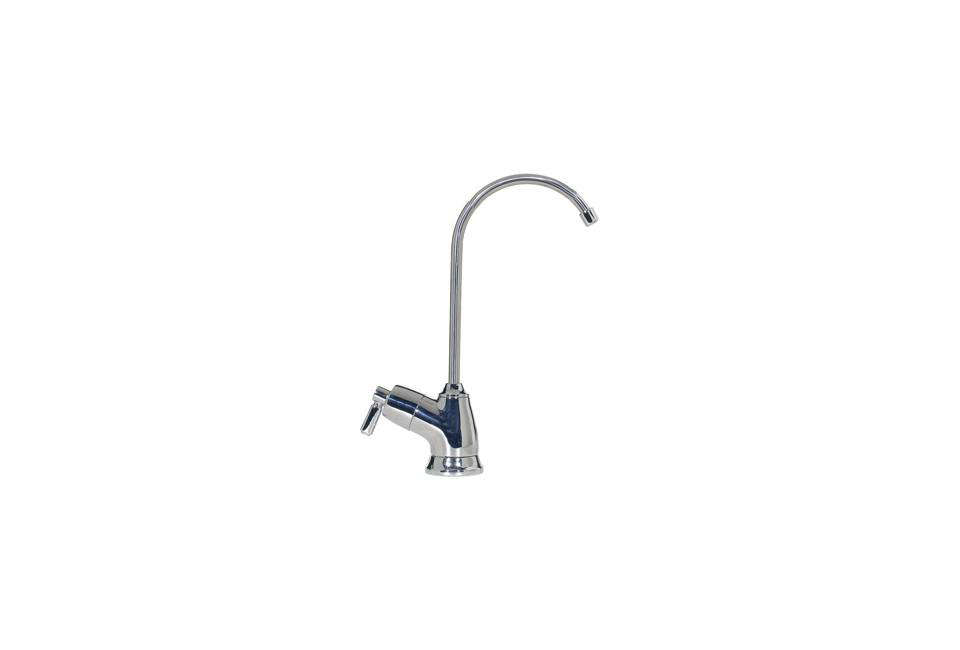
A Dupont stainless steel filtered water faucet sounds like the kind of kitchen upgrade that should arrive wearing sunglasses: sleek, practical, and quietly judging your plastic water bottle habit. In reality, the phrase usually refers to DuPont-style filtered water solutions with a stainless, chrome, or brushed-metal lookoften faucet-mounted systems or under-sink filtration kits that deliver cleaner-tasting water right where you need it: at the kitchen sink.
For homeowners, renters, apartment dwellers, coffee lovers, soup makers, and anyone who has ever stared suspiciously at cloudy ice cubes, a filtered water faucet can be a small change with a big daily payoff. It may improve taste, reduce chlorine odor, help trap sediment, and, depending on the certified cartridge, reduce contaminants such as lead, cysts, mercury, or volatile organic compounds. The important phrase is depending on the certified cartridge. A shiny faucet is not a magic wand. It needs the right filter, proper installation, and timely replacement.
This guide explains what a DuPont filtered water faucet is, how stainless-style finishes fit modern kitchens, what features matter, what to check before buying, and how real-life use feels after the “new gadget excitement” wears off.
What Is a Dupont Stainless Steel Filtered Water Faucet?
A filtered water faucet is a point-of-use drinking water solution. Instead of treating every drop entering the home, it filters the water you actually drink, cook with, or use for tea and coffee. DuPont-branded consumer water products have included faucet-mount filters, QuickTwist under-sink drinking water systems, replacement cartridges, and filtration technologies used in residential water treatment.
The “stainless steel” part often describes the finish and kitchen appearance rather than the entire internal construction. Many faucet-mount filters use plastic housings with chrome or metallic finishes, while dedicated under-sink drinking water faucets may use stainless steel or lead-free metal components. That distinction matters. A product can look stainless, match stainless appliances, and still have a plastic filter housing. That is not automatically bad; it simply means shoppers should read the material list, performance data sheet, and certification details before clicking “buy.”
Why Filter Water at the Faucet?
Most municipal tap water in the United States is treated and monitored, but water quality can still vary by city, building age, plumbing materials, source water, and local conditions. A faucet filter gives you a final polishing step at the point where water enters your glass. Think of it as the bouncer at the club door: it cannot fix the entire city, but it can make sure your drink has a better guest list.
Better Taste and Odor
One of the biggest reasons people install faucet filters is taste. Chlorine and chloramine are commonly used by utilities for disinfection, and while they serve an important safety role, they can leave water tasting like it spent spring break in a swimming pool. Activated carbon filters are widely used to reduce chlorine taste and odor, making water more pleasant for drinking, cooking, coffee, tea, and ice.
Convenience Compared With Pitchers
Filter pitchers are affordable, but they require refilling, waiting, and refrigerator space. A faucet-mounted or under-sink filtered water faucet is more immediate. Turn the handle or switch the diverter, and filtered water flows. For families that drink a lot of water, that convenience matters. Nobody wants to discover an empty pitcher at 11 p.m. and start mentally nominating household members for “Hydration Negligence Court.”
Less Plastic Bottle Waste
A reliable filtered faucet can reduce the temptation to buy cases of bottled water. That can save money over time and reduce single-use plastic waste. The savings depend on your local water quality, filter replacement cost, and household usage, but the everyday convenience is easy to notice.
Key Features to Look For
1. Finish and Kitchen Compatibility
A stainless steel or chrome finish helps a filtered faucet blend with modern appliances, cabinet hardware, and sink fixtures. If your kitchen already has stainless steel appliances, a brushed nickel or chrome-style filter faucet usually looks more intentional than a bulky white attachment. Still, measure your sink area before buying. Faucet-mount filters add weight and width to the end of the faucet, and they may interfere with shallow sinks, soap dispensers, or window ledges.
2. Filter Capacity
DuPont faucet-mount systems have historically included 100-gallon and 200-gallon filter capacities, while some under-sink systems have been rated for much higher capacity. Filter capacity tells you how much water the cartridge can process before replacement. A single person may stretch a 100-gallon cartridge longer than a busy family of five. If your household fills multiple bottles daily, cooks pasta often, and treats iced tea like a food group, choose a higher-capacity option.
3. Certified Contaminant Reduction
Do not buy based only on words like “pure,” “premium,” or “advanced.” Those words look nice on a box, but certifications do the heavy lifting. NSF/ANSI Standard 42 generally relates to aesthetic effects such as chlorine taste and odor. NSF/ANSI Standard 53 relates to health-related contaminant reduction, such as lead, cysts, or certain chemicals, when those specific claims are listed. For lead concerns, look for a product certified by an accredited third party for lead reduction and read the performance data sheet carefully.
4. Flow Rate
Flow rate determines how fast filtered water comes out. Some DuPont QuickTwist-style systems have been listed around 1 gallon per minute, while faucet-mounted filters may flow more slowly. Slower flow is not always a defect; filtration needs contact time. But if filling a pasta pot feels like watching a dramatic documentary about patience, the filter may not fit your routine.
5. Filter Change Indicator
Some deluxe faucet filters include electronic meters or indicators that track gallons used. This is more useful than guessing by calendar date alone. A family that uses filtered water heavily may need replacements sooner than a household that only fills a few glasses per day. Ignoring cartridge replacement can reduce performance and may make the system less hygienic.
Faucet-Mount vs. Under-Sink Filtered Faucet
There are two main routes: faucet-mounted filters and under-sink systems with a dedicated filtered water faucet.
Faucet-Mount Filters
Faucet-mount filters attach directly to the end of a standard kitchen faucet. They are usually inexpensive, easy to install, and renter-friendly. Many require no drilling and no plumber. A diverter lets you choose filtered or unfiltered water, which helps preserve cartridge life. However, they typically do not fit pull-out, pull-down, handheld, spray-style, or sensor faucets. They also place visible hardware at the faucet tip, which some people love for convenience and others dislike for aesthetics.
Under-Sink Systems With a Dedicated Faucet
Under-sink systems hide the filter below the counter and send filtered water through a separate faucet on the sink deck. This setup looks cleaner and often supports higher-capacity filtration. Installation is more involved because it may require connecting to the cold-water line and using an existing sink hole or drilling a new one. For homeowners planning a kitchen upgrade, this option can feel more polished and permanent.
Installation: What to Expect
Faucet-mount installation is usually straightforward: remove the faucet aerator, select the right adapter, attach the filter unit, flush the cartridge, and check for leaks. The most common headache is adapter compatibility. Keep the little rubber washers, do not over-tighten, and resist the urge to use superhero strength. Plumbing parts prefer confidence, not combat.
Under-sink installation takes more planning. You typically shut off the cold-water supply, install a feed adapter, mount the filter head, connect tubing, install the filtered water faucet, flush the system, and inspect every connection. If your sink already has a spare hole for a sprayer or soap dispenser, installation is easier. If not, drilling may be required, especially on stainless steel or countertop material. When in doubt, hire a plumber; saving money is great, but accidental indoor waterfalls are rarely part of the kitchen design plan.
Maintenance Tips for Best Performance
A filtered water faucet is not a “set it and forget it forever” appliance. Replace the cartridge on schedule, flush new filters as directed, and clean the faucet exterior regularly. If water pressure drops sharply, the cartridge may be clogged with sediment or past its useful life. If filtered water develops an odd taste, do not ignore it. Check the cartridge date, confirm the system was flushed properly, and inspect the faucet or tubing.
For homes with private wells, older plumbing, or known contamination issues, consider testing the water first. A filter should be chosen for the specific problem. Carbon filtration can help with taste and certain contaminants, but it may not address every concern. Reverse osmosis, ultrafiltration, or specialty cartridges may be needed for particular substances. The best filter is not the fanciest one; it is the one certified for what is actually in your water.
Pros and Cons of a Dupont Stainless Steel Filtered Water Faucet
Pros
A DuPont-style filtered water faucet can improve taste, reduce odor, offer convenient filtered water on demand, and reduce bottled water use. Stainless or chrome finishes pair well with modern kitchens, and faucet-mounted models are often easy to install without permanent changes. Some deluxe models also include filter life meters, which make maintenance easier.
Cons
Not every model is widely available today, and some legacy DuPont faucet filters may be discontinued or easier to find through replacement-part sellers and secondary marketplaces. Faucet-mounted units may not fit modern pull-down faucets. Filter replacements add ongoing cost, and contaminant reduction depends entirely on the certified cartridge. A stainless-looking finish also does not guarantee all-stainless construction.
Who Should Consider This Type of Filter?
This type of filtered faucet is a strong choice for people who mostly want better-tasting tap water, easier access than a pitcher, and a cleaner kitchen look. It is especially useful for renters with standard faucets, homeowners who want a modest upgrade, families trying to reduce bottled water, and coffee drinkers who know that bad water can turn good beans into expensive sadness.
It may not be the best solution if your water has serious contamination, if you need whole-house treatment, or if your faucet design is incompatible. In those cases, test your water and choose a system certified for the issue, whether that means a higher-grade under-sink filter, reverse osmosis system, or professional water treatment setup.
Buying Checklist Before You Choose
Before buying a Dupont stainless steel filtered water faucet or compatible replacement system, check these details: faucet compatibility, filter capacity, replacement cartridge availability, NSF/ANSI certification claims, flow rate, installation requirements, warranty, and whether the finish matches your sink. Also confirm whether the product is current or discontinued. A bargain filter is not a bargain if replacement cartridges are harder to find than your missing left sock.
For under-sink systems, check the available cabinet space and whether your sink has a spare hole for the filtered water faucet. For faucet-mounted systems, confirm that your faucet is a standard threaded model. Pull-out sprayers, handheld faucets, and sensor faucets usually require different filtration solutions.
Real-World Experiences With a Dupont Stainless Steel Filtered Water Faucet
In everyday kitchen life, the first thing most people notice about a filtered faucet is not a laboratory numberit is taste. Water that once had a chlorine edge becomes smoother, especially when chilled. Coffee tastes cleaner because the water no longer fights the beans for attention. Tea looks clearer, ice cubes smell less “freezer mystery,” and drinking plain water becomes less of a responsible chore and more of a normal habit.
The second experience is convenience. A faucet-mounted filter is especially satisfying during the first week because the installation feels like a small victory. You attach it, run the water, flip the switch, and suddenly your kitchen seems slightly smarter. There is no pitcher to refill and no bottle case to haul from the car. For apartments, this can be a practical sweet spot: better water without asking the landlord for permission to remodel the plumbing like you are filming a renovation show.
After a month, the real personality of the system appears. If the filter has a good diverter, you quickly learn to use unfiltered water for washing dishes and filtered water for drinking and cooking. This habit extends cartridge life. If the unit has an electronic meter, it removes the guesswork. Without a meter, many people rely on calendar reminders, but usage-based replacement is more accurate. A household that fills sports bottles, coffee makers, pet bowls, and cooking pots will burn through capacity faster than a household that only drinks a few glasses per day.
There are small annoyances too. Faucet-mounted filters make the faucet bulkier, and in a shallow sink, large pots may bump the unit. The water flow may feel slower than the regular tap, especially when filling big containers. Adapters can be fiddly, and if a washer is misplaced, you may get a tiny leak that behaves like it has a personal grudge. Most issues are solvable, but they remind you that water filters are practical appliances, not decorative sculptures.
The best experience comes from matching expectations to reality. A stainless-style DuPont filtered faucet can be excellent for improving everyday tap water taste and convenience. It is not a universal cure for every water problem. Smart users check certifications, replace cartridges on time, and clean the faucet area regularly. When maintained well, the system quietly becomes part of the kitchen routine. You stop thinking about it, which is probably the highest compliment a water filter can receive. It just works, glass after glass, cup after cup, pasta night after pasta night.
Conclusion
A Dupont stainless steel filtered water faucet is best understood as a practical kitchen upgrade that combines cleaner-tasting water, convenient access, and a modern stainless or chrome-style appearance. Whether you choose a faucet-mounted DuPont-style filter or an under-sink system with a dedicated filtered faucet, the smartest decision starts with your water quality, your faucet type, and the certifications printed on the product’s performance data sheet.
For better taste, less chlorine odor, and fewer plastic bottles, this category can make daily hydration easier. For lead, cysts, VOCs, PFAS, or other specific concerns, do not guessverify. Look for third-party certifications, check cartridge availability, and replace filters on schedule. Do that, and your kitchen faucet can become something quietly wonderful: the easiest place in the house to get a clean, refreshing glass of water.