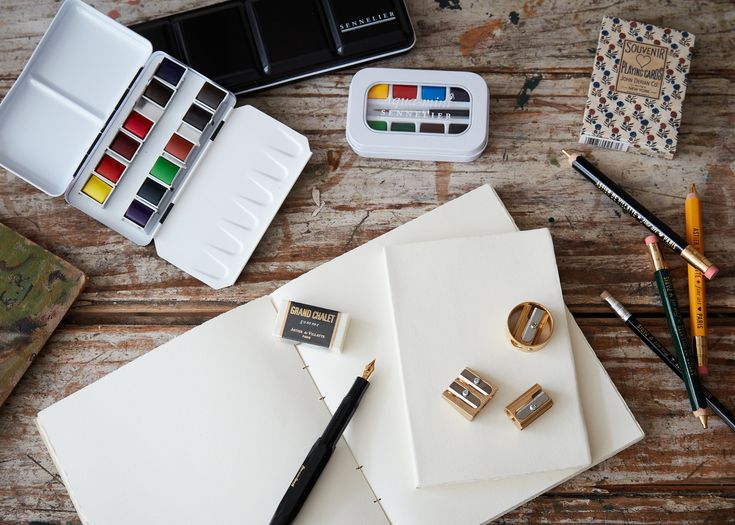
Some sketchbooks feel like temporary parking lots for half-formed ideas. Elam Sketchbooks feel more like a small, well-lit studio you can carry under one arm. They are handsome, tactile, quietly luxurious, and built for people who still believe a good page can change the direction of a day. In an age where every phone has a notes app, that is almost rebellious. Delightfully rebellious, even.
When shoppers search for Elam Sketchbooks, they are usually looking for the handcrafted sketchbooks associated with Elam Books: fine-bound artist books made with quality paper, traditional construction, and a strong decorative identity. These are not basic spiral pads meant to be tossed into a backpack with a banana and a suspiciously uncapped marker. They are designed for drawing, watercolor studies, gouache experiments, journaling, design notes, travel sketches, and creative work that deserves a better home than the back of a grocery receipt.
This guide explores what makes Elam Sketchbooks special, how the paper performs, who should buy them, what materials work best, and how to get the most from one without treating it like a museum artifact. Because yes, a beautiful sketchbook should be respected. But it should also be used. Otherwise, it is just a very elegant rectangle.
What Are Elam Sketchbooks?
Elam Sketchbooks are premium handmade sketchbooks known for their fine bookbinding, decorative covers, and acid-free Fabriano laid paper. The brand’s identity leans toward traditional European craftsmanship with an artistic, worldly sense of pattern. Depending on the collection and retailer, the covers may feature papers inspired by Japanese, Nepalese, Italian, or German decorative traditions. The result is a sketchbook that looks like it belongs on a studio desk, a design shelf, or beside a cappuccino that costs more than lunch.
The key appeal is not only the cover, though the covers do a lot of charming. The real value sits in the combination of hand-sewn construction, quality paper, and a format that invites artists to slow down. Many mass-market sketchbooks are made for speed and convenience. Elam Sketchbooks are made for attention. They encourage deliberate marks, layered ideas, and pages that feel worth returning to.
Why Artists Notice the Paper First
Paper is the quiet hero of any sketchbook. A cover may lure you in, but the paper decides whether you stay in love. Elam Sketchbooks are commonly described as using acid-free Fabriano laid paper, often around 180 gsm. That matters because paper weight, texture, and acidity affect how a page handles graphite, ink, watercolor, gouache, and mixed media.
Acid-Free Paper Matters
Acid-free paper is designed to resist yellowing and deterioration better than acidic paper. For artists, this is not a tiny technical footnote. It means your sketch of a street corner, portrait study, botanical note, or dramatic drawing of your cat judging you from the windowsill has a better chance of aging gracefully.
Acid-free does not automatically mean indestructible, archival in every possible condition, or immune to coffee spills. It simply means the paper begins with a more stable chemical foundation. For creative work you may want to save, scan, frame, or revisit years later, that stability is worth having.
What 180 GSM Means in Real Life
GSM stands for grams per square meter, a measurement of paper weight. A 180 gsm sheet is heavier than common sketch paper and more flexible than heavyweight watercolor paper. In practice, that makes it useful for pencil, colored pencil, ink, light watercolor, gouache studies, and mixed-media sketching.
It is not the same as a 300 gsm cotton watercolor block. If you flood the page like you are reenacting a monsoon, it may buckle. But for light washes, controlled brushwork, ink-and-wash sketches, and layered dry media, Elam’s paper weight sits in a versatile sweet spot. Think “serious sketchbook,” not “industrial mop-water battlefield.”
The Beauty of Laid Paper
Laid paper has a subtle textured pattern that comes from traditional papermaking methods. This texture gives drawings a pleasing surface character. Graphite can catch beautifully on the tooth. Ink lines can feel warmer and less sterile than they do on ultra-smooth paper. Watercolor washes may settle with a handmade personality rather than a factory-perfect flatness.
That texture is part of the charm. If your style depends on razor-sharp technical pen lines, perfectly smooth marker blends, or glossy comic-style finishes, you may prefer a smoother sketchbook. But if you enjoy expressive marks, visible hand movement, and paper that participates in the artwork, laid paper is a joy.
Elam Sketchbooks and Fabriano Paper Heritage
Fabriano is one of the most respected names in fine art paper. Its history stretches back to medieval Italy, and the town of Fabriano became central to European papermaking traditions. That heritage gives Elam Sketchbooks an added layer of credibility. The paper is not just “nice paper” in the vague way every product description says nice things. It connects to a long tradition of artist materials, writing papers, and book arts.
For working artists, the practical takeaway is simple: Elam Sketchbooks are built around paper that feels intentional. It has enough body for thoughtful work, enough texture to give marks life, and enough refinement to make ordinary sketches feel a little more considered.
Hand-Bound Construction: Why It Feels Different
The binding is one of the biggest reasons Elam Sketchbooks stand apart from everyday pads. Hand-sewn or traditionally bound sketchbooks tend to feel more permanent. The pages are gathered, secured, and attached in a way that gives the book structure and personality. Some retailer descriptions mention sewn spines, glued and rounded backs, and covers attached to the sewn book block.
This makes the sketchbook feel less disposable. It opens like a book, ages like a book, and stores like a book. If you use sketchbooks as visual journals, project archives, travel records, or idea libraries, that matters. A well-bound book is easier to keep on a shelf and revisit later. Spiral pads are practical, but they rarely feel like treasured objects. They feel like they are waiting for someone to rip out a page during a meeting.
Best Uses for Elam Sketchbooks
Elam Sketchbooks are versatile, but they shine in certain creative situations. The paper and binding make them especially good for artists, designers, illustrators, writers, and visual thinkers who want a portable book that can handle more than casual doodling.
Graphite and Pencil Drawing
Pencil feels natural on laid paper. The surface gives graphite something to grip, which helps lines appear lively rather than flat. Light sketching, tonal studies, gesture drawings, architectural thumbnails, and figure studies all work well. Softer pencils can create rich texture, while harder pencils remain crisp enough for planning and detail.
Ink and Line Work
Fine liners, fountain pens, brush pens, and dip pens may perform well, although testing is wise. Because paper texture affects line behavior, some pens may produce a slightly textured edge. For many artists, that is a feature, not a flaw. It gives the line character. For heavy ink applications, test the back page first to check for bleed-through or feathering.
Watercolor and Gouache Studies
Elam Sketchbooks can be suitable for watercolor and gouache, especially when used with moderate water. They are excellent for color notes, travel studies, thumbnails, botanical sketches, and gentle washes. Gouache artists may enjoy the paper because gouache rewards surface control and does not always require the same water load as transparent watercolor.
For best results, use fewer watery layers, let pages dry fully, and avoid scrubbing the same area repeatedly. The page can handle art, but it does not need to be power-washed.
Creative Journaling
These books are also excellent for visual journaling. You can combine short written notes, color swatches, sketches, small diagrams, collage elements, and daily observations. The elegant cover makes the habit feel ceremonial, which can help you actually keep the habit. Never underestimate the motivational power of stationery that makes you feel like a cultured genius.
Who Should Buy Elam Sketchbooks?
Elam Sketchbooks are a strong fit for artists who value materials as part of the creative experience. They are ideal for people who want a sketchbook that feels special without being too precious to use. They are also appealing to designers, architects, illustrators, calligraphers, art students, collectors of fine stationery, and gift buyers looking for something more memorable than another plain notebook.
They may not be the best choice for everyone. If you need cheap practice paper for hundreds of loose exercises, a budget pad makes more sense. If you use alcohol markers heavily, choose marker paper. If you paint large, wet watercolor pieces, a dedicated watercolor block is safer. But if your work blends drawing, light paint, writing, and visual thinking, Elam Sketchbooks offer a beautiful middle ground.
How to Choose the Right Size
Elam Sketchbooks are often sold in multiple sizes, from small portable formats to larger studio-friendly books. Choosing the right size depends on how you work.
Small Sketchbooks
A small Elam Sketchbook is perfect for daily carry, travel drawing, museum notes, café sketches, quick thumbnails, and creative journaling. It fits into a bag easily and lowers the pressure of the blank page. Small pages are less intimidating. They whisper, “Just draw the chair.” Large pages sometimes shout, “Create your legacy immediately.”
Medium Sketchbooks
Medium sizes are the most versatile. They offer enough room for composition studies, portraits, lettering, and mixed-media pages while remaining portable. If you are buying your first Elam Sketchbook, a medium size is usually the safest choice.
Large Sketchbooks
Larger books are wonderful for studio work, expressive drawing, design layouts, and pieces that need breathing room. They are less convenient for travel but more satisfying for artists who think with their whole arm, not just the wrist.
How to Use an Elam Sketchbook Without Fear
The hardest part of owning a beautiful sketchbook is making the first mark. Many artists develop “fancy sketchbook paralysis,” a very real condition in which the book is too pretty, the page is too clean, and the artist suddenly forgets how hands work.
The cure is simple: ruin the first page on purpose. Write your name. Make swatches. Draw six bad circles. Tape in a receipt. Create a color chart. Once the first page is no longer perfect, the book becomes usable. Perfection is the enemy of a good sketchbook. Curiosity is the point.
Care Tips for Elam Sketchbooks
Because these books use quality paper and decorative covers, a little care goes a long way. Store the sketchbook in a dry place away from direct sunlight. Avoid leaving it in a hot car, a damp bag, or under a leaky water bottle. If you use wet media, let pages dry fully before closing the book. A sheet of clean scrap paper can help protect facing pages when working with graphite, pastel, or heavy pigment.
If you plan to preserve finished pages, scan or photograph them. Even good paper benefits from careful storage. Light, humidity, dust, and rough handling are the natural enemies of works on paper. Fortunately, they are easier to defeat than creative block. Usually.
Elam Sketchbooks as Gifts
An Elam Sketchbook makes an excellent gift because it feels personal without requiring you to know someone’s exact shoe size, coffee order, or emotional relationship with scented candles. It works for artists, writers, travelers, students, designers, and anyone who likes beautiful objects with a purpose.
Pair it with a graphite pencil, waterproof ink pen, travel watercolor set, or small note explaining why you chose it. That turns a sketchbook into an invitation: go observe, record, draw, think, wander, and make something. It is a better message than “Here is another mug,” although mugs also have their place in civilization.
Are Elam Sketchbooks Worth It?
For the right person, yes. Elam Sketchbooks are worth considering if you care about paper quality, traditional binding, visual design, and the physical pleasure of making art in a well-crafted book. Their value is not measured only by page count. It is measured by how often you reach for the book, how good the paper feels under your hand, and whether the object encourages you to create more thoughtfully.
They are not the cheapest sketchbooks, and they are not trying to be. They occupy the space between practical artist tool and beautiful handmade object. That combination is exactly why people notice them.
Personal Experience: Living With an Elam Sketchbook
Using an Elam Sketchbook feels different from using a standard drawing pad. The first difference is psychological. Because the book looks finished before you even touch it, you feel an immediate urge to make better work. That can be intimidating for about five minutes. Then, once you begin, the pressure turns into focus. The book seems to ask for attention, not perfection.
For pencil sketches, the paper has a satisfying grip. Quick lines do not skate across the surface; they settle into it. A simple contour drawing of a coffee cup can look more intentional because the laid texture adds quiet movement. Softer graphite creates handsome shadows, while light erasing is usually manageable if you do not attack the page like you are sanding a deck.
Ink is where the sketchbook becomes especially enjoyable. A waterproof fine liner gives crisp enough lines for urban sketching, but the paper texture keeps the result from feeling mechanical. It is a good surface for imperfect drawings, which is a compliment. The page makes small wobbles look human rather than sloppy. That matters when you are sketching in public and your subject keeps moving, which people rudely insist on doing.
With watercolor, the best approach is restraint. Light washes work beautifully for skies, shadows, foliage, clothing, and quick color notes. If you use too much water, the page may ripple, but that is common in many sketchbooks below heavy watercolor weight. Gouache behaves nicely when applied in controlled layers. It is especially useful for travel pages where you want bold color without soaking the sheet.
The binding also changes the experience. A hand-bound sketchbook feels like a continuing story. Each spread relates to the next. You become less tempted to tear out imperfect pages because the book has a rhythm. Bad pages become part of the record. Oddly, that makes the sketchbook more honest and more useful. A perfect sketchbook is often an unused sketchbook. A messy, filled Elam Sketchbook is evidence of attention.
One of the best uses is project development. For example, an illustrator could reserve one Elam Sketchbook for character studies: faces, costumes, gestures, color palettes, and notes. A designer could use another for logo thumbnails, packaging ideas, and client meeting sketches. A traveler could document a city through doorways, meals, street signs, plants, and overheard phrases. The book is formal enough to preserve the project but flexible enough to invite experiments.
There is also a small ritual pleasure in opening a beautiful sketchbook at the beginning of a work session. It slows the hand and sharpens observation. That may sound romantic, but creative routines often depend on tiny signals. A good sketchbook says, “This time matters.” Sometimes that is enough to get you drawing when motivation is hiding under the couch.
The only caution is to avoid saving it for a mythical “important project.” Use it now. Draw the spoon. Paint the plant. Write the strange idea. Make the ugly thumbnail that leads to the better composition. Elam Sketchbooks are beautiful, but their real purpose is not to sit untouched on a shelf looking cultured. Their purpose is to collect evidence that you were paying attention.
Conclusion
Elam Sketchbooks combine fine bookbinding, decorative design, acid-free Fabriano laid paper, and practical creative versatility. They are ideal for artists and visual thinkers who want a sketchbook that feels meaningful in the hand and dependable on the desk. While they are not a replacement for every specialized paper pad, they offer a thoughtful balance for drawing, ink, light watercolor, gouache, journaling, and project planning.
If you want a sketchbook that encourages slower looking, better habits, and more intentional pages, Elam Sketchbooks deserve attention. They are proof that analog tools still matter. A blank page, when it is a really good blank page, can still feel like an adventure waiting politely for your pencil.