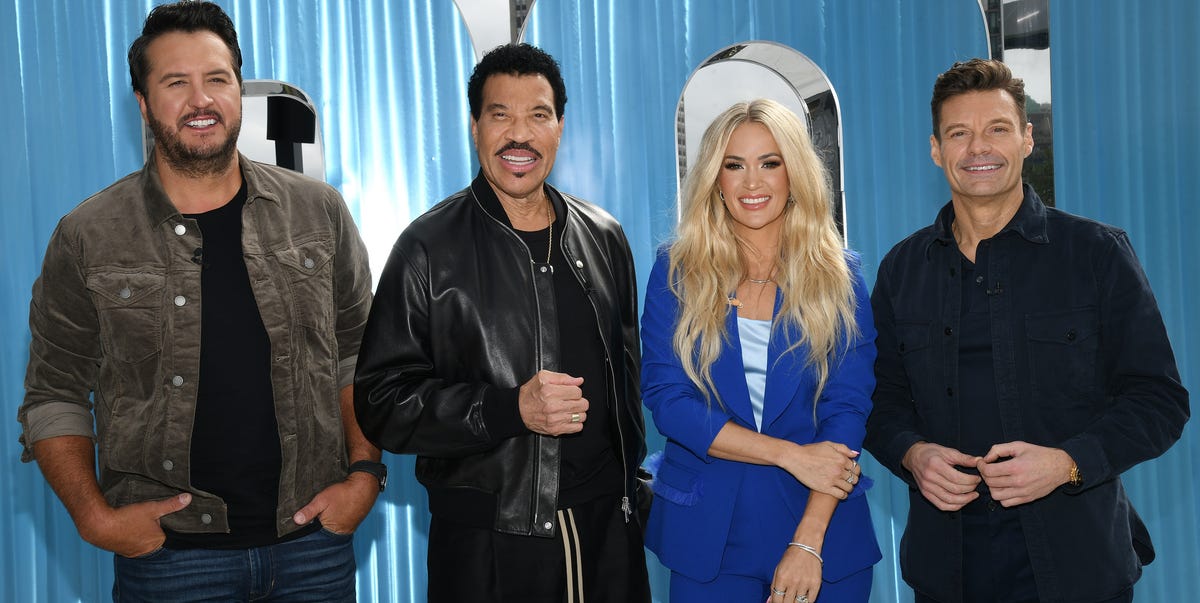
If American Idol wanted a headline-grabbing, full-circle season in 2025, it absolutely delivered. Season 23 was the kind of TV comeback story producers probably dream about while staring dramatically at a spotlight. Carrie Underwood returned not as a contestant, but as a judge. Ryan Seacrest was back in host mode. Lionel Richie and Luke Bryan returned to keep the panel balanced between heart, humor, and the occasional “that was not your best note, my friend.” Then the show added Jelly Roll as its first-ever Artist in Residence, sprinkled in emotional auditions, a Hawaii performance round, and a finale big enough to make your group chat suddenly care about appointment television again.
In other words, American Idol Season 23 in 2025 was not just another cycle of auditions and eliminations. It was a nostalgia machine, a talent showcase, and a reminder that this franchise still knows how to build a moment. For longtime fans, the season felt like coming home. For newer viewers, it was a polished, emotional, highly bingeable introduction to why Idol remains one of the biggest singing competitions on TV.
What Made “American Idol” Season 23 Such a Big Deal?
The biggest reason Season 23 mattered was simple: Carrie Underwood came back to the show that made her famous. That alone gave the season a built-in story arc. Twenty years after winning Season 4 in 2005, Underwood returned to the judges’ table as the first former American Idol winner ever to judge the series. That is not just a fun trivia fact. It changed the whole energy of the season.
Unlike a judge who only knows the music business from the superstar side, Underwood knew exactly what contestants were going through. She had stood on that stage, survived the pressure, dealt with theme weeks, and learned how weirdly stressful it is to sing while cameras zoom in like they are filming a documentary about your pores. Her presence made the season feel more personal, more credible, and frankly more emotional.
Season 23 also benefited from strong chemistry. Luke Bryan remained the panel’s easygoing class clown with surprisingly sharp instincts. Lionel Richie stayed wonderfully Lionel Richie-ish, which is to say warm, wise, and occasionally one sentence away from sounding like he was blessing the room. Ryan Seacrest, meanwhile, continued doing what Ryan Seacrest does best: keeping the machine moving while somehow making chaos look professionally moisturized.
When Did “American Idol” Season 23 Premiere in 2025?
The season rolled out in two steps. First, ABC aired a special preview after the Oscars on March 2, 2025. Then the regular season officially premiered on March 9, 2025. That strategy was smart. It gave the show a giant spotlight right after one of television’s biggest live events, then used the following week to launch the season properly.
For viewers wondering how to watch American Idol Season 23, the answer was pretty straightforward: episodes aired on ABC and were available for next-day streaming on Hulu. That combination kept the series friendly to both traditional TV viewers and the “I’ll watch it tomorrow in sweatpants with snacks” crowd.
The voting setup also remained a huge part of the experience. Fans could support contestants online, by text, and through official social voting options during eligible windows. That interactive piece still matters. Idol is not just about who sings well. It is about who connects, who creates momentum, and who makes viewers feel like they need to vote before brushing their teeth.
Who Were the Judges and Host for Season 23?
Carrie Underwood
Let’s start with the headline act. Carrie Underwood replaced Katy Perry as a judge for Season 23, and her arrival changed the tone of the season immediately. She brought contestant empathy, genre flexibility, and the kind of authority that comes from actually winning the whole thing and building a massive career afterward. She was not there to play “mean judge” for fun. She was there to help contestants figure out what kind of artist they could become.
Luke Bryan
Luke Bryan continued to be an important part of the show’s personality. He knows how to give notes without flattening someone’s confidence, and he is great at making tense moments feel lighter. Every competition show needs somebody who can critique a performance and still seem like he might offer you a sandwich after.
Lionel Richie
Lionel Richie remained the emotional center of the panel. He often spoke less like a judge and more like the world’s calmest music sage. When contestants needed confidence, he gave them reassurance. When they needed honesty, he delivered it with class. The man can make a pep talk sound like liner notes to a greatest-hits album.
Ryan Seacrest
Ryan Seacrest returned as host, which kept the season anchored in familiar territory. Whether he is reading results, throwing to commercials, or standing in the middle of collective panic after a high-risk ballad, he still makes American Idol feel like American Idol.
What Was New in “American Idol” Season 23?
Season 23 did not just rely on Carrie Underwood nostalgia. It also introduced a few smart wrinkles that kept the format from feeling stale.
Jelly Roll as the First-Ever Artist in Residence
One of the season’s best additions was Jelly Roll, who joined as American Idol’s first-ever Artist in Residence. That title sounds a little like someone who lives in the theater basement with a guitar and emotional wisdom, and honestly, that was not far off. His role was to mentor contestants more consistently than a one-night guest star would, helping them handle song choice, nerves, performance prep, and the strange emotional weather system known as reality TV.
It was a smart move because Jelly Roll felt accessible. He did not come across as a distant celebrity dropping in for a branded smile. He felt involved. He had warmth, credibility, and enough real-life grit to make his advice feel useful instead of packaged.
Aulani, Hawaii and the Top 24 Round
Once the season narrowed down, the Top 24 headed to Disney’s Aulani Resort in Hawaii, where the show leaned into its usual mix of tropical scenery and high-stakes nerves. It is one of Idol’s favorite formulas: beautiful setting, sweaty palms, career-defining performances. Josh Groban and Ashanti helped mentor contestants there, giving the round a strong musical backbone instead of turning it into a fancy vacation slideshow.
This part of the competition often separates the good from the memorable. A singer can sound great in an audition room. Doing it under pressure, with cameras everywhere and America preparing opinions in real time, is a different sport entirely.
The “Songs of Faith” Easter Special
Season 23 also featured a three-hour Easter Sunday “Songs of Faith” episode, which was one of the season’s more unusual and talked-about programming choices. The remaining contestants performed faith-inspired songs, while special guests and judges also took the stage. In a season full of big production swings, this episode stood out because it leaned hard into sincerity. No gimmick, no fake drama, just emotion, vocals, and a lot of people trying very hard not to ugly-cry on camera.
The Contestants Who Helped Shape the Season
No season of American Idol works without contestants viewers actually care about, and Season 23 had plenty of them. Even before the finale, several singers created strong buzz for very different reasons.
Jamal Roberts emerged as one of the season’s most compelling performers thanks to a voice that felt both powerful and grounded. He had presence, emotional control, and the kind of stage authority that makes a performance feel bigger than the room. He did not just sing songs. He sold moments.
John Foster became one of the season’s standout finalists by leaning into a country-rooted style that felt genuine rather than manufactured. He had an approachable quality that played well with viewers, and in a fan-voted format, that matters a lot.
Breanna Nix also made a major impression as a finalist, bringing conviction and vocal strength to the competition. She felt like the sort of contestant who understood exactly who she was artistically, which can be half the battle on a show where identity matters almost as much as technique.
Other names helped give the season texture. Baylee Littrell, son of Backstreet Boys member Brian Littrell, brought an instant curiosity factor and turned his audition into a memorable moment. Filo Ebid stood out as one of the season’s Platinum Ticket winners. Slater Nalley delivered one of the more emotional early moments with an original song that hit both the judges and audience hard. And Thunderstorm Artis remained one of those artists fans kept discussing because his musicianship gave the competition a different flavor.
That mix was important. The season did not feel like it was built from one type of singer. It had country, gospel, pop, soul, singer-songwriter energy, and contestants whose stories were strong without completely overshadowing their talent. That balance is hard to pull off. Season 23 mostly nailed it.
Who Won “American Idol” Season 23 in 2025?
Jamal Roberts won American Idol Season 23 in the May 18, 2025 finale. John Foster finished as runner-up, and Breanna Nix took third place. That result capped a season in which Roberts steadily built momentum rather than feeling like a random late-stage surprise.
His win made sense because he combined several things voters usually love: vocal skill, emotional honesty, consistency, and a story people could root for. Roberts, a Mississippi P.E. teacher and father, came across as humble, driven, and deeply musical. In a competition where audiences often reward authenticity, he had plenty of it.
The finale itself was classic Idol excess in the best possible way. It featured star-powered performances and enough spectacle to remind viewers that the show still knows how to throw a glittery party when it wants to. Ryan Seacrest even described it as the biggest finale vote in the show’s history, which says a lot about how engaged viewers were by the end.
Why Season 23 Worked Better Than a Lot of Reality TV Seasons
Here is the secret sauce: Season 23 balanced nostalgia with forward motion. Bringing Carrie Underwood back could have felt like a one-note publicity trick. Instead, it gave the season emotional weight. Adding Jelly Roll could have felt gimmicky. Instead, it helped modernize the mentoring process. The contestant pool felt varied, the panel chemistry worked, and the show remembered that singing competitions are best when they focus on, well, singing.
There was also a cleaner sense of identity this year. Some reality franchises chase relevance so aggressively that they forget why people liked them in the first place. American Idol Season 23 did the opposite. It respected its own history while making enough changes to feel alive in 2025.
That is why the season landed. It was emotional without becoming syrupy, polished without becoming sterile, and familiar without feeling lazy. In television terms, that is harder than hitting a big final note under pressure while three judges stare at you and America judges your outfit on social media.
The Experience of Watching “American Idol” Season 23 in 2025
Watching American Idol Season 23 in 2025 felt a little different from watching older seasons, and that difference was part of the fun. This was not the early-2000s version where everybody crowded around cable television and debated Simon Cowell the next morning at school or work. This was a more modern experience: part live event, part social conversation, part nostalgia trip, and part streaming habit. One person watched it live on ABC. Another caught up on Hulu. A third saw the best moments in clips before ever sitting down for a full episode. Somehow, all of those people were still having the same conversation.
Carrie Underwood’s return supercharged that experience. For older fans, it felt oddly emotional to watch someone who once stood on the contestant side of the stage now judging a new generation of singers. It reminded viewers how long the franchise has lasted and how unusual it is for one show to still matter across multiple eras of pop culture. For younger fans, Carrie was not just “that former winner.” She was a real current star with enough authority to make every piece of advice sound like something contestants should immediately tattoo on their brains.
The season also had that rare week-to-week rhythm that made viewers want to stay current. Emotional auditions created early buzz. Hollywood Week raised the temperature. Hawaii added a glossy, high-stakes middle chapter. The faith-themed Easter episode gave the season a reflective pause. Then the live shows kicked in and turned everything into a popularity sprint. That structure mattered because it made the season feel like a journey instead of a never-ending conveyor belt of performances.
For fans, voting remained a huge part of the experience. There is something uniquely stressful and entertaining about hearing a great performance, reaching for your phone, and suddenly acting like your vote is personally responsible for preserving music culture in America. It is irrational. It is dramatic. It is also exactly why American Idol still works. The audience is not just observing the story. The audience is helping write it.
Season 23 also felt more communal because the contestants were easy to discuss. Jamal Roberts had the kind of momentum that made fans say, “Okay, that person might actually win.” John Foster gave viewers a grounded country favorite to rally around. Breanna Nix brought power and clarity. Baylee Littrell sparked curiosity. Slater Nalley created an emotional ripple. Even casual viewers could identify a few favorites and feel invested without needing a conspiracy board and three spreadsheets.
Most of all, the season reminded people that American Idol is at its best when it feels hopeful. Not corny. Not fake. Hopeful. It is a show built on the idea that a person can walk into a room, sing one song, and change their life. Season 23 made that idea feel believable again. In a media landscape packed with irony, cynicism, and algorithm-chasing chaos, that kind of sincerity hit surprisingly hard. It turns out a good voice, a real story, and a well-timed key change still have a lot of power.
Final Thoughts
If you were looking for the short version, here it is: American Idol Season 23 in 2025 worked because it gave fans a reason to care again. Carrie Underwood’s return added emotional depth. Jelly Roll’s mentorship added freshness. The contestant pool delivered strong stories and stronger performances. And Jamal Roberts’ win gave the season a satisfying finish.
If you were looking for the longer version, well, congratulations, you just read it.
Season 23 was not merely a victory lap for a legacy franchise. It was proof that American Idol still understands what made it a phenomenon in the first place: a little spectacle, a lot of heart, and the enduring thrill of watching someone step into the spotlight and absolutely own it.