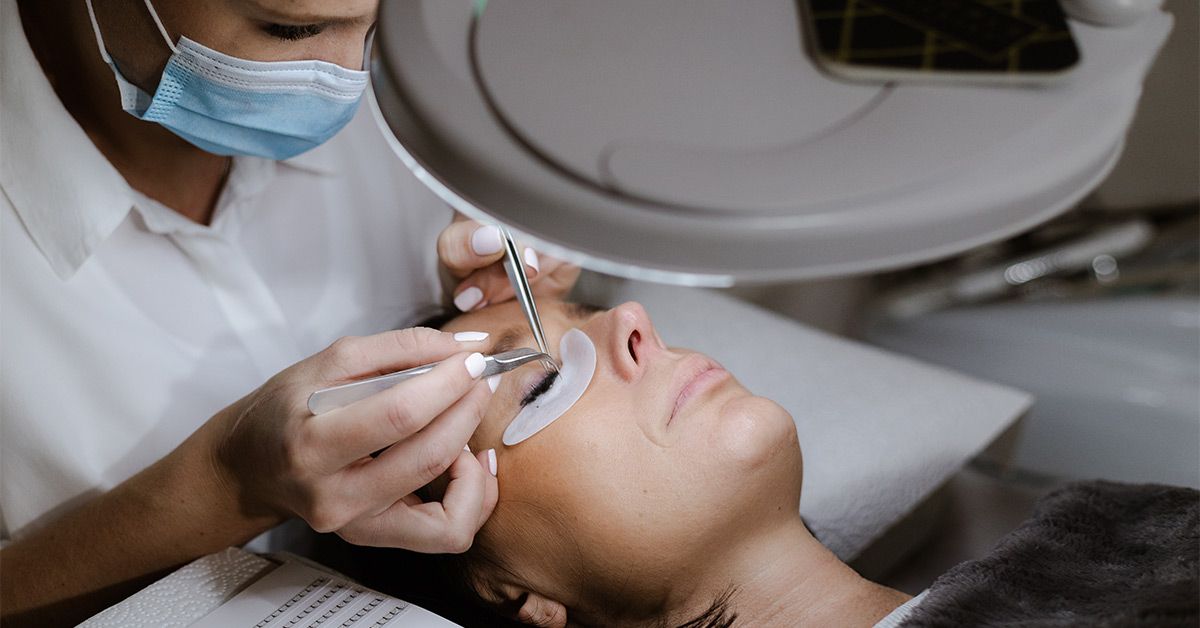
Eyelash extensions are the beauty equivalent of waking up with a tiny fan club attached to your eyes. They make you look more awake, more polished, and possibly more prepared for life than you actually feel at 7:12 a.m. But here is the less glamorous truth: great lashes do not survive on compliments alone. They need proper eyelash extensions aftercare.
Aftercare is not just about keeping your lashes fluffy for selfies. It protects your natural lashes, helps the adhesive last longer, reduces buildup along the lash line, and lowers the chance of irritation. Think of it as maintenance for a luxury item that happens to live dangerously close to your eyeballs.
This guide explains why lash extension aftercare matters, how to clean eyelash extensions correctly, what to avoid, when to schedule fills, and how to spot warning signs that your eyes are not enjoying the drama as much as you are.
What Is Eyelash Extension Aftercare?
Eyelash extension aftercare is the routine you follow after your lash appointment to keep the extensions clean, secure, and comfortable. It includes washing the lash line, avoiding oil-based products, brushing the lashes gently, sleeping carefully, skipping habits that cause friction, and watching for irritation.
Each extension is attached to an individual natural lash with lash adhesive. Because your natural lashes shed in their normal growth cycle, extensions fall out gradually too. Good aftercare cannot stop natural shedding, but it can prevent unnecessary fallout caused by oil, dirt, rubbing, makeup residue, poor cleansing, and aggressive beauty habits.
Why Eyelash Extensions Aftercare Matters
1. It Helps Extensions Last Longer
The biggest reason people care about aftercare is retention. Translation: you want those lashes to stay put long enough to justify the appointment, the tip, and the “I woke up like this” energy.
Oil, sweat, heavy eye creams, leftover makeup, and daily debris can weaken the bond between the extension and the natural lash. When the bond breaks down early, your once-full lash set starts looking like it has been through a windy divorce. Cleaning and protecting your lashes helps them stay fuller between fill appointments.
2. It Keeps Your Lash Line Clean
Your lash line collects natural oils, dead skin cells, dust, pollen, sunscreen, foundation, eyeshadow, and whatever mystery particles life throws at your face. Extensions can trap that buildup more easily because they create extra surface area around the lashes.
When buildup sits at the lash line, it can lead to itching, crusting, irritation, and clogged follicles. Clean lashes are not just prettier; they are healthier.
3. It Supports Natural Lash Health
Healthy extensions depend on healthy natural lashes. Pulling, rubbing, sleeping face-down, or using mechanical curlers can stress the natural lash and may cause breakage. Proper aftercare helps your natural lashes continue their normal growth cycle without unnecessary trauma.
4. It Reduces the Risk of Eye Irritation
The eye area is delicate. Adhesives, makeup, contaminated products, poor hygiene, and friction can all contribute to redness, swelling, burning, watery eyes, or eyelid inflammation. While many people wear lash extensions comfortably, aftercare reduces avoidable risks.
If you ever experience severe pain, vision changes, intense swelling, pus, light sensitivity, or symptoms that worsen instead of improve, contact an eye-care professional. Do not try to “tough it out” because your lashes look good in bathroom lighting.
The First 24 to 48 Hours After Getting Lash Extensions
The first day or two after application is important because the adhesive is still settling. Your lash artist may give specific timing based on the adhesive used, humidity, and technique, so always follow their instructions first.
Avoid Excess Moisture at First
For the initial period, avoid soaking your lashes, heavy steam, hot yoga, saunas, swimming, and long steamy showers. A little normal life is not a disaster, but pretending your face is a lobster in a steam pot is not ideal.
Do Not Touch, Tug, or Test Them
Fresh lashes are exciting. You may want to touch them every four seconds like a proud dragon guarding treasure. Resist. Touching transfers oil from your fingers and can disturb the adhesive bond.
Skip Eye Makeup
During the first 24 hours, avoid mascara, eyeliner, cream shadow, and heavy concealer around the eyes. Eye makeup often requires more rubbing to remove, and rubbing is the natural enemy of lash extensions.
How to Clean Eyelash Extensions Properly
Cleaning lash extensions is not optional. Many people are afraid washing them will make them fall out, but gentle cleansing usually does the opposite: it removes the buildup that can weaken adhesive and irritate the lash line.
Step 1: Wash Your Hands
Before touching your eye area, wash your hands with soap and water. This sounds basic because it is basic. Still, your eyes deserve better than whatever was living on your phone screen.
Step 2: Use an Oil-Free Lash Cleanser
Choose a cleanser made for eyelash extensions or a gentle oil-free cleanser approved by your lash artist. Avoid cleansing oils, oily balms, coconut oil, heavy creams, and greasy makeup removers near the lash line because oils can weaken the adhesive.
Step 3: Apply With a Soft Lash Brush
Use a soft cleansing brush, not your fingernails and not a rough washcloth. Close one eye and gently work the cleanser along the lash line using light downward or upward strokes. Focus on the base of the lashes where oil and makeup collect.
Step 4: Rinse Thoroughly
Rinse with cool or lukewarm water until all cleanser is gone. Leftover cleanser can make lashes feel heavy or sticky, which defeats the purpose of washing them.
Step 5: Pat Dry
Use a lint-free towel or soft clean tissue to pat the area dry. Do not rub. Rubbing lashes is like shaking a Christmas tree and acting surprised when ornaments fall off.
Step 6: Brush When Dry
Once your lashes are dry, use a clean spoolie to brush them gently. Start around the middle of the extensions and move toward the tips. Avoid grinding the brush into the lash line.
How Often Should You Wash Lash Extensions?
Most people should clean eyelash extensions once daily, usually at night. Night cleansing removes makeup, sunscreen, sweat, oil, and outdoor debris before they sit on your lashes for hours.
You may need extra cleansing if you wear eye makeup, exercise heavily, have oily skin, live in a humid climate, swim, cry during movies, or spend time in dusty environments. No judgment. Life happens. Clean accordingly.
What to Avoid With Eyelash Extensions
Oil-Based Products
Oil-based makeup removers, cleansing balms, rich eye creams, and facial oils can break down lash adhesive over time. You do not have to abandon skincare completely, but keep oily products away from the lash line.
Waterproof Mascara
Waterproof mascara is difficult to remove and often requires rubbing or oily remover. That is a double problem for extensions. Many lash clients do not need mascara at all, but if you must use it, choose a lash-extension-safe formula and apply it only to the tips, not the base.
Mechanical Eyelash Curlers
Traditional clamp curlers can bend, snap, or pull extensions. Extensions are already curled by design, so using a curler is usually unnecessary. Let the lashes live their curled little lives in peace.
Picking or Pulling
If a lash twists or hangs oddly, do not yank it out. You may pull out your natural lash with it. Use a spoolie to gently guide it back into place or ask your lash artist for help.
Sleeping Face-Down
Face-down sleeping creates friction and pressure. If possible, sleep on your back or side and consider a silk or satin pillowcase. A contoured sleep mask can also help protect the lashes from being smashed.
Can You Wear Makeup With Lash Extensions?
Yes, but choose carefully. Powder eyeshadow is usually easier to manage than creamy, oily formulas. Avoid eyeliner on the waterline, heavy gel liner at the lash base, and glitter that migrates into the eyes like it has a passport.
If you wear eye makeup, remove it every night with an oil-free remover and a lint-free applicator. Cotton pads can leave fibers tangled in the extensions. Those little fibers are annoying, and they make your lash line look like it adopted lint as a pet.
How Often Should You Get Lash Fills?
Most clients schedule lash fills every two to three weeks. The exact timing depends on your natural lash cycle, lifestyle, skincare routine, makeup habits, sleep position, and how well you follow aftercare.
If you wait too long, your lash artist may need to apply a full new set instead of a fill. Regular fills keep the shape balanced and prevent gaps that make one eye look ready for a gala and the other look emotionally unavailable.
Signs Your Lash Extensions Need Attention
Some shedding is normal. However, contact your lash artist if you notice sudden heavy fallout, clumping, twisting, stickiness, or discomfort. Contact an eye-care professional if you have pain, increasing redness, swelling, discharge, blurred vision, or sensitivity to light.
Allergic reactions and irritation can happen, especially with adhesives or products used near the eye. Do not attempt to remove extensions aggressively at home. Professional removal is safer and helps protect your natural lashes.
Common Eyelash Extension Aftercare Mistakes
Mistake 1: Not Washing Them
Skipping cleansing because you are afraid of fallout is one of the most common mistakes. Dirty lashes often shed faster because buildup weakens retention and irritates the lash line.
Mistake 2: Using the Wrong Cleanser
A cleanser may be gentle for your face but wrong for lash extensions. Look for oil-free, lash-safe products and avoid heavy residue.
Mistake 3: Brushing Too Aggressively
Brushing should be gentle and done when lashes are dry. If you attack them like you are detangling a wig in a storm, you are doing too much.
Mistake 4: Ignoring Symptoms
Itchiness, swelling, burning, and redness are not “normal beauty pain.” Mild adjustment is one thing; persistent discomfort is another. Your eyes are not accessories. Treat them like the important organs they are.
A Simple Daily Lash Extension Aftercare Routine
Morning: Check your lashes, brush gently if dry, and avoid oily products near the eyes.
After workouts or sweating: Rinse or cleanse if needed, then pat dry. Sweat and oil can affect retention.
Night: Remove makeup with an oil-free product, cleanse the lash line, rinse thoroughly, pat dry, and brush once dry.
Weekly: Check whether your lashes are twisting, thinning, or growing out. Book your fill before the set becomes sparse.
Real-Life Experience: What Lash Aftercare Actually Feels Like
The first time someone gets eyelash extensions, the aftercare instructions can sound like a tiny legal contract: do not rub, do not steam, do not oil, do not sleep like a pancake, do not touch, do not panic. It feels like a lot. But after a few days, the routine becomes surprisingly easy.
Imagine this: you leave the salon with a fresh set of lashes and suddenly feel like you should be walking in slow motion. The next morning, you wake up and look more awake than you feel. That is the magic moment. But by day three, real life returns. You wash your face too quickly, forget about your eye cream, and nearly rub your eyes after answering emails for six hours. This is where aftercare becomes less about perfection and more about habits.
The easiest trick is to keep lash cleanser next to your regular face wash. When the product is visible, you remember to use it. A soft brush also makes a big difference because it cleans the lash line without tugging. At night, the routine takes about two minutes: wash hands, apply cleanser, brush gently, rinse, pat dry, and let the lashes air-dry before brushing. It is less dramatic than flossing and much more glamorous.
One common experience is the fear that cleaning will make lashes fall out. You may see one or two extensions in the sink and immediately think, “Well, there goes my retirement plan.” But a few shed lashes are normal. Natural lashes shed every day, and extensions attached to those lashes shed with them. What is not normal is clumps falling out because the lash line is coated with oil, makeup, and old debris.
Another real-life lesson: sleep position matters more than people expect. Stomach sleepers often notice one side loses lashes faster because that side is pressed into the pillow. A satin pillowcase or contoured sleep mask will not turn you into a statue, but it can reduce friction. Side sleepers can also train themselves to keep their face slightly angled away from the pillow. It feels weird for two nights, then normal.
Makeup habits also change. Many people discover they no longer need mascara, which is wonderful because mascara removal is one of the fastest ways to abuse extensions. If eyeliner is non-negotiable, a soft powder or extension-safe liner is usually easier to remove than waterproof gel. The goal is to avoid anything that requires scrubbing.
The biggest aftercare win is consistency. You do not need a 14-step ritual, a crystal wand, or a bathroom shelf that looks like a beauty laboratory. You need clean lashes, gentle hands, oil-free products, and regular fills. When you do that, extensions stay prettier, feel lighter, and look more natural as they grow out.
And perhaps the best experience of all is the morning time saved. No mascara flakes. No strip lash glue. No uneven winged liner crisis before coffee. Just clean, brushed lashes and the quiet confidence of looking put together while still wearing pajama pants. That is the practical beauty of proper eyelash extensions aftercare.
Conclusion
Eyelash extensions aftercare is simple, but it matters. Clean lashes last longer, feel better, and help protect the delicate eye area from buildup and irritation. The essentials are easy to remember: keep them clean, avoid oil, do not rub, brush gently, sleep carefully, and schedule fills before your lash line starts looking sparse.
Beautiful extensions are a partnership between your lash artist and your daily habits. Your artist creates the look; you protect it. Treat your lashes kindly, and they will reward you with weeks of effortless, eye-opening dramathe good kind, not the “why is my eyelid itchy?” kind.
Note: This article is for general educational and beauty-care purposes only. If you experience eye pain, vision changes, swelling, discharge, or persistent irritation, seek advice from a licensed eye-care professional.