Every spring, our homes do this cute little magic trick: the inside gets tidier (thanks, organizing kick), while the outside quietly turns into a jungle gym for sticks, soccer balls, rogue Hot Wheels, and that one plastic shovel that’s somehow always underfoot. If you’ve ever stepped outside, looked at your lawn, and thought, “This place needs a haircutand possibly an intervention,” welcome. You’re in the right yard.
“Fab Freebie: Boys In The Yard” is a phrase that deserves to be a lifestyle category. It’s part giveaway nostalgia, part lawn-care reality, and part soundtrack (because mowing without music is just cardio with consequences). Let’s break down what it originally meant, why it still holds up, and how to turn your own “boys in the yard” situationkids, guests, pets, and yes, literal boy-band energyinto a cleaner, safer, better-looking lawn without losing your weekend.
What “Fab Freebie: Boys In The Yard” Actually Was
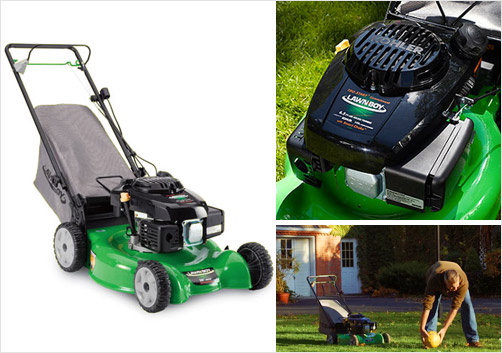
Back in the golden age of blog giveaways (when comment sections were basically stadium crowds), a home and DIY site ran a “Fab Freebie” called “Boys In The Yard.” The prize wasn’t a candle or a throw pillow. It was a Lawn-Boy 10605 walk-behind mowervalued around $339 at the timebecause nothing says “spring glow-up” like conquering your grass.
The entry was delightfully simple: leave a comment with “OH BOY!” and share your favorite boy band. The giveaway had a clear close time (or an entry cap), shipped within the U.S., and used a random selection method to pick the winner. The tone was light, the prize was practical, and the theme was chef’s-kiss perfect: boy bands in your headphones, and (hopefully) fewer toys in your mowing path.
Why a Lawn Mower Is the Ultimate “Fab Freebie”
Let’s be honest: a great mower is one of those adult purchases that feels boring right up until the moment you use it. Then it becomes oddly satisfyinglike power-washing videos, but you’re the main character. A self-propelled mower can save your back and speed up the job, especially on bigger lots or bumpy turf.
The mower featured in that original “Fab Freebie” spotlighted a big quality-of-life feature: a blade-stop style system that lets you pause the spinning blade without shutting down the engine. Translation: when your yard is “frequently peppered with sticks or toys,” you can handle the interruption without repeatedly restarting the mower. It’s the lawn-care version of a pause buttonvery helpful when the “boys in the yard” are… enthusiastic.
The Boys In The Yard Reality: Safety Is Not Optional
Lawn care gets romanticized (fresh stripes! sunny day! lemonade!). But mowing is also the definition of “respect the machine.” The good news: the safety basics are straightforward, and they fit neatly into a pre-mow routine you can repeat every time.
1) Do a quick yard sweep (two minutes, max)
Walk the lawn and pick up anything that could become a projectilestones, sticks, dog toys, plastic dinosaurs, surprise sprinkler heads. Many mower manuals and safety checklists emphasize clearing debris first for a reason: objects hit by a fast-spinning blade can fly, damage the mower, or injure bystanders.
2) Keep kids out of the mowing zonefully out
If children are playing outside, set a clear boundary: indoors, behind a closed door, or supervised far away from the mowing area. “He’s just on the porch” sounds fine until he’s suddenly in the grass with a “cool stick” he needs to show you immediately.
3) No passengers, no exceptions
If you ever see a child riding on a mower (especially riding mowers), treat it like a flashing red warning sign. Safety authorities repeatedly advise against it. No piggyback rides. No “just this once.” No “but he loves tractors.” Save that energy for a wagon ride after everything is off and parked.
4) Dress like you’re operating equipmentbecause you are
Closed-toe shoes with good traction, eye protection, and snug clothing are not overkill. They’re basic risk reduction. If your mower hits debris, you’ll be grateful your eyeballs came prepared.
5) Dry grass is your friend
Wet lawns can be slippery and can clog a mower, leading to clumping and stalling. If you can wait for the grass to dry, you’ll get a cleaner cut and an easier experience (and you’ll avoid turning your yard into a slip-and-slide with blades).
Mow Like You Mean It: Techniques That Actually Improve Your Lawn
A healthy-looking lawn is less about “mow often” and more about “mow smart.” The right height, the right frequency, and sharp blades can make grass thicker, greener, and more resilientwithout extra products.
The one-third rule (the golden rule of not wrecking your turf)
The idea is simple: don’t cut off more than one-third of the grass height in a single mow. Cutting too much at once stresses grass, weakens roots, and invites weeds. If your lawn got ahead of you (it happens), raise the deck and mow in passes rather than scalping it down in one dramatic sweep.
Mowing height: don’t guessaim deliberately
Many turf experts recommend keeping typical home lawns somewhere around the 2.5–3.5 inch range (with adjustments for grass type and season). Taller grass generally shades soil, reduces evaporation, and can help crowd out weeds. In hot weather, raising the cut height can also reduce stress.
Change your mowing pattern
If you mow the same route every time, grass can start leaning in that direction, and wheel ruts become a permanent “signature look.” Switching directionsnorth-south one week, east-west the next, then diagonal helps grass stand up straighter and promotes more even growth. Bonus: you get those satisfying stripes without pretending you’re running a golf course.
Sharp blades = cleaner cuts = healthier lawn
Dull blades tear grass instead of slicing it, which can leave ragged tips that brown quickly and become more vulnerable to disease. If your lawn looks “frayed” after mowing, your blade is basically chewing. Sharpening a couple times per season is a small chore with a big visual payoff.
Mulch vs. Bag: The Clippings Decision (Aka, “Do I Want More Work Today?”)
The great clippings debate usually ends when someone has to drag a heavy bag to the curb. Here’s the practical way to decidebased on what turf specialists and sustainability guides have been saying for years.
Mulching (“grasscycling”) is usually the easiest win
Mulching mowers chop clippings into smaller pieces that settle into the lawn and break down quickly. This can return nutrients to the soil and reduce the need for bagging. It also keeps yard waste out of landfills and can cut down time spent on cleanup. Despite the myth, clippings themselves generally don’t create thatchthatch is more about roots and stems building up faster than they decompose.
When bagging makes sense
- The grass is way too tall. Long clumps can smother turf. Bag the first pass, then go back to mulching once you’re back on a normal schedule.
- You’re dealing with lots of leaves. Some mulching is great, but thick leaf layers may need collecting or a dedicated leaf-mulch pass.
- You have disease concerns. In some situations, removing clippings can help manage certain lawn diseases (especially if your local extension office suggests it).
If you do bag, don’t treat clippings like trash. They can be composted or used as mulch in thin layers around non-edible landscaping plants (just avoid piling them thick where they’ll mat).
How to Run Your Own “Fab Freebie” Without Turning It Into a Mess
The original “Fab Freebie” worked because it was simple, specific, and transparent. If you’re a creator, brand, or community organizer thinking about doing something similarwhether it’s a mower, garden tools, or a patio setkeep these fundamentals tight.
Giveaway checklist that keeps you out of trouble
- Clear entry instructions: Tell people exactly how to enter and what counts as a valid entry.
- Eligibility: Spell out location limits, age requirements, and any exclusions.
- Deadline + time zone: Include the exact date/time and time zone. No “ends soon-ish.”
- How the winner is chosen: Random draw, judging, etc.say it up front and follow it.
- Disclosure: If there’s a material connection (sponsor, free product, paid partnership), disclose it clearly and conspicuously.
- No purchase necessary (when applicable): If it’s a sweepstakes-style promotion, don’t imply purchases increase odds.
Keep it friendly, but keep it structured. The whole point is to create excitementnot confusion, complaints, or a comment section that needs its own lawn mower.
Conclusion: Make the Yard the Fun Part Again
“Fab Freebie: Boys In The Yard” still hits because it captures real life: you want a tidy, usable outdoor space, but your yard is also where life happens. Kids play, friends gather, dogs do dog things, and somehow the grass keeps growing like it has a personal vendetta.
The winning formula is a mix of smart equipment, safer habits, and mowing techniques that support the lawn instead of stressing it. Do the quick sweep. Keep the “boys” (small humans and otherwise) out of the mowing zone. Follow the one-third rule. Vary your pattern. Mulch when you can. And if you ever score a mower as a freebie, treat it like the luxury item it secretly is.
Backyard Encore: 5 “Boys In The Yard” Moments You’ll Recognize (And What To Do)
This last section is for the lived realitythe stuff no one puts in the glossy “perfect lawn” photos. Here are five common scenarios homeowners talk about, plus the small tweaks that make them easier.
1) The Toy Minefield
You step outside, ready to mow, and immediately realize the yard looks like a daycare had a yard sale. A soccer ball, three chalk pieces, a dump truck, and something that squeaks when you step near it. The fix: make the “two-minute sweep” a family ritual. Put a bucket by the back door and call it the “yard scoop.” Kids get one fast pass to toss toys in before mowing begins. If they’re too young to help, the bucket still saves you timebecause everything goes in one place, not ten different “temporary spots” you’ll forget.
2) The Mid-Mow Emergency Announcement
The mower is running. You’re in a groove. And then a child appears like a tiny paparazzi: “LOOK WHAT I FOUND.” It’s a stick. It’s always a stick. The fix is a boundary plus a script. Create a safe waiting spot (porch step, patio chair, inside by the window) and a rule: “If the mower is on, we only talk from the safe spot.” If your mower has a blade-stop style feature, it’s still not permission to have kids nearbyit’s just a safer way to pause when you have to.
3) The Wet-Grass Temptation
It rained, your schedule is packed, and the lawn is now auditioning for a jungle documentary. Mowing wet grass can lead to clumps, clogging, and slippery footingplus a cut that looks more “torn salad” than “fresh trim.” The workaround: if you truly must mow, raise the deck, go slower, and plan on a second pass later when it’s drier. Most of the time, waiting even a few hours for sun and breeze turns a frustrating chore into a normal one.
4) The “Why Does My Lawn Look Patchy?” Spiral
Patchiness often isn’t a single villain. It’s a combo platter: mowing too short, dull blades, inconsistent watering, compacted soil, heavy foot traffic, or seasonal stress. The low-effort improvement stack is: mow a bit higher, obey the one-third rule, sharpen the blade, and rotate your mowing pattern. Give it a few weeks before you buy a trunk-load of products. Lawns respond to consistency more than panic purchases.
5) The Neighborhood Soundtrack Situation
Someone inevitably asks: “Do you listen to music while mowing?” Yes. And the “Boys In The Yard” theme demands a playlist. The practical tip: if you wear earbuds, keep volume low enough to hear what’s happening around you (kids calling, a neighbor at the fence, the mower’s engine tone changing). Choose a set that feels secure so you’re not adjusting it constantly. Then embrace the tradition: one “boy band classics” playlist, one lap around the yard, and suddenly your Saturday chore has a tiny bit of concert energyminus the ticket fees.