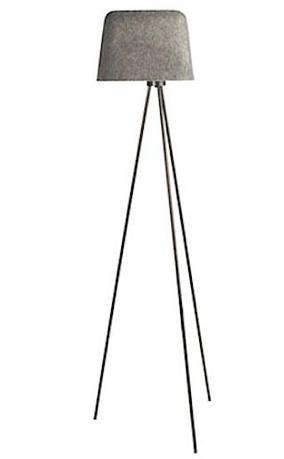
A felt shade floor lamp is what happens when lighting design puts on a cozy sweater and decides to become the most charming object in the room. It is soft but structured, modern but warm, practical but quietly stylish. In a world full of shiny metal fixtures and glass lamps that look like they might judge your coffee table, the felt shade floor lamp brings a calmer energy. It says, “Relax. Sit down. Read something. Maybe stop using the ceiling light like a hospital waiting room.”
At its simplest, a felt shade floor lamp is a freestanding lamp with a lampshade made from felt, wool felt, recycled PET felt, or felt-like textile material. But that plain definition does not do it justice. The felt shade changes the way light behaves. It softens brightness, reduces glare, adds texture, and gives a room a more layered, lived-in feeling. It can work in a reading corner, beside a sofa, next to a bed, in a home office, or in that one awkward empty corner that has been emotionally neglected since move-in day.
This guide explains what makes felt shade floor lamps special, how to choose one, where to place it, how to style it, and how to care for it without turning your lamp into a dust museum. Consider this your friendly, design-savvy roadmap to one of the coziest lighting upgrades you can bring home.
What Is a Felt Shade Floor Lamp?
A felt shade floor lamp combines a standing lamp base with a shade made from felt or felt-inspired material. Traditional felt is often made from wool fibers pressed and matted together. Modern lighting designs may also use recycled PET felt, a durable material made from recycled plastic fibers. Both versions have one big thing in common: they create a soft, matte, tactile surface that feels warmer than metal, glass, or plastic.
The floor lamp format makes it especially useful. Unlike ceiling fixtures, a floor lamp can be moved, repositioned, and styled as your room changes. You can place it beside a chair for reading, behind a sofa for ambient glow, or near a desk for soft background light. The felt shade adds the magic trick: instead of blasting light into the room, it filters and diffuses it.
Why Felt Works So Well in Lighting
Felt has a naturally soft appearance. Its surface absorbs visual harshness, which makes it ideal for interiors that need warmth. A felt lampshade can help balance rooms with hard materials such as concrete, wood floors, glass tables, metal shelving, or leather furniture. It introduces texture without shouting for attention.
Another advantage is glare control. A bare bulb can be bright, direct, and slightly rude. A felt shade helps soften the light, making the glow more comfortable for reading, relaxing, and evening routines. It is not trying to turn your living room into a stadium. It is more of a quiet companion with excellent taste.
Why Felt Shade Floor Lamps Are Becoming Popular
The rise of the felt shade floor lamp fits into several home design trends: cozy minimalism, warm modern interiors, sustainable materials, acoustic comfort, and layered lighting. People are moving away from rooms that look perfect but feel cold. They want spaces that feel calm, personal, and usable.
Felt naturally supports that goal. It brings softness into a room without adding clutter. It can look Scandinavian, mid-century modern, contemporary, Japandi, bohemian, or even industrial depending on the lamp base and shade shape. A charcoal felt shade on a black metal base feels sleek and architectural. A cream wool felt shade on a light wood tripod base feels relaxed and Nordic. A gray felt drum shade on a brass arc lamp feels modern with a wink.
The Comfort Factor
Lighting affects mood more than many people realize. Bright overhead lighting can make a room feel flat, while layered lighting creates depth. A felt shade floor lamp helps build that layered effect by adding a gentle pool of illumination at eye level or slightly above it.
That matters in living rooms and bedrooms, where comfort is the whole point. Nobody wants to wind down under a ceiling light that feels like it is interrogating them. A felt shade lamp gives the room a softer rhythm and makes furniture arrangements feel more intentional.
Best Places to Use a Felt Shade Floor Lamp
A felt shade floor lamp is versatile, but placement determines whether it becomes a design hero or a lonely stick with a hat. Here are the best spots to use one.
Living Room Reading Corner
Place the lamp beside a lounge chair, accent chair, or recliner. The bottom of the shade should sit around seated eye level or slightly above it so the bulb is not glaring directly into your eyes. This placement gives you useful reading light while keeping the atmosphere relaxed.
Beside the Sofa
A felt shade floor lamp works beautifully beside a sofa, especially if you do not have room for a side table and table lamp. It can anchor the seating area and add vertical balance. If your sofa is large, choose a taller lamp with a wider shade so the scale feels intentional.
Bedroom Corner
In a bedroom, a felt shade lamp can replace harsh overhead light with a softer evening glow. It works especially well near a reading chair, dresser, or empty corner. Choose warm white bulbs for a calmer effect. Your bedroom should feel like a retreat, not like aisle nine of a hardware store.
Home Office
For a home office, felt adds visual softness to a space often dominated by screens, cables, and furniture with suspiciously sharp corners. A floor lamp with a felt shade can provide ambient light behind or beside your workspace, reducing the contrast between a bright screen and a dark room.
Entryway or Hallway
If you have a larger entryway, a slim felt shade floor lamp can make the space feel welcoming. It is a friendly first impression. It tells guests, “This home has lighting layers and probably snacks.”
How to Choose the Right Felt Shade Floor Lamp
Choosing a felt shade floor lamp is not just about picking the cutest one online and hoping for the best. Size, shape, light output, base style, color, and safety all matter.
1. Consider the Height
Most floor lamps fall somewhere around 58 to 72 inches tall, though arc lamps and oversized designs can be taller. For reading areas, the shade should be positioned so light falls comfortably over your shoulder or onto the page. For ambient lighting, a taller lamp can spread light more evenly through the room.
If your ceiling is low, avoid an extremely tall lamp that makes the room feel cramped. If your ceiling is high, a short lamp may look underpowered, like it wandered in from a dollhouse.
2. Match the Shade Size to the Base
Proportion matters. A tiny felt shade on a large base can look nervous. A giant shade on a thin base can look like a mushroom having a dramatic growth spurt. As a general design rule, the shade should feel wide enough to balance the base and tall enough to cover the bulb and hardware.
For floor lamps, larger shades often look better than undersized ones, especially in living rooms. Drum shades, tapered shades, and cone shades are common choices. Drum shades feel modern and clean. Tapered shades feel classic. Cone-shaped felt shades can look playful or architectural depending on the design.
3. Choose the Right Color
Felt shades often come in neutral tones such as gray, charcoal, cream, beige, oatmeal, and black. These colors are easy to style and work well with wood, metal, stone, and fabric furniture. Gray felt is especially popular because it looks modern while hiding minor dust better than bright white.
If you want a statement piece, consider muted colors like moss green, rust, navy, or clay. Felt handles color beautifully because its matte surface keeps bold tones from looking too loud. It is color with manners.
4. Think About Light Temperature
Bulb choice changes everything. Warm white light, usually around 2700K to 3000K, creates a cozy glow for living rooms and bedrooms. Neutral white light, around 3500K, can work in offices or multipurpose spaces. Cooler light may be useful for task-heavy areas, but it can feel less relaxing in a cozy room.
For a felt shade floor lamp, warm light usually looks best. Felt already has a softening effect, and warm LEDs enhance that calm, inviting atmosphere.
5. Check Bulb Compatibility and Safety
Always follow the lamp manufacturer’s maximum wattage and bulb recommendations. Felt is a textile material, so heat management matters. Modern LED bulbs are typically a smart choice because they use less energy and produce less heat than older incandescent bulbs. Still, the safest bulb is the one that fits the lamp’s rating and instructions.
Look for stable bases, quality wiring, and recognized safety certification when available. A floor lamp should not wobble like it is trying to learn salsa. Stability is especially important in homes with kids, pets, or enthusiastic vacuuming.
Felt Shade Floor Lamp Styles
The phrase “felt shade floor lamp” may sound specific, but there are many design directions within it. Here are the main styles to know.
Minimalist Felt Floor Lamp
This style usually features a slim metal or wood base with a simple felt drum or cylinder shade. It works well in small apartments, modern living rooms, and clean-lined bedrooms. The look is quiet, practical, and easy to pair with existing furniture.
Arc Floor Lamp With Felt Shade
An arc lamp curves outward from its base, allowing the shade to hover over a sofa, chair, or table. A felt shade softens the dramatic shape and makes the lamp feel less industrial. This is a strong choice if you want overhead-style light without installing a ceiling fixture.
Tripod Floor Lamp
A tripod base gives the lamp a furniture-like presence. Pair it with a felt shade and you get a warm, design-forward piece that works in Scandinavian, mid-century, and contemporary rooms. Just make sure you have enough floor space, because tripod legs like to spread out and claim territory.
Acoustic Felt Floor Lamp
Some felt lamps are designed with acoustic benefits in mind, especially those using thicker PET felt. While a single lamp will not magically turn a noisy apartment into a recording studio, felt surfaces can help soften sound reflections in a room. This makes them appealing for offices, open-plan spaces, and rooms with lots of hard surfaces.
How to Style a Felt Shade Floor Lamp
A felt shade floor lamp is easy to style because it brings texture without visual clutter. Still, a few design moves can make it look polished rather than randomly placed.
Pair It With Natural Materials
Felt looks excellent with wood, rattan, linen, wool rugs, leather, stone, and matte ceramics. If your room already includes natural textures, a felt shade lamp will fit in smoothly. For example, place a gray felt shade lamp next to a walnut chair and a cream rug, and suddenly your corner looks like it has a subscription to a design magazine.
Use It to Balance Hard Surfaces
If your room has metal shelving, glass tables, tile floors, or concrete elements, felt helps soften the overall mood. The contrast between hard and soft materials gives the room more depth. Good interior design is often about balance, not matching everything until the room loses its personality.
Create a Lighting Triangle
Designers often use multiple light sources to create balance. Try placing your felt shade floor lamp in one corner, a table lamp across the room, and a ceiling or wall light as the third source. This creates a triangle of light that makes the room feel layered and comfortable.
Let It Be the Texture Moment
If your space is minimalist, the felt shade can be the main texture feature. Keep the base simple and let the shade do the quiet talking. A felt shade does not need loud patterns or shiny finishes to be interesting. It has enough personality without wearing sequins.
Care and Cleaning Tips
Felt is beautiful, but it does need gentle care. The good news is that maintaining a felt shade floor lamp is simple if you keep up with small habits.
Dust Regularly
Use a lint roller, soft brush, or vacuum with a clean upholstery attachment. Be gentle. The goal is to remove dust, not exfoliate the lamp like it has a spa appointment.
Spot Clean Carefully
If the shade gets a small mark, check the manufacturer’s care instructions first. For many felt materials, gentle spot cleaning with mild soap and minimal moisture may help. Avoid soaking the shade, scrubbing aggressively, or using bleach and harsh cleaners.
Keep It Away From Excess Moisture
A felt shade floor lamp is best suited for dry indoor spaces. Avoid bathrooms, damp basements, or areas where splashes are likely. Felt and humidity are not sworn enemies, but they are not best friends either.
Avoid Direct Sunlight When Possible
Strong sunlight can fade many textiles over time. If your felt shade is near a sunny window, rotate it occasionally or choose a color that will age gracefully.
Pros and Cons of a Felt Shade Floor Lamp
Pros
A felt shade floor lamp provides soft diffused light, adds warmth and texture, works with many decor styles, and can make a room feel more relaxed. It is also a good choice for people who want a lamp that looks modern without feeling cold.
Cons
Felt can collect dust more easily than smooth materials. It may require gentler cleaning, and it is not ideal for damp rooms. Some felt shades also reduce direct brightness, so they may not be the best choice if you need intense task lighting.
Buying Checklist
Before choosing a felt shade floor lamp, ask yourself a few practical questions. Where will it go? Do you need reading light, ambient light, or decorative light? Is the base stable? Does the shade cover the bulb properly? Does the color match your room? Can you use an LED bulb? Is the switch easy to reach? Will the lamp fit without blocking walkways?
The best lamp is not always the most dramatic one. It is the one that solves a real lighting problem while making the room look better. Bonus points if it makes you feel like a person who owns matching throw pillows, even if you absolutely do not.
Experience: Living With a Felt Shade Floor Lamp
The real charm of a felt shade floor lamp shows up after the shopping excitement fades and the lamp becomes part of daily life. At first, you notice the look. The shade has that soft, architectural texture that makes a corner feel finished. But after a few evenings, you notice something better: the room simply feels nicer.
In a living room, the difference can be surprisingly big. A standard overhead fixture often spreads light evenly but flatly. Everything is visible, yet nothing feels special. Add a felt shade floor lamp beside the sofa, and the room gains depth. The sofa area becomes more inviting. The corner stops looking forgotten. The light lands softly on books, blankets, plants, and side tables. It turns ordinary furniture into a small scene.
For reading, the experience depends on placement and bulb choice. A felt shade softens light, so it works best when the lamp is close enough to the chair or sofa. A warm LED bulb with enough lumens can create a comfortable reading zone without glare. If the lamp is too far away, the light may feel more decorative than functional. That is not the lamp’s fault. That is geometry quietly asking to be respected.
In a bedroom, the felt shade floor lamp becomes part of the evening routine. It is the light you turn on when you do not want the ceiling fixture involved in your life anymore. It gives enough glow to fold laundry, read a chapter, or pretend you are going to sleep early. The matte shade keeps the atmosphere calm, especially in neutral colors like oatmeal, gray, or ivory.
One of the most practical experiences is how well felt works with other textures. Next to a woven basket, linen curtains, or a wool rug, the shade feels intentional. In a room with a leather chair or metal bookshelf, it adds softness. In a minimalist room, it prevents the design from feeling sterile. It does not demand attention, but it quietly improves the whole visual recipe.
Maintenance is not difficult, but it is real. Felt attracts dust, pet hair, and tiny airborne particles. A quick pass with a lint roller every few weeks keeps the shade fresh. If you own a cat, the lamp may become an object of suspicious fascination. Choose a sturdy base and place it where tails, paws, and chaotic zoomies are less likely to cause drama.
The biggest lesson from using a felt shade floor lamp is that lighting is not just about brightness. It is about comfort, direction, texture, and mood. The felt shade changes the emotional temperature of the room. It makes a space feel slower, warmer, and more personal. That may sound poetic for a lamp, but anyone who has lived under bad lighting knows the truth: good light can save a room, and bad light can make even expensive furniture look like it is waiting at the DMV.
A felt shade floor lamp is not the flashiest lighting choice, and that is exactly why it works. It blends function with softness. It adds style without trying too hard. It gives a room a finished feeling without making you rearrange your entire life. For apartments, family rooms, bedrooms, offices, and cozy reading corners, it is one of those rare decor pieces that earns its place every single day.
Conclusion
A felt shade floor lamp is more than a decorative accessory. It is a practical lighting solution that brings warmth, texture, and atmosphere into the home. Whether you choose a minimalist design, an arc lamp, a tripod base, or an acoustic felt model, the key is to match the lamp to your room’s scale, lighting needs, and personal style.
For the best results, choose a stable base, a properly sized shade, a warm LED bulb, and a color that complements your decor. Place the lamp where it supports real daily activities, not just where it looks nice in a product photo. With gentle cleaning and smart placement, a felt shade floor lamp can become one of the most useful and quietly beautiful pieces in your home.