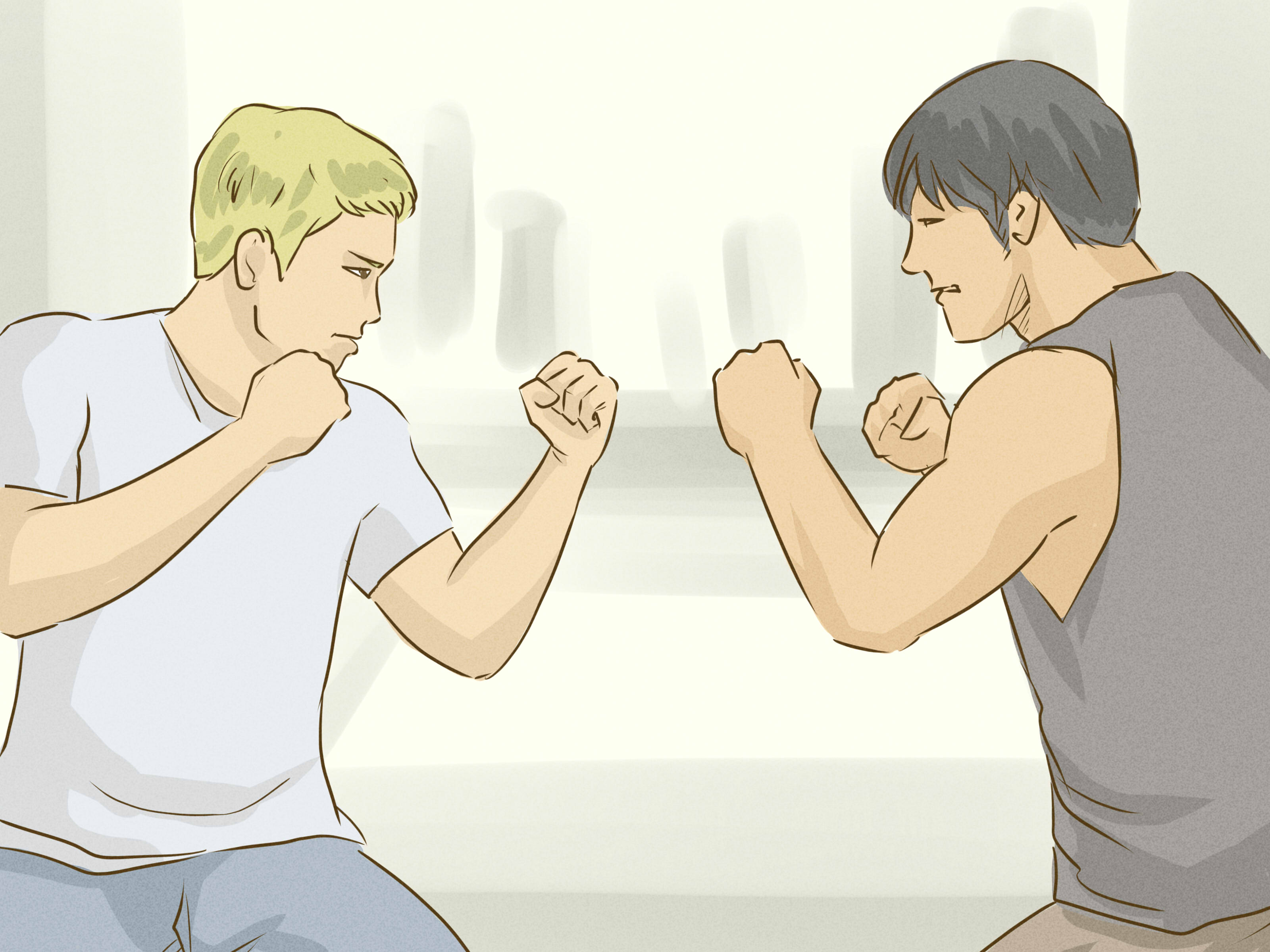
Everyone has a fight style. No, this does not mean you need to own fingerless gloves, stomp dchat like it is a pay-per-view event. Your “fight style” is the pattern you tend to use when tension shows up: how you react when someone disappoints you, challenges you, ignores your boundaries, or steals the last slice of pizza without asking.
Some people become diplomats. Some become detectives. Some go completely silent and disappear faster than a suspiciously quiet coworker after a Slack message marked “urgent.” Others come in hot, ready to argue their case with the confidence of a person who has watched exactly three courtroom dramas.
This fight style quiz is designed for entertainment and self-reflection, not as a psychological diagnosis. The goal is not to label you as “good” or “bad.” It is to help you spot your default conflict style, understand what it protects, and learn how to handle disagreements with more confidence, calm, and emotional intelligence.
Healthy conflict is not about dominating someone else. It is about recognizing your needs, communicating clearly, listening carefully, and knowing when to step back. Research and public-health guidance consistently emphasize communication skills, emotional regulation, healthy boundaries, and nonviolent problem-solving as important tools for navigating conflict. hat Does “Fight Style” Really Mean?
Your fight style is the emotional strategy you use when there is disagreement, pressure, hurt feelings, or a clash of expectations. Conflict does not always mean screaming, slammed doors, or somebody typing “K.” with frightening punctuation. Conflict can simply mean that two people have different needs, goals, values, assumptions, or expectations.
According to conflict-resolution guidance, many disagreements grow because people make assumptions about what the other person wants or means, prioritize being right, or stop looking for shared solutions. st people do not use only one style forever. You might be calm and collaborative at work, blunt with your siblings, quiet in romantic relationships, and weirdly competitive about board games. Your response can change depending on stress, history, power dynamics, safety, and how much the relationship matters to you.
Anger itself is not automatically the villain in this story. It is a normal human emotion. The problem begins when anger becomes destructive, impulsive, or turns into behavior that damages relationships, safety, or trust. Assertive communication is different from aggression: assertiveness means expressing your needs while still respecting the other person’s rights and beliefs. ight Style Quiz: Choose the Answer That Sounds Most Like You
Grab a note app, a scrap of paper, or the back of an unopened bill. For each question, choose the answer that feels most natural. Do not overthink it. Your first instinct is usually the one that knows where your emotional snacks are hidden.
-
Someone interrupts you repeatedly in a meeting. What do you do?
A. Calmly say, “I’d like to finish my point.”
B. Wait, observe the room, and find a smarter moment to speak.
C. Say nothing now, but replay the moment in your head for three business days.
D. Push back immediately because respect should not need a user manual.
E. Try to lighten the mood and steer the group toward a solution.
-
A friend cancels plans at the last minute for the third time.
A. You explain that you understand things happen, but the repeated cancellations hurt.
B. You quietly lower your expectations and stop making plans first.
C. You send a short “No worries,” while internally becoming a haunted Victorian portrait.
D. You confront them immediately and ask what is really going on.
E. You suggest a new plan that is easier for both of you to keep.
-
Someone criticizes your work unfairly.
A. You ask for specific examples and clarify your perspective.
B. You collect facts before responding.
C. You withdraw because arguing feels exhausting.
D. You feel your inner debate champion grab the microphone.
E. You ask how the work can be improved without turning the conversation into a duel.
-
During an argument, your emotions rise quickly. What is your instinct?
A. Pause and say you need a few minutes before continuing.
B. Focus on what the other person is actually saying.
C. Shut down, go quiet, or leave emotionally.
D. Speak faster, louder, and with more dramatic hand gestures.
E. Try to find the middle ground before things get worse.
-
When someone crosses a boundary, you usually:
A. State the boundary clearly and directly.
B. Watch for patterns before deciding how to respond.
C. Avoid the person until your feelings settle.
D. Call it out immediately, with no decorative ribbon around the message.
E. Explain the impact and ask for a better agreement going forward.
-
Your partner, friend, or coworker says, “You always do this.” Your first reaction is:
A. “Can we talk about this specific situation instead?”
B. “What do you mean by ‘always’?”
C. “Fine. Whatever.”
D. “Actually, you do it more.”
E. “Let’s figure out what keeps happening here.”
-
What matters most to you in a disagreement?
A. Being heard and respected.
B. Understanding the full picture.
C. Keeping the peace and ending the discomfort.
D. Protecting yourself from being pushed around.
E. Finding a solution everyone can live with.
-
After a stressful conflict, you are most likely to:
A. Reflect on what you could say more clearly next time.
B. Analyze every detail like a true-crime podcast host.
C. Avoid the person and hope time does the emotional housekeeping.
D. Keep arguing in your head and prepare a better comeback.
E. Reach out later to repair the connection.
-
Which sentence sounds most like you?
A. “I can be respectful and still say no.”
B. “There is probably more going on here.”
C. “Maybe this will disappear if I do not touch it.”
D. “I will not let anyone talk to me like that.”
E. “There has to be a better way through this.”
-
What is your dream ending to a conflict?
A. Both people understand the boundary.
B. The facts are clear and the issue makes sense.
C. Everyone stops talking about it forever.
D. You feel like you stood your ground.
E. Everyone feels heard and leaves with a workable plan.
How to Score Your Fight Style Quiz
Count which letter you chose most often. Your most common letter points to your primary fight style. Ties are normal. Human beings are complicated, and your personality is not a vending machine that dispenses one neat label.
Mostly A: The Boundary Builder
You are likely assertive, direct, and grounded. You tend to express your needs without automatically turning disagreement into a personal war. You understand that saying “no” does not make you rude, dramatic, difficult, or secretly the villain in someone else’s autobiography.
Your strength is clarity. People usually know where they stand with you. Your growth edge is making space for emotion, nuance, and the possibility that another person may need a little time to process what you are saying. Assertiveness can help reduce stress, support self-respect, and improve communication when it remains respectful rather than aggressive. ostly B: The Strategic Analyst
You prefer to gather information before reacting. You look for motives, patterns, context, and missing details. In a conflict, you are less likely to explode and more likely to ask, “What exactly happened here?”
Your strength is perspective. You can stop small misunderstandings from becoming full-blown disasters. Your growth edge is not analyzing yourself out of action. Sometimes the perfect response never arrives, and a calm, honest message today is better than a flawless speech you deliver only in the shower six weeks later.
Mostly C: The Peacekeeper Ghost
You avoid conflict when possible. You may go quiet, withdraw, change the subject, or say “It’s fine” even when it is very much not fine. You probably dislike confrontation because you value peace, safety, and emotional stability.
Your strength is that you are rarely interested in creating unnecessary drama. Your growth edge is remembering that avoiding every difficult conversation can leave important needs unspoken. Avoidance may feel safer in the moment, but persistent anxiety or withdrawal that interferes with relationships, work, or daily life deserves attention and support. ostly D: The Firestarter
You are fast, passionate, and unwilling to be dismissed. When something feels unfair, your nervous system may activate before your brain has finished loading the subtitles. You are not afraid of conflict, and nobody has ever accused you of being too mysterious about your opinion.
Your strength is courage. You can protect yourself, challenge unfairness, and speak up when others freeze. Your growth edge is learning that intensity is not always the same as effectiveness. Anger can come with a surge of energy and physical activation, but taking a pause, using “I” statements, and returning to the issue when calmer can make your message far more powerful. ostly E: The Diplomatic Problem-Solver
You naturally look for common ground. You want to understand both sides, protect the relationship, and find a solution that does not leave everyone emotionally face-down on the carpet. You are the person most likely to say, “Okay, but what do we actually need from each other?”
Your strength is collaboration. Your growth edge is making sure you do not become the unpaid emotional project manager for every disagreement in your orbit. Healthy collaboration requires both people to participate. You are allowed to care deeply about peace without carrying every conversation alone. Research on negotiation and conflict styles suggests that collaboration is more likely when people value the relationship and see room for a mutually beneficial solution. he Best Fight Style Is Flexible, Not Perfect
There is no universally superior conflict style. Sometimes you need a firm boundary. Sometimes you need a pause. Sometimes you need more facts. Sometimes you need to leave a conversation because it is unsafe, disrespectful, or going nowhere.
The goal is not to become endlessly agreeable. It is also not to become a human air horn every time someone disagrees with you. The goal is flexibility: knowing when to speak, when to listen, when to step back, when to repair, and when to protect your peace.
Try this simple three-step reset the next time tension rises:
- Name the feeling: “I’m getting frustrated,” “I feel dismissed,” or “I need a moment.”
- Name the issue: Focus on one behavior or event instead of using “always” and “never.”
- Name the next step: Ask for clarification, make a request, take a break, or return to the conversation later.
That approach may not feel as satisfying as delivering a brilliant closing argument with dramatic background music, but it often works better. Conflict-management training has been associated with improved teamwork, communication, and satisfaction in professional settings. ight Style vs. Martial Arts Style: They Are Not the Same Thing
A fight style quiz is about communication habits and emotional reactions. It is not a recommendation to physically fight anyone. Real-world violence can cause serious harm, and the smartest move in an unsafe situation is usually to create distance, seek help, and prioritize safety.
Martial arts, when taught responsibly, are structured sports with rules, coaching, safety standards, and respect for training partners. Different disciplines may emphasize movement, balance, form, controlled sparring, or grappling, but the healthiest programs focus on skill development, supervision, and safety rather than aggression. you are interested in martial arts for fitness, confidence, or discipline, choose a reputable school that emphasizes consent, protective equipment, qualified instructors, age-appropriate training, and a respectful gym culture. A good class should make you feel stronger and safer, not pressured to prove toughness to strangers named Blade.
Experiences That Reveal Your Fight Style in Real Life
Your fight style usually does not reveal itself during a peaceful Sunday morning when everyone has coffee, Wi-Fi, and no unmet expectations. It appears in the tiny moments: the delayed reply, the vague criticism, the roommate who “forgets” rent day, the manager who changes priorities at 4:47 p.m., or the friend who sends “Can we talk?” with no additional context. That message alone has launched a thousand internal documentaries.
Imagine you are planning a group trip. One person makes every decision without asking anyone else. The Boundary Builder might say, “I want to be included before plans are finalized.” The Strategic Analyst may quietly compare budgets, schedules, and everyone’s availability before speaking. The Peacekeeper Ghost might smile, agree, and later feel resentful while staring at airline prices. The Firestarter may send a paragraph so passionate it deserves its own trailer. The Diplomatic Problem-Solver may start a shared spreadsheet, create a poll, and accidentally become the unpaid travel coordinator.
None of these reactions comes from nowhere. People often develop conflict habits because of past experiences. Maybe direct communication was encouraged in your family. Maybe it led to arguments. Maybe being quiet once felt safer. Maybe you learned that being useful and agreeable prevented tension. Maybe you became the person who had to speak loudly because nobody listened the first time. Your current pattern may have once protected you, even if it now needs an upgrade.
Another revealing experience happens when you receive criticism. A coworker says your project needs revisions. The Firestarter may hear, “You are incompetent,” even if the feedback was about one document. The Peacekeeper Ghost may say “Sure, no problem,” then spend the evening wondering whether they are terrible at their job. The Analyst may ask for detailed examples and a timeline. The Boundary Builder may clarify what support or resources are needed. The Diplomat may focus on how the team can improve the process next time.
The most powerful shift often comes from separating the event from the story you attach to it. “They criticized my draft” is an event. “They hate me, I will never recover, and I should move to a cabin in the woods” is a story. Sometimes the story is accurate enough to require action. Often, it needs more evidence. Learning to pause between the trigger and the response gives you room to choose your fight style instead of letting your nervous system choose it for you.
Romantic relationships can reveal fight styles even faster. One person wants to discuss the issue immediately. The other needs an hour to calm down. One seeks reassurance. The other wants facts. One wants resolution before sleep; the other would rather sleep in another time zone than continue talking while overwhelmed. Neither person is automatically wrong, but both need a shared plan for handling tension. A respectful pause works best when it includes a return point, such as, “I need twenty minutes to settle down, and I will come back at 8:30.”
Friendship conflict has its own special flavor because friends often expect the relationship to feel effortless. But healthy friendships still require honesty. Telling a friend that a joke hurt, a boundary was crossed, or effort feels one-sided can be uncomfortable. It can also be an act of respect. Harvard Health guidance notes that some difficult social situations can be worked through, while others may require stepping back from relationships that repeatedly feel hurtful or unhealthy. e point of knowing your fight style is not to become hypercritical of yourself after every disagreement. It is to become more intentional. You may never become the person who enjoys conflict, and honestly, that is probably for the best. But you can become someone who knows how to stay grounded, speak honestly, listen carefully, and leave a conversation with your dignity still wearing its shoes.
Conclusion: Your Fight Style Is a Skill Set, Not a Life Sentence
Your quiz result is a snapshot of your usual instincts, not a permanent identity. The Boundary Builder can learn more patience. The Analyst can learn more directness. The Peacekeeper Ghost can learn that their needs deserve airtime. The Firestarter can learn that calm words can carry serious power. The Diplomat can learn that not every problem belongs in their emotional inbox.
The healthiest fight style is not about winning the argument. It is about protecting your values, respecting others, and choosing a response you can feel good about after the adrenaline leaves the building. Practice small moments of clarity, take breaks before you explode, and remember: your strongest move may be a calm sentence, a firm boundary, or a graceful exit.
Note: This quiz is for entertainment and self-reflection. If anger, anxiety, conflict, or relationship problems feel overwhelming or unsafe, consider speaking with a qualified mental-health professional or local support service.