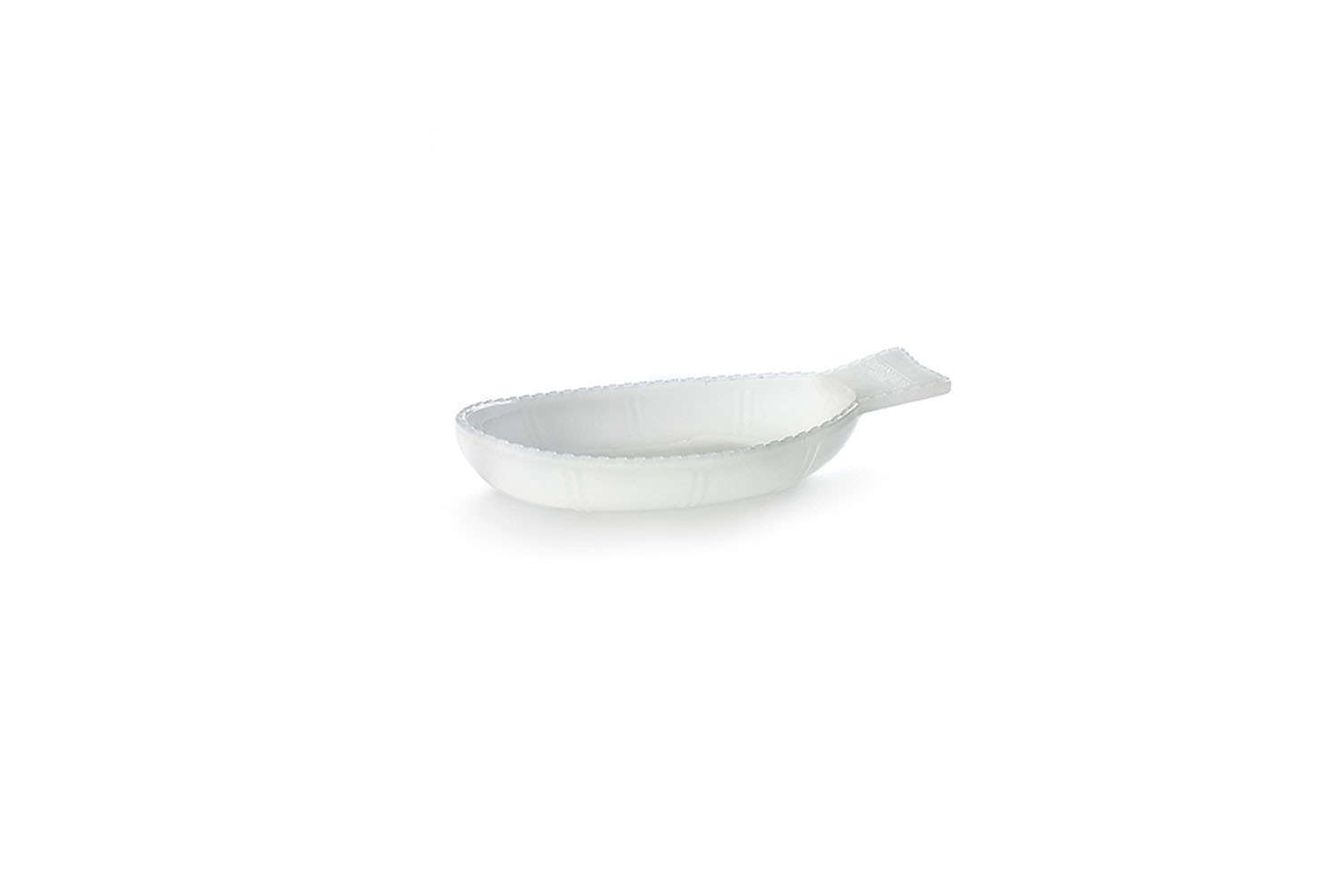
Some tableware whispers. Some tableware politely waits its turn behind the salad plates. And then there is the Fish Dish Deep – Milky White, a serving piece that swims directly into the center of the table and says, “Yes, the anchovies deserve better lighting.” This is not just a plate shaped like a fish. It is a small design statement, a practical serving dish, and a surprisingly flexible piece of modern tabletop styling.
The phrase “Fish Dish Deep – Milky White” points to a specific kind of object: a deep, fish-shaped glass dish from the Fish & Fish design language associated with Serax and designer Paola Navone. Its charm comes from contrast. The shape is playful, almost winkingly literal, while the milky white finish feels clean, calm, and sophisticated. Put olives in it and it looks Mediterranean. Put shrimp in it and it looks coastal. Put potato chips in it and suddenly your chips have a better publicist.
What Is the Fish Dish Deep – Milky White?
The Fish Dish Deep – Milky White is best understood as a decorative yet functional serving dish. It is typically described as a glass piece with a fish silhouette, a deep profile, and a soft opaque white appearance. The “deep” part matters because it separates the dish from a flat platter. A deep dish can hold sauced seafood, marinated vegetables, chilled appetizers, lemon wedges, small salads, dips, or snacks without making the table look like a tiny food avalanche happened.
Its visual identity comes from the Fish & Fish collection, a line known for fish-shaped glassware and serveware. The collection is playful rather than precious. It borrows the humble personality of vintage molded glass but translates it into a contemporary table setting. That is the magic: it feels nostalgic without looking like it escaped from a dusty cabinet in your aunt’s basement.
Why the Milky White Finish Works So Well
Milky white glass has a special talent: it makes food look fresh without stealing the show. Clear glass can disappear on a busy table. Brightly colored plates can clash with sauces, herbs, or linens. Milky white sits comfortably in the middle. It has presence, but it is not bossy. It reflects light softly, gives seafood a clean background, and pairs well with almost every table palette, from beach-house blue to farmhouse wood to modern black-and-white minimalism.
The milky white finish is especially useful for fish and seafood because it highlights natural color. Think of pink shrimp, golden fried smelt, green parsley, yellow lemon, glossy anchovies, or charred scallions. Against white glass, these ingredients look intentional. A simple tin of sardines with crackers, butter, and pickled onions suddenly feels like something served at a chic wine bar where the menu uses at least one French word.
Design Roots: Depression Glass, Milk Glass, and Everyday Beauty
The appeal of the Fish Dish Deep – Milky White becomes clearer when you look at its design roots. Fish & Fish pieces are often linked to Depression-glass inspiration: molded glassware from the 1920s and 1930s that brought color, texture, and affordability to everyday American tables. Depression glass was not designed to be locked away for special occasions. It was made to be used, collected, shared, and enjoyed.
Milky white glass also connects to the broader tradition of milk glass, an opaque or translucent white glass that has been used for decorative objects, tableware, vases, and serving pieces. Historically, milk glass often imitated porcelain while keeping the luminous quality of glass. That dual personality is exactly what makes the Fish Dish Deep – Milky White attractive today: it has the softness of ceramic, the glow of glass, and the casual confidence of an object that does not need a formal dinner party to justify its existence.
How to Style a Fish-Shaped Serving Dish Without Going Full Nautical
A fish-shaped dish can easily drift into theme-party territory if you surround it with rope napkin rings, anchor prints, shell candles, and a sign that says “Beach Please.” The trick is restraint. Let the dish be the wink. Everything else can stay grounded.
Use Natural Textures
Pair the dish with linen napkins, wood boards, woven placemats, stoneware dinner plates, or brushed flatware. These textures keep the table warm and relaxed. The milky white finish looks especially elegant next to unfinished wood, matte black accents, or soft neutral linens.
Add Color Through Food
Instead of using loud decorative accessories, let the ingredients provide the color. A few lemon wedges, herbs, radishes, olives, cherry tomatoes, or pickled onions can make the dish pop naturally. This is the tableware equivalent of good lighting: nobody notices the setup, but everything looks better.
Keep the Surrounding Plates Simple
Since the fish shape already adds personality, plain plates work best around it. White, cream, pale gray, soft blue, or clear glass settings allow the deep fish dish to stand out without making the table feel crowded.
Best Foods to Serve in a Fish Dish Deep – Milky White
Although the name suggests seafood, the dish is more flexible than it first appears. Its deep form makes it useful for small portions, shared appetizers, and saucy items that would slide around on a flat platter.
Seafood Appetizers
This is the obvious choice, and honestly, the dish was born ready. Use it for shrimp cocktail, smoked trout, marinated anchovies, sardines, crab salad, chilled mussels, or lemony calamari. For a small gathering, place one seafood item in the dish and arrange crackers, sliced baguette, or toast points around it on a larger board.
Tinned Fish Boards
Tinned fish has become fashionable again because it is flavorful, shelf-stable, and wonderfully low-effort. The Fish Dish Deep – Milky White is perfect for turning a casual tin into a composed snack. Spoon sardines or mackerel into the dish with their oil, add capers and parsley, and serve with buttered toast. Congratulations: dinner now looks like you planned it, even if the plan began five minutes ago.
Pickles, Olives, and Condiments
The deep profile works beautifully for briny side dishes. Castelvetrano olives, cornichons, pickled fennel, cocktail onions, or marinated peppers all look crisp against the milky white glass. This is a great use when you want the dish on the table but are not serving seafood.
Small Salads and Cold Sides
Try cucumber salad, shaved fennel with lemon, tomato and herb salad, or chilled potato salad. Because the dish is narrow and sculptural, it works best with sides that can be spooned neatly rather than huge leafy salads that need more room.
Snacks With Personality
A fish dish does not have to be serious. Use it for roasted nuts, crackers, chips, pretzels, or even candy. The contrast between a sculptural serving piece and an everyday snack is part of the fun.
Food Safety Matters When Serving Seafood
A beautiful serving dish cannot rescue unsafe seafood, no matter how charmingly fish-shaped it is. When preparing fish and shellfish, cook most seafood to an internal temperature of 145°F. Fish should turn opaque and separate easily with a fork. Shrimp, scallops, crab, and lobster should become firm and pearly. Clams, mussels, and oysters should open during cooking; if they stay closed, they should not be served.
For cold seafood, keep it chilled until serving time. If seafood will sit out for a longer gathering, place the serving dish over a larger tray of ice or replenish smaller portions as needed. The smarter move is to serve less at once and refill. It looks tidy, tastes fresher, and prevents guests from wondering whether the shrimp have entered their villain era.
Sustainable Seafood Makes the Dish Even Better
The Fish Dish Deep – Milky White looks best when it holds food you feel good about serving. When possible, choose seafood from reputable fishmongers, responsible fisheries, or trusted aquaculture sources. In the United States, seafood harvested from well-managed fisheries is often supported by strict environmental standards. For shoppers, this means the best dinner choice is not only “What looks delicious?” but also “Where did this come from, and was it responsibly caught or farmed?”
For a simple sustainable spread, try U.S. farmed oysters, responsibly sourced clams, wild Alaska salmon, Pacific cod, or domestic shrimp from reliable suppliers. Add seasonal vegetables, citrus, and herbs, and the dish becomes more than pretty tableware. It becomes part of a thoughtful meal.
Care Tips for Milky White Glass Serveware
Glass serveware is durable enough for regular use, but it still deserves common sense. Always check the maker’s care instructions for the exact product. If the piece is labeled dishwasher safe, use a gentle cycle, avoid overcrowding, and keep it from knocking against heavier dishes. If you hand-wash it, use warm water, mild soap, and a soft sponge or cloth.
Avoid sudden temperature changes. Do not move a cold glass dish directly into a very hot environment, and do not pour boiling liquid into chilled glass unless the manufacturer specifically says it is safe. Thermal shock can cause cracks or breakage. Also avoid abrasive scrubbers, which can dull the surface over time. Treat the dish nicely and it will keep looking like a tiny white fish with excellent manners.
Where It Fits in Modern Home Decor
The Fish Dish Deep – Milky White belongs in the category of “useful objects with personality.” It is not a plain bowl, but it is also not so unusual that it becomes hard to use. That balance makes it valuable in modern homes, especially for people who want fewer, better pieces. It can sit on open shelving, anchor a small appetizer spread, or bring character to a simple weeknight dinner.
In a coastal kitchen, it reinforces the setting without becoming kitsch. In a city apartment, it adds a touch of playful European café energy. In a minimalist dining room, it becomes the one sculptural detail that keeps the table from looking like a showroom where nobody is allowed to chew.
Specific Examples for Using the Dish
Example 1: The Easy Wine-Night Snack
Fill the dish with marinated anchovies, lemon zest, chopped parsley, and a drizzle of olive oil. Place it on a board with toasted bread, salted butter, olives, and thinly sliced radishes. It takes ten minutes and looks like you casually studied in Spain.
Example 2: The Seafood Starter
Use the dish for chilled shrimp with lemon wedges and cocktail sauce served separately. Add crushed ice beneath the dish if the food will sit out. Keep portions small and refill from the refrigerator.
Example 3: The Non-Seafood Table Accent
Fill it with herbed white beans, roasted cherry tomatoes, or pickled vegetables. The fish shape becomes a visual surprise rather than a literal seafood cue.
Example 4: The Holiday Side Dish
Serve cranberry-orange relish, spiced nuts, or marinated mushrooms in the dish. The milky white finish feels festive without requiring glitter, which is helpful because glitter is not decor; glitter is a long-term roommate.
Buying Considerations Before You Add It to Your Table
Before buying a Fish Dish Deep – Milky White or a similar fish-shaped serving dish, consider size, depth, material, and storage. A dish around 26 centimeters long is excellent for appetizers and small sides, but it will not replace a large platter for whole roasted fish. The deep shape is practical for sauced or marinated foods, but it may not be ideal for flat fillets that need more surface area.
Material also matters. Glass gives a luminous, clean look and usually feels lighter than thick ceramic. Ceramic versions may offer more weight and heat retention, depending on the maker, but they can feel more rustic. The milky white glass version is best for people who want something bright, playful, and easy to mix with other tableware.
Experience Section: Living With a Fish Dish Deep – Milky White
The first thing you notice when using a Fish Dish Deep – Milky White is that guests notice it before they notice what is inside it. This is rare for serving pieces. Most bowls simply hold the food and quietly accept their destiny. This one starts conversations. Someone will ask where it came from. Someone else will say it reminds them of vintage glass. A third person will pick it up, inspect the fish shape, and nod with the seriousness usually reserved for buying a car.
In everyday use, the dish is most satisfying when it is not overfilled. Its shape deserves a little breathing room. A small mound of olives looks better than a mountain of olives. A neat line of shrimp looks better than a chaotic seafood traffic jam. Because the dish has a defined silhouette, negative space becomes part of the presentation. Leave some of the milky white surface visible, and the food looks more deliberate.
It also works wonderfully as a “bridge” piece on the table. Put it between a cheese board and a salad, and it connects the spread visually. Use it beside grilled fish, and it can hold sauce, lemon, or herbs. Place it near drinks, and it can hold cocktail garnishes, citrus twists, or salted nuts. The shape suggests seafood, but the color keeps it neutral enough for almost anything.
The best experience comes during casual gatherings. Imagine a Friday evening with two friends, a cold bottle of white wine, toasted bread, and a few tins of sardines or smoked trout. Spoon the fish into the milky white dish, add herbs, lemon, and cracked pepper, and suddenly the table feels styled but not staged. Nobody has to know dinner was assembled from pantry items and optimism.
Cleaning is straightforward if you treat it like glass rather than cookware. Let oily foods soak briefly in warm soapy water, use a soft sponge, and dry it well before storing. If using a dishwasher, avoid crowding it beside heavy pans or sharp utensils. The dish is charming, not invincible. Think of it as the elegant guest at the party: perfectly happy to participate, but not interested in being shoved next to a cast-iron skillet.
Over time, the dish becomes one of those pieces you reach for when the table needs a little lift. It is not essential in the way a dinner plate is essential, but that is exactly why it is enjoyable. It brings humor, texture, and visual rhythm to meals that might otherwise feel routine. A bowl of pickles becomes a detail. A few lemon wedges become a design choice. A simple seafood appetizer becomes the centerpiece. That is the quiet power of good tableware: it makes ordinary food feel cared for.
Conclusion
The Fish Dish Deep – Milky White is more than a novelty serving piece. It combines the nostalgic appeal of molded glass, the clean glow of milky white tableware, and the practical depth needed for seafood, snacks, sauces, and small sides. Its fish shape adds humor without overwhelming the table, while its neutral color makes it surprisingly easy to style.
For seafood lovers, design collectors, home entertainers, or anyone who believes appetizers deserve a little drama, this dish is a smart addition. It can dress up tinned fish, hold chilled shrimp, brighten a coastal table, or turn a bowl of olives into something guests actually remember. In short, it is functional, photogenic, and just quirky enough to make dinner feel alive.