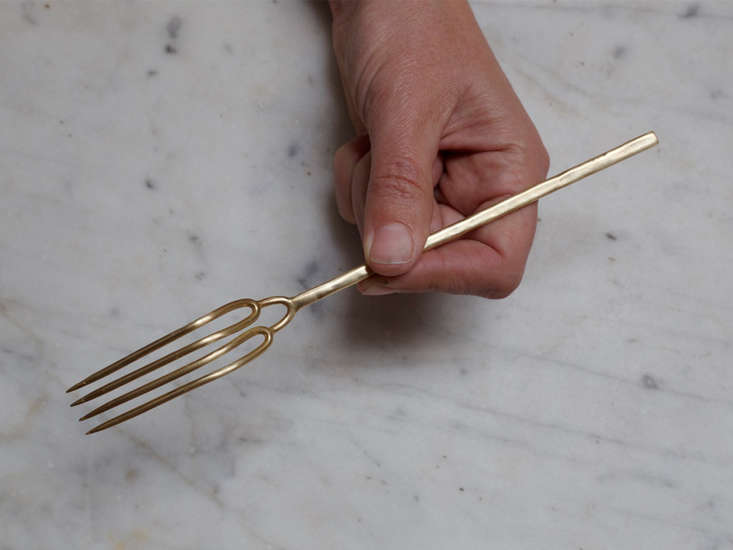
A forged marrow spoon in bronze is the kind of tableware piece that makes guests pause, lean in, and ask, “Wait, what is that beautiful tiny shovel for?” That question is exactly where the charm begins. The Forged Marrow Spoon, Bronze is not just another utensil tossed into the drawer beside the everyday teaspoons. It is a specialty tool with a long culinary history, a sculptural handmade presence, and a surprisingly practical purpose: reaching into roasted bones to lift out warm, buttery marrow with grace instead of panic.
At first glance, a bronze marrow spoon looks almost too elegant for such a primal food. Bone marrow is rich, old-world, and wonderfully messy in spirit. The spoon, by contrast, is slim, disciplined, and beautifully forged. Together, they create a delicious little contradiction: caveman flavor served with gallery-worthy manners. For home cooks, collectors, chefs, and design lovers, this utensil offers something rarea functional object that feels like a conversation piece before the first course even begins.
What Is a Forged Marrow Spoon?
A marrow spoon is a narrow utensil designed to remove soft roasted marrow from inside bones. Traditional marrow spoons and marrow scoops appeared centuries ago when diners treated bone marrow as a delicacy worth its own table tool. Instead of using a knife tip, chopstick, or whatever desperate object happened to be nearby, diners used a long, slim scoop to glide into the bone cavity and retrieve the rich center cleanly.
The bronze forged version updates that historic idea for the modern table. It keeps the essential long, narrow profile but adds a handcrafted surface, warm metallic color, and artisan character. The spoon portion is thin and cupped, allowing it to slide into marrow bones without tearing the texture apart. Its elongated shape gives the user better reach, especially when serving split beef or veal bones where the marrow sits deep inside the channel.
Product Overview: Small Tool, Big Personality
The Forged Marrow Spoon, Bronze is typically described as a hammered, thin, cupped spoon made specifically for marrow. Its bowl is narrowabout half an inch at the widest pointwith a shallow depth of about one-quarter inch. The spoon portion measures roughly three inches, while the full utensil runs about 7 3/4 inches long. In plain English, it is slim enough to do the job and long enough to do it without making dinner feel like a miniature excavation project.
Because it is forged and hammered, each piece carries small surface variations. Those marks are not defects. They are the fingerprints of the making process. In a world full of identical stainless-steel flatware, forged bronze feels refreshingly human. It has texture, warmth, and a slightly ancient quality, as though it wandered into your dining room from a very stylish archaeological dig.
Why Bronze Makes This Spoon Stand Out
Bronze has a visual depth that stainless steel rarely achieves. Its color sits somewhere between golden brown, muted copper, and antique brass, depending on the light and finish. On a table, that warmth pairs beautifully with wood boards, stoneware plates, linen napkins, cast-iron pans, and dark roasted foods. A bronze marrow spoon beside a roasted marrow bone looks intentional, not improvised.
Forged bronze flatware also brings tactile appeal. The metal feels substantial without appearing bulky. Its hammered surface catches light in tiny irregular flashes, which helps the spoon look handmade rather than machine-stamped. For people who care about table design, this matters. A marrow course is already dramatic. Serving it with a plastic-handled teaspoon would be like wearing sneakers to a black-tie dinner. Comfortable? Sure. Correct? Not quite.
The History Behind Marrow Spoons
Marrow spoons have roots in European and American dining traditions, especially from the 17th and 18th centuries. During that period, table settings became more refined, and specialized utensils appeared for foods that demanded special handling. Bone marrow, prized for its rich flavor and luxurious texture, deserved a tool of its own.
Historic marrow spoons often featured a regular spoon bowl at one end and a narrow scoop at the other. Later versions became even more specialized, with double-ended channels of different widths to fit various bone sizes. Museums and antique collections still preserve these unusual utensils, proving that our ancestors were extremely serious about getting every last bit of the good stuff. Honestly, respect.
The modern forged bronze marrow spoon continues that tradition but shifts the mood from formal silver service to contemporary artisan dining. It feels less like something locked in a display case and more like something you would actually use at a dinner party with good bread, good salt, and guests who appreciate a little culinary theater.
How to Use a Bronze Marrow Spoon
Using a marrow spoon is simple. Roast the bones until the marrow is soft, glossy, and just beginning to loosen from the bone. Place the bone on a stable plate or board. Then slide the narrow cupped end of the spoon into the marrow cavity and lift gently. The goal is not to scrape aggressively. Good marrow should be coaxed out, not interrogated.
Best Pairings for Roasted Bone Marrow
Roasted marrow is famously rich, so it loves contrast. Serve it with toasted sourdough, grilled baguette, flaky salt, parsley salad, shallots, capers, lemon zest, or pickled vegetables. The marrow spoon does the delicate extraction; the toast does the heavy lifting. A small herb salad brightens the dish and keeps the richness from becoming too much of a good thing.
When to Bring It to the Table
This spoon shines during appetizers, tasting menus, steak dinners, holiday meals, or any occasion when you want the table to feel more thoughtful. It is also useful for chefs plating roasted marrow in restaurants, private dining events, or food photography shoots. Even if marrow appears only occasionally on your menu, the spoon earns its keep as a memorable serving piece.
Design Details That Matter
The success of a marrow spoon depends on proportion. If the bowl is too wide, it will not fit easily into smaller bones. If it is too shallow, the marrow slips away. If the handle is too short, the user loses control. The forged bronze version balances these needs with a narrow cupped form and a handle long enough for comfortable reach.
The hammered texture is also practical. While its first job is visual beauty, a lightly textured handle may feel more secure than a slick polished surface, especially when the dish includes rendered fat. This is not a utensil trying to be flashy for no reason. Its shape, material, and surface all support the ritual of eating marrow neatly and enjoyably.
Care and Maintenance for Bronze Flatware
Bronze and other copper alloys need more thoughtful care than everyday stainless steel. That does not make them difficult; it simply means they should be treated like artisan pieces rather than dishwasher survivors. Wash the spoon by hand with mild soap and warm water, then dry it immediately with a soft cloth. Avoid long soaking, abrasive pads, harsh cleaners, and dishwasher cycles.
Because bronze develops patina over time, its surface may darken or mellow. Many owners enjoy this natural aging because it gives the spoon character. If you prefer a brighter look, use a cleaner recommended by the maker and polish gently. For food use, always confirm that the specific bronze alloy and finish are intended for direct contact with food. Also avoid leaving acidic ingredients such as vinegar, citrus juice, or wine sitting on copper-alloy utensils for extended periods.
Who Should Buy a Forged Bronze Marrow Spoon?
This spoon is ideal for people who love food with history, handmade tableware, and objects that perform one task beautifully. It is not the most necessary utensil in the kitchen. Nobody wakes up unable to function because they lack a marrow spoon. But necessity is not the point. The point is pleasure, ritual, and the quiet joy of using the right tool at the right moment.
Collectors may appreciate it as part of a broader artisan flatware set. Hosts may love it because it turns a marrow course into an event. Chefs may value its narrow, efficient shape. Design enthusiasts may simply place it on the table and admire the way bronze warms up the entire setting. It also makes a distinctive gift for cooks who already own every common gadget and do not need another avocado slicer shaped like a dolphin.
Styling the Spoon on the Table
A bronze marrow spoon looks best when surrounded by natural textures. Think dark wood boards, handmade ceramic plates, linen runners, beeswax candles, and simple glassware. The spoon’s warm tone also pairs well with black stoneware, cream plates, walnut serving boards, and rustic bread baskets. If the meal includes steak, roasted vegetables, or red wine sauce, the bronze color echoes the deep tones of the food beautifully.
For a more modern look, place the spoon beside a white plate with split roasted bones, a small pile of parsley salad, and two slices of toast. The contrast makes the bronze stand out without feeling fussy. For a more old-world presentation, serve marrow bones on a wooden board with flaky salt in a tiny bowl and the spoon resting diagonally across a folded napkin.
Practical Buying Considerations
Before buying a bronze marrow spoon, check three things: material, dimensions, and food-use guidance. The material should be clearly described. The size should fit the type of marrow bones you plan to serve. The maker or retailer should provide enough care information to help you use the piece properly.
Hand-forged utensils may vary slightly from piece to piece, which is part of their appeal. If you expect machine-perfect symmetry, handmade bronze may surprise you. If you enjoy subtle irregularities, the spoon will feel personal from day one. Look for smooth edges, a comfortable handle, a narrow bowl, and a finish that feels intentional rather than rough.
Experience Notes: Living With a Forged Marrow Spoon, Bronze
Using a forged bronze marrow spoon changes the mood of a meal in a way that is hard to understand until it is on the table. The first experience is usually visual. Before anyone tastes the marrow, people notice the spoon. It is slim, warm-toned, and unfamiliar enough to invite questions. That small moment of curiosity makes the course feel special before the food even arrives.
The second experience is tactile. A forged spoon does not feel like anonymous flatware. It has weight, texture, and slight irregularity. When you hold it, you can feel that it was shaped by hand. That matters with marrow because the dish itself is elemental. You are eating something rich, simple, and deeply traditional. A handmade utensil matches that honesty better than a shiny mass-produced spoon.
In practice, the narrow bowl is the hero. With lengthwise-cut marrow bones, the spoon slides along the channel and lifts the soft marrow cleanly. With cross-cut bones, it reaches into the center more gracefully than a normal teaspoon. The difference may sound minor, but at the table it feels significant. Instead of poking around awkwardly, you scoop with confidence. Your toast gets a clean ribbon of marrow rather than a messy smear and a tiny argument with the bone.
There is also a hosting benefit. Serving roasted marrow can intimidate guests who have never tried it. A dedicated marrow spoon quietly explains what to do. It says, “This is intentional. This is delicious. No, you do not have to wrestle the bone with your dinner knife.” That kind of visual cue makes adventurous food more approachable.
Care becomes part of the ownership experience too. After dinner, washing the bronze spoon by hand feels less like a chore and more like caring for a small heirloom. You rinse away the richness, dry the metal carefully, and notice how the surface changes over time. The patina becomes a record of meals served, guests gathered, and recipes attempted. Stainless steel stays the same forever, which is convenient. Bronze evolves, which is more interesting.
The spoon also teaches restraint. Because it is so specific, it encourages you to serve marrow thoughtfully rather than casually. You start thinking about good bread, bright garnishes, proper salt, and balanced portions. A tiny utensil ends up improving the whole dish because it makes you pay attention. That may be the best argument for owning one: it turns eating into an experience, not just an activity.
Conclusion
The Forged Marrow Spoon, Bronze is a small object with a surprisingly rich story. It connects historic dining traditions with modern artisan design, offering both beauty and practical purpose. Its narrow hammered form is made for roasted bone marrow, but its real appeal goes beyond function. It adds ceremony to the table, encourages slower eating, and reminds us that specialized tools can make simple pleasures feel extraordinary.
For chefs, collectors, hosts, and design-minded home cooks, a bronze marrow spoon is more than a novelty. It is a useful piece of culinary heritage, warm in color, elegant in hand, and delightfully specific. Use it with roasted marrow, crusty bread, herbs, and good salt. Wash it carefully, let it age gracefully, and enjoy the fact that your table now includes a utensil with more personality than most kitchen gadgets combined.