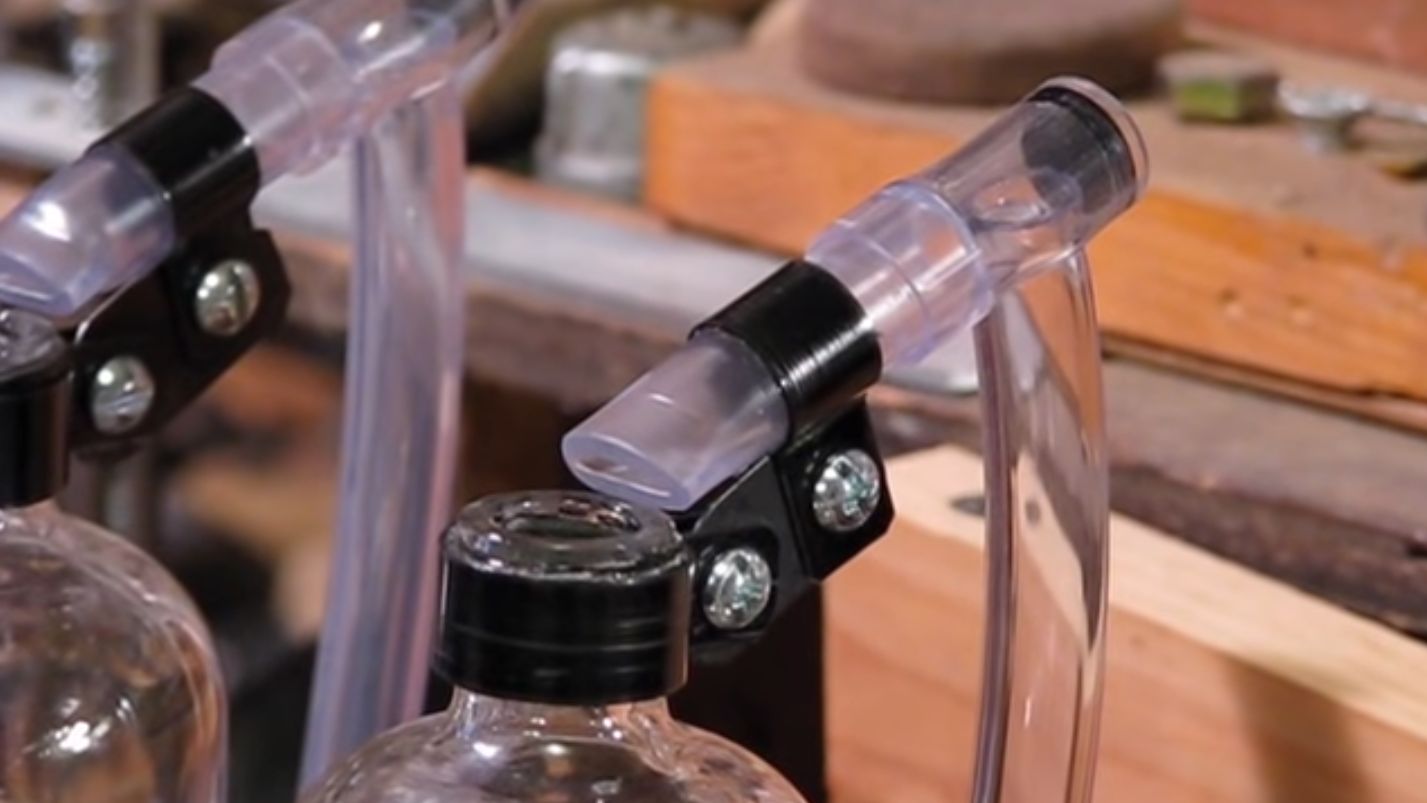
Note: In this article, “fipples” refers to the plural of fipple: the wind-directing mouthpiece assembly used in duct flutes such as recorders, tin whistles, flageolets, ocarinas, organ flue pipes, and many folk whistles. It may sound like a word invented by a sleepy wizard, but it is a real term in the world of musical acoustics.
Introduction: The Small Mouthpiece With a Big Personality
Forming fipples and accompanying accoutrements is one of those wonderfully niche crafts that looks simple right up until the first prototype squeaks like a startled tea kettle. A fipple is the part of a duct flute that guides the player’s breath through a narrow channel, sends it toward a sharp edge called the labium, and helps transform ordinary air into a musical tone. In other words, it is the tiny traffic director of the wind-instrument world.
Recorders, tin whistles, tabor pipes, flageolets, Native American-style flutes, and many traditional whistles rely on this deceptively modest structure. Unlike reed instruments, which use a vibrating reed, or transverse flutes, which depend heavily on the player shaping the air stream with the lips, fipple instruments contain a built-in airway. That is why a beginner can usually make a recorder sound on the first try, although making it sound beautiful may require patience, breath control, and possibly apologizing to nearby pets.
This article explores what fipples are, how they are formed, which tools and materials matter, and how the surrounding accessoriesblocks, windways, labiums, bodies, tone holes, cleaning tools, finishes, and tuning aidswork together. Whether you are a woodwind maker, a curious musician, a hobbyist building a homemade whistle, or someone who simply enjoys strange but useful words, the fipple deserves a closer look.
What Is a Fipple?
A fipple is commonly understood as the mouthpiece or sound-producing duct assembly in certain flutes and whistles. The term can be slippery because different makers use it differently. Some refer to the fipple as the block or plug inside the mouthpiece. Others use the word for the windway, the blade-like edge, or the entire sound-producing system. For practical instrument making, it is easiest to think of the fipple as a small acoustic machine made of three key elements: the windway, the window, and the labium.
The Windway
The windway is the narrow passage that channels air from the player’s mouth toward the labium. Its shape, height, length, smoothness, and exit angle all affect tone. A windway that is too tall may create a breathy or unstable sound. A windway that is too tight may clog easily with condensation or require too much pressure. A clean, consistent windway helps the instrument speak quickly and predictably.
The Window
The window is the opening where the air stream exits the windway and meets the labium. Its size influences response, volume, and tone color. A larger window can create a stronger, louder voice, but it may also demand more air. A smaller window may produce a sweeter tone, though it can limit power and dynamic range.
The Labium
The labium is the sharpened edge that splits the air stream. When air strikes this edge, the flow alternates above and below it, setting the air column inside the instrument into vibration. That vibration becomes the note we hear. The labium does not need to be razor sharp; in fact, an overly fragile edge can be unstable or easy to damage. The goal is a precise, clean edge with the right angle and position.
Why Fipple Formation Matters
The fipple is where breath becomes music. Even if the body of the instrument is beautifully bored, polished, drilled, and tuned, a poorly formed fipple can make the result weak, airy, delayed, shrill, or stubbornly silent. A well-formed fipple, on the other hand, gives the instrument a quick attack, steady tone, reliable octave behavior, and pleasing timbre.
In recorder making, tiny adjustments to the block angle or windway height can noticeably change the instrument’s response. In tin whistles, the fipple design affects chiff, brightness, breath requirement, and the ease of jumping between octaves. In folk flutes and handmade whistles, the fipple often determines whether the instrument feels lively or lazy.
The process is part science, part craft, and part listening. Measurements matter, but the final voice of an instrument often emerges through testing, shaving, sanding, and testing again. Makers frequently describe this stage as “voicing,” and the name fits: you are not merely building a part; you are teaching the instrument how to speak.
Common Materials Used for Fipples
Fipples can be made from wood, plastic, metal, clay, bone, cane, reed, or composite materials. The best choice depends on the instrument, desired tone, durability, manufacturing method, and maintenance expectations.
Wood
Wood is traditional for recorders and many handmade flutes. Maple, pearwood, boxwood, cedar, grenadilla, and other hardwoods are used in different contexts. Wood allows fine shaping and can produce warm, complex tones. However, it reacts to humidity and temperature, so careful drying, oiling, and storage are important.
Plastic and Resin
Plastic fipples are common in student recorders and mass-produced whistles. They are stable, affordable, and resistant to moisture. A well-designed plastic mouthpiece can play surprisingly well, even if it lacks some of the charm and tonal complexity associated with handmade wooden instruments.
Metal
Metal is frequently used for tin whistle bodies, while the fipple plug or mouthpiece may be plastic, wood, or metal. Metal provides durability and a bright response, but the internal geometry must still be precise. A shiny tube with a sloppy fipple is just a very confident noisemaker.
Clay and Ceramic
Ocarinas and historic vessel flutes often use clay or ceramic fipple systems. These instruments show how ancient and widespread duct-flute technology is. Ceramic fipples require careful shaping before firing because post-firing adjustments are limited and risky.
Essential Accoutrements: The Supporting Cast
A fipple does not perform alone. It depends on several accompanying accoutrements, each contributing to playability, tuning, comfort, and longevity. Think of the fipple as the lead singer and the accessories as the band members making sure the show does not collapse during the chorus.
The Block or Plug
The block, sometimes called the plug, sits inside the mouthpiece and helps form the windway. In a recorder, it is often made from cedar or another stable wood. The block must fit tightly enough to prevent air leaks but not so aggressively that it cracks the head joint. Its top surface helps define the windway’s height and curve.
The Instrument Body
The body is the resonating tube or vessel. Its length, bore shape, internal diameter, and tone-hole placement determine pitch and scale. A fipple can start the sound, but the body decides what note comes out. This is why a mouthpiece alone may whistle, but a complete instrument sings.
Tone Holes
Tone holes shorten or lengthen the vibrating air column when opened or closed. Their placement, diameter, and undercutting influence tuning and response. Poorly placed tone holes can make even a strong fipple seem guilty of crimes it did not commit.
Windway Tools
Files, broaches, scrapers, sanding strips, small chisels, and precision gauges are common tools for forming and refining windways. Some makers use jigs to maintain consistency. Others rely on hand skills developed over many instruments. Either way, the goal is a smooth, controlled air channel.
Cleaning Rods and Swabs
Moisture is a constant companion in fipple instruments because warm breath meets cooler material. Cleaning rods, swabs, absorbent paper, and soft cloths help prevent clogging, mold, and unpleasant smells. Nobody wants a recorder that smells like a gym sock with musical ambitions.
Cork Grease and Joint Care
Recorders and multi-piece flutes often use corked joints. Cork grease helps assembly and prevents cork damage. The fipple may be the glamorous part, but a dry, crumbling cork joint can still ruin the day.
How Fipples Are Formed
Forming a fipple usually begins with planning the instrument’s scale, bore, and intended sound. A loud outdoor whistle requires a different approach than a refined alto recorder or a soft indoor folk flute. The maker must decide how much breath resistance, brightness, chiff, and tonal stability the instrument should have.
Step 1: Shape the Mouthpiece
The mouthpiece must be comfortable and structurally sound. For wooden instruments, the head joint is bored and shaped before the windway and window are refined. For whistles, the mouthpiece may be molded, machined, carved, or assembled from separate parts.
Step 2: Create the Windway
The windway is carved, filed, molded, or machined into the mouthpiece assembly. It should guide air evenly and smoothly. The exit must aim the air stream toward the labium at the correct height and angle. Even minor irregularities can cause turbulence, weak tone, or delayed response.
Step 3: Cut the Window
The window is opened where the air leaves the windway. Its dimensions must match the instrument’s intended character. A maker may start conservatively because material can usually be removed more easily than restored. This is a universal craft rule, right up there with “do not put your coffee where the shavings are.”
Step 4: Form the Labium
The labium is shaped with careful cuts and finishing strokes. Its edge should be clean, centered, and aligned with the windway. The ramp leading to the edge must support stable oscillation of the air stream. If the labium is too blunt, the tone may be dull. If it is too thin or poorly supported, the sound may become harsh or unreliable.
Step 5: Fit the Block
When a separate block is used, it must be fitted precisely. Gaps can leak air. A swollen block can distort the windway. The top surface of the block is often adjusted to fine-tune the air channel. This is delicate work because one extra scrape can change the instrument’s behavior.
Step 6: Voice and Test
Voicing is the iterative process of playing, listening, adjusting, and repeating. The maker checks attack, stability, tone color, breath pressure, octave response, and tuning. Adjustments may involve the windway, block, labium, window, or bore. This stage rewards patience and punishes overconfidence with squeaks.
Design Factors That Influence Sound
Several design variables shape the sound of a fipple instrument. Understanding these factors helps makers diagnose problems and refine results.
Windway Height
A lower windway often increases focus and resistance, while a higher windway may increase air flow and volume. Too low, and the instrument may choke. Too high, and it may become breathy or unstable.
Windway Length
A longer windway can smooth the air stream but may collect more condensation. A shorter windway can feel immediate but may be harder to control. The ideal length depends on the instrument type and material.
Labium Distance
The distance between windway exit and labium affects response and tone. If the labium is too close, the sound may be pinched. If it is too far, the instrument may respond slowly or require excessive air.
Window Size
A wider or longer window can produce a more open sound, but it may also reduce control. A smaller window may improve sweetness and stability at the cost of volume.
Bore Shape
Cylindrical and conical bores behave differently. Recorders often use carefully designed internal profiles to balance tuning across registers. Simple whistles may use straight cylindrical tubing, which is easier to make but still requires thoughtful tone-hole placement.
Common Problems When Forming Fipples
Even experienced makers run into trouble. The good news is that most fipple problems have recognizable symptoms.
Weak or Airy Tone
A weak tone may come from an oversized windway, a poorly aimed air stream, a dull labium, leaks around the block, or an oversized window. The fix may involve reducing air leakage, adjusting the block, refining the edge, or reshaping the windway exit.
Slow Response
If the note speaks late, the labium may be too far from the windway, the edge may be too blunt, or the windway may be too open. Careful adjustment can improve the attack.
Clogging
Condensation can block the windway, especially in narrow designs. Players can reduce clogging by warming the instrument before playing, keeping the mouth clean, and drying the instrument afterward. Makers can help by designing windways that balance focus with moisture tolerance.
Unstable Octaves
If the second octave is difficult, the issue may involve fipple geometry, bore dimensions, tone-hole design, or breath pressure. In whistles, octave behavior is especially sensitive to mouthpiece design and tube proportions.
Harsh or Shrill Sound
A harsh sound may result from an overly aggressive labium, excessive windway pressure, or a window that encourages too much turbulence. The solution is rarely “blow harder.” That advice has ended many friendships in beginner recorder class.
Maintenance: Keeping Fipples Friendly
Good maintenance protects both sound and hygiene. Players should avoid eating immediately before playing, especially sticky or crumbly foods. Food particles can enter the windway, encourage mold, and alter the response. Brushing teeth or rinsing the mouth before playing is a simple habit with big benefits.
After playing, the instrument should be dried properly. Wooden instruments need extra care because moisture can cause swelling, cracking, or mold. Resin instruments are more forgiving, but their windways still collect condensation. Cleaning rods, lint-free cloths, and gentle drying routines help preserve the fipple’s performance.
The labium should never be poked casually. It is one of the most sensitive parts of the instrument. A dented edge can change the tone dramatically. If moisture blocks the windway, players can use recommended clearing techniques, such as covering the window lightly and blowing to move condensation, rather than scraping inside with random objects. A paperclip is not a woodwind technician, no matter how confident it looks.
Modern Uses of Fipple Instruments
Fipple instruments remain popular because they are accessible, portable, and expressive. The recorder is used in early music, education, contemporary composition, and professional performance. Tin whistles are central to Irish traditional music and appear in folk, film, and popular arrangements. Ocarinas have found audiences in world music, gaming culture, and handmade craft markets. Simple whistles are also used for signaling, toys, bird calls, and experimental sound design.
Modern makers combine traditional skills with digital tools. Some use computer-aided design, 3D printing, CNC machining, and acoustic modeling to prototype fipple shapes. Others continue to work by hand, listening closely and adjusting each instrument individually. Both approaches depend on the same basic principle: the fipple must guide air cleanly to an edge and cooperate with the resonating body.
Practical Examples of Fipple Formation
A Simple PVC Whistle
A beginner maker might start with PVC pipe, a wooden plug, and a carefully cut window. The plug forms the windway, while the pipe acts as the resonator. By adjusting the plug height and labium angle, the maker can produce a basic whistle. It may not win a symphony audition, but it teaches the fundamentals quickly.
A Handmade Wooden Recorder Head
A recorder maker works with much tighter tolerances. The block must fit precisely, the windway must be smooth, and the labium must be shaped with refined control. The final voicing may involve tiny adjustments that change the sound from dull to clear or from unstable to elegant.
A Clay Ocarina
In a clay ocarina, the fipple and vessel body must be formed before firing. The maker tests the voicing while the clay is workable, knowing that shrinkage during drying and firing may affect pitch and response. This requires planning, experience, and a healthy respect for clay’s ability to do whatever it wants when heat enters the conversation.
Experiences Related to Forming Fipples And Accompanying Accoutrements
The first experience many makers have with forming fipples is humbling. On paper, the design seems almost too easy: make a tube, add a slot, aim air at an edge, and enjoy instant music. In practice, the first attempt often produces a sound somewhere between a tired referee whistle and a goose questioning its life choices. That moment is not failure. It is the beginning of understanding.
One of the most useful lessons is that small changes matter. A maker may sand the windway slightly and suddenly the tone becomes clearer. Another tiny adjustment to the labium may improve the attack. Then, one enthusiastic extra scrape may ruin the balance completely. Fipple work teaches restraint. It encourages the craftsperson to test often, remove material slowly, and listen carefully. The instrument gives feedback immediately, though not always politely.
Another common experience is learning that accoutrements are not optional decorations. A well-shaped block, a clean bore, properly placed tone holes, and a smooth interior finish all support the fipple. Beginners sometimes blame the mouthpiece for every problem, but the body may be too short, the bore may be rough, or the tone holes may be poorly sized. The fipple starts the vibration, but the rest of the instrument decides whether that vibration becomes a musical note or an acoustic complaint.
Moisture management is another memorable lesson. A whistle or recorder may sound perfect for five minutes, then grow muffled as condensation gathers in the windway. This teaches both players and makers to think about breath, temperature, channel size, and cleaning routines. A beautiful fipple that clogs constantly is like a sports car that only drives downhill: impressive, but inconvenient.
Many makers also discover that different materials have different personalities. Wood feels alive and responsive, but it moves with humidity. Plastic is stable and predictable, but it may feel less personal. Metal can be bright and durable, while clay offers sculptural freedom but demands planning before firing. Each material changes how the fipple is formed, adjusted, and maintained.
The most satisfying experience comes when a newly formed fipple finally speaks clearly. The note arrives cleanly, the response feels immediate, and the instrument seems to wake up. That moment is addictive. It explains why people keep making whistles, recorders, ocarinas, and experimental flutes even after a workbench full of questionable prototypes. The craft rewards curiosity. It turns breath, geometry, and patience into sound.
For musicians, understanding fipples also improves playing. A player who knows how the windway and labium work becomes more sensitive to breath pressure, articulation, warming the instrument, and clearing condensation. They stop treating the mouthpiece as a mysterious plastic beak and start seeing it as a precision acoustic system. That awareness can lead to better tone, cleaner attacks, and fewer panicked moments during performance.
Ultimately, forming fipples and accompanying accoutrements is a craft of listening. The maker listens to the material, the air stream, the pitch, the attack, and the silence between failed attempts. The process may involve physics, but it also involves patience and humor. After all, anyone who spends an afternoon arguing with a tiny wooden block inside a flute has earned the right to laugh.
Conclusion
Forming fipples and accompanying accoutrements is a precise, fascinating, and surprisingly expressive part of musical instrument making. The fipple may be small, but it controls the first critical step in sound production: guiding breath toward an edge and setting the air column into motion. Its success depends on careful shaping of the windway, window, labium, block, bore, and tone holes.
Whether found in a recorder, tin whistle, ocarina, or handmade folk flute, the fipple proves that music often begins with humble engineering. A narrow channel, a sharp edge, and a column of air can create centuries of melody. The craft asks for patience, clean workmanship, and a willingness to test repeatedly. Get it right, and the result is more than a whistle. It is a small acoustic miracle with excellent mannersmost of the time.