For years, I wrote about medical research from the safest seat in the building: behind a laptop.
I interviewed physicians, translated statistical language into ordinary English, and politely asked researchers to explain what “clinically meaningful” meant without using seven additional scientific terms. I understood randomized trials, genetic variants, informed consent, biomarkers, and confidence intervals. At least, I understood them professionally.
Then an email about my family transformed all those familiar words into something heavier.
Suddenly, I was no longer asking questions on behalf of readers. I was wondering whether a devastating neurological disease might be hiding inside my own DNA. The possibility eventually led me into an ALS and frontotemporal dementia research study, where I discovered that reading about clinical research and becoming a participant are approximately as similar as reviewing restaurant menus and being the turkey sandwich.
When ALS Stopped Being Just Another Assignment
The email arrived in May 2022. A first cousin, then 67, had been diagnosed with both amyotrophic lateral sclerosis, or ALS, and frontotemporal dementia, commonly called FTD. Her early changes had been subtle. Over time, she could no longer drive, struggled to complete sentences, and needed workplace accommodations to remain employed.
Testing revealed that she carried a disease-associated expansion in the C9orf72 gene. That discovery did not affect only her. It also raised an uncomfortable question for everyone connected to that side of our family: Could we carry the same genetic change?
ALS is a progressive neurological disease that damages motor neurons, the nerve cells responsible for voluntary movement. As those cells stop functioning, muscles weaken and may eventually lose the ability to support walking, speaking, swallowing, and breathing. Symptoms and progression vary, but the condition remains serious, life-limiting, and without a cure. The CDC estimates that close to 35,000 people in the United States are living with ALS.
FTD affects the frontal and temporal regions of the brain. Depending on the form of the disease, it can change behavior, judgment, personality, communication, and language. ALS and FTD may appear separately, but they can overlap, particularly in families affected by a C9orf72 repeat expansion.
The diagnosis forced me to look again at my family tree. My maternal grandmother had died from ALS before I was born. Years later, a maternal auntmy cousin’s motheralso developed ALS. Now the disease had appeared in three successive generations.
Two cases had been easy to file under “terrible coincidence,” especially when separated by time. Three generations made coincidence look less convincing. Family history had stopped being background information on a medical form. It had become a flashing arrow.
The Question Genetic Testing Cannot Answer for You
My siblings and I began discussing predictive genetic testing. The scientific question sounded simple: Did any of us inherit the same C9orf72 expansion?
The emotional question was considerably messier: Did we want to know?
A genetic result is not a weather forecast. A positive result may indicate substantially increased risk without revealing exactly whether symptoms will develop, what form they might take, or when they could begin. A negative result may be deeply reassuring, but it cannot guarantee that a person will never develop sporadic ALS or another neurological condition.
In a family with an autosomal dominant disease-associated variant, each child of a carrier may have a 50% chance of inheriting that variant. However, inheritance, penetrance, age of onset, and clinical presentation are separate issues. That is one reason experts recommend formal genetic counseling before and after predictive ALS testing.
Testing also raises practical concerns. The federal Genetic Information Nondiscrimination Act generally protects people from genetic discrimination in employment and most health insurance decisions. It does not provide the same federal protections for life insurance, disability insurance, or long-term care insurance, although state protections vary. That distinction is worth understanding before a sample is collected, not after the laboratory report arrives.
I had spent years covering neurology, so I volunteered to go first. This was partly professional curiosity, partly family responsibility, and partly the human desire to replace a frightening unknown with a slightly better-organized unknown.
Entering the ALLFTD Research Study
My cousin had joined the ALLFTD study, a multisite research project examining familial and sporadic forms of frontotemporal lobar degeneration. The study included people with symptoms as well as certain relatives who had no symptoms. Researchers could follow participants over time, collecting clinical assessments, imaging, cognitive measurements, genetic information, and biological samples that might reveal how ALS and FTD begin and progress.
Technically, this was an observational clinical study rather than an experimental-drug trial. I would not be assigned a mysterious capsule or wonder whether I had received a placebo. My contribution would be data: the deeply unglamorous but scientifically valuable combination of scans, samples, test scores, medical history, and follow-up visits.
I completed the application, received a participant number, and waited. When I was accepted, I felt relieved and nervous at the same time. Apparently, the brain can run two contradictory emotional programs without requesting additional memory.
Informed Consent Became More Than Fine Print
Before enrollment, I met virtually with a genetic counselor. We reviewed the inheritance pattern, the limitations of testing, the possible emotional effects, and the choices surrounding the disclosure of results.
That last point mattered. Research participants may not automatically receive every individual finding. A study can collect genetic or biomarker data for research without returning all results to participants, depending on its protocol. Anyone enrolling primarily to obtain personal answers should ask exactly which findings can be returned, whether the testing is performed in a clinically certified laboratory, and how disclosure must be requested.
The consent process also covered privacy, study procedures, foreseeable risks, alternatives, and my right to withdraw. Good informed consent is not a ceremonial signature at the bottom of a form. It is an ongoing conversation that should leave a participant understanding what will happen, what may remain uncertain, and what the research team expects.
A Day of Scans, Questions, and Cognitive Humility
Several months after enrollment, I arrived at a large Boston hospital for an in-person evaluation. A research staff member met me near security and guided me through the schedule. That small act helped. Hospitals are full of arrows, corridors, elevators, and signs that somehow become less informative precisely when a person is anxious.
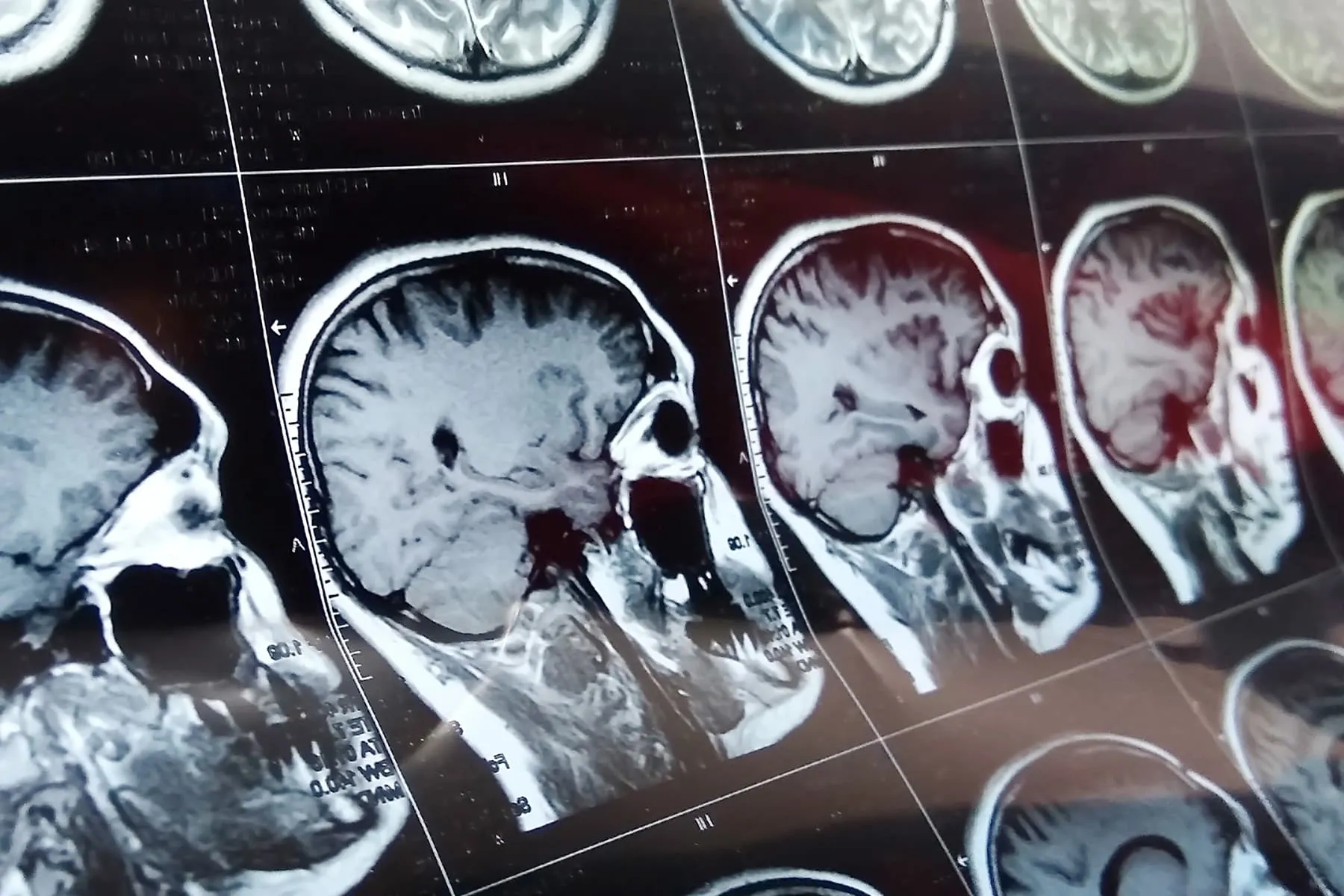
The day began with a brain MRI. A brace helped keep my head still as I slid into the scanner. The machine responded with an industrial percussion concert: knocking, humming, clanking, and noises suggesting a washing machine had applied for a job in aerospace engineering.
The research team checked on me between scanning sequences. I was not in pain, but lying motionless gives the mind plenty of time to invent an itch in the one place you cannot scratch.
Afterward, I received a cafeteria voucher. I surveyed the food stations several times while hospital employees moved around me with the confidence of commuters who knew exactly where the decent coffee lived. I eventually selected a turkey sandwichthe culinary equivalent of answering “no significant abnormalities.”
The Memory Tests Felt Surprisingly Personal
The afternoon brought neurological and cognitive assessments. Research assistants asked me to remember unrelated words, repeat number sequences, follow instructions, listen to a short story, complete other tasks, and then recall information after a delay.
As a journalist, I was accustomed to being the person with the notebook. Now someone else was recording my pauses, errors, and answers. I found myself wondering what they were writing. Perhaps: “Participant appears friendly but has misplaced half the nouns.”
The tests were not designed to embarrass me or provide an instant diagnosis. Standardized cognitive assessments allow researchers to compare performance over time and identify patterns across groups. Still, knowing that did not prevent me from mentally grading myself after every question.
By the end of the visit, I was exhausted. Nothing dramatic had happened, yet sustained concentration, uncertainty, medical surroundings, and discussion of my family’s future had consumed more energy than I expected.
The Waiting Was Harder Than the MRI
I drove home and began checking my email with unhealthy enthusiasm.
A month passed. I eventually contacted the research coordinator and learned that the team had not understood that receiving my genetic findings was a major reason I had enrolled. Some participants choose not to learn their status, so the study could not simply assume that I wanted disclosure.
A saliva collection kit arrived at my home. I supplied the sample, mailed it back, and waited through the holiday season for appointments with the counselor and neurologist.
During the first results call, I learned that the panel had examined 24 genes associated with ALS and FTD. All were negative. That sounded like good news until I realized the report did not include the specific C9orf72 repeat-expansion analysis I had sought.
Not all genetic tests detect all types of genetic changes. Repeat expansions may require a different laboratory method from conventional sequencing panels. “Negative” is meaningful only after confirming what the test was capable of detecting.
The counselor apologized and ordered the appropriate test. Two weeks later, we met again.
I tested negative for the familial C9orf72 expansion.
Relief Arrived With an Asterisk
For several moments, I heard little beyond the result itself. My mind repeated the same sentence: I did not inherit it.
The counselor continued explaining the limitations, and those limitations were important. The finding made it unlikely that I shared the elevated familial risk associated with my cousin’s known expansion. It did not reduce my lifetime neurological risk to zero. It did not rule out every possible genetic contributor to ALS or FTD. It did not function as a permanent certificate of immunity.
Genetic testing produces evidence, not magic. A negative result can substantially change a risk assessment while still leaving the ordinary uncertainties that every person carries.
I called my siblings. They were relieved, although my result did not technically determine each of their individual genetic statuses. None immediately pursued testing.
Then another emotion appeared: survivor’s guilt.
I had received the answer everyone wanted while my cousin continued living with ALS and FTD. Celebration felt complicated when someone I loved remained on the other side of the result.
Why I Stayed in the Study as a Healthy Control
I chose to remain in the research project as a healthy control participant.
Control data help researchers distinguish disease-related changes from normal differences associated with aging, measurement variability, education, sleep, stress, or the ordinary biological chaos of being human. A scan or cognitive score becomes more informative when scientists can compare it with measurements from people who do not carry the familial variant and do not have symptoms.
Healthy controls may not receive experimental treatment, dramatic medical news, or heroic movie scenes involving laboratory doors swinging open. Their value is quieter. They help create the reference points that allow researchers to recognize meaningful signals.
Biomarkers are increasingly important in ALS research. For example, the FDA’s accelerated approval of tofersen for SOD1-associated ALS relied partly on reductions in neurofilament light, a marker associated with nerve injury. Researchers continue investigating imaging, digital measurements, genetic signatures, blood markers, and other tools that may detect biological change earlier or make clinical trials more efficient.
Modern platform studies are also changing ALS drug development. The HEALEY ALS Platform Trial uses shared infrastructure to evaluate multiple investigational treatments, reducing duplication and allowing more participants to receive an active study drug than in many traditional stand-alone trials. Observational cohorts, treatment studies, expanded-access programs, and open research databases each contribute a different piece of the puzzle.
What Prospective ALS Research Participants Should Ask
Participation should be an informed personal decision, not a reflexive response to fear or hope. Before joining an ALS clinical study, prospective participants and families should ask:
- Is this an observational study, an interventional trial, or an expanded-access program?
- What is the main research question?
- Which procedures, medications, scans, samples, or questionnaires are involved?
- Could I receive a placebo, and is there an open-label extension?
- How many visits are required, and can any be completed remotely?
- Which expenses are covered, including travel, lodging, parking, and caregiver costs?
- Will individual genetic, imaging, or biomarker results be returned?
- How will my samples and de-identified data be stored or shared?
- What happens if my health changes or I decide to withdraw?
The ALS Association and NEALS emphasize that a study team should explain the research, eligibility requirements, risks, possible benefits, time commitment, and participant rights before enrollment. No investigational treatment is guaranteed to help, and even a scientifically valuable trial may not meet its primary endpoint.
Participation Is Real Work
Clinical research can demand significant time and energy. Travel is especially difficult for people experiencing progressive weakness, speech changes, swallowing problems, respiratory limitations, or dependence on mobility equipment and caregivers. Geographic distance, financial pressures, limited site capacity, and narrow eligibility criteria can exclude willing participants.
Researchers are exploring telehealth, home measurements, remote consent, flexible scheduling, and decentralized assessments to reduce these burdens. However, not every procedure can be moved into the home, and access remains uneven. Designing better trials means treating convenience, accessibility, and caregiver workload as scientific issues rather than optional customer-service upgrades.
What My Journey Taught Me
I entered the study believing that my experience as a health journalist would make participation easier. It helped me understand terminology and evaluate questions, but it did not protect me from anxiety.
Knowledge can explain why uncertainty exists. It cannot always make uncertainty comfortable.
The experience changed the way I read clinical studies. I now notice the hours hidden inside a simple phrase such as “participants underwent assessment.” I think about the early-morning drive, the parking garage, the scanner, the questionnaires, the caregiver who rearranged a workday, and the participant waiting weeks for a phone call.
Every data point has a biography.
Extended Personal Reflection: Life After the Result
The strangest part of receiving reassuring genetic news was discovering that the story did not end there. I had imagined the result as a finish line: cross it, exhale, call the family, and return to ordinary life. Instead, it became a doorway into a different relationship with risk, research, and responsibility.
For several weeks, relief arrived in waves. I would be making coffee, answering email, or standing in a grocery aisle when the thought returned: I tested negative for the familial expansion. Each time, my shoulders seemed to drop by half an inch.
But relief had company. I thought about my cousin, whose daily reality had not changed because of my laboratory report. My good news did not restore her speech, independence, or future. I had escaped one inherited risk while remaining connected to the people who had not.
That tension helped me understand that survivor’s guilt does not always follow survival in the literal sense. Sometimes it follows unequal outcomes. One relative receives a devastating diagnosis. Another receives reassuring information. Both are members of the same family, but suddenly they occupy different emotional countries.
I also became more careful when discussing genetic testing. Before the study, I might have framed testing as a route to clarity. Now I would call it a route to information. Clarity is not guaranteed.
A positive result may create years of anticipatory worry. An uncertain result can produce questions that science cannot yet settle. A negative result may bring relief but still leave residual risk, family tension, or guilt. Some people want every available piece of information. Others protect their quality of life by declining predictive testing. Neither choice is automatically braver.
The study changed how I speak with researchers, too. I ask more often whether participants receive updates after donating their time and samples. I wonder whether consent materials are readable when someone is frightened. I pay attention to transportation, appointment length, caregiver demands, and the number of times a participant must repeat the same medical history.
Researchers need clean data. Participants need humane systems. Those goals are not competitors.
Remaining as a healthy control gave me a constructive place to put emotions that otherwise had nowhere to go. I could not rewrite my family history, remove my cousin’s diagnosis, or promise my siblings that no neurological illness would ever touch us. I could show up, complete the assessments, donate samples when requested, and allow my information to become part of a larger scientific record.
That contribution may never produce a discovery with my name attached to it. In fact, successful research depends on removing my identity from the data wherever possible. I find that oddly comforting. The point is not to become the main character in ALS research. The point is to help researchers see patterns that no single participant could reveal alone.
I began this journey as a journalist accustomed to standing outside the study and explaining what happened inside. Participation moved me across that boundary. I learned how vulnerable it feels to be measured, how slowly results can arrive, and how much trust is placed in research teams.
I still believe in careful reporting, skepticism, statistics, and asking researchers irritatingly specific follow-up questions. Now I also believe every trial report should be read with gratitude for the people represented by the numbers.
They are not merely subjects. They are patients, relatives, caregivers, healthy volunteers, and families trying to turn uncertainty into knowledge.
I was fortunate to receive reassuring news. Staying involved in the research became my way of making that good fortune useful.