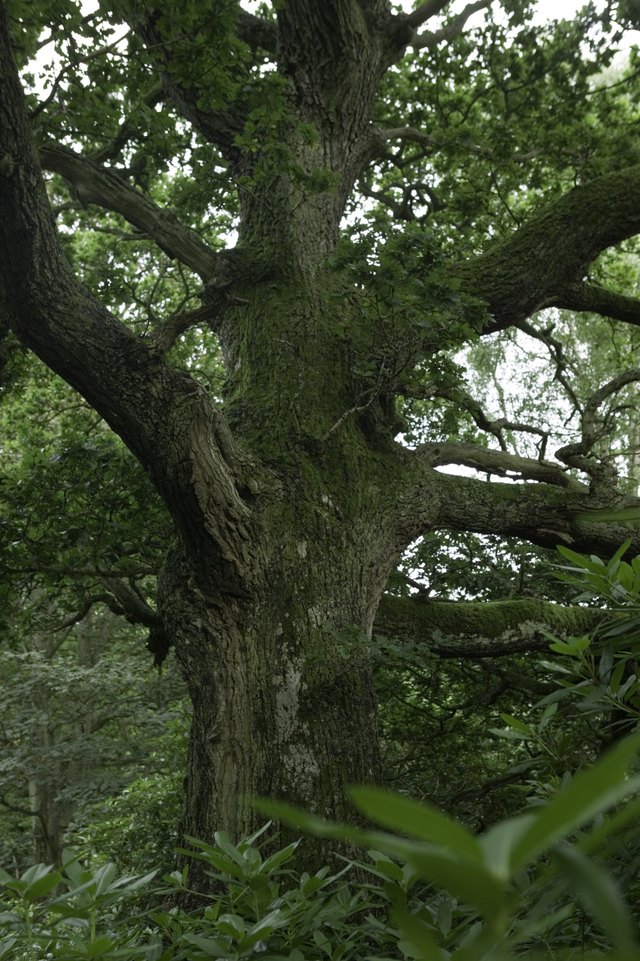
Oak trees are the strong, silent types of the landscape world. They stand tall, feed wildlife, cast generous shade, and generally look like they have their lives together. Then one day you notice strange bumps, fuzzy balls, woody knots, or odd little marbles on the leaves and twigs. Suddenly, your dignified oak looks like it has joined a botanical science fair.
Those unusual growths are commonly called oak galls. Many homeowners describe the issue as a “gall infection in oak trees,” but the word infection needs a little unpacking. Most oak galls are not infections in the same way oak wilt, root rot, or bacterial disease would be. Instead, they are abnormal plant growths triggered by insects, mites, or other organisms. The tree itself forms the gall tissue, often around a feeding larva or egg. In other words, the pest does not build the house; it convinces the oak to build the house for it. Nature is brilliant, weird, and occasionally rude.
The good news is that most galls on oak trees are more alarming than dangerous. Leaf galls usually look dramatic but cause little long-term harm. Twig and stem galls, however, deserve closer attention because some types can girdle small branches, cause dieback, and make a tree look stressed or thin. Understanding the difference is the key to smart oak gall management.
What Is Gall Infection in Oak Trees?
A gall is an unusual swelling or growth that forms on plant tissue. On oak trees, galls may appear on leaves, twigs, stems, buds, flowers, or even roots. They can be round, fuzzy, spiky, woody, blister-like, woolly, or smooth. Some look like tiny apples. Some look like popcorn. Some look like your oak had a rough night and woke up with mysterious lumps.
Most oak galls are caused by tiny gall-forming wasps, especially cynipid wasps. These insects are usually so small that homeowners never see them. The visible gall is the real giveaway. When the insect lays eggs or when the young larva begins feeding, chemicals or growth-regulating compounds affect the tree’s normal cell development. The oak responds by producing extra tissue around the affected area. That tissue becomes the gall.
Inside many galls, a larva feeds safely, protected from weather and many predators. The gall can also provide food. It is basically a custom nursery, snack bar, and security bunker built out of oak tissue. From the insect’s point of view, this is luxury real estate. From the homeowner’s point of view, it is a reason to search the internet while standing in the yard with coffee.
Common Types of Oak Galls
Leaf Galls
Leaf galls are among the most common and noticeable oak galls. They form on the surface, underside, or veins of oak leaves. Examples include oak apple galls, jumping oak galls, woolly oak leaf galls, blister galls, and various fuzzy or bead-like formations.
These galls may cause leaves to curl, yellow, brown, or drop early if the infestation is heavy. Still, in most cases, leaf galls do not seriously weaken mature oak trees. A healthy oak has thousands of leaves and can usually tolerate a fair amount of cosmetic weirdness. Think of leaf galls as the tree equivalent of a bad haircut: noticeable, sometimes embarrassing, but rarely life-threatening.
Twig and Stem Galls
Twig and stem galls are more important to monitor. These woody growths form on twigs and small branches. Two well-known examples are horned oak gall and gouty oak gall. Horned oak galls develop small horn-like projections as they mature, while gouty oak galls tend to be smoother and swollen.
These galls can become large and hard. When they grow around a twig, they may interfere with water and nutrient movement. Over time, affected branches may die back beyond the gall. Heavy infestations can disfigure pin oaks, black oaks, scarlet oaks, and other susceptible species. Young or already stressed trees may suffer more than large, vigorous trees.
Oak Apple Galls
Oak apple galls are round, often light-colored growths that resemble small fruits. They are usually found on leaves or leaf stems. Despite their dramatic appearance, oak apple galls are usually not a serious threat to tree health. They may dry, brown, and remain attached for a while, but they are mostly a visual issue.
Wool Sower and Woolly Oak Galls
Some oak galls look soft, fluffy, or wool-like. Wool sower galls, often seen on white oaks, can look like a tiny cotton candy experiment attached to a twig. Woolly oak leaf galls may appear pink, yellow, cream, or brown. These are fascinating to look at and rarely demand aggressive treatment.
Symptoms of Gall Problems in Oak Trees
The first symptom is usually visual. You may notice bumps, balls, knots, swellings, fuzzy patches, or woody lumps. Depending on the type of gall and the tree’s condition, additional symptoms may include:
- Curled or distorted leaves
- Premature leaf yellowing or browning
- Early leaf drop in heavy leaf gall years
- Woody swellings on twigs and branches
- Branch tips dying beyond stem galls
- Thin canopy growth on heavily affected trees
- Clusters of old, dry galls remaining after leaves fall
It is important not to blame every oak problem on galls. If your oak is losing large branches, thinning rapidly, showing bark cracks, producing mushrooms near the base, or dying from the top down, another issue may be involved. Drought stress, root damage, oak wilt, construction injury, soil compaction, borers, and canker diseases can all create symptoms that are more serious than ordinary leaf galls.
Are Oak Galls Dangerous?
The honest answer is: sometimes, but usually not. Most leaf galls are harmless to mature trees. They may make the foliage look strange, but they do not remove enough energy from the tree to cause lasting decline. A healthy oak can shrug off leaf galls with the patience of a grandparent watching a toddler decorate the wall with crayons.
Stem and twig galls are different. Horned oak gall and gouty oak gall can be damaging when they are abundant. As woody galls enlarge, they can girdle branches and interrupt normal movement of water and nutrients. This may lead to dead branch tips, sparse growth, and long-term structural ugliness. A few galls may not be a crisis, but repeated heavy infestations should be taken seriously.
The tree’s overall health matters. A mature, well-watered oak growing in good soil may tolerate galls for years. A young oak planted too deeply, surrounded by compacted soil, hit by mower damage, and thirsty during summer drought has fewer reserves. For stressed trees, even “minor” pest problems can pile onto the stress load.
Why Oak Gall Control Is So Difficult
Oak gall control frustrates homeowners because timing is everything. By the time you see the gall, the insect is usually protected inside plant tissue. Spraying the outside of a fully formed gall is like mailing a strongly worded letter to someone inside a concrete bunker. It may feel satisfying, but it rarely solves the problem.
Many gall-forming insects have complex life cycles. Some alternate between leaf galls and twig galls. Some take two or more years to complete development. Some emerge for a brief window in spring or early summer. Missing that window makes chemical control ineffective. Even when sprays affect one stage, they may not reduce the next generation enough to justify the cost, effort, or impact on beneficial insects.
This is why most university extension recommendations focus on monitoring, tree health, selective pruning, and patience rather than routine pesticide use. In many landscapes, natural enemies such as parasitic wasps help keep gall-makers in check. Spraying broadly may harm the very insects that help balance the system.
How to Manage Gall Infection in Oak Trees
1. Identify the Gall Type
Before taking action, determine whether the gall is on leaves, twigs, stems, or roots. Leaf galls usually need no treatment. Twig and stem galls deserve closer inspection, especially if branches are dying beyond the swollen area.
If you are unsure, take clear photos of the gall, the whole tree, the leaves, and the affected branch. A local Extension office, certified arborist, or plant diagnostic clinic can often help identify the issue. Good identification prevents bad decisions, such as treating harmless leaf galls while missing drought stress or oak wilt.
2. Prune Selectively
If twig or stem galls are few and reachable, prune them out while they are still young and green. Make clean cuts back to a healthy lateral branch or the branch collar. Do not leave stubs. Avoid removing too much live canopy at once, especially on mature trees.
Old, dry galls with exit holes may already be empty. Removing them may improve appearance, but it will not undo the life cycle if the insects have already emerged. On large trees, extensive pruning may be impractical and should be handled by a qualified arborist.
3. Support Tree Health
The best gall management often looks suspiciously like basic tree care. Water deeply during extended dry periods. Mulch properly. Avoid piling mulch against the trunk; the famous “mulch volcano” is not landscaping, it is a slow-motion tree insult. Keep lawn equipment away from bark. Reduce soil compaction around the root zone. Avoid unnecessary digging under the canopy.
A vigorous oak is better able to tolerate galls, recover from branch loss, and resist other pests. Healthy roots and stable soil moisture matter more than most quick-fix sprays.
4. Avoid Unnecessary Pesticides
Pesticides are rarely recommended for common oak leaf galls. Once galls are visible, sprays usually provide little benefit. Insecticide timing is difficult, and broad applications can harm beneficial insects. For severe recurring infestations on valuable landscape trees, consult a certified arborist or local Extension specialist before using any treatment.
5. Monitor Year to Year
Gall populations can rise and fall naturally. A tree that looks heavily galled one year may look much cleaner the next. Keep notes or photos each season. Watch for canopy thinning, dead branches, repeated heavy twig gall formation, or signs of other stress. Monitoring turns panic into information, and information is cheaper than panic.
When to Call an Arborist
Call a certified arborist if your oak has widespread branch dieback, a rapidly thinning canopy, large dead limbs, cracks in the trunk, fungal growth near the base, or heavy stem galls on major branches. You should also seek professional advice before pruning large limbs or applying chemical treatments.
An arborist can determine whether galls are the main issue or just one visible symptom. Oaks are valuable trees, and mature specimens are not easily replaced. Getting a correct diagnosis is worth it, especially when the tree shades a house, anchors a landscape, or has sentimental value.
Prevention: Can You Stop Oak Galls Before They Start?
Complete prevention is unrealistic. Gall-forming insects are part of natural ecosystems, and oak trees support an enormous diversity of wildlife. In many ways, galls are a sign that your oak is participating in the larger web of life. That web just happens to include tiny wasps with impressive real estate ambitions.
You can reduce risk by planting the right oak species for your region, avoiding stress, watering during drought, protecting roots, and encouraging plant diversity. If one oak in a neighborhood is repeatedly hammered by horned oak gall while nearby trees remain mostly clean, species selection and individual tree susceptibility may be part of the story.
For new landscapes, avoid planting only one tree species. A diverse yard is more resilient. It also looks better, supports more wildlife, and prevents one pest from turning the whole property into an all-you-can-eat buffet.
Practical Experience: What Homeowners Often Notice First
In real yards, gall problems rarely announce themselves politely. Most people discover them by accident. One homeowner might be mowing under a pin oak in late summer and notice hard, knobby swellings on small branches. Another may rake leaves in fall and find round, papery oak apple galls mixed into the pile. Someone else may look up during morning coffee and wonder why the white oak seems to be growing fuzzy ornaments without permission.
The first reaction is usually alarm. That is understandable. Oak galls can look diseased, parasitic, or even alien. But experience shows that the best first move is not spraying. It is observation. Where are the galls located? Are they on leaves only, or are they wrapped around twigs? Is the tree otherwise full and green? Are branches dying beyond the swollen areas? Has the tree been under drought stress? Did construction, trenching, paving, or grade changes happen nearby?
For leaf galls, many homeowners find that patience works surprisingly well. The leaves may look odd for one season, then the problem fades the next year. Raking and disposing of heavily affected fallen leaves may slightly reduce some local pest pressure, but it is not a magic cure. In many cases, the tree continues growing normally. The homeowner gains a new appreciation for oak ecology and maybe a few strange-looking leaves to show the neighbors.
Stem galls are more frustrating. A pin oak with horned oak galls may carry old woody swellings for years. Even after the insects leave, the galls remain as dry, rough knots. If they are numerous, the tree can look thin and tired. Selective pruning may help when galls are limited and reachable, especially on young trees. However, on mature trees, chasing every gall can become expensive, impractical, and stressful for the tree. In those cases, the realistic goal is not perfection. It is risk reduction, canopy health, and long-term monitoring.
One practical lesson is to avoid overreacting to a single season. Gall outbreaks can be cyclical. Weather, natural enemies, tree growth stage, and insect life cycles all influence what you see. A year with many galls does not automatically mean the tree is doomed. On the other hand, repeated twig dieback, sparse foliage, and heavy woody galls year after year should not be ignored.
Another lesson is that tree care basics matter more than dramatic treatments. Deep watering during drought, a wide mulch ring, no trunk wounds from string trimmers, and protection of the root zone can do more for an oak than a rushed pesticide application. Trees do not need panic. They need conditions that allow them to defend themselves.
The most useful mindset is calm curiosity. Oak galls are strange, but they are not automatically a disaster. Look closely, identify correctly, prune carefully when needed, and support the tree’s overall vigor. If the problem involves major branch dieback or a valuable mature oak, bring in a certified arborist. Your oak has been playing the long game for years. With the right care, a few bumps do not have to change that story.
Conclusion
Gall infection in oak trees is usually less frightening than it looks. Most oak galls are abnormal growths triggered by tiny insects or mites, not a deadly disease racing through the tree. Leaf galls are typically cosmetic and need little more than observation. Twig and stem galls, especially horned oak gall and gouty oak gall, can be more serious when they girdle branches or appear in large numbers.
The smartest approach is accurate identification, selective pruning when practical, strong tree care, and careful monitoring. Skip the urge to spray first and ask questions later. By the time galls are visible, chemical control is often too late or too unreliable. A healthy oak can tolerate many gall problems, and a well-informed homeowner can avoid turning a minor issue into an expensive yard drama.
Note: This article is for general educational use. For severe dieback, safety concerns, or valuable mature oaks, consult a certified arborist or your local Extension office for region-specific diagnosis and management.