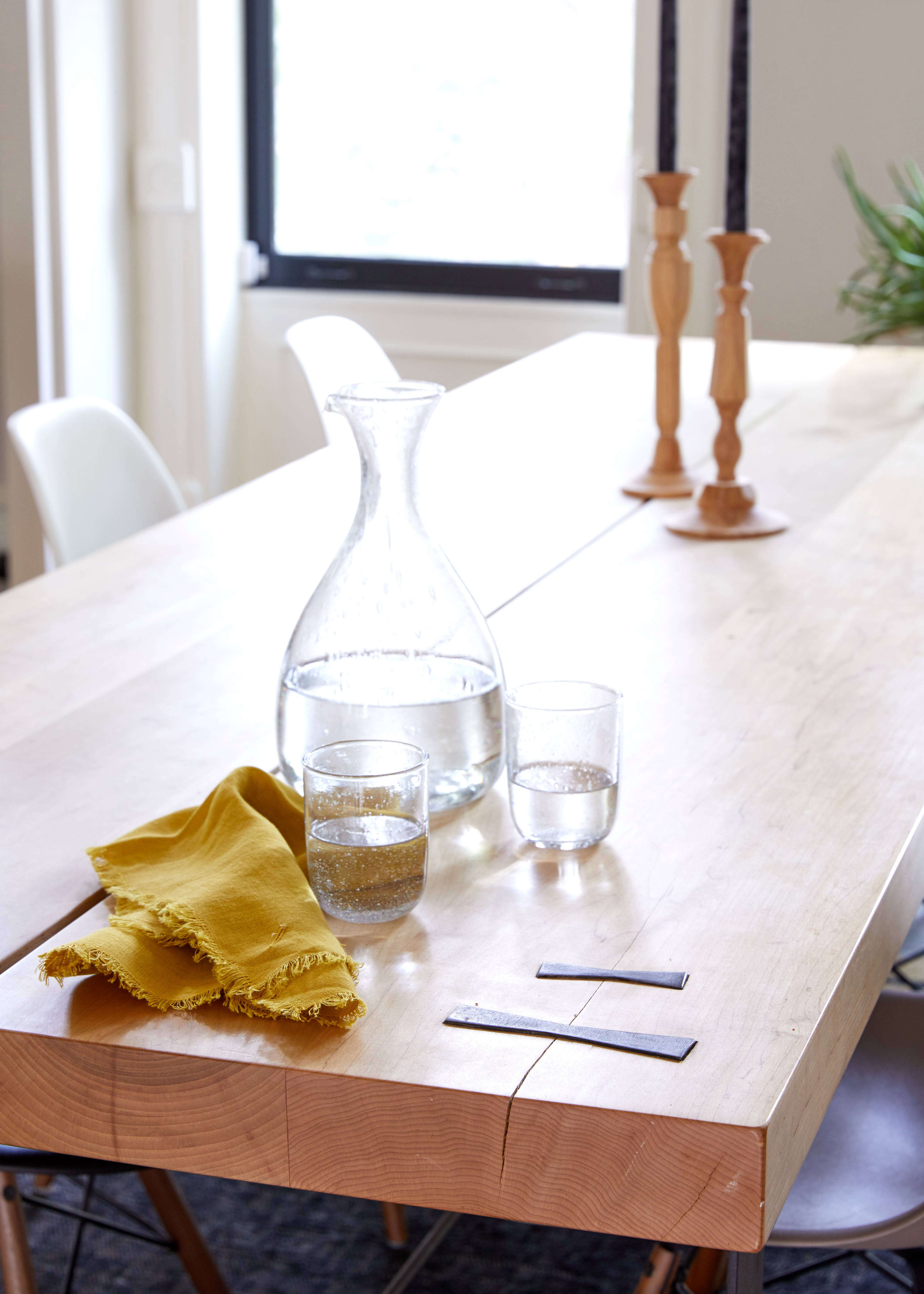
Georgian candlesticks are the kind of antique that can make a dining table look like it has a trust fund. Elegant, balanced, practical, and quietly dramatic, these pieces come from one of the most admired periods in British design: the Georgian era, which ran from 1714 to 1830 during the reigns of George I, George II, George III, and George IV. In the world of antiques, “Georgian” is not just a date range. It is a whole mood: symmetry, craftsmanship, polished surfaces, architectural lines, and just enough ornament to say, “Yes, I own proper napkins.”
At their simplest, Georgian candlesticks were made to hold candles safely before gas and electric lighting changed domestic life. But that description is a little like calling a violin “a wooden noise machine.” These candle holders were status symbols, table centerpieces, wedding gifts, heirlooms, and examples of serious metalworking skill. Whether made of sterling silver, Old Sheffield plate, brass, or other period materials, Georgian candle holders still attract collectors because they combine beauty with usefulness. They are not antiques that sulk in a cabinet. They want to be on the table, catching warm light and making dinner feel slightly more important than takeout.
What Are Georgian Candlesticks?
Georgian candlesticks are antique candlesticks produced during, or in the style of, the Georgian period. Most collectors use the term for English candlesticks made between the early 18th century and the early 19th century. The finest examples are often sterling silver Georgian candlesticks with clear hallmarks, but the category also includes brass candlesticks, Sheffield plate candlesticks, and later Georgian-style reproductions.
The basic design includes a candle socket at the top, often with a removable drip pan or bobeche, a stem in the middle, and a weighted or shaped base below. That sounds simple, yet the details tell the story. A George II candlestick may have a baluster stem and shaped square base. A mid-18th-century Rococo example may show shells, scrolls, acanthus leaves, and lively asymmetry. A George III neoclassical candlestick may look almost architectural, with fluted columns, urn-shaped sockets, swags, gadrooned borders, and square stepped bases.
Why Georgian Candlesticks Still Matter
There is a reason antique Georgian candlesticks remain popular among collectors, decorators, and silver specialists. They have what modern design often tries very hard to fake: proportion. A good Georgian candlestick does not need to shout. The height, base, stem, and socket are balanced so carefully that the piece looks right from across the room and even better up close.
They also represent a period when household objects were expected to be both useful and beautiful. Candlelight was essential, not decorative. A family needed candlesticks for reading, dining, writing letters, walking between rooms, and pretending not to trip over a rug in the hallway. Wealthier households used fine silver candlesticks on dining tables and sideboards as a display of taste, prosperity, and social polish. In other words, Georgian candlesticks were the 18th-century version of saying, “We have arrived,” except with more wax.
A Short History of Georgian Candlesticks
Early Georgian Style: Strength and Simplicity
Early Georgian candlesticks from the reigns of George I and George II often reflect a solid, restrained style. Many feature baluster stems, octagonal or shaped bases, and practical drip pans. These pieces can feel sturdy and almost architectural. Their beauty lies in weight, proportion, and subtle detail rather than dramatic decoration.
Silver examples from this period were usually made by skilled silversmiths in London or other important assay towns. The maker’s mark, standard mark, assay office mark, and date letter help identify where and when a piece was made. For collectors, these marks are not boring little stamps. They are the antique world’s detective clues, and occasionally its plot twists.
Mid-Georgian Rococo: Curves, Shells, and Flourish
By the mid-18th century, Rococo design brought more movement and decoration to candlesticks. Shell motifs, scrolls, floral chasing, acanthus leaves, and shaped bases became fashionable. These candlesticks often feel more playful than earlier examples. They still maintain fine craftsmanship, but the ornamentation becomes livelier, like the candlestick decided to wear a fancy waistcoat.
Rococo Georgian silver candlesticks can be especially desirable when they retain crisp decoration, original removable sconces, and a strong pair or set relationship. Matching pairs are usually more valuable than singles because symmetry mattered at the Georgian table. A lonely single candlestick can still be charming, of course, but a pair has the social confidence of guests who arrived together.
George III Neoclassical Style: Columns and Clean Lines
During the later Georgian period, especially under George III, neoclassical design became highly influential. Inspired by ancient Greek and Roman forms, neoclassical Georgian candlesticks often feature fluted columns, urn-shaped capitals, swags, rams’ heads, beaded borders, and square stepped bases. Some examples resemble miniature architecture for candlelight.
This style remains one of the easiest for modern interiors to absorb. A pair of neoclassical silver candlesticks can look equally at home on a traditional mahogany dining table, a modern mantel, or a minimalist console. They bring history without making the room feel like a museum that disapproves of snacks.
Common Materials Used in Georgian Candlesticks
Sterling Silver Georgian Candlesticks
Sterling silver Georgian candlesticks are often the most prized. British sterling silver is typically 92.5 percent silver, traditionally indicated by the lion passant mark. Authentic English silver candlesticks may also show a maker’s mark, assay office symbol, date letter, and, on many late 18th- and 19th-century pieces, a duty mark. These marks help establish authenticity, origin, and age.
One important point: many silver candlesticks are weighted. That means the base is filled with another material, such as pitch, resin, plaster, cement, or lead, to provide stability. This is normal and does not automatically reduce desirability. However, it does affect how weight should be understood. A heavy candlestick is not always heavy because it contains a mountain of silver. Sometimes it is heavy because Georgian gravity had help.
Old Sheffield Plate
Old Sheffield plate became popular in the 18th century as a more affordable alternative to solid silver. It was made by fusing a thin layer of silver to copper, then forming the material into elegant household objects. Georgian Sheffield plate candlesticks can be beautiful, collectible, and historically important, especially when the form is refined and the silver surface remains in good condition.
Collectors should distinguish Old Sheffield plate from later electroplated silver. Old Sheffield plate belongs to the Georgian world and has its own charm, while electroplate became common later in the 19th century. Wear on Old Sheffield plate can reveal warm copper tones beneath the silver surface, which some collectors find attractive and others treat as a condition issue. As always in antiques, condition is where romance meets math.
Brass Georgian Candlesticks
Brass Georgian candlesticks were used in many households and remain popular for their warm color and approachable price point. They may feature seamed construction, push-up ejectors, saucer bases, or column forms. While they generally do not command the same prices as rare sterling silver examples, they are excellent decorative antiques and often easier to use casually.
A pair of Georgian brass candlesticks on a kitchen shelf, writing desk, or fireplace mantel can add instant warmth. They are less formal than silver but still full of period character. Think of them as the charming cousin who knows history but also helps with dishes.
How to Identify Georgian Candlesticks
Look at the Shape
Shape is the first clue. Georgian candlesticks often have strong symmetry and carefully organized parts. Early examples may have baluster stems and shaped bases. Rococo pieces may include shells and scrolling decoration. Neoclassical examples may resemble columns, urns, or classical architectural forms. Victorian candlesticks, by comparison, often appear heavier, busier, or more sentimental in decoration.
Check the Hallmarks
If the candlestick is silver, hallmarks are essential. On English sterling silver, look for the lion passant, a town or assay office mark, a date letter, and a maker’s mark. London pieces often include a leopard’s head. Birmingham is associated with an anchor. Sheffield used a crown historically, later replaced by a different symbol. A date letter must be checked against the correct assay office because the same letter can mean different years depending on the town and the shape of the shield around it.
Hallmarks may be found on the underside of the base, inside the socket, or on the removable bobeche. Original removable sconces are often marked too. If the bobeche is unmarked, mismatched, or clearly later, the piece can still be attractive, but value may be affected.
Inspect Construction and Wear
Real antique Georgian candlesticks usually show age-appropriate wear. Look for softened edges, small dents, old repairs, wax residue in hard-to-clean places, and slight irregularities. Perfect condition can happen, but it should make you curious rather than instantly delighted. Antiques with absolutely no wear sometimes have a suspiciously clean alibi.
Check whether the base rocks, whether the socket is secure, and whether any seams or solder lines suggest old restoration. Repairs are not always disastrous, but they should be reflected in the price. A well-done old repair may be acceptable; a clumsy repair can hurt both appearance and value.
Popular Georgian Candlestick Styles
Baluster Candlesticks
Baluster candlesticks have rounded, vase-like stems. They are common in early Georgian design and prized for their strong silhouette. Their charm is in their sculptural shape and stable proportions.
Column Candlesticks
Column candlesticks became especially popular in neoclassical design. Fluted columns, Corinthian capitals, stepped square bases, and urn-shaped sockets give them a classical look. These are among the most recognizable Georgian-style candlesticks.
Gadrooned Candlesticks
Gadrooning is a decorative border made of repeated convex curves or ribbed ornament. It appears on bases, rims, and removable sconces. Gadrooned Georgian silver candlesticks often have a refined, formal quality that works beautifully on dining tables.
Telescopic Candlesticks
Some antique candlesticks were made with adjustable or telescopic stems, allowing the height of the candle to be changed. These practical designs are especially interesting to collectors because they show how lighting needs shaped object design before electricity made everyone impatient with darkness.
What Affects the Value of Georgian Candlesticks?
The value of Georgian candlesticks depends on several factors: age, material, maker, condition, rarity, design, provenance, and whether they are single, paired, or part of a larger set. Sterling silver examples by respected makers generally bring stronger prices than unmarked or plated pieces. Candlesticks with crisp decoration, original removable nozzles, clear hallmarks, and minimal repair are especially desirable.
Provenance can also matter. If a pair has a documented history, family crest, important maker, or connection to a notable collection, the story can add value. However, buyers should be careful with engraved crests. A crest can be fascinating, but it should be researched rather than accepted as instant proof of aristocratic glamour. Every antique dealer has met at least one object that claimed to be “from an important estate,” which sometimes means “from a garage, but confidently.”
How to Decorate With Georgian Candlesticks
Georgian candlesticks are surprisingly versatile. On a dining table, they bring formal elegance without needing a dramatic centerpiece. On a mantel, they frame artwork or a mirror beautifully. On a bookshelf, a single candlestick can add height and shine among books, ceramics, and framed photos. In a bedroom, a pair of brass or silver candlesticks can soften a nightstand or dresser.
The key is balance. If the candlesticks are ornate, keep nearby objects quieter. If they are simple neoclassical forms, they can handle a more layered setting. Taper candles in ivory, cream, deep red, forest green, or soft beeswax tones usually work best. Avoid novelty candles unless your Georgian candlesticks have specifically asked to be humiliated.
How to Care for Georgian Candlesticks
Care depends on material. Sterling silver should be polished gently with a high-quality silver polish and a soft cloth. Avoid harsh abrasives, aggressive rubbing, and repeated polishing that can soften details over time. Tarnish is normal and not an emergency. In fact, a little patina can help decoration stand out.
For brass candlesticks, cleaning choices depend on whether you prefer a bright shine or mellow patina. Many collectors avoid over-polishing because original surface character is part of the appeal. For Old Sheffield plate, use extra caution. Since the silver layer is thin, harsh polishing can expose the copper beneath. When in doubt, clean lightly and consult a specialist before attempting major restoration.
Always remove candle wax carefully. Freezing can help harden wax so it lifts away more easily, but avoid sudden temperature changes if the candlestick has fragile repairs or mixed materials. Never put antique candlesticks in a dishwasher. That sentence should not be necessary, and yet here we are.
Buying Tips for Georgian Candlesticks
Before buying Georgian candlesticks, decide what matters most: decorative beauty, investment value, daily use, historical interest, or a specific material. A collector focused on investment may prefer hallmarked sterling silver pairs with strong condition and known makers. A decorator may be happier with brass or Sheffield plate examples that deliver Georgian charm at a more accessible price.
Ask for clear photos of hallmarks, bases, sockets, removable sconces, and any repairs. Check measurements carefully because candlesticks can look taller online than they are in real life. A 7-inch pair and a 12-inch pair create very different impressions. Also confirm whether the candlesticks are solid silver, weighted sterling, silver plate, or brass. These terms matter.
Buy from reputable antique dealers, established auction houses, or sellers who provide detailed condition reports. If a listing says “Georgian style,” it may be a later reproduction inspired by Georgian design rather than an actual Georgian-period piece. That is not necessarily bad, but it should be priced honestly.
Living With Georgian Candlesticks: Practical Experiences and Collector Notes
Owning Georgian candlesticks is different from simply displaying a decorative object. They change the atmosphere of a room. The first time you place a pair on a dinner table and light the candles, the whole setting becomes warmer, slower, and more intentional. Even a simple meal looks better. Soup becomes “supper.” Toast becomes “a light breakfast.” Leftover pizza becomes…well, still leftover pizza, but with excellent lighting.
One of the best experiences with Georgian candlesticks is learning to notice details. At first, you may only see “old silver candle holder.” Then you begin spotting the clues: the shape of the base, the crispness of the gadrooned border, the way the stem rises from a knop, the small removable bobeche, the tiny hallmarks tucked underneath. The object becomes readable. It stops being just pretty and starts becoming a conversation with the past.
Collectors often describe the thrill of matching hallmarks to a date and maker. There is real satisfaction in discovering that a candlestick was made in London in the 1770s or Sheffield in the 1790s. Suddenly the object is not vaguely old; it has a place in time. It may have stood on a Georgian dining table during the age of powdered wigs, handwritten letters, and very serious opinions about tea.
Decoratively, Georgian candlesticks are forgiving. A polished silver pair can dress up a formal dining room, while a slightly worn brass pair can make a farmhouse kitchen feel layered and lived-in. They work with antiques, traditional interiors, and even modern spaces where their symmetry provides contrast. The trick is not to over-stage them. Georgian candlesticks already have presence. They do not need a velvet rope, dramatic lighting, or a tiny plaque reading “Please admire responsibly.”
Using them also teaches patience. Candlelight is slower than flipping a switch. You trim the wick, center the candle, protect the table, and pay attention. That small ritual is part of the pleasure. It reminds you that beautiful objects were once part of daily life, not merely investments or display pieces. A Georgian candlestick is at its best when it is allowed to do what it was made to do: hold light.
There are practical lessons too. Always check that candles fit securely. Use dripless tapers when possible, though “dripless” can sometimes be more of an optimistic marketing term than a promise. Protect surfaces from wax. Never leave candles unattended. If the candlestick is valuable, fragile, or has old repairs, consider using it decoratively and lighting candles only on special occasions.
The longer you live with Georgian candlesticks, the more you appreciate their quiet confidence. They are elegant without being fussy, historic without being dusty, and useful without being ordinary. They bring a small ceremony to everyday rooms. That is their real magic: not just that they survived two centuries, but that they still know exactly how to make a table glow.
Conclusion
Georgian candlesticks remain beloved because they combine history, craftsmanship, beauty, and function in one graceful object. From sterling silver examples with crisp hallmarks to warm brass pairs and Old Sheffield plate designs, these antique candle holders offer something for collectors and decorators alike. They tell stories about Georgian dining, lighting, social status, metalwork, and design taste. More importantly, they still look wonderful today.
If you are buying your first pair, focus on proportion, condition, material, and authenticity. Learn the basic hallmarks, compare styles, and do not rush. The best Georgian candlesticks reward close looking. Whether placed on a dining table, mantel, desk, or sideboard, they bring more than light. They bring character, history, and a little old-world confidence into the room.
Note: This article is intended for educational, collecting, and decorating purposes. For high-value Georgian silver candlesticks, professional appraisal and condition assessment are recommended before purchase, restoration, or sale.