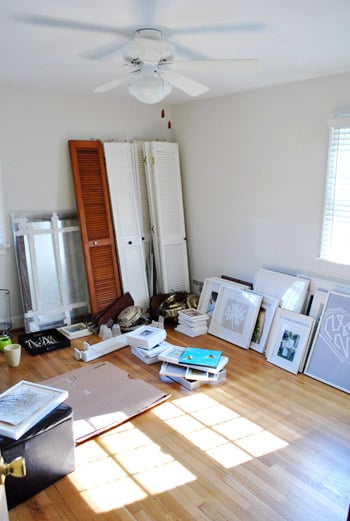
Getting the guest room ready is one of those home projects that sounds simple until you open the closet and realize it has become a museum of mystery cables, half-used paint cans, and that one throw pillow nobody has liked since 2018. But preparing a guest room does not require a hotel budget, a design degree, or a butler named Alfred. What it does require is a thoughtful balance of cleanliness, comfort, storage, privacy, and small details that make visitors feel genuinely welcome.
A great guest room is not about showing off. It is about removing tiny frustrations before they happen. Your guest should not have to perform a midnight treasure hunt for a phone charger, wonder whether the decorative towel is usable, or sleep under a blanket that feels like it was woven from recycled tortilla chips. The goal is simple: create a space where someone can arrive tired, unpack easily, sleep well, and wake up feeling like they were expectednot squeezed into a storage room with a mattress.
This guide covers practical guest room ideas, cleaning steps, bedding choices, storage solutions, lighting, toiletries, and those extra touches that make your home feel warm without turning it into a theme park called “Please Praise My Hosting.”
Start With a Clean, Clutter-Free Guest Room
Before buying fresh flowers or arranging a charming snack basket, start with the least glamorous step: cleaning. A guest room should feel fresh the moment the door opens. That means dusting surfaces, vacuuming or mopping the floor, washing bedding, checking under the bed, wiping light switches, cleaning door handles, and giving the windows, blinds, fan blades, and baseboards some attention.
Guest rooms often sit unused for weeks or months, which makes them magnets for dust. Even a beautiful room can feel unwelcoming if the nightstand has a powdery finish that says, “Welcome to the attic.” Work from top to bottom: ceiling fan, shelves, lamps, furniture, floor. This approach keeps dust from falling onto areas you already cleaned.
Clean the high-touch spots
High-touch surfaces matter because guests naturally interact with them: doorknobs, light switches, drawer pulls, remote controls, faucet handles, and nightstand surfaces. Clean them before visitors arrive, especially during cold and flu season. You do not need to disinfect every square inch like you are preparing a science lab, but the obvious touchpoints should be clean, dry, and ready.
Remove personal clutter
A guest room should not feel like someone is borrowing space from your storage problem. Clear out old paperwork, workout gear, holiday decorations, and personal items. Leave enough room for your guest’s suitcase, coat, toiletries, and clothing. Even if the room doubles as an office or hobby space, create a clean zone that clearly belongs to the guest during their stay.
Make the Bed the Star of the Room
The bed is the main event. If the bed is uncomfortable, no amount of wall art can save the experience. Start with a supportive mattress or mattress topper. If the guest bed is older but still usable, a quality topper can make it feel more forgiving. Add clean sheets, comfortable pillows, a washable blanket, and a duvet or comforter appropriate for the season.
Choose breathable bedding whenever possible. Cotton, linen, and other natural-feeling fabrics can help guests stay comfortable through the night. Avoid overly heavy layers in warm weather and provide extra blankets in colder months. Different people sleep at different temperatures, so options are better than one dramatic comforter that turns the bed into a baked potato.
Offer pillow choices
Pillows are surprisingly personal. Some guests like firm support; others want something soft enough to fold, fluff, and wrestle into shape. Keep at least two pillows per guest if possible, and consider storing an extra firm and extra soft pillow in the closet. A simple pillow variety can prevent neck pain and make your guest room feel much more thoughtful.
Use fresh, neutral bedding
Crisp white sheets are popular for a reason: they look clean, calm, and hotel-like. But you do not have to use white if it does not fit your home. Soft neutrals, gentle blues, warm greens, and muted earth tones can create a restful guest bedroom. The key is to keep the bedding clean, coordinated, and not too visually loud. Your guest should not feel like they are sleeping inside a fireworks display.
Create Space for Luggage and Clothing
One of the easiest ways to improve a guest room is to give visitors somewhere to put their belongings. A luggage rack is a small investment with a big payoff. It keeps suitcases off the bed, off the floor, and away from your freshly laundered bedding. If you do not have a luggage rack, a sturdy bench, clear chair, or open tabletop can work.
Make room in the closet with several empty hangers. Clear one drawer if possible. Add hooks to the back of the door for coats, robes, bags, or towels. Guests may not unpack fully during a short stay, but they will appreciate not having to live out of a suitcase balanced on a floor vent.
Think like a traveler
When people travel, they need easy places to drop keys, glasses, wallets, watches, and phones. A small tray on the nightstand or dresser instantly makes the room feel more organized. It also reduces the odds of your guest crawling under the bed in the morning searching for one missing earring and their dignity.
Set Up the Nightstand Like a Mini Command Center
A good nightstand is more than decoration. It should support the guest’s evening and morning routine. Add a lamp, tissues, water, a small clock if useful, a notepad, a pen, and a visible outlet or charging cable. If outlets are hidden behind furniture, use a power strip or charging station. Modern hospitality begins where the phone battery panic ends.
Keep the surface mostly clear. Guests need room for their own items, not an obstacle course of candles, books, figurines, and a ceramic bird named Gerald. A simple lamp, water carafe or bottle, and a small tray are enough.
Print the Wi-Fi information
Few things make guests feel more at home than easy Wi-Fi access. Print the network name and password on a small card and place it on the nightstand or desk. You can also include basic house notes, such as where to find coffee, extra towels, or the thermostat. Keep it friendly and short; this is not the guest room constitution.
Control Light, Noise, and Temperature
Sleep-friendly bedrooms usually have three things in common: comfortable temperature, low noise, and controllable light. A guest room should allow visitors to adjust their environment without asking for help every five minutes.
Use window treatments that offer privacy and reduce morning glare. Blackout curtains are especially useful if the room faces streetlights or sunrise. If blackout curtains are not practical, provide an eye mask. Add a fan for airflow and white noise, especially in warmer months or homes where sound carries. In winter, provide an extra blanket or throw within easy reach.
Layer the lighting
Overhead lighting can be harsh, especially at night. A bedside lamp, reading light, or small table lamp creates a softer atmosphere. A night-light in the hallway or bathroom can also help guests move around safely without turning on every light like they are landing an aircraft.
Prepare the Guest Bathroom
If your guest has a private bathroom, stock it before they arrive. If the bathroom is shared, create a guest basket or shelf. Provide clean bath towels, hand towels, washcloths, toilet paper, hand soap, shampoo, conditioner, body wash, toothpaste, a spare toothbrush, cotton swabs, tissues, and basic first-aid items.
Place towels somewhere obvious. Guests should not have to guess whether the folded towels are decorative or available. A towel set on the bed or in a basket makes the message clear: “These are yours, and yes, you may actually use them.”
Avoid overpowering scents
A clean room should smell clean, not like a candle store exploded. Strong fragrances can bother guests with allergies, asthma, migraines, or scent sensitivities. Instead of masking odors with heavy sprays, focus on fresh air, clean fabrics, and good ventilation. If you use scent, keep it subtle and optional.
Add Thoughtful Guest Room Amenities
Small amenities can make a guest room feel polished without being expensive. A basket with bottled water, granola bars, fruit, mints, tea bags, or instant coffee is a welcoming touch. Add reading material, local magazines, or a small guide to nearby restaurants and attractions if your guests are visiting from out of town.
Other useful items include a full-length mirror, lint roller, small trash can, spare phone charger, extra blanket, robe, slippers, and a laundry bag. You do not need every item on this list, but choosing a few can make the room feel intentional.
Include a comfort basket
A simple comfort basket might include earplugs, an eye mask, hand lotion, lip balm, tissues, pain reliever, and individually wrapped snacks. This prevents awkward late-night requests like, “Do you happen to have a toothbrush?” while your guest stands in the hallway looking betrayed by their own packing skills.
Make the Room Functional for Real Life
Many guests travel with laptops, medication, skincare, books, and chargers. Some may need to work remotely. If space allows, add a small desk, chair, or clean tabletop. At minimum, provide a flat surface with an outlet nearby. A comfortable chair also gives guests somewhere to sit besides the bed.
If the guest room is small, use multifunctional furniture. A bench can hold luggage. A wall hook can replace a bulky coat rack. A floating shelf can serve as a mini nightstand. A basket can hold extra blankets without taking up drawer space. The best guest room organization often comes from giving every common item a logical place.
Design With Calm, Not Perfection
Guest bedroom decor should feel welcoming and restful. You do not need to remodel the room, but a few design choices can make it feel finished. Start with a soothing color palette, clean bedding, soft lighting, and one or two decorative accents. Add texture through a throw blanket, rug, pillows, or curtains.
Avoid overly personal or polarizing decor. Family photos are fine in moderation, but guests may feel strange sleeping under a giant portrait wall of your family reunion. Keep art pleasant, simple, and not too intense. A guest room is a place to relax, not solve the emotional meaning of abstract sculpture at midnight.
Use hotel logic at home
Hotels are not comfortable because they are complicated. They are comfortable because the basics are predictable: clean bed, clear surfaces, easy lighting, water, towels, mirror, trash can, privacy, and temperature control. Borrow that logic. Then add the warmth of a home: a handwritten welcome note, a favorite snack, a cozy quilt, or a book your guest might enjoy.
Last-Minute Guest Room Checklist
Before your guest arrives, do one final walk-through. Open the door and experience the room as if you are seeing it for the first time. Does it smell fresh? Is the bed made? Are towels visible? Can you charge a phone? Is there a place for luggage? Is the trash can empty? Is the Wi-Fi information available? Are the lights working?
Check the bathroom too. Make sure there is enough toilet paper, soap, clean towels, and a plunger nearby but discreetly placed. Nobody wants to ask for a plunger. Truly, no one. Providing one quietly is an act of emotional generosity.
Common Guest Room Mistakes to Avoid
The biggest mistake is overfilling the room. Guests need breathing space more than they need seven decorative baskets. Another common mistake is forgetting outlets. A beautiful guest room with no accessible charger feels like a museum exhibit: lovely, but not useful.
Do not use old, scratchy towels or flat pillows just because “they are only for guests.” Guests are real people with skin and necks. Also avoid leaving personal clutter in drawers, using overpowering room sprays, or assuming guests will ask for what they need. Many guests do not want to inconvenience the host, so the best hosting strategy is to anticipate basic needs in advance.
Experiences From Getting the Guest Room Ready
One of the most useful lessons from preparing a guest room is that visitors notice thoughtfulness more than perfection. A guest may not remember the brand of sheets, but they will remember that there was water by the bed, a charger near the nightstand, and a towel waiting for them without needing to ask. Those little details say, “You belong here,” which is the real secret behind a welcoming guest room.
In many homes, the guest room has a double life. It is part bedroom, part office, part storage area, and part “I will deal with this later” zone. Getting it ready often starts with a small reality check. You walk in planning to fluff pillows and somehow end up sorting tax papers, moving a vacuum cleaner, and discovering three tote bags full of cables from electronics you no longer own. This is normal. The trick is to create a repeatable system instead of reinventing the room before every visit.
A practical experience is to keep a dedicated guest bin in a closet. Inside, store freshly washed towels, travel-size toiletries, spare toothbrushes, a lint roller, an eye mask, extra charging cables, and a printed Wi-Fi card. When someone visits, the room can be prepared quickly without searching through five cabinets like a contestant on a home organization game show. Restock the bin after each visit, and future-you will feel deeply impressed with past-you.
Another helpful habit is sleeping in the guest room for one night. This may sound dramatic, but it reveals problems fast. You may discover the lamp switch is hard to reach, the curtains let in a streetlight, the room gets too warm, or the mattress makes a suspicious noise every time someone turns over. It is much better for you to learn these things than for your guest to lie awake at 2 a.m. wondering whether the bed is haunted or merely under-tightened.
Guests also appreciate clear instructions. A small welcome card can prevent awkward questions. Include the Wi-Fi password, where to find extra blankets, how to adjust the thermostat if allowed, where coffee is located, and any simple house notes. The tone should be warm, not bossy. Think “Here are a few things to make your stay easier,” not “Welcome to my home, please review subsection B of the towel policy.”
When hosting family, personalization can make the room feel special. If your sister loves herbal tea, place a few tea bags in the room. If your parents prefer extra pillows, have them ready. If a friend is traveling with a child, add a night-light, extra blanket, or small basket for toys. Personalized touches do not need to be expensive. They simply show that you remembered who was coming.
Finally, the best guest room experience comes from calm preparation. Do not wait until an hour before arrival to wash sheets, scrub the bathroom, and discover the air mattress has the structural integrity of a sad pancake. Prepare the essentials first: clean bed, clean bathroom, towels, storage space, lighting, and water. Add extras only after the basics are handled. A simple, clean, comfortable room will always beat a fancy room that forgets the fundamentals.
Getting the guest room ready is really about hospitality in practical form. It is care translated into fresh linens, empty hangers, working lamps, and a place to set a suitcase. When done well, the room does not shout for attention. It quietly helps your guest relax. And that is the kind of hosting people remember long after they have gone home.
Conclusion
Getting the guest room ready is not about chasing perfection. It is about creating comfort with intention. Start with a deep clean, remove clutter, make the bed inviting, provide fresh towels, prepare the bathroom, add accessible charging, and give guests control over light, temperature, and storage. From there, thoughtful extras like snacks, water, a welcome note, and a printed Wi-Fi card can turn an ordinary spare room into a restful retreat.
The best guest rooms feel easy. They answer questions before guests ask them. They offer privacy without feeling isolated, comfort without clutter, and hospitality without fuss. Whether your guest room is a dedicated bedroom, a home office with a sleeper sofa, or a carefully arranged corner of a small apartment, the same rule applies: think like a guest. If the room helps someone sleep well, unpack easily, and feel welcome, you have done the job beautifully.
Note: This publish-ready article is based on synthesized guidance from reputable U.S. home, cleaning, sleep, indoor air quality, design, and hospitality resources, with citation artifacts removed for clean web publication.