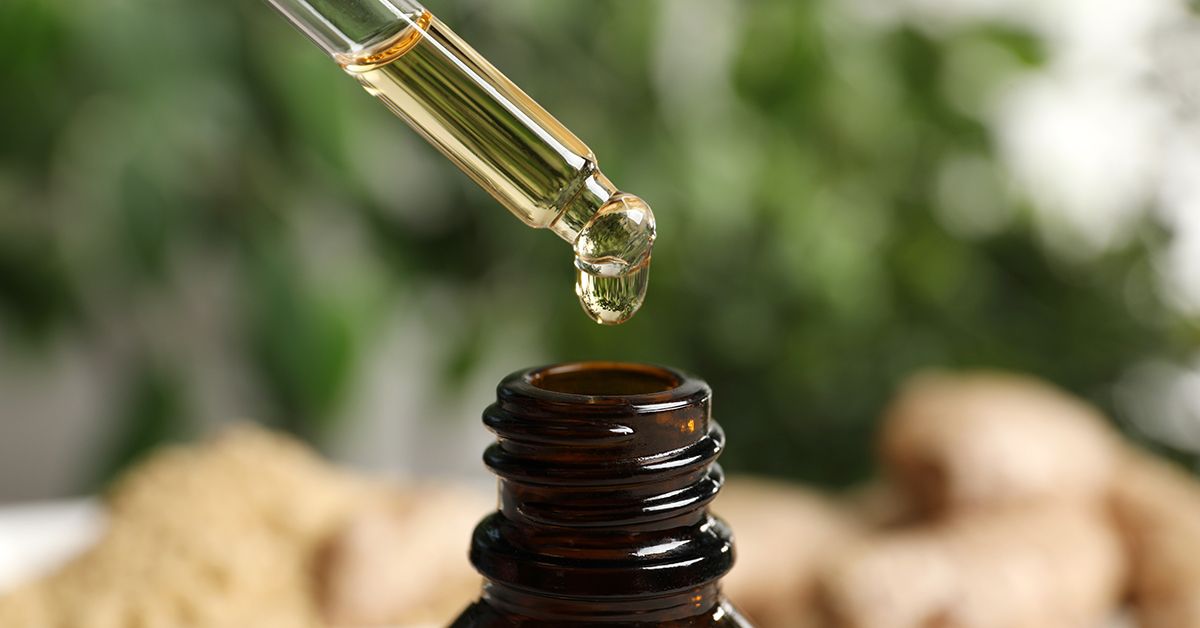
Ginger has spent thousands of years making soup better, tea livelier, and upset stomachs slightly less dramatic. Ginger oil takes the plant’s warm, spicy aroma and concentrates it into a potent essential oil commonly used in aromatherapy, massage blends, and personal-care products.
But ginger essential oil is not simply liquid ginger root. It has a different chemical profile from fresh ginger, ginger powder, capsules, extracts, or ginger-infused cooking oil. That distinction matters because much of the research on ginger’s health benefits involves oral ginger products rather than the essential oil.
Early studies suggest that inhaled ginger oil may help some people manage nausea, while laboratory research has identified antioxidant, anti-inflammatory, and antimicrobial activity. However, the evidence is still limited, and ginger oil should not be treated as a substitute for medication or professional care. In other words, it may be a helpful supporting actor, but it has not earned the medical lead role.
What Is Ginger Oil?
Ginger essential oil is generally produced by steam-distilling the rhizome, or underground stem, of Zingiber officinale. The resulting oil is highly concentrated and has a warm, earthy, peppery scent that is often softer and woodier than the sharp flavor of raw ginger.
Its volatile compounds commonly include zingiberene and other monoterpenes and sesquiterpenes. The exact composition varies according to the ginger variety, growing location, storage conditions, whether the rhizome was fresh or dried, and the extraction process. That variability helps explain why two bottles labeled “ginger essential oil” may smell noticeably different.
Ginger Essential Oil vs. Ginger-Infused Oil
These products are easy to confuse:
- Ginger essential oil is a concentrated aromatic product obtained through distillation or a similar extraction process.
- Ginger-infused oil is usually a carrier oil, such as olive or coconut oil, that has been infused with ginger.
- Ginger extract may contain pungent compounds such as gingerols and shogaols and is commonly sold in supplements.
- Culinary ginger oil may be formulated specifically as a food flavoring and should not be assumed to be identical to an aromatherapy product.
Never assume an essential oil is safe to swallow just because ginger itself is edible. A carrot is edible too, but nobody recommends drinking a bottle of carrot perfume.
Potential Benefits of Ginger Oil
1. It May Provide Short-Term Nausea Relief
Nausea is the most promising area of human research involving ginger essential oil. In one study of patients recovering from abdominal surgery, inhaled ginger essential oil was associated with lower nausea and vomiting scores during the first six hours after surgery. Another trial involving chemotherapy patients found a reduction in acute nausea after ginger oil inhalation, although the benefit did not remain significant across the overall treatment period.
A review of inhaled aromatherapy studies found that ginger and several other essential oils produced encouraging results for treatment-related nausea in some adult populations. Still, study sizes were generally small, methods varied, and aromatherapy did not consistently reduce vomiting.
The practical takeaway is modest: briefly smelling ginger oil may make some people feel better when mildly nauseated, but it is not a reliable treatment for persistent vomiting, dehydration, severe abdominal pain, postoperative complications, or chemotherapy side effects. People receiving cancer treatment should discuss complementary therapies with their care team.
2. Its Aroma May Promote a Sense of Comfort
Ginger oil’s warm fragrance is often used to create an energizing or comforting atmosphere. Smell is closely connected with memory, mood, and emotional associations, so a familiar spicy scent may feel grounding or refreshing to some users.
That experience is subjective. Research on aromatherapy as a whole remains limited, and the FDA does not automatically recognize an aromatherapy product as a proven treatment simply because its label promises calm, focus, immune support, or emotional balance. A product marketed to diagnose, prevent, or treat disease may legally fall into the drug category and require appropriate evidence and regulation.
3. It May Complement Massage for Temporary Muscle or Joint Comfort
Diluted ginger oil is commonly added to massage oil because its scent and warming character pair well with massage. One small study involving older adults with knee pain evaluated massage using a blend of ginger and orange essential oils. Participants reported improvements, but the study could not establish whether the effects came from ginger oil, orange oil, massage, increased attention, or a combination of all four.
Research involving oral or topical ginger preparations for osteoarthritis has also produced mixed findings. A systematic review concluded that the available evidence was heterogeneous and methodologically weak, with insufficient support for confidently recommending ginger for knee osteoarthritis pain or function.
A ginger-oil massage may feel pleasant after gardening, exercise, or an afternoon spent assembling furniture with instructions apparently translated by a mysterious robot. It should not replace evaluation for persistent pain, swelling, weakness, numbness, or an injured joint.
4. Laboratory Research Shows Anti-Inflammatory and Antioxidant Activity
Ginger essential oil contains plant chemicals that have demonstrated antioxidant and anti-inflammatory effects in laboratory and animal studies. Researchers have observed activity involving inflammatory pathways and oxidative stress, which may eventually inspire new topical, food-preservation, or pharmaceutical applications.
These results are interesting but preliminary. An effect in a test tube, cell culture, mouse model, or specially formulated experimental product does not prove that rubbing store-bought ginger oil on human skin will treat arthritis, psoriasis, eczema, or another inflammatory disorder.
5. It Has Demonstrated Antimicrobial Activity in the Lab
Laboratory experiments have found that ginger essential oil can inhibit certain bacteria and biofilms under controlled conditions. Its chemical composition and effectiveness vary considerably among samples.
This does not make ginger oil a substitute for soap, an EPA-registered disinfectant, wound care, or antibiotics. Applying undiluted oil to a cut may irritate tissue, delay appropriate treatment, and make a small problem much more memorable.
6. It May Add Fragrance to Hair and Scalp Products
Ginger oil appears in shampoos, scalp oils, and hair treatments because of its fragrance and its popularity in traditional beauty routines. A diluted preparation may make a scalp massage more enjoyable, but strong clinical evidence that ginger essential oil prevents hair loss, stimulates meaningful hair growth, eliminates dandruff, or treats scalp disease is lacking.
Hair loss can result from genetics, hormonal changes, nutritional deficiencies, medications, autoimmune disease, infection, or physical damage. A dermatologist can identify the cause more accurately than an enthusiastic bottle label.
How to Use Ginger Oil Safely
Use It for Brief Aromatic Inhalation
Place a single drop on an aromatherapy inhaler or tissue and hold it a comfortable distance from the nose. Take a few normal breaths rather than inhaling deeply for several minutes. Stop if the scent causes coughing, dizziness, nausea, eye irritation, or a headache.
A diffuser may also be used according to its instructions. Keep the room ventilated, use the smallest effective amount, and avoid running a diffuser continuously. More fragrance does not equal more benefit; sometimes it only equals a household that smells like an ambitious gingerbread factory.
Do not add essential oil to a humidifier unless the manufacturer specifically states that the device is designed for oils. Standard humidifiers can be damaged by oily ingredients and are intended to disperse water, not aromatherapy products.
Dilute It Before Applying It to Skin
Essential oils are concentrated and can irritate skin when used full strength. Mix ginger oil with a carrier oil such as jojoba, grapeseed, sunflower, or sweet almond oil. A conservative starting concentration for an adult body massage is approximately 1%, although the correct amount depends on the product, application area, age, and individual sensitivity.
Because drop sizes vary, follow the manufacturer’s dilution directions whenever available. Never apply ginger essential oil directly to the eyes, lips, nostrils, genitals, broken skin, or other sensitive tissue. Health organizations warn that essential oils can cause rashes, irritation, and allergic reactions and may be harmful when swallowed or misused.
Perform a Patch Test
Apply a small amount of the properly diluted mixture to a limited area of intact skin. Watch for redness, itching, swelling, blistering, burning, or worsening irritation. Dermatologists recommend testing new skin-care products on a small area before broader use because even familiar botanical ingredients can cause contact dermatitis.
A patch test cannot guarantee that a future reaction will never occur, but it may identify an obvious sensitivity before you turn both arms into a regrettable aromatherapy experiment.
Add It to Massage Oil, Not Directly to Bathwater
Ginger oil does not dissolve evenly in water. Drops placed directly into a bathtub may float on the surface and contact the skin at nearly full strength. For a bath product, use a professionally formulated preparation or mix the essential oil with a suitable dispersing bath base according to reliable product instructions.
Avoid Routine Home Ingestion
Do not swallow ginger essential oil unless the product is specifically manufactured for internal use and a qualified healthcare professional has advised you to use it. “Therapeutic grade” is not a guarantee of safety, purity, or suitability for ingestion.
Swallowed essential oils can cause mouth and stomach irritation, vomiting, drowsiness, neurologic symptoms, or aspiration into the lungs. Poison Control notes that some essential oils can be poisonous when ingested and that aspiration may lead to serious pneumonia.
Possible Side Effects of Ginger Oil
Side effects depend on concentration, route of exposure, personal sensitivity, and the quality of the product. Potential reactions include:
- Skin redness, burning, itching, dryness, or rash
- Allergic contact dermatitis
- Eye or mucous-membrane irritation
- Headache, coughing, dizziness, or nausea from a strong aroma
- Stomach irritation, vomiting, or more serious toxicity if swallowed
- Breathing discomfort in people who are highly sensitive to fragrances
Wash exposed skin with mild soap and water if irritation occurs. For eye exposure, rinse with clean lukewarm water for several minutes and seek medical advice if pain, redness, or visual changes continue. Contact Poison Control or emergency services after a significant ingestion, breathing difficulty, severe swelling, confusion, seizure, or loss of consciousness.
Who Should Be Especially Careful?
Pregnant or Breastfeeding People
Evidence on essential-oil use during pregnancy is limited. Pregnancy can also increase sensitivity to odors, making a previously pleasant scent suddenly feel like an attack by a spice cabinet. Mayo Clinic guidance notes that essential oils generally require dilution and recommends discussing aromatherapy use with the obstetric care team.
Oral ginger has been studied for pregnancy-related nausea, but those findings should not be automatically transferred to concentrated ginger essential oil. NCCIH states that ginger supplements may help mild pregnancy nausea, while evidence about safety is not conclusive and breastfeeding data are limited.
Babies and Young Children
Keep ginger oil and other essential oils locked away from children. Small bottles may contain enough concentrated product to cause serious poisoning if swallowed. Do not apply ginger oil to a baby or young child without guidance from a pediatric healthcare professional.
People With Sensitive Skin or Eczema
Fragrances and essential oils can aggravate eczema or trigger contact dermatitis. The American Academy of Dermatology advises people with eczema-prone skin to avoid applying essential oils or fragrance directly to the skin.
People Taking Medication or Preparing for Surgery
Most interaction warnings relate to ginger supplements and concentrated oral preparations, not ordinary brief inhalation. Ginger supplements may increase bleeding concerns in people taking anticoagulants or those with bleeding disorders, and some medical centers recommend stopping herbal supplements before surgery.
Tell your physician and pharmacist about every herbal product you use, especially if you take blood thinners, diabetes medication, blood-pressure medication, or multiple prescriptions. Do not assume that a natural product is automatically interaction-free.
People With Asthma, Migraines, or Fragrance Sensitivity
Strong scents can trigger coughing, headaches, nausea, or respiratory discomfort in susceptible people. Use ginger oil only in a well-ventilated setting and stop immediately if symptoms develop. Aromatherapy should never delay use of prescribed rescue medication during an asthma attack.
Households With Pets
Animals process aromatic compounds differently from humans, and a diffuser can expose them continuously in an enclosed space. Keep bottles away from pets, prevent oil from contacting fur or paws, and consult a veterinarian before diffusing essential oils around animalsparticularly birds, cats, animals with respiratory disease, and pets that cannot leave the room.
How to Choose a Ginger Essential Oil
A quality label should clearly identify the botanical name Zingiber officinale, the plant part used, the extraction method, net quantity, ingredients, manufacturer, and lot or batch information. Helpful features include:
- A complete ingredient list
- A dark glass container that limits light exposure
- Clear dilution and safety directions
- Independent purity or composition testing
- A batch number and expiration or best-use date
- No unsupported promises to cure serious diseases
Price alone does not prove quality, and phrases such as “medical grade,” “certified pure,” or “therapeutic grade” may be marketing language rather than standardized regulatory categories. The FDA does not generally approve cosmetic ingredients before products reach the market, although companies remain responsible for product safety and truthful labeling.
Practical Experiences With Ginger Oil
The following situations are illustrative composite experiences, not clinical case reports or proof that ginger oil will produce the same results for everyone.
The Post-Workout Massage Experiment
A common first experience is adding ginger oil to a massage blend after exercise. The user expects dramatic “warming” relief and begins with far too much oil. Within minutes, the aroma dominates the room and the skin starts tingling in a way that feels less like wellness and more like an argument.
The better version begins with a properly diluted mixture and a small patch test. When used sparingly, ginger oil contributes a warm scent while the massage itself may temporarily loosen tight-feeling muscles. The most valuable lesson is that the carrier oil, gentle pressure, rest, and time probably do more work than the essential oil alone. Ginger oil improves the sensory experience; it does not magically repair a strained muscle.
Trying Ginger Oil During Mild Travel Nausea
Another typical experience involves keeping an aromatic inhaler in a travel bag. At the first hint of queasiness, the person takes one or two ordinary breaths near the inhaler. The spicy aroma provides a different sensory focus, and the nausea seems less intrusive for several minutes.
On another trip, however, the same smell feels too intense and makes the passenger more uncomfortable. That inconsistency reflects the limits of aromatherapy: scent preferences change, nausea has many causes, and what feels soothing one day may be unbearable the next. Brief inhalation is more sensible than repeatedly holding an oil-soaked tissue against the nose.
The Overenthusiastic Diffuser Session
New users sometimes assume that six drops must be six times as effective as one drop. After running a diffuser in a closed bedroom, they develop a headache and discover that “cozy autumn atmosphere” can quickly become “trapped inside a ginger cookie.”
The improved approach uses less oil, shorter sessions, and open airflow. Everyone sharing the space should be considered, including children, guests, pets, and people with asthma or migraines. Aromatherapy is not successful when half the household is hiding near an open window.
The DIY Scalp Oil Lesson
Ginger oil is frequently added to homemade scalp mixtures after users read claims about faster hair growth. A person may apply the blend nightly for several weeks and notice that the scalp feels pleasantly massaged but that hair density remains unchanged. In some cases, frequent use causes itching or flaking.
The lesson is not that every botanical hair ritual is useless. Scalp massage can feel relaxing, and a well-formulated cosmetic product may improve softness or fragrance. The problem is expecting an essential oil to correct hereditary hair loss, thyroid disease, iron deficiency, alopecia areata, or medication-related shedding. When hair loss is sudden, patchy, painful, or persistent, diagnosis matters more than adding another fragrant ingredient.
What Experienced Users Usually Learn
People who continue using ginger oil safely tend to become more conservative over time. They use fewer drops, dilute carefully, store the bottle securely, and reserve it for specific situations rather than coating every available surface with it.
They also learn to separate enjoyment from medical evidence. A ginger-scented massage may be genuinely relaxing. Brief inhalation may help an individual feel less nauseated. A diffuser may make a workspace feel more inviting. Those experiences can be worthwhile without turning ginger oil into a cure for inflammation, infection, digestive disease, chronic pain, or hair loss.
Frequently Asked Questions
Can ginger oil be applied directly to the skin?
No. Undiluted ginger essential oil may irritate or sensitize the skin. Mix it with a suitable carrier oil, follow label directions, and test a small area first.
Can ginger oil be swallowed?
Routine home ingestion is not recommended. An aromatherapy oil should not be consumed unless it is specifically formulated for internal use and a qualified healthcare professional has approved its use.
Does ginger oil help hair grow?
There is not enough reliable human research to conclude that ginger essential oil stimulates meaningful hair growth. It may add fragrance to a scalp product, but it is not an established hair-loss treatment.
Does ginger oil reduce inflammation?
Ginger oil has shown anti-inflammatory activity in laboratory and animal research. That does not prove that a commercially available oil can treat inflammatory disease in humans.
Can ginger oil treat nausea?
Limited studies suggest that inhaled ginger oil may reduce short-term nausea in certain settings, including after surgery. Results are not consistent enough to replace standard anti-nausea treatment or medical evaluation.
Is ginger oil safe during pregnancy?
Safety data are incomplete. Pregnant or breastfeeding individuals should discuss essential-oil use with their healthcare provider and should not assume research on ginger tea or supplements applies to ginger essential oil.
Conclusion
Ginger oil is a concentrated, spicy essential oil best suited to cautious aromatherapy and properly diluted topical products. Its most credible potential benefit is short-term support for nausea through inhalation, although research remains limited and results vary. Massage blends may feel comforting, while laboratory research suggests antioxidant, anti-inflammatory, and antimicrobial properties that have not yet translated into proven home treatments.
Use a small amount, dilute before skin application, avoid swallowing it, and keep the bottle away from children and pets. Stop using it if you develop irritation, breathing discomfort, dizziness, or worsening nausea. Most importantly, enjoy ginger oil for what it can reasonably offer: a distinctive aroma and a potentially useful complementary experiencenot a tiny bottle containing an entire emergency department.