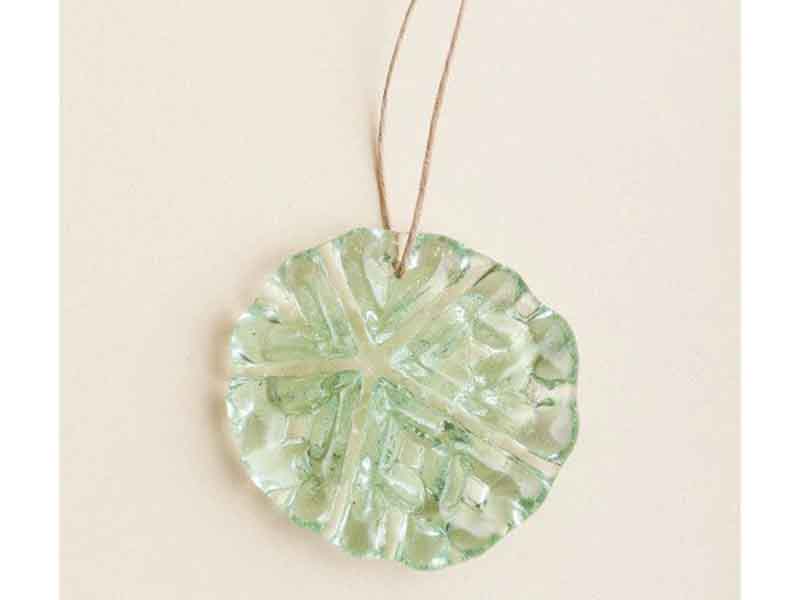
A glass ornament is a tiny object with a suspicious amount of emotional power. It may weigh less than a cookie, sparkle like it has a personal lighting director, and yet somehow carry decades of family history, holiday chaos, travel memories, design taste, and the annual reminder that cats should not be trusted near trees. Whether it is a hand-blown Christmas bauble, a delicate suncatcher, a collectible museum-inspired keepsake, or a clear glass globe filled with ribbon and dried flowers, the glass ornament has earned its place as one of the most beloved decorative objects in American homes.
Part of the charm comes from contrast. Glass looks fragile, but a well-made ornament can survive generations when handled with care. It feels old-fashioned, yet it fits beautifully in modern, minimalist, farmhouse, vintage, maximalist, and coastal interiors. It can be elegant enough for a formal holiday tree and playful enough to look like a pickle, a taco, a tiny camper, or a glittering mushroom wearing a hat. Yes, ornament design has range.
This guide explores the history, craftsmanship, decorating ideas, collecting appeal, care tips, and real-life experiences that make glass ornaments more than seasonal accessories. They are small works of art, memory capsules, and sometimes the only decorations in the house that everyone agrees not to touch without supervision.
What Is a Glass Ornament?
A glass ornament is a decorative object made partly or entirely from glass, commonly designed to hang from a Christmas tree, window, garland, chandelier, wall hook, or display stand. The classic version is the round Christmas ball, often called a bauble, but glass ornaments can also be shaped like stars, bells, angels, animals, fruits, houses, birds, snowflakes, food, vehicles, landmarks, and personalized keepsakes.
Some glass ornaments are mouth-blown into molds, silvered inside for shine, painted by hand, and finished with glitter or lacquer. Others are made from pressed glass, fused glass, stained glass, lampworked glass, or clear glass filled with tiny decorative elements. The best glass ornaments combine design, craftsmanship, and sentiment. A red glass ball may look simple, but on the right branch, with warm lights behind it, it becomes holiday magic in spherical form.
A Brief History of Glass Ornaments
The story of the glass ornament begins in Europe, especially in Lauscha, Germany, a town famous for glassmaking. German families had long decorated evergreen trees with edible items such as apples, nuts, cookies, and sweets. Over time, skilled glassmakers began creating glass versions of those shapes. The result was both practical and beautiful: fruit that did not rot, nuts that did not attract pests, and decorations that sparkled in candlelight.
By the 19th century, blown-glass ornaments were becoming more elaborate. Early designs included balls, fruits, nuts, birds, and figural shapes. These ornaments eventually traveled across the Atlantic and became popular in the United States. In the late 1800s, imported German glass ornaments helped shape American Christmas decorating traditions. What began as a European craft slowly became part of the American holiday home.
From Handmade Luxury to Everyday Holiday Staple
At first, glass ornaments were special purchases. They were not the sort of thing people casually tossed into a shopping cart next to paper towels and cereal. Imported, hand-decorated, and fragile, they carried a sense of occasion. Families stored them carefully and brought them out once a year like tiny celebrities returning from hibernation.
In the 20th century, American manufacturing helped make glass ornaments more widely available. Shiny Brite ornaments became especially iconic during the 1940s and 1950s. Their bright colors, striped patterns, round and oblong shapes, and cheerful shine gave American Christmas trees a bold, optimistic look. Many vintage Shiny Brite ornaments remain collectible today, not only because they are pretty, but because they instantly summon memories of grandparents’ living rooms, aluminum trees, tinsel, and holiday photos where everyone looks both festive and slightly itchy.
How Glass Ornaments Are Made
The most traditional blown-glass ornaments begin with heated glass tubing. An artisan warms the glass until it becomes flexible, then blows air through the tube to expand it into a mold. The mold gives the ornament its shape, whether that shape is a simple ball or a detailed cottage with windows, doors, and a roof that seems much too charming for something smaller than a sandwich.
After cooling, the ornament may be silvered on the inside to create a reflective finish. Older methods sometimes used materials that are no longer favored for safety reasons, while modern production typically uses safer finishes. The outside may be painted, lacquered, glittered, dusted, or detailed by hand. Finally, a cap and hanger are attached so the ornament can hang securely.
Why Hand-Blown Glass Feels Different
Hand-blown glass ornaments often have subtle variations. One may be slightly rounder than another. A painted line may have the soft character of a human hand. The glitter may gather differently along a curve. These imperfections are not flaws; they are personality. They are proof that the ornament was not stamped into existence by a machine with no holiday spirit.
Mass-produced glass ornaments can still be beautiful, especially when the color, finish, and durability are well executed. But handmade ornaments tend to have an heirloom quality. They feel less like seasonal décor and more like small pieces of art that happen to enjoy pine branches.
Popular Types of Glass Ornaments
Classic Glass Ball Ornaments
The classic round glass ball is the little black dress of holiday decorating. It works everywhere. Red, gold, silver, green, champagne, pearl, cobalt, blush, and clear glass balls can create almost any mood. A tree covered in one color looks polished and designer-approved. A tree full of mixed colors feels joyful, nostalgic, and ready for cookies.
Figural Glass Ornaments
Figural ornaments are shaped like recognizable objects. Think birds, houses, snowmen, Santas, fruits, pastries, musical instruments, pets, cars, camping trailers, sea creatures, and miniature landmarks. These are the ornaments that make guests stop and say, “Wait, is that a glass avocado?” Yes. Yes, it is. And it deserves respect.
Clear Fillable Glass Ornaments
Clear glass ornaments are popular for DIY projects because they act like tiny display cases. People fill them with ribbon, dried flowers, faux snow, feathers, handwritten notes, mini pinecones, beach sand, ticket stubs, or small photographs. The result can be elegant, personal, and surprisingly affordable.
Stained Glass and Suncatcher Ornaments
Not all glass ornaments are for Christmas trees. Stained glass ornaments and suncatchers can hang in windows year-round. They catch natural light and scatter color across a room, which is basically the home décor version of showing off politely.
Collectible and Commemorative Ornaments
Collectible ornaments mark a year, place, event, institution, or memory. The White House Historical Association, museums, national parks, and cultural institutions have all used ornaments as keepsakes. These pieces often appeal to people who enjoy history, travel, art, architecture, or annual traditions.
Why Glass Ornaments Remain So Popular
Glass ornaments endure because they offer something plastic decorations often cannot: depth, reflection, and emotional texture. Glass interacts beautifully with light. It glows near warm bulbs, reflects candlelight, and adds dimension to a tree or display. Even a plain glass ornament can look different in the morning, afternoon, and evening.
They also carry nostalgia. Many families have at least one ornament that is treated like royalty. It may not be the most expensive one. It might be chipped, faded, or missing a bit of glitter. But it came from a grandmother, a first apartment, a honeymoon trip, a child’s first Christmas, or a family vacation. That emotional value turns fragile glass into something surprisingly durable in memory.
How to Decorate With Glass Ornaments
Create a Color Story
For a polished look, choose a focused palette. Silver and white feel snowy and elegant. Red and gold create classic warmth. Blue and silver look crisp and wintry. Blush, champagne, and pearl glass ornaments create a soft romantic tree. Jewel tones such as emerald, ruby, sapphire, and amethyst feel dramatic without needing to shout across the room.
Mix Matte, Shiny, and Transparent Finishes
A tree looks more interesting when the finishes vary. Combine shiny mercury-style glass, matte glass, clear glass, frosted glass, and glittered pieces. The mix keeps the eye moving and prevents the tree from looking like it was decorated by a very organized robot.
Layer Ornaments by Size
Place larger glass ornaments deeper inside the tree to add depth, then hang medium and smaller ornaments toward the branch tips. This makes the tree look fuller and more dimensional. It also helps protect heavier ornaments from dramatic branch sagging, which is never the aesthetic goal.
Use Glass Ornaments Beyond the Tree
Glass ornaments can dress up more than Christmas trees. Place them in a clear bowl as a centerpiece, hang them from garland, tie them onto wrapped gifts, display them under a cloche, suspend them from a chandelier, or use suncatcher-style ornaments in a kitchen window. A few beautiful glass pieces can make a room feel festive without requiring a full holiday explosion.
Choosing Quality Glass Ornaments
When shopping for glass ornaments, look at the weight, finish, cap, and painted details. A quality ornament should feel delicate but not flimsy. The cap should fit securely without crushing the neck of the ornament. Painted designs should look intentional, whether crisp and detailed or softly handmade. Glitter should be well adhered, not falling off in a sparkly blizzard before you even leave the store.
For heirloom pieces, handmade ornaments, and collectibles, packaging matters. A sturdy box with dividers or padding helps protect the ornament for future storage. If an ornament arrives in packaging that looks like it lost a wrestling match, replace the storage materials before the next season.
How to Care for Glass Ornaments
Glass ornaments reward gentle care. Handle them with clean, dry hands or cotton gloves, especially if they are vintage, painted, or gilded. Avoid pulling them by the metal cap because old caps can loosen. Hold the body of the ornament carefully and support it from beneath when possible.
To clean a glass ornament, use a soft, dry microfiber cloth. Avoid soaking, scrubbing, spraying household cleaner, or using alcohol-based products on painted or vintage finishes. Moisture can damage interior silvering, loosen paint, or stain decorative surfaces. When in doubt, do less. With fragile ornaments, “aggressive cleaning” is just a fancy phrase for “future regret.”
Smart Storage Tips
Wrap each glass ornament individually in acid-free tissue paper or soft, clean fabric. Store ornaments in divided boxes so they do not knock into each other. Keep heavier pieces on the bottom and lighter, more delicate pieces on top. Avoid overpacking bins because pressure can crack glass or flatten decorative details.
Temperature matters. Attics and garages may seem convenient, but heat, cold, and humidity can damage old finishes, weaken glue, and encourage deterioration. A closet, cabinet, or temperature-stable storage area is usually safer. Label boxes by color, theme, or room so next year’s decorating does not turn into a festive treasure hunt with mild emotional consequences.
Are Glass Ornaments Safe for Homes With Kids or Pets?
Glass ornaments can work in homes with children and pets, but placement is everything. Keep fragile pieces higher on the tree and use soft, shatter-resistant decorations on lower branches. Secure valuable ornaments with strong hooks or ribbon. If you have a curious cat, consider anchoring the tree, skipping dangling glass near the bottom, and accepting that your pet believes gravity is a hobby.
For households with toddlers or energetic pets, glass ornaments may be best used in bowls, wall displays, high garlands, or closed cabinets rather than on low branches. Safety should always beat style. A beautiful ornament is not worth broken glass on the floor.
Glass Ornaments as Gifts
A glass ornament makes a thoughtful gift because it can be personal without being overwhelming. A newlywed couple might appreciate a dated ornament for their first holiday together. A new homeowner might love a house-shaped ornament. A traveler might enjoy a national park or city landmark ornament. A baker might laugh at a glass croissant or mixer ornament. The best ornament gifts say, “I noticed what matters to you,” but in a way that fits inside a small box.
Personalized glass ornaments are especially popular. Names, dates, family titles, pet names, and short messages turn a pretty object into a keepsake. For maximum emotional impact, pair the ornament with a handwritten note. This is also a sneaky way to make people cry near wrapping paper, so use responsibly.
Collecting Vintage Glass Ornaments
Vintage glass ornaments have grown in popularity because they bring authenticity and nostalgia to modern decorating. Collectors often look for older German ornaments, mid-century Shiny Brite sets, hand-painted figural pieces, mercury glass finishes, and ornaments with original boxes. Condition matters, but so does character. A little patina can make an ornament feel more genuine.
When buying vintage glass ornaments, inspect the cap, paint, glass neck, and interior finish. Look for cracks, missing pieces, repairs, or heavy discoloration. Original packaging can add value, but the emotional value may matter more if you simply love the design. Collecting should be fun, not a courtroom drama over whether a tiny glass mushroom is “investment grade.”
DIY Glass Ornament Ideas
Clear glass ornaments are perfect for simple DIY projects. Fill one with faux snow and a tiny bottlebrush tree for a winter scene. Add dried lavender or eucalyptus for a botanical ornament. Curl strips of old sheet music or book pages inside for a literary look. Use acrylic paint inside the ornament for a marbled effect. Add ribbon in school colors, wedding colors, or a favorite team palette.
For a memory ornament, place a small note inside with the year and a short highlight: “First apartment,” “Beach trip,” “Baby’s first Christmas,” or “The year we finally learned not to burn the pie.” Over time, these ornaments become a family archive that sparkles.
Personal Experiences With Glass Ornaments
There is something wonderfully dramatic about unpacking glass ornaments every year. The box comes down from the closet, someone says, “Be careful,” and suddenly everyone behaves like museum staff handling ancient treasure. Even the most ordinary ornament gets a moment. You unwrap tissue paper, reveal a flash of color, and remember exactly where it came from. Maybe it was bought at a holiday market. Maybe it came from a grandmother’s collection. Maybe it was purchased during a vacation when everyone was tired, hungry, and still somehow convinced that a glass lighthouse ornament was essential.
One of the best experiences with glass ornaments is building a tree that tells a story instead of following a catalog page too strictly. Designer trees are beautiful, of course. A perfectly coordinated tree in white, gold, and champagne can look like it belongs in a hotel lobby where nobody has ever misplaced scissors. But a personal tree has more soul. It has the shiny red ball from childhood, the glass bird from a craft fair, the tiny blue ornament from a first home, and the slightly ridiculous food-shaped ornament that makes everyone laugh.
Glass ornaments also create small traditions. Some families choose one new ornament every year. Others give ornaments to children so they will eventually have a starter collection of their own. Some people collect ornaments while traveling, choosing one from each city, museum, national park, or beach town. Over time, decorating the tree becomes a yearly review of everywhere life has been. It is cheaper than therapy, prettier than a spreadsheet, and usually comes with hot chocolate.
There is also the practical comedy of glass ornaments. They demand respect. You cannot toss them into a bin and hope for the best. You cannot let the dog’s tail operate freely near the lower branches. You cannot say, “I’ll just place this one temporarily on the edge of the table,” unless you enjoy learning lessons loudly. Glass ornaments teach patience, planning, and humility. They also teach that ornament hooks vanish into another dimension exactly when needed.
My favorite way to use glass ornaments beyond the tree is to group them in a large clear bowl or footed compote. It is simple, fast, and instantly festive. A mix of vintage silver, clear glass, and soft gold ornaments can make a dining table look elegant in five minutes. For a more casual look, colorful ornaments in a wooden bowl bring cheerful energy to an entryway or coffee table. The trick is to vary sizes and finishes so the arrangement looks collected, not dumped.
Another memorable experience is giving glass ornaments as gifts. Unlike many presents, an ornament does not need to be expensive to feel meaningful. A tiny glass dog for a pet lover, a glass strawberry for a gardener, a glass airplane for a traveler, or a dated ornament for a new baby can become part of someone’s annual ritual. Every year, they unwrap it and remember the person who gave it. That is a lot of emotional mileage for something that fits in the palm of your hand.
Of course, breakage happens. Almost every ornament lover has a story about the one that slipped. The sound is unmistakable: a bright little crash followed by silence, then the sad walk to get a broom. But even that is part of the strange tenderness of glass ornaments. Their fragility reminds us to pay attention. They make decorating feel intentional. They ask us to slow down, hold carefully, store thoughtfully, and appreciate beauty while it is here.
That may be why glass ornaments continue to matter. They are not just decorations. They are annual reunions with memory, light, color, family, humor, and tradition. A glass ornament can be elegant, silly, historic, handmade, modern, sentimental, or all of those at once. It can hang quietly on a branch and still say something: we were here, we celebrated, we remembered, and yes, we wrapped this very carefully because last year someone got overconfident.
Conclusion
A glass ornament is more than a decorative object. It is craftsmanship, history, light, memory, and personality captured in a fragile form. From the early blown-glass ornaments of Lauscha to American vintage favorites and modern handmade designs, glass ornaments have remained beloved because they bring beauty and meaning into the home. They can elevate a Christmas tree, personalize a gift, brighten a window, preserve a memory, or become part of a family tradition that lasts for generations.
The key is to choose pieces that feel personal, display them with care, and store them properly when the season ends. Whether your style is classic, whimsical, vintage, minimalist, or “every ornament has a backstory and I will tell you all of them,” glass ornaments offer a timeless way to decorate with heart.