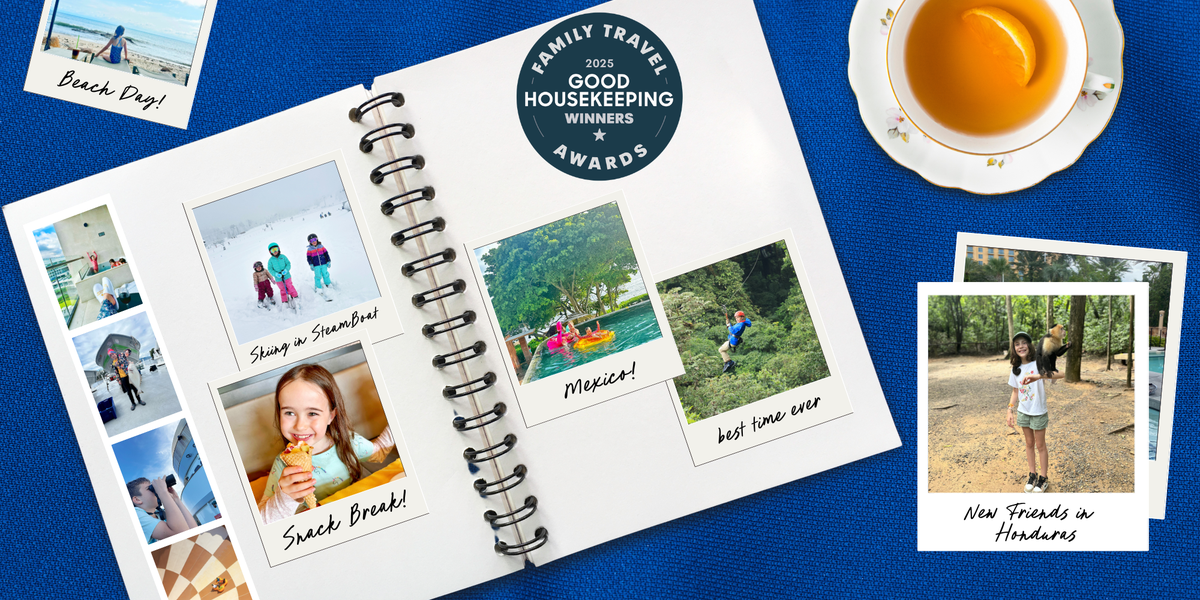
Family travel used to mean tossing snacks into a backpack, praying the tablet stayed charged, and accepting that at least one sock would disappear somewhere between the driveway and Gate B12. Today, family vacations are more intentional. Parents want value, kids want fun, grandparents want comfort, teens want “a vibe,” and everybody wants Wi-Fi until someone sees a mountain, a beach, or a hotel pool with a slide.
That is exactly why Good Housekeeping’s 2025 Family Travel Awards matter. The awards highlight destinations, products, services, hotels, resorts, and travel tools designed to make trips smoother, smarter, and more memorable for families. Instead of simply naming the splashiest resort or the shiniest suitcase, the awards look at what actually helps real households travel better: convenience, safety, durability, comfort, value, accessibility, entertainment, and the all-important question, “Will the kids melt down before lunch?”
Good Housekeeping’s 2025 list is especially useful because it reflects the way families are traveling now. Trips are not just about checking off landmarks. Families are seeking beach breaks, city escapes, all-inclusive ease, outdoor adventure, flexible booking platforms, reliable gear, and experiences that bring multiple generations together without turning the itinerary into a military operation. In other words: less vacation chaos, more core memories.
What Are Good Housekeeping’s 2025 Family Travel Awards?
The 2025 Family Travel Awards are Good Housekeeping’s third annual recognition of standout family travel choices. The program reviewed a wide range of submissions, including luggage, travel technology, booking platforms, transportation services, beach destinations, city vacations, resorts, cruises, outdoor experiences, and family-friendly attractions.
What makes the awards more practical than a typical “best places to go” list is the testing approach. Products were evaluated by Good Housekeeping Institute experts, including scientists, engineers, analysts, textile specialists, parenting pros, and wellness reviewers. Luggage was packed, rolled, dropped, scratched, and pushed through real-world-style tests. Travel gear was sent out with consumer testers on flights, cruises, road trips, train rides, beach vacations, and camping adventures. Destinations and travel experiences were reviewed by travel editors, writers, and family travelers who considered value, service, convenience, entertainment, accessibility, and how well each pick worked for real families.
That real-life angle matters. A suitcase can look beautiful in a product photo and still behave like a runaway shopping cart in the airport. A resort can advertise “family-friendly” and then offer exactly one sad high chair and a pool the size of a soup bowl. Good Housekeeping’s awards aim to separate the genuinely useful from the merely photogenic.
Why the 2025 Awards Arrived at the Perfect Time
Family travel in 2025 is being shaped by a few major forces: higher costs, tighter schedules, demand for meaningful experiences, and a growing desire for trips that are easier to plan. Families want vacations that justify the money and effort. They are comparing all-inclusive resorts, drive-to destinations, national park lodges, vacation rentals, city hotels, and booking tools with more care than ever.
Broader travel trends support this shift. Expedia Group’s 2025 travel outlook pointed to the rise of “detour destinations,” modern all-inclusive trips, and JOMO travel, short for the joy of missing out. That lines up beautifully with family travel. Parents do not always want the biggest, loudest, most crowded attraction. Sometimes the best trip is a smaller city, a lakefront resort, a roomy vacation rental, or a beach town where the most dramatic event of the day is deciding who gets the last pancake.
Google’s 2025 travel search trends also showed strong interest in travel hacks, weekend getaways, cabins, and kid-friendly activities. Translation: families are not just asking “Where should we go?” They are asking “How do we make this easier, cheaper, calmer, and less likely to end with someone crying over a forgotten charger?”
Major Categories in the 2025 Family Travel Awards
1. Travel Gear That Actually Works
The travel gear category includes luggage, bags, tech, wellness items, outdoor equipment, and parenting helpers. This is where practical design becomes vacation magic. Good Housekeeping recognized products like the Monos Expandable Carry-On, praised for its minimalist polycarbonate design, expandability, compression straps, and surprisingly roomy interior. For families who return from vacation with twice as many items as they packed, expandable luggage is not a feature; it is a survival strategy.
Other notable gear winners included the Aer Carry-On, with its built-in wheel brake system, the lightweight American Tourister Air Move Carry-On, the charging-friendly July Carry-On, and organized backpacks from brands such as Baggallini, Cotopaxi, Bagsmart, and Vera Bradley. The big theme is clear: families need gear that is durable, easy to maneuver, organized, and flexible enough for everything from airport security to snack emergencies.
2. Services and Transportation That Reduce Stress
Travel services are the unsung heroes of a family vacation. Nobody posts a framed photo of a booking platform over the fireplace, but the right service can save money, reduce friction, and prevent planning headaches. Good Housekeeping’s 2025 winners included RVshare, a marketplace for RV rentals that gives families the option to have an RV delivered and set up at a campsite. For first-time RV travelers, that is a huge benefit. You get the camping experience without having to learn how to pilot a small apartment on wheels.
David’s Vacation Club Rentals stood out for families who want Disney resort space and perks while potentially spending less than booking directly. ResortPass earned attention for letting families book day access to hotel pools and resort amenities, which is ideal for local “daycations” or travelers staying somewhere without a great pool. Other service winners included platforms such as Viator, Go City, and City Experiences, each helping families book tours, attraction passes, cruises, and activities with fewer spreadsheets and fewer “Wait, did we buy tickets?” moments.
3. Beach Destinations for Every Kind of Family
Beach trips remain one of the strongest pillars of family travel, and the 2025 awards highlighted a range of coastal winners. Newport, Rhode Island, brought together New England charm, Gilded Age history, walkable streets, sailing, aquariums, shops, and waterfront views. It is the kind of beach destination where families can mix sand and sightseeing without feeling trapped in a single routine.
The Palm Beaches, Florida, stood out for its 47 miles of shoreline, gentle waves, family-friendly beach parks, new hotels, and access to the Brightline train, which makes combining Orlando with a beach break more practical. Seabrook, Washington, offered a different type of coastal vacation: a planned, walkable, bike-friendly beach town where families can park the car and let older kids enjoy a bit more independence.
Destin-Fort Walton Beach, Florida, represented the classic Gulf Coast family vacation: turquoise water, white sand, outdoor restaurants, aquatic adventures, and lodging options for different budgets and group sizes. Los Cabos, Mexico, showed how a destination once associated mostly with adult getaways has evolved into a family-friendly option with beachfront resorts, cooking classes, snorkeling, cultural exploration, and desert adventure.
4. City Vacations With Kid Appeal
City vacations can be a secret weapon for families because they pack museums, parks, food, history, hotels, and transportation into one manageable footprint. Good Housekeeping’s 2025 city winners included Salt Lake City, Utah, praised for its outdoor access, direct flights, museums, mountain activities, and family-friendly vibe. It is a strong example of a city that works for families who want both culture and nature.
Québec, Canada, offered Old World atmosphere, French language, historic streets, and European flavor without the longer flight and larger price tag of a transatlantic trip. Victoria, British Columbia, gave families walkability, gardens, wildlife cruises, floating homes, and attractions like the Victoria Bug Zoo and Craigdarroch Castle. San Antonio, Texas, stood out for history, culture, the Alamo, museums, and inclusive attractions such as Morgan’s Wonderland.
Then there is Orlando, Florida, which needs no introduction but continues to evolve. The city remains a theme park powerhouse, yet Good Housekeeping also pointed to its expanding food, arts, and neighborhood scenes. A smart Orlando trip in 2025 might include one big park day, one pool day, and one “surprise, we are not standing in a 90-minute line today” day in Winter Park or downtown.
5. Action-Packed Vacations for Kids Who Do Not Sit Still
Some families define relaxation as a hammock and a book. Others define it as archery, zip-lining, tubing, skiing, gem mining, paddleboarding, and a bedtime so successful it feels like winning an Olympic medal. The action-packed category is for the second group.
Winners included Sheraton Steamboat Resort Villas in Colorado, a convenient ski option next to the main gondola, and Woodloch Resort in Pennsylvania, known for multigenerational activities, family competitions, indoor fun, and all-inclusive dining. Omni Homestead Resort in Virginia mixed historic charm with hot-spring-fed pools, slides, movies, and outdoor activities, while Smugglers’ Notch Resort in Vermont delivered pools, camps, games, condos, and enough activities to keep screens from becoming the main attraction.
For nature-focused families, YMCA of the Rockies offered budget-friendly lodging near Rocky Mountain National Park, seasonal programming, guided hikes, and large accommodations for multigenerational groups. Tenaya at Yosemite gave families a lodge-style base for Yosemite adventures, with cabins, stargazing, flashlight hikes, bikes, pools, and s’mores. That last detail is important. In family travel, unlimited s’mores can be a legitimate strategic advantage.
What Families Can Learn From the 2025 Winners
Convenience Is No Longer a Luxury
Convenience is one of the strongest themes across the awards. Families are choosing destinations with direct flights, walkable neighborhoods, easy parking, shuttle service, flexible passes, and gear that reduces airport stress. A great family vacation is not just about the destination; it is about the number of tiny hassles removed along the way.
Value Means More Than the Lowest Price
The 2025 winners show that value is about usefulness. A resort with included activities may cost more upfront but save money and planning energy later. A reliable carry-on may be more expensive than a bargain suitcase but last longer and roll better through crowded terminals. A city attraction pass may be worth it if it fits the family’s pace. Smart family travel is not always cheap; it is thoughtful.
Multigenerational Travel Is Growing
Many award winners work well for grandparents, parents, teens, and little kids traveling together. Resorts with large villas, vacation rentals with multiple bedrooms, walkable beach towns, and activity-rich properties help different age groups share one trip without everyone being forced into the same schedule. That flexibility is one reason multigenerational travel continues to grow.
Families Want Experiences, Not Just Amenities
Pools matter. Kids’ clubs matter. A kitchenette can be a blessing when someone refuses restaurant pancakes because they are “too circular.” But the strongest winners also offer experiences: cooking classes in Los Cabos, sailing in Newport, wildlife cruises in Victoria, inclusive rides in San Antonio, stargazing near Yosemite, and family activities in mountain resorts. These experiences give trips emotional staying power.
How to Use Good Housekeeping’s 2025 Family Travel Awards to Plan a Trip
Start by matching your family’s travel personality to the award categories. If your crew is happiest near water, begin with beach destinations such as The Palm Beaches, Destin-Fort Walton Beach, Newport, or Seabrook. If your children love museums, food, history, and hotel elevators for reasons only children understand, consider city winners like Salt Lake City, San Antonio, Québec, Victoria, or Orlando.
If you are planning a trip with grandparents or cousins, look closely at resorts and rentals with multi-bedroom options, kitchens, flexible activities, and easy transportation. Woodloch, YMCA of the Rockies, Smugglers’ Notch, and villa-style properties are especially relevant. For babies and toddlers, prioritize laundry access, nap-friendly layouts, stroller-friendly paths, and the ability to prepare simple meals. For teens, think about local flavor, outdoor adventure, food scenes, boutique hotels, and activities that feel cool without requiring them to admit they are having fun.
Next, choose tools that make the trip easier. Use booking platforms to compare options, attraction passes to save money where they genuinely fit your pace, and travel gear that helps your family move smoothly. A backpack with organized compartments, a carry-on with reliable wheels, a portable charger, and a laundry bag can make the difference between “We are thriving” and “Why is there a granola bar in my shoe?”
Experiences Related to Good Housekeeping’s 2025 Family Travel Awards
The most useful way to understand these awards is to imagine how they play out in real family travel. Picture a family of four flying into Salt Lake City for a long weekend. Instead of building the trip around one expensive attraction, they mix a museum visit, a mountain drive, a kid-friendly hotel with bunk beds, and casual restaurants. The parents feel like they got scenery and culture. The kids remember dinosaurs, climbing, and hotel snacks. Nobody needed a passport, and the whole trip felt bigger than the effort required.
Now imagine a multigenerational beach vacation in Destin-Fort Walton Beach. Grandparents want gentle mornings, parents want easy logistics, and kids want water adventures. A roomy rental or well-equipped hotel room becomes the anchor. One day is for snorkeling, another for ghost-crab hunting, another for doing absolutely nothing except building a sandcastle that the youngest child will defend like a medieval fortress. The value is not just the beach. It is the fact that every generation can enjoy the same place differently.
A city trip offers a different rhythm. In San Antonio, a family can visit the Alamo, explore interactive museum exhibits, enjoy the River Walk, and include Morgan’s Wonderland for an inclusive experience that works for guests of many abilities. That kind of destination shows why accessibility should be part of family travel planning from the beginning, not treated as a bonus feature. When a place works better for travelers with different needs, it usually works better for everyone.
For adventure-loving families, the award winners show how important it is to balance activity with recovery. A stay near Yosemite, in the Rockies, or at a mountain resort can be thrilling, but the best trips include downtime: pool time, s’mores, movie nights, lazy breakfasts, and space to let kids decompress. The secret is not packing every hour. It is choosing a place where fun is available without requiring parents to become full-time camp directors with snack bags.
Even travel gear shapes the experience. A smooth-rolling suitcase helps when a child suddenly decides the airport is “too walky.” A well-organized backpack prevents the dreaded mid-flight excavation for headphones. A day pass through a service like ResortPass can turn an ordinary Saturday into a mini vacation. These details may sound small, but family travel is built from small details. When enough of them go right, the trip feels easy. When enough go wrong, everyone learns new vocabulary in the rental car.
The strongest lesson from Good Housekeeping’s 2025 Family Travel Awards is that modern family travel is not one-size-fits-all. One family’s dream is a quiet beach town. Another family wants roller coasters, pizza-making classes, and a hotel pool with a lazy river. Another wants national parks, cabins, and stars bright enough to make everyone put down their phones. The awards are valuable because they give families tested, practical starting points rather than vague inspiration.
Conclusion
Good Housekeeping’s 2025 Family Travel Awards offer a smart roadmap for families planning better vacations. The winners reflect what today’s travelers really need: reliable gear, flexible services, beach destinations with personality, cities with kid-friendly depth, resorts with built-in entertainment, and experiences that create lasting memories without creating planning burnout.
The best family trip is not necessarily the most expensive or the most elaborate. It is the one that fits your people. It gives toddlers room to nap, teens something worth posting, grandparents a comfortable place to sit, and parents at least a few moments where they are not counting sunscreen bottles like inventory managers. With the 2025 Family Travel Awards as a guide, families can plan trips that are easier, richer, and much more fun.
Note: This article is fully rewritten in original language for web publishing and is based on verified award information, travel-trend analysis, and real family travel examples.