Note: This article is written for web publishing and synthesizes real product-style details with practical U.S. fencing, outdoor design, installation, and wood-care guidance.
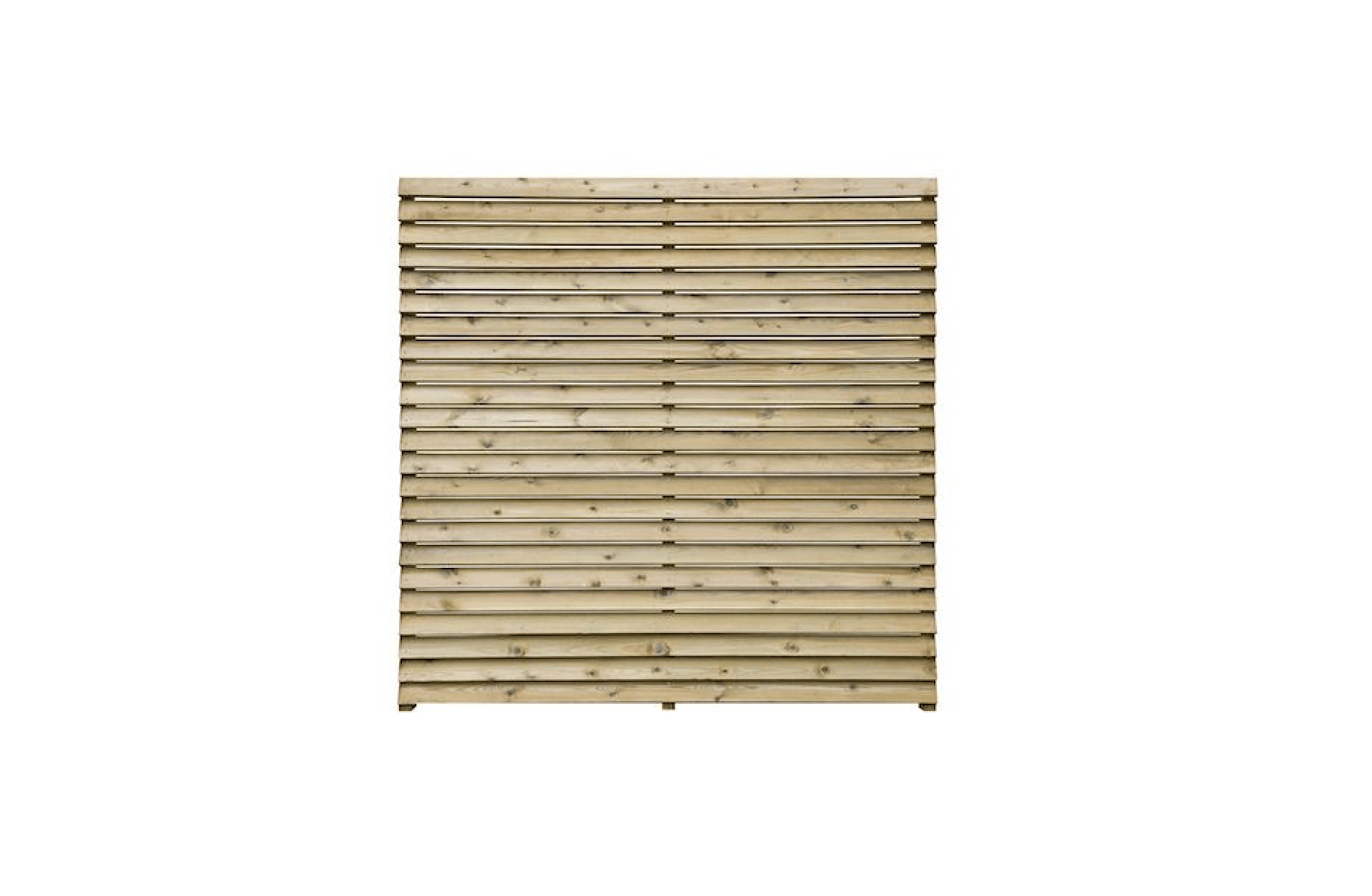
The Grange Contemporary Slatted Fence Panel is the kind of garden upgrade that quietly says, “Yes, I have outdoor taste,” without shouting over the hydrangeas. With its clean horizontal lines, modern timber finish, and privacy-friendly structure, this style of panel has become a favorite for homeowners who want a boundary that looks intentional rather than accidental. It is not just a fence panel; it is a backdrop, a privacy screen, a garden divider, and occasionally the thing that makes your patio furniture look more expensive than it really was.
Contemporary slatted fencing has grown popular because it blends architectural style with everyday usefulness. Traditional vertical fencing still works, of course, but horizontal slats create a sleeker visual rhythm. They make narrow gardens feel wider, frame planting beds beautifully, and add a polished finish to patios, courtyards, side yards, and modern backyard zones. The Grange version fits neatly into this design movement by combining timber warmth with a structured, contemporary panel layout.
For homeowners comparing modern garden fencing, horizontal slat fence panels, and privacy fence panels, the Grange Contemporary Slatted Fence Panel deserves attention because it balances three things that do not always get along: style, screening, and durability. In other words, it tries to look good while doing actual fence work. That is more than can be said for many decorative garden accessories, including the suspiciously expensive ceramic mushroom.
What Is a Grange Contemporary Slatted Fence Panel?
A Grange Contemporary Slatted Fence Panel is a timber fence panel designed with horizontal boards or slats arranged in a clean, modern pattern. Depending on the retailer and exact model, it is commonly associated with a large garden-panel format close to the familiar six-foot fence size, making it suitable for boundary fencing, patio screening, and garden zoning. The design is usually described as contemporary because the horizontal layout gives it a crisp architectural appearance compared with older picket, lap, or feather-edge styles.
Grange fence panels are often marketed as pressure-treated timber products. Pressure treatment helps protect wood against common outdoor problems such as fungal decay and insect damage. That matters because a fence lives a heroic but difficult life: rain, sun, wind, soil splash, sprinklers, pets, and the occasional soccer ball all take turns testing its patience.
The contemporary slatted look is especially useful in modern landscapes. It pairs well with raised planters, porcelain pavers, gravel paths, black metal furniture, outdoor lighting, and minimalist planting schemes. It can also soften a hardscape-heavy yard by adding natural texture without making the space feel rustic or old-fashioned.
Why Horizontal Slats Look So Modern
The magic of a horizontal slatted fence panel is visual direction. Vertical fencing draws the eye up and down; horizontal fencing draws the eye across. In a small yard, that sideways movement can make the space feel broader. In a long garden, it adds flow. Around a patio, it creates a calm, layered background that makes plants, furniture, and lighting stand out.
Horizontal slats also feel more custom than many standard fence panels. Even when they come pre-made, the finished look suggests careful planning. The lines are clean, the pattern is deliberate, and the fence becomes part of the landscape design rather than a boundary that was installed and then politely ignored for the next decade.
Clean Lines Without Feeling Cold
Modern design can sometimes become too severe, especially outdoors. Concrete, steel, and ultra-minimal furniture can make a backyard feel like a boutique hotel lobby that misplaced its guests. Timber slatted fencing avoids that problem. It keeps the contemporary geometry but adds warmth through natural grain, color variation, and texture.
This is why the Grange Contemporary Slatted Fence Panel works in several garden styles. It suits modern homes, but it can also update older properties when used thoughtfully. Against brick, stucco, siding, or stone, horizontal timber panels provide a handsome contrast that looks current without becoming trendy in a way that will embarrass you later.
Privacy, Screening, and Airflow
One of the biggest reasons homeowners choose a contemporary fence screen is privacy. A slatted or board-style panel can reduce sightlines from neighboring properties, sidewalks, alleys, or shared outdoor areas. Depending on the spacing and construction, slatted designs may offer partial screening or near-full privacy. Some contemporary Grange panels are designed with double-sided horizontal boards, which improves visual consistency from both sides and can provide a more substantial privacy effect.
Compared with a totally solid wall, slatted fencing can feel less heavy. Panels with small gaps or layered construction allow some light and air movement. That can be important in gardens where plants need airflow, where wind exposure is a concern, or where a fully solid fence would make a patio feel boxed in. Privacy is wonderful, but nobody wants to sit outside feeling like they are relaxing inside a wooden shoebox.
Best Uses for Slatted Privacy Panels
The Grange Contemporary Slatted Fence Panel can be used as a full boundary fence, but it also performs well in smaller design moments. For example, it can screen a dining area, hide trash bins, divide a vegetable garden from a lounge space, frame a hot tub area, or create a backdrop for outdoor seating. In compact urban yards, a single run of slatted panels can dramatically improve the look of the space.
For maximum effect, repeat the panel style throughout the garden rather than mixing too many fence types. Consistency makes the yard feel planned. If you need variety, add it with planting, lighting, or decorative screens rather than changing fence styles every few feet like the garden is trying on outfits.
Material Matters: Pressure-Treated Timber
Most timber fence panels need protection from moisture and biological decay. Pressure-treated timber is commonly used outdoors because preservatives are forced into the wood under pressure, helping the material resist rot and insect attack. This does not make the fence immortal, but it gives it a better chance of aging gracefully.
For above-ground fence boards or slats, treated timber is generally appropriate when installed correctly. Posts, however, need special attention because they often sit in or near the ground, where moisture exposure is much higher. In U.S. fencing practice, posts should be selected and installed for ground-contact conditions when they are buried or set in concrete. The panel may be the face of the project, but the posts are the knees. Weak knees lead to leaning fences, and leaning fences lead to neighbors saying things like, “Were you going for that angle?”
Wood Movement Is Normal
Wood expands, contracts, checks, and changes color as it adjusts to outdoor conditions. This is natural. A pressure-treated timber fence may arrive with a greenish or warm tone and then gradually weather to gray if left unfinished. Some homeowners love that silvery weathered look; others prefer to apply stain for richer color and added UV protection.
Because slatted fencing relies heavily on clean lines, small shifts in timber can be more noticeable than on rougher rustic panels. Choosing quality posts, installing panels level, using proper fasteners, and maintaining the surface all help preserve the contemporary look.
Design Ideas for a Grange Contemporary Slatted Fence Panel
A good fence should not just mark the edge of a property. It should help shape the outdoor experience. The Grange Contemporary Slatted Fence Panel works especially well when paired with design elements that echo its horizontal rhythm.
1. Pair It With Raised Planters
Raised planters placed in front of slatted panels create depth and soften the fence line. Use grasses, lavender, rosemary, salvia, boxwood, or compact shrubs for a tidy modern look. For a more relaxed style, mix ornamental grasses with flowering perennials. The fence becomes a backdrop, and the plants become the performance. Nobody buys a ticket, but the bees will attend.
2. Add Warm Outdoor Lighting
Low-voltage lighting or solar wall lights can turn horizontal panels into a feature after sunset. Warm light grazing across timber emphasizes the slats and grain. This works beautifully near patios, outdoor kitchens, fire pits, and seating areas. Avoid lights that are too bright or cold; your garden should feel inviting, not like a parking lot interrogation scene.
3. Use Dark Stain for Drama
Black, charcoal, and deep brown stains are popular for contemporary fencing because they make greenery pop. A dark fence can visually recede, allowing plants and furniture to stand out. However, dark finishes can absorb more heat and may show dust, pollen, or scratches more easily. Test a small area first before committing to the full fence.
4. Keep the Layout Simple
The panel already has strong geometry, so the surrounding design does not need to compete. Clean paving, simple furniture, and restrained planting often look best. A Grange Contemporary Slatted Fence Panel can handle a stylish garden, but it should not have to fight twelve colors of patio cushions and a flamingo statue named Gary.
Installation Considerations Before You Buy
Before installing a contemporary slatted fence panel, check local requirements. In many U.S. cities, fence height, placement, materials, and visibility near driveways or corners may be regulated. Homeowners associations may also have rules about style, color, and maximum height. Backyard privacy fences are often allowed around six feet high, but local rules vary widely, so it is always better to confirm before digging.
Utility marking is another must. In the United States, homeowners should contact 811 before excavation so underground utilities can be marked. Fence posts may not seem like major digging, but gas, electric, water, cable, and irrigation lines are not interested in your weekend project schedule.
Posts and Alignment
Slatted panels look best when installed level and evenly spaced. Because the eye follows the horizontal lines, even a small tilt can become obvious. Use a string line, level, and careful measurements before setting posts. If the yard slopes, decide whether the panels will step down in sections or follow the grade. Pre-made panels are usually easier to step than to bend visually with a slope.
Post spacing should match the panel width, and posts should be solid enough to resist wind loads. For timber panels, many installers use wood posts or compatible slotted posts, depending on the panel system. In windy areas, stronger posts and deeper footings may be necessary.
Hardware and Fasteners
Outdoor fencing should use corrosion-resistant fasteners. Galvanized, coated, or stainless steel hardware is often preferred depending on the wood treatment and local climate. Poor fasteners can stain timber, loosen over time, or fail prematurely. A beautiful fence held together with the wrong screws is basically outdoor optimism with a deadline.
Maintenance: Keeping the Fence Looking Sharp
The Grange Contemporary Slatted Fence Panel is designed for outdoor use, but maintenance still matters. Pressure treatment helps protect the wood structure, while cleaning and finishing help preserve appearance. A simple annual inspection can prevent small issues from becoming expensive repairs.
Clean Once or Twice a Year
Wash the panels with mild soap and water to remove dirt, pollen, mildew, and grime. If using a pressure washer, keep pressure low and use a wide fan tip to avoid damaging the wood surface. Aggressive pressure washing can raise grain, scar boards, or make the fence look fuzzy, which is rarely part of the design brief.
Stain or Seal When the Wood Is Ready
New pressure-treated wood often contains moisture from the treatment process, so it may need time to dry before staining or sealing. A simple water-drop test can help: if water beads on the surface, the wood may not be ready; if it absorbs, finishing may be appropriate. Always follow the stain or sealant manufacturer’s instructions.
Semi-transparent stains are a good choice when you want to show the grain while adding color and UV protection. Solid stains provide more coverage and can refresh older panels with uneven color. Clear sealers preserve a natural look but may offer less UV color protection than tinted products.
Inspect for Movement and Damage
Check for loose fasteners, warped boards, damaged slats, leaning posts, and soil buildup at the base of the fence. Keep mulch and soil from resting directly against timber where possible. Trim climbing plants before they force their way between slats or hold moisture against the wood. Vines are charming until they start behaving like tiny green contractors with no permit.
How It Compares With Other Fence Styles
A Grange Contemporary Slatted Fence Panel is not the only option for a backyard boundary, but it occupies a strong middle ground between traditional wood fencing and modern privacy screens.
Compared With Traditional Vertical Wood Fencing
Traditional vertical fences are familiar, practical, and often cost-effective. They work well on sloped yards and are widely available in pre-assembled panels. However, they may not deliver the same modern architectural look. Horizontal slatted panels usually feel more refined and design-forward, especially around patios and contemporary homes.
Compared With Vinyl Fencing
Vinyl fencing is low-maintenance and resistant to rot, but it does not offer the same natural texture as timber. Some homeowners like vinyl because it cleans easily and requires little finishing. Others prefer wood because it feels warmer, more organic, and easier to integrate with planting and natural materials.
Compared With Composite Fencing
Composite fencing can be durable and low-maintenance, often mimicking wood while resisting some weathering issues. It may cost more upfront. A pressure-treated timber slatted panel can be a more natural-looking and potentially more budget-friendly option, though it usually requires more ongoing care.
Who Should Choose This Panel?
The Grange Contemporary Slatted Fence Panel is a strong fit for homeowners who want a stylish timber boundary with a modern feel. It is especially suitable for patios, garden rooms, urban yards, outdoor dining areas, and spaces where the fence will be highly visible. If your fence is going to sit behind a garage where no one sees it except a raccoon with judgmental eyes, you may not need such a polished panel. But if the fence frames your main outdoor living space, style matters.
This panel is also a smart choice for people who like natural materials but do not want a rustic look. It offers timber character in a cleaner format. The result is a fence that feels warm, structured, and current.
Buying Tips for Better Results
Before purchasing, measure carefully and plan the full fence run. Account for posts, gates, corners, end panels, changes in grade, and any obstacles. If using multiple panels, buy from the same range when possible to keep color, profile, and dimensions consistent.
Inspect panels on delivery. Look for broken slats, severe warping, loose boards, or damage from transport. Minor timber variation is normal, but structural damage should be addressed before installation. Store panels flat or upright with support, off the ground, and protected from standing water until installation day.
Think Beyond the Panel
A fence system includes more than panels. You may need posts, post caps, gravel boards, brackets, screws, concrete, stain, gate hardware, and finishing tools. Budgeting for these items prevents the classic DIY moment where the beautiful panels are ready, the sun is shining, and you realize you own exactly seven screws and a suspiciously bent level.
Common Mistakes to Avoid
The first mistake is ignoring local rules. Always check fence height and setback requirements before installing. The second is underestimating wind. A tall privacy fence catches wind like a sail, so posts and footings must be appropriate. The third is rushing the finish. Staining pressure-treated wood too soon can lead to poor absorption and uneven color.
Another mistake is planting too close. Plants look wonderful against slatted timber, but dense shrubs and vines can trap moisture and make maintenance difficult. Leave enough room for airflow, pruning, and cleaning. Your future self, holding garden shears and muttering at a vine, will appreciate this courtesy.
Practical Experience: Living With a Grange Contemporary Slatted Fence Panel
In real-life use, the appeal of a Grange Contemporary Slatted Fence Panel often becomes obvious after installation rather than before. In the store or online, it looks like a nice timber panel. In the garden, it changes the mood of the entire space. The horizontal lines create a sense of order, and the yard suddenly feels more finished. Even older patios can look more intentional when framed by a clean contemporary fence.
One of the most noticeable experiences is how well the fence works as a backdrop. Plants stand out more clearly against the repeated timber lines. A row of ornamental grasses looks sculptural. A simple bench looks curated. String lights look less improvised. Even a basic container garden gains a little magazine-photo confidence. The fence does not have to be flashy because its strength is quiet structure.
Privacy also feels different with slatted fencing. A solid panel can create a strong barrier, while a slatted or layered design often feels more breathable. In a small backyard, that matters. You can define your space without making it feel sealed off from the world. The result is privacy without the “compound wall” effect. Neighbors are screened, but the garden still feels alive.
Maintenance is manageable, but it should not be ignored. The first year is usually about observation. Watch how the wood reacts to sun and rain. Notice where sprinkler water hits. Look for areas where leaves collect or where soil splashes during storms. These small details tell you where future care will matter most. A quick cleaning at the start of the outdoor season can make the whole fence look fresher.
Staining can be satisfying but requires patience. Horizontal slats create many edges, and those edges need attention. A brush works well for corners and gaps, while a pad or sprayer may speed up broad surfaces. The trick is to avoid heavy drips between boards. Take your time. Fence staining is not glamorous, but neither is replacing neglected panels because “future me” apparently had unlimited money and free weekends.
The panel also influences how you use the garden. Once the boundary looks good, you may feel more motivated to improve the rest of the space. People often add planters, lighting, gravel borders, outdoor rugs, or a better seating arrangement after installing modern fencing. The fence becomes the first domino in a better backyard.
There are a few practical frustrations. Slatted designs can collect spider webs, pollen, and dust along the narrow ledges. Climbing plants may try to weave through gaps. If panels are not installed level, the horizontal lines make mistakes visible. And if you choose a very dark stain, scratches or water marks may show more than expected. None of these are deal-breakers, but they are worth knowing before installation.
Overall, the experience is positive for homeowners who value design as much as function. A Grange Contemporary Slatted Fence Panel gives a garden a more polished edge, improves privacy, and works beautifully with modern landscaping. It asks for some care in return, but not unreasonable care. Think of it as a stylish outdoor roommate: good-looking, useful, occasionally dusty, and much better when maintained.
Conclusion
The Grange Contemporary Slatted Fence Panel is a smart choice for homeowners who want modern garden fencing with warmth, privacy, and architectural style. Its horizontal timber design can make outdoor spaces feel wider, cleaner, and more thoughtfully designed. Whether used as a full boundary, a patio screen, or a feature backdrop, it brings structure without sacrificing natural character.
Like any wood fence, it performs best when installed correctly and maintained with care. Check local rules, mark utilities, use strong posts, choose suitable fasteners, and give the timber the cleaning and finishing it needs. Do that, and this contemporary slatted panel can become one of the most rewarding upgrades in the garden: practical enough to block the view, attractive enough to improve the view, and stylish enough to make the patio furniture sit up a little straighter.