Some people relax with mystery novels. Others unwind by studying a perfectly arranged living room and wondering whether their own sofa would look better three inches to the left. For that second group, shelter decorating magazines are less like casual reading and more like beautifully photographed instruction manuals for domestic daydreaming.
The publishing term “shelter magazine” generally describes a publication devoted to creating and maintaining a home, including interior design, residential architecture, furnishings, renovation, gardening, and entertaining. These magazines have also reflected changing American lifestyles, from the rise of household management advice to today’s interest in sustainability, small-space living, personal expression, and flexible rooms.
The best home decor magazines do more than parade expensive sofas across glossy pages. They help readers recognize styles, understand proportions, discover materials, compare decorating approaches, and develop the confidence to make a room feel personal. Even when a featured home contains a staircase that costs more than a perfectly respectable automobile, there is usually an adaptable idea hiding somewhere in the photograph.
Our favorite shelter decorating magazines cover a broad spectrum, from grand international interiors to practical weekend projects. This is not a strict ranking. Think of it as a well-stocked design library in which every title has a different personalityand at least one editor who appears capable of identifying 47 shades of white without blinking.
What Makes a Great Shelter Decorating Magazine?
A strong decorating publication balances aspiration with application. Readers want gorgeous rooms, but they also need to understand why those rooms work. Useful editorial coverage explains how color creates atmosphere, why furniture placement affects movement, where designers find unusual pieces, and which decisions are worth the investment.
A Distinct Point of View
The most memorable interior design magazines do not attempt to please every reader with every page. Dwell approaches a house differently from Country Living, just as a glass-and-steel retreat communicates something very different from a cottage filled with quilts, baskets, and a heroic number of throw pillows.
A clear editorial identity helps readers filter ideas. You may not want to reproduce an entire room, but you might borrow its color palette, lighting strategy, cabinet hardware, gallery-wall arrangement, or fearless use of wallpaper.
Beautiful Photography With Useful Details
Wide room photographs provide atmosphere, while close-ups reveal the decisions that make a space distinctive. A properly photographed interior lets readers notice how curtains meet the floor, how rugs relate to furniture, how lamps are scaled, and how old and new objects share a room without beginning a family argument.
Ideas for Real Life
Not every reader is commissioning a custom limestone fireplace. Many are trying to improve a rental kitchen, organize an awkward entryway, choose a durable sofa, or make a small bedroom feel less like a storage container with a mattress. Our favorite magazines offer inspiration at multiple price points and acknowledge that homes must function as well as pose for photographs.
Our Favorite Shelter Decorating Magazines
1. Architectural Digest: For Design at Its Most Ambitious
Architectural Digest is the magazine to open when you want major visual drama. Founded in 1920 as a California trade quarterly, AD has grown into an international design authority covering important homes, architects, decorators, products, travel, real estate, and popular culture.
Its house tours often feature landmark properties, celebrity residences, historic estates, and rooms created by internationally recognized designers. The appeal is not merely luxury. AD is especially good at showing how architecture, art, furniture, and landscape can support one coherent idea.
Best for: Architectural inspiration, luxury interiors, significant designers, collectible furniture, art-filled homes, and ambitious renovations.
What to borrow: Study the relationship between rooms rather than fixating on individual products. Notice repeated materials, visual sightlines, custom storage, lighting layers, and the way art is placed. You may not need a gallery wing, but you can certainly hang your favorite print at the correct height.
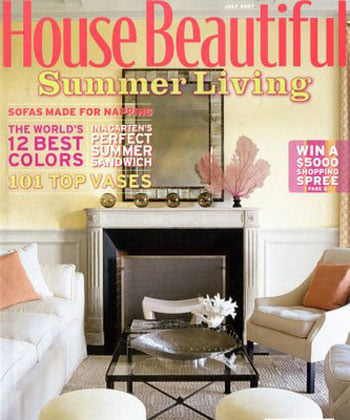
2. House Beautiful: For Approachable Design Enthusiasm
House Beautiful welcomes committed design enthusiasts and curious beginners alike. Its editorial approach emphasizes the idea that thoughtful design can improve daily life, reduce stress, and help people feel more connected at home. The magazine covers decorating inspiration, emerging talent, trends, room solutions, products, and practical answers to common design questions.
House Beautiful is especially effective when translating professional advice into understandable decorating moves. Its rooms may be polished, but they are rarely emotionally chilly. Color, pattern, family-friendly layouts, and personality receive plenty of attention.
Best for: Color lovers, room-by-room decorating ideas, designer advice, kitchens, bathrooms, and homes that feel lively rather than museum-like.
What to borrow: Look for paint combinations, furniture layouts, storage solutions, and creative uses of pattern. It is a good source for anyone who suspects beige has been running the household for too long.
3. ELLE DECOR: For Global Style and Fashion-Forward Interiors
ELLE DECOR views interiors through an international and fashion-conscious lens. For decades, the magazine has covered influential stylemakers, trendsetting rooms, major designers, and desirable furnishings from around the world.
The magazine often feels sophisticated without being stiff. A typical issue may combine a refined European apartment, a dramatically modern American residence, notable new furniture, and a designer whose approach makes you reconsider everything you previously believed about lacquer.
Best for: Global interiors, contemporary luxury, polished color schemes, new products, collectible design, and readers who follow both fashion and furniture.
What to borrow: Pay attention to sculptural shapes, strong focal points, elegant contrasts, and the balance between vintage pieces and contemporary art.
4. Better Homes & Gardens: For Practical Whole-Home Inspiration
Better Homes & Gardens has inspired readers for more than a century with an accessible mix of home decorating, DIY projects, gardening, cleaning, food, and seasonal living. Its stated emphasis is on enjoyment rather than perfection, making it one of the most useful publications for readers who want ideas they can realistically apply.
BHG is not exclusively an interior design magazine, and that is part of its strength. It treats the home as a complete ecosystem involving rooms, yards, meals, celebrations, chores, and everyday routines.
Best for: Budget-conscious decorating, gardening, paint advice, DIY improvements, seasonal updates, family homes, and beginner-friendly projects.
What to borrow: Use its decorating basics, step-by-step projects, storage ideas, and affordable refreshes. This is the magazine most likely to help you improve a room without requiring a contractor, an architect, and a small ceremonial loan.
5. Veranda: For Elegant Homes, Gardens, and Gracious Living
Veranda explores interiors, gardens, architecture, entertaining, art, and travel through a sophisticated editorial lens. Its pages tend to favor layered rooms, established craftsmanship, elegant materials, antiques, and gardens that appear to have full-time public relations teams.
Although the magazine is associated with luxury, its best lessons concern longevity. Veranda demonstrates how proportion, quality materials, symmetry, patina, and thoughtful collections can make a home feel established rather than recently assembled.
Best for: Traditional design, refined entertaining, classical architecture, gardens, antiques, and luxurious but comfortable interiors.
What to borrow: Focus on timeless elements such as substantial lighting, well-scaled upholstery, natural materials, table settings, and objects collected gradually.
6. Dwell: For Modern Architecture and Smarter Living
Dwell is a leading destination for modern homes, apartments, residential architecture, and design-conscious living. Its platform brings together projects and ideas from architects, professionals, homeowners, and design enthusiasts, with particular attention to how buildings influence everyday life.
Dwell is the natural choice for readers interested in efficient floor plans, prefabricated structures, sustainable materials, compact spaces, indoor-outdoor connections, and contemporary architecture. The rooms tend to be edited, but the best examples remain warm and livable.
Best for: Modern homes, renovation strategy, architecture, sustainability, smaller footprints, clean lines, and inventive construction.
What to borrow: Examine circulation, daylight, built-in storage, material restraint, and multifunctional furniture. Even a traditional home can benefit from Dwell’s clear thinking.
7. Domino: For Personal Style and Creative Decorating
Domino describes itself as a guide to creating a stylish life and a home you love. Its design coverage celebrates personal expression while providing practical information about color, rentals, small spaces, sustainability, renovations, and individual rooms.
Domino is particularly strong when a reader wants something current, youthful, attainable, and slightly unexpected. Its home tours often feature creative people who combine vintage finds, accessible products, unusual colors, and smart custom details.
Best for: Apartments, small homes, expressive color, emerging trends, creative renovations, shopping ideas, and budget-aware style.
What to borrow: Use Domino to become less cautious. Try a surprising paint color, update a rental with removable treatments, or pair an inherited table with modern chairs instead of sending both sides to separate rooms.
8. Country Living: For Collected, Comfortable Homes
Country Living, launched in 1978, covers lived-in homes, cottages, farmhouses, antiques, collectibles, crafts, gardens, recipes, and practical country style. Its home-design coverage ranges from traditional cottages to modern farmhouses and emphasizes warmth, history, and personality.
The magazine understands that a room can be attractive without looking untouched. Painted furniture, old wood, patterned textiles, family objects, baskets, pottery, and useful antiques are treated as assets rather than evidence that someone forgot to declutter.
Best for: Cottage style, farmhouse interiors, antiques, vintage shopping, crafts, cozy rooms, and gardens with informal charm.
What to borrow: Build character slowly. Mix old and new, display meaningful collections, select durable natural materials, and allow the occasional imperfection to remain. A nicked table can be called “patina,” which is excellent news for households with children.
9. HGTV Magazine: For Cheerful, Actionable Ideas
HGTV Magazine extends the practical, transformation-focused spirit of the television network into print and digital content. It offers decorating ideas, DIY projects, design tips, real estate guidance, colorful product suggestions, and advice associated with familiar HGTV personalities.
The magazine is energetic, accessible, and highly visual. It is especially useful for readers who enjoy before-and-after projects and want decorating suggestions that can be completed without spending six months discussing hand-carved moldings.
Best for: Quick makeovers, paint projects, weekend DIY, cheerful color, beginner renovations, and easy-to-shop decorating ideas.
What to borrow: Choose one manageable update: replace a light fixture, repaint a vanity, rearrange art, improve curb appeal, or refresh a reading corner.
10. LUXE Interiors + Design: For Regional Luxury and Professional Resources
LUXE Interiors + Design covers high-end residential architecture and interior design throughout the United States. Its regional and seasonal editions highlight luxury homes while connecting readers with architects, designers, builders, craftspeople, and specialized resources in different markets.
Its regional approach distinguishes it from more centralized national publications. Readers can see how climate, landscape, local materials, and architectural traditions influence homes in places such as Arizona, California, Florida, New York, and the Mountain West.
Best for: Custom homes, regional architecture, luxury renovation, professional design resources, artisans, and serious building projects.
What to borrow: Notice craftsmanship and location-specific choices. A successful home responds to its surroundings instead of behaving as though it was dropped from a catalog by helicopter.
A Few Digital Companions Worth Bookmarking
Traditional magazines now share the decorating conversation with digital-first brands. Apartment Therapy focuses on beautiful, organized, and healthy homes, with a particularly useful perspective on apartments, rentals, attainable projects, and real-life constraints. Its tools and editorial guides also help readers collect ideas and visualize rooms.
Real Simple is another valuable companion. Rather than concentrating entirely on interiors, it combines decorating with organization, cleaning, routines, and practical everyday solutions. That broader approach is helpful when the problem is not that a room lacks style, but that every horizontal surface has become an unofficial mail-processing facility.
How to Choose the Right Home Decor Magazine
Your ideal reading list depends on what you need from it. A major renovation requires different inspiration from a Saturday afternoon refresh.
- For luxury and major design talent: Start with Architectural Digest, ELLE DECOR, Veranda, and LUXE Interiors + Design.
- For modern architecture: Choose Dwell.
- For practical decorating: Read Better Homes & Gardens, House Beautiful, and HGTV Magazine.
- For apartments and personal expression: Try Domino and Apartment Therapy.
- For cottage, farmhouse, and vintage style: Keep Country Living close at hand.
- For organization and easy home improvements: Add Real Simple to the stack.
Most readers benefit from combining one aspirational publication with one practical title. Architectural Digest may establish the dream, while Better Homes & Gardens explains what can be accomplished before dinner.
How to Turn Magazine Inspiration Into a Better Home
Save Ideas by Feature, Not by Entire Room
Trying to recreate a complete professionally designed interior can become expensive and discouraging. Instead, identify one element you love: the wall color, lighting, shelf arrangement, curtain style, furniture layout, or mixture of materials.
Create a Repetition List
After reviewing several issues, note which ideas repeatedly attract you. You may discover that you consistently save rooms with dark green walls, woven textures, curved furniture, vintage art, or warm wood. Repetition reveals genuine taste more reliably than whatever happens to be trending this week.
Separate Inspiration From Shopping
Do not purchase every attractive object immediately. First determine what the room needs. A magazine should clarify your direction, not convince you that emotional fulfillment comes in the form of twelve decorative bowls.
Translate Expensive Ideas
A custom mural may inspire a painted accent wall. Antique textiles might suggest framed fabric remnants. Bespoke cabinetry could lead to freestanding shelves painted to match the wall. Good decorating depends on interpretation, not duplication.
A Month With Shelter Magazines: A Composite Reader Experience
The following is a composite reader experience illustrating how a stack of shelter decorating magazines can influence a real home without turning the month into a renovation marathon.
During the first week, the magazines are mostly entertainment. Architectural Digest supplies grand rooms, Dwell introduces clever architecture, and Country Living offers the kind of kitchen where bread is apparently always cooling near a charming antique bowl. Nothing is purchased. Pages are marked with small notes: “paint,” “lighting,” “rug size,” and, occasionally, “absolutely not, but fascinating.”
By the second week, patterns begin to emerge. The saved rooms come from different magazines, yet many share warm white walls, medium-toned wood, upholstered seating, old artwork, and small areas of deep blue. This is useful. Instead of declaring allegiance to one official decorating style, the reader has identified a personal combination: calm backgrounds, practical furniture, vintage character, and stronger color in controlled doses.
The living room receives attention first. A House Beautiful layout demonstrates that the furniture does not need to remain pressed against the walls as though it is waiting for a school dance to begin. The sofa moves forward several inches. Two chairs are turned slightly toward it, creating a more conversational arrangement. A narrow table previously hidden in a hallway becomes a console behind the sofa.
No money has been spent, but the room already feels more intentional.
Next comes lighting. Several magazine photographs reveal that successful rooms rarely depend on one bright ceiling fixture. A lamp is relocated from the guest room, and a neglected floor lamp is fitted with a better shade. The evening atmosphere improves immediately. More important, nobody must sit beneath a ceiling light powerful enough to conduct a dental examination.
During week three, a Domino apartment inspires a small experiment with color. Rather than painting the entire living room, the inside of a bookcase receives a muted blue. Country Living encourages a looser display of old books, ceramics, and framed family photographs. Dwell provides the necessary warning against overcrowding, so several objects return to storage. The result feels collected but not congested.
A Better Homes & Gardens project suggests repainting a secondhand side table instead of replacing it. After sanding, priming, and one brief period of wondering why the project was started, the table becomes a useful accent. The total cost remains modest, and the room gains something that cannot be ordered as a complete matching set.
By the fourth week, magazine reading has become more selective. Instead of reacting to every beautiful photograph, the reader asks practical questions. What makes this room comfortable? Where is the storage? How is the artwork grouped? Which elements could survive pets, children, visitors, or a cup of coffee placed with excessive confidence?
The most valuable outcome is not a room copied from a magazine. It is a stronger ability to edit. A too-small rug is replaced with one already used elsewhere. Curtains are hung higher. Several decorative objects are removed. A plant fills an empty corner. The home looks better because its existing pieces now relate to one another.
At the end of the month, the stack of shelter magazines has produced only a few purchases: a lampshade, paint, and two pillow covers. Yet the living room feels warmer, clearer, and more personal. The magazines succeeded not by prescribing a shopping list, but by teaching the reader to observe. That is the real pleasure of good decorating journalism: it changes how we see the rooms we already have.
Conclusion: Build a Design Library That Reflects You
The best shelter decorating magazines offer far more than attractive coffee-table scenery. They introduce readers to architecture, craftsmanship, color, materials, gardens, furniture, and the countless small decisions that shape daily life at home.
Architectural Digest and LUXE provide ambitious inspiration. ELLE DECOR and Veranda deliver polished global style. Dwell makes modern architecture understandable. House Beautiful and Domino celebrate expressive rooms. Better Homes & Gardens and HGTV Magazine turn ideas into manageable projects. Country Living reminds us that comfort, age, and imperfection can be beautiful.
You do not need to adopt every trend or purchase every featured product. Read widely, save selectively, and notice what consistently appeals to you. The goal is not to make your home resemble a magazine set. It is to use excellent magazines to understand what makes your own home feel better.
Note: Magazine schedules, subscription formats, ownership, and print availability may change. Review each publication’s current subscription information before ordering.